small

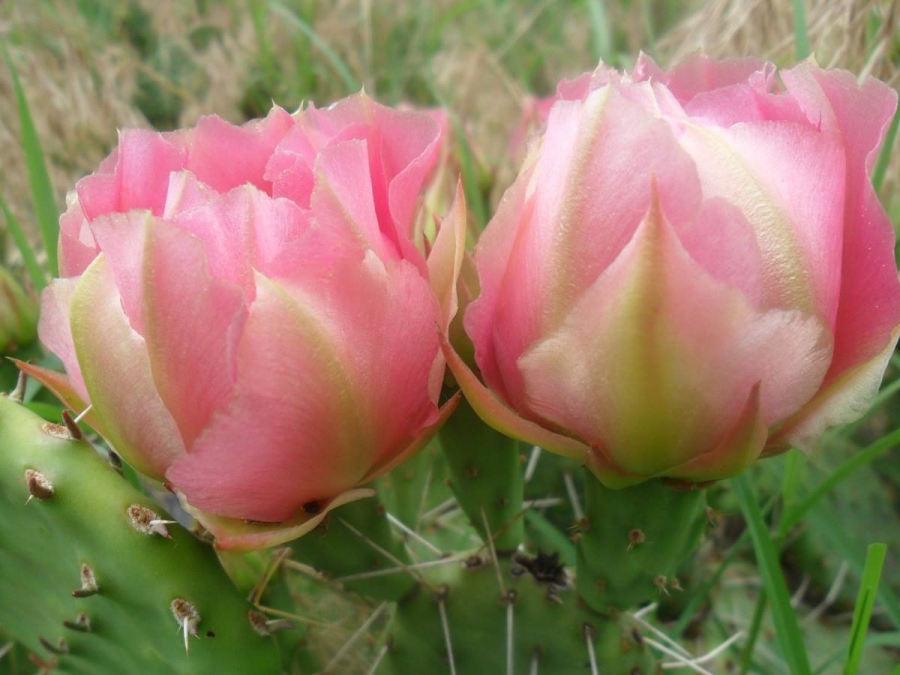
These are Opuntias that are small or bloom well while small. They may make excellent pot plants.

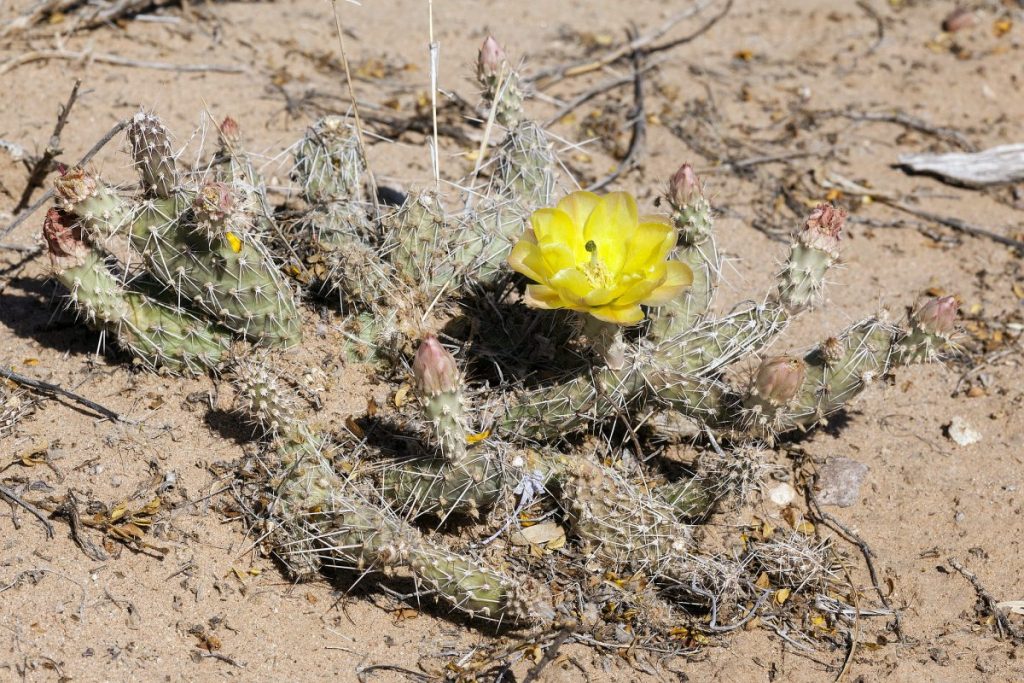
Opuntia pottsii

Opuntia pottsii, Potts Pricklypear

Salm-Dyck, Cacteae in Horto Dyckensi Cultae Anno 1849. 236. Herbarium; Herbarium; Herbarium; Herbarium; Herbarium; Herbarium; Herbarium; Herbarium (O. ballii); Herbarium (O. ballii) Original Description What is Opuntia pottsii? Opuntia pottsii is a small prickly pear cactus with colorful flowers. It is found in many regions of the West, but it is seldom abundant. It grows from about 3,500 ft

Opuntia pottsii, Potts Pricklypear Read More »
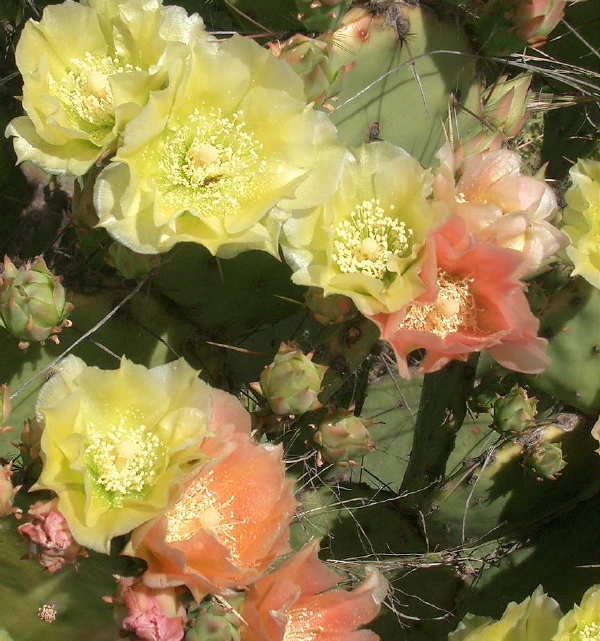
Opuntia aurea, Zion Beavertail Cactus

Baxter, Cactus and Succulent Journal (U.S.) 5(6): 489, 1933 Holotype; Herbarium; Herbarium; Herbarium; Herbarium; Herbarium; Herbarium; Herbarium; Herbarium; Herbarium; Herbarium; Herbarium; Herbarium; Herbarium Original Description What is Opuntia aurea? Opuntia aurea is a prostrate, mat-forming prickly-pear of southern Utah and adjacent northern Arizona. Plants typically creep outward in low patches rather than forming upright shrubs,

Opuntia aurea, Zion Beavertail Cactus Read More »

Opuntia atrispina, Black-and-yellow-spine Pricklypear

Griffiths, Annual Report Missouri Botanical Garden 21: 172, 1910 Holotype, Isotype, Herbarium; Herbarium; Herbarium; Herbarium; Herbarium; Herbarium; Drawing (Britton and Rose, v1 1919, plate XXV, top right) Original Citation What is Opuntia atrispina? Opuntia atrispina is treated here as a distinct black-spined prickly-pear of southwestern Texas (with a larger distribution in Mexico). On this site it is

Opuntia atrispina, Black-and-yellow-spine Pricklypear Read More »

Opuntia arenaria

Opuntia arenaria, Sand Cactus

Engelmann, Proceedings of the American Academy of Arts and Sciences 3: 301, 1856/1857 Lectotype; Isotype; Herbarium; Herbarium; Herbarium; Herbarium Original Citation What is Opuntia arenaria? Opuntia arenaria is a small, dry-fruited prickly pear of the greater El Paso region (adjacent New Mexico into far-west Texas), typically forming low, creeping mats on sandy or silty soils. Although

Opuntia arenaria, Sand Cactus Read More »