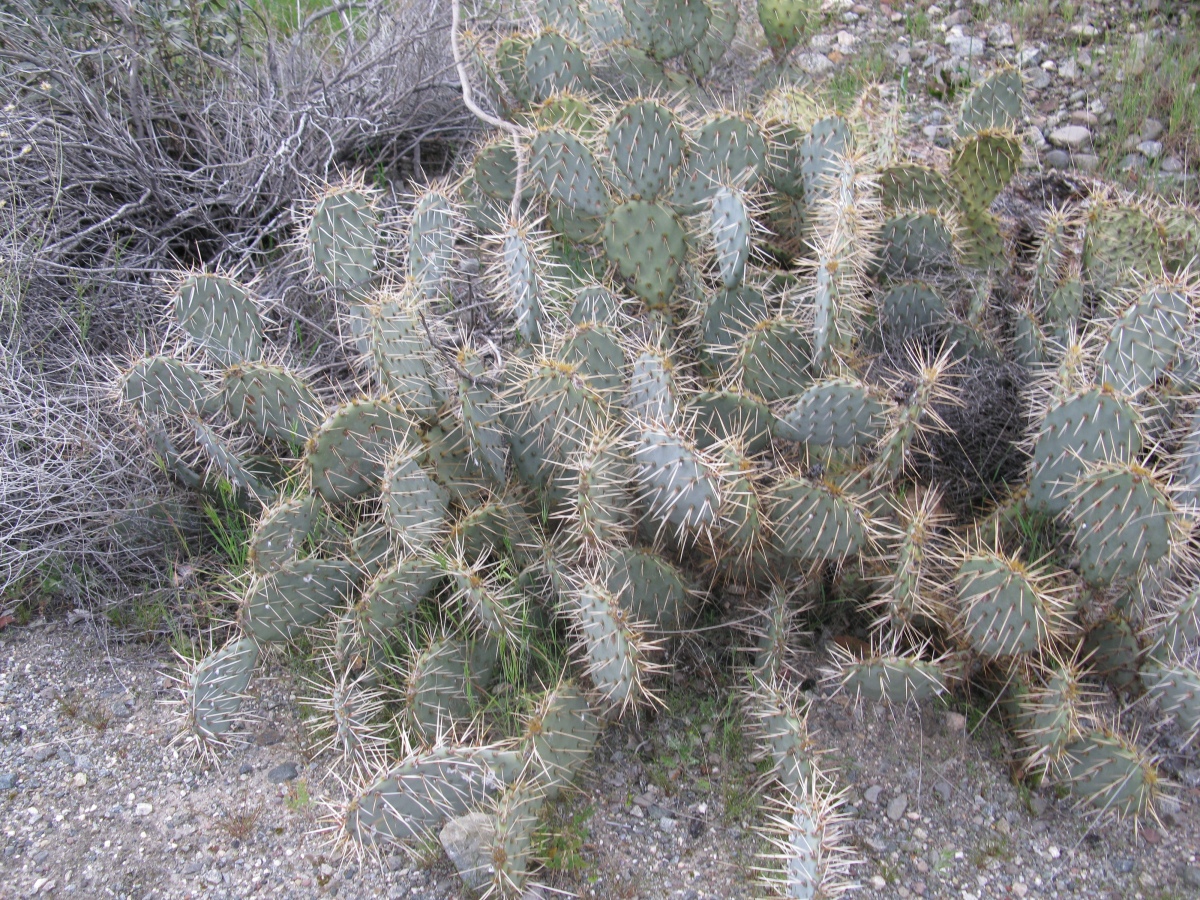
Type; Herbarium; Herbarium; Herbarium; Herbarium; Herbarium; Herbarium; Photograph (Britton and Rose, 1919); Painting; Drawing (JJ Thornber; The Fantastic Clan of the Cactus Family)
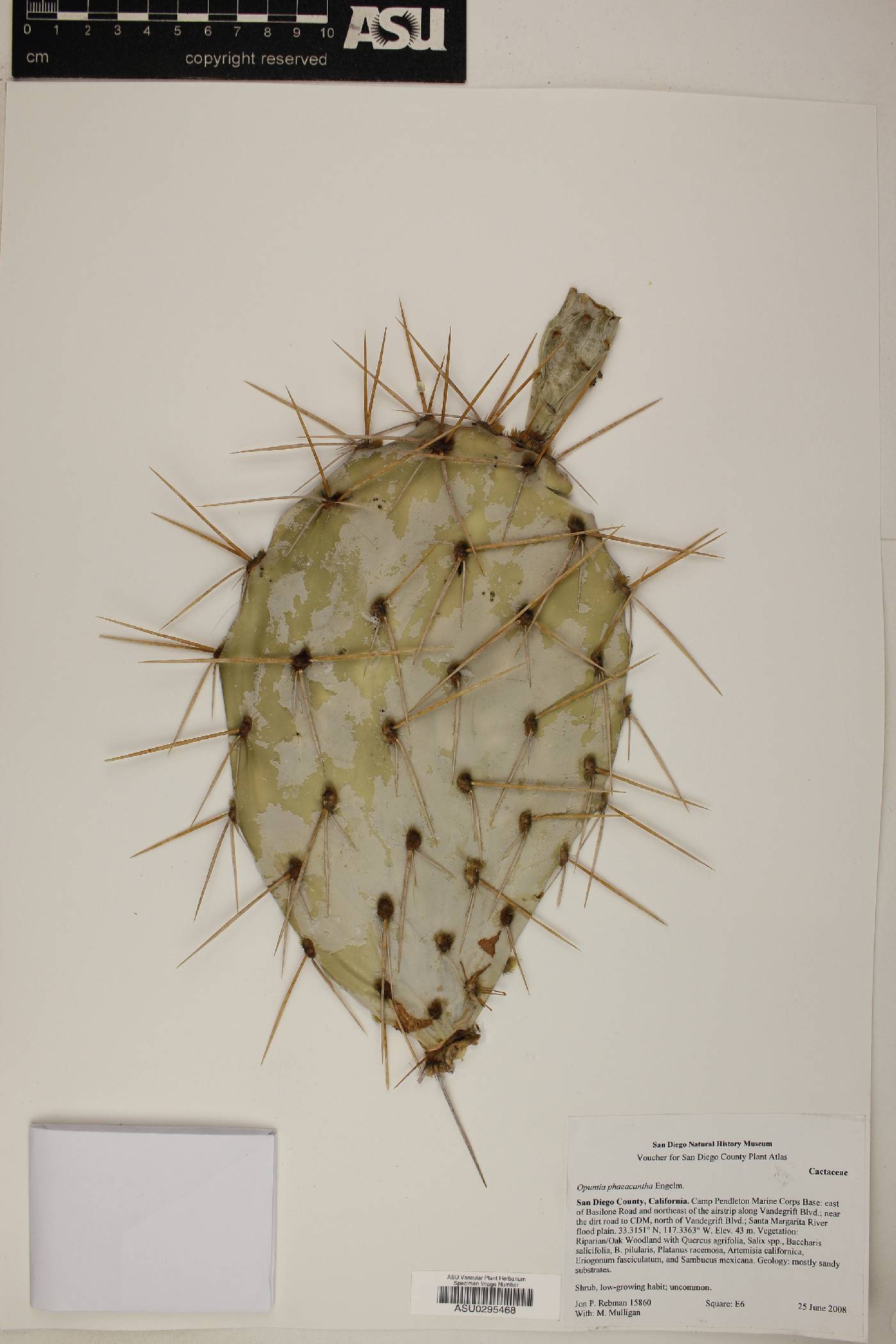
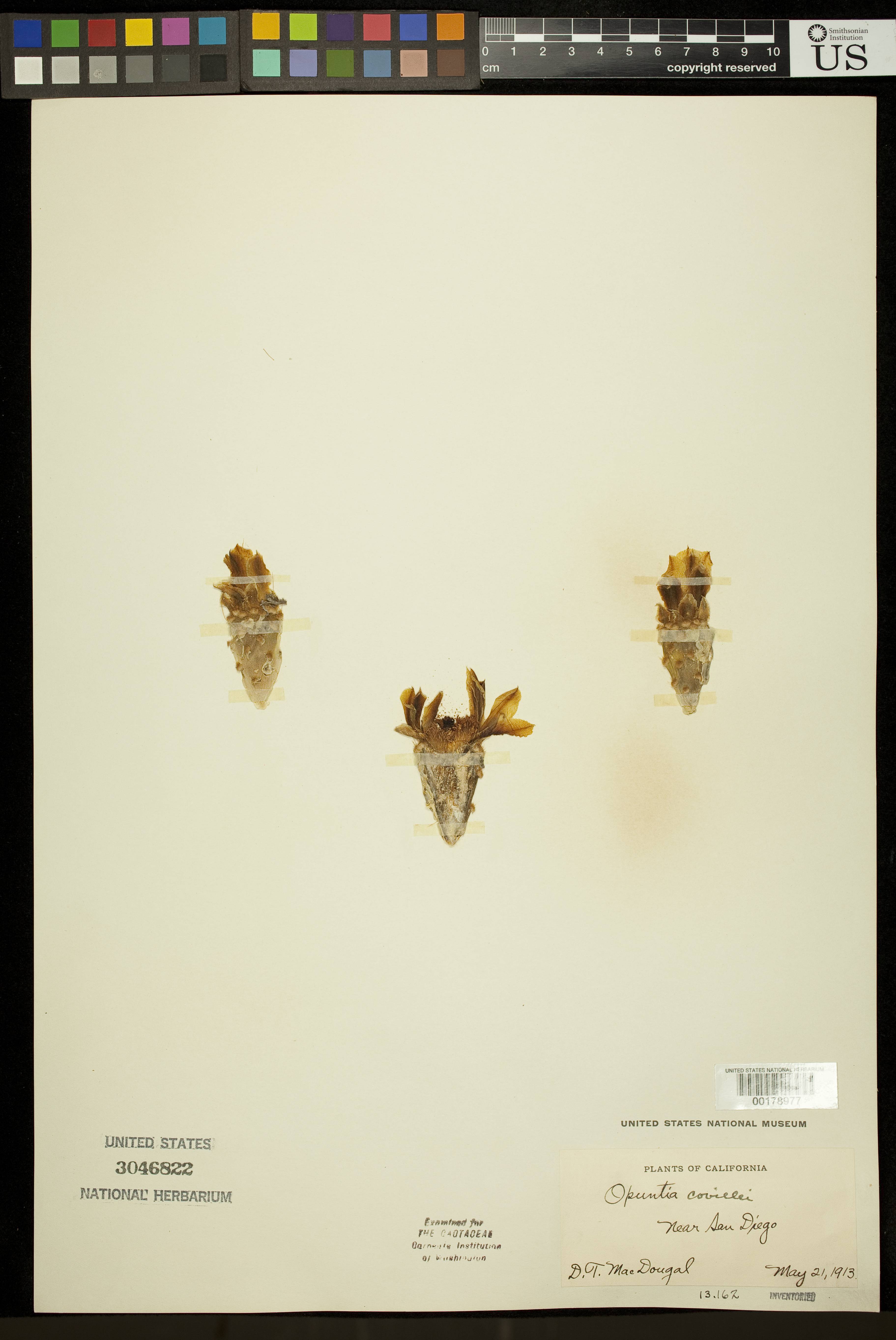


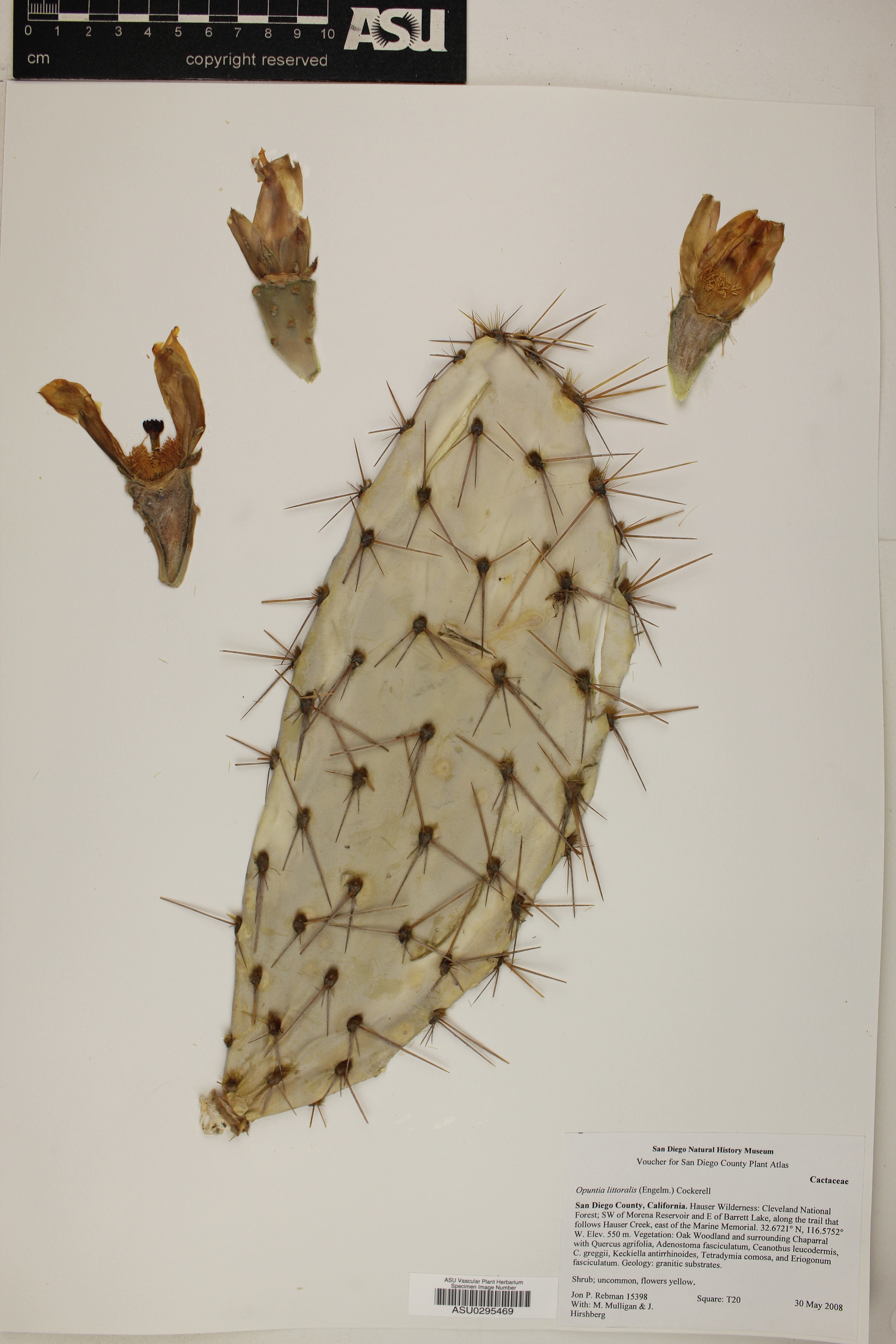
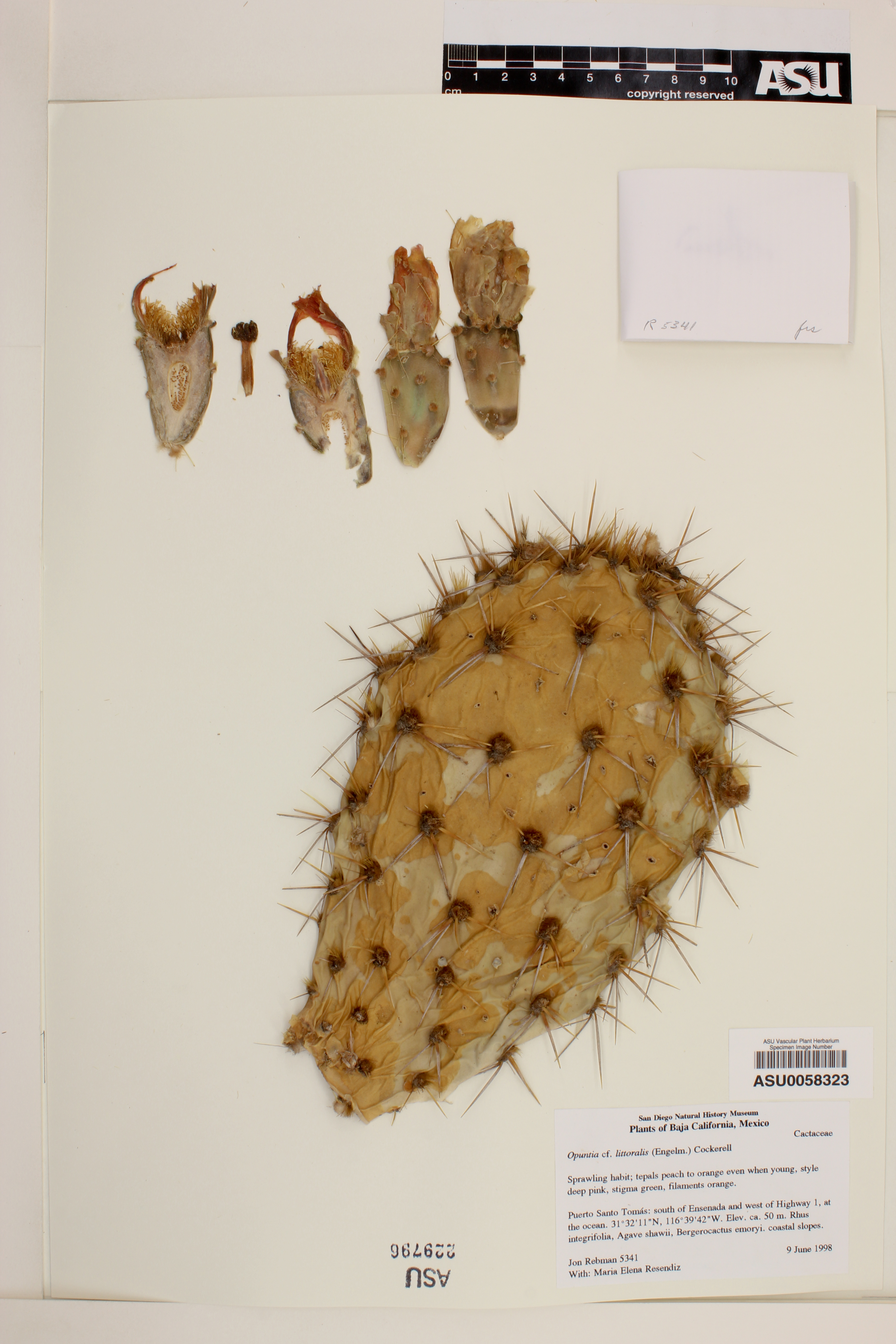


Original Description
What is Opuntia covillei?
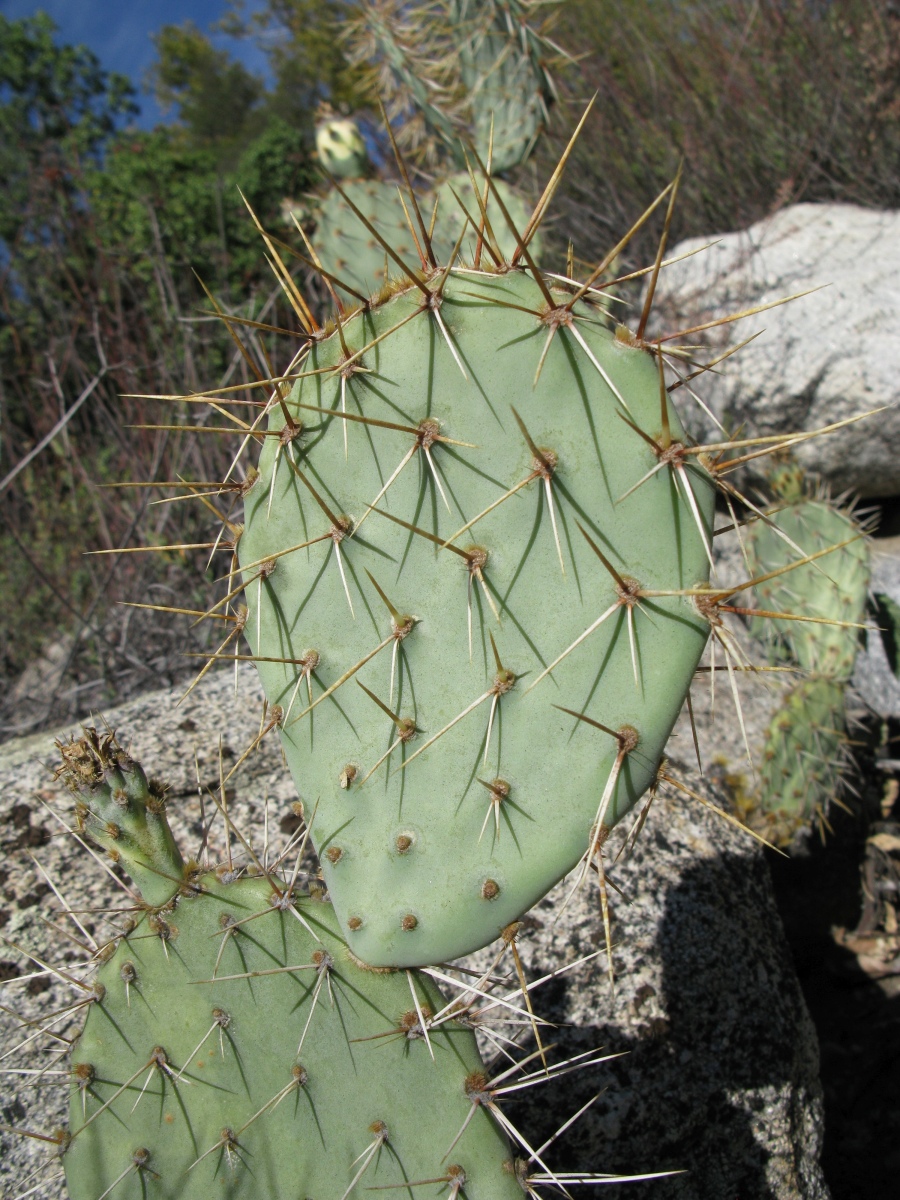
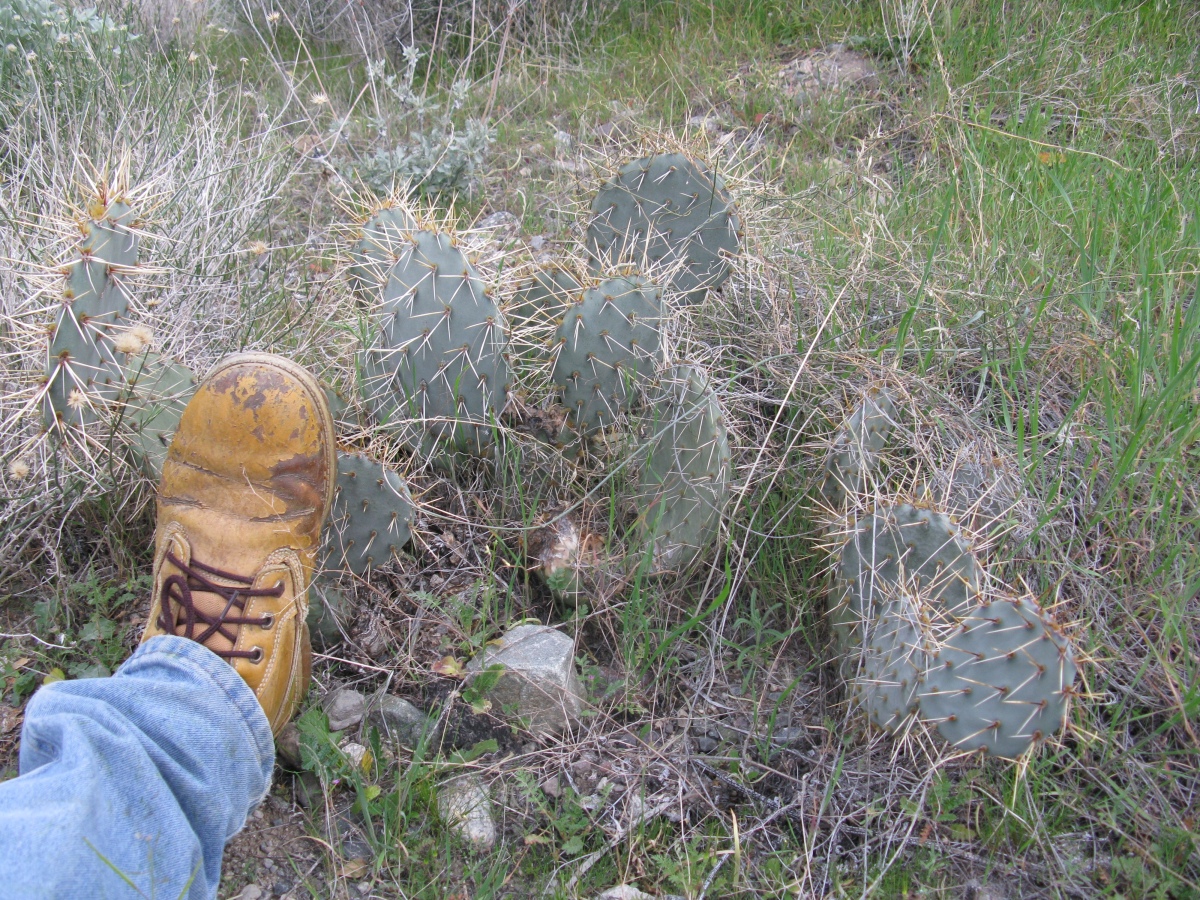
Opuntia covillei is a medium-sized prickly-pear of inland southern California, forming angular, spreading shrubs and frequent thickets. Plants commonly reach 50–100 cm tall and to about 1 m across; armament is conspicuous on joints and older stems.
Details
Shrubs: low to medium-sized, thicket-forming, branches ascending to spreading; bases woody and well-armed. Cladodes: pale green, often slightly glaucous, about 9–20(–25) cm long, areoles spaced roughly 2–4 cm apart. Areoles & glochids: areoles numerous; glochids present, easily detached. Spines: most areoles with 2–5(–7) slender, straight to slightly curved spines, white-brown to brown, longest to ~5–7 cm; armament densest on older joints. Flowers: bright yellow; inner tepals sometimes with a faint greenish cast; anthers yellow; style pale; stigma lobes green. Fruits: red when mature, mildly tuberculate, relatively long; ovary ~4–5 cm with few areoles, most spineless though a few fruits may bear short spines. Seeds: about 5 mm in diameter, numerous.
Cytology
Unknown.
Range & Habitat
Inland valleys and foothill margins of southern California, including the bases of Mt. San Bernardino, Mt. Baldy, and Mt. San Gorgonio, and desertward foothills near Banning; typically on well-drained, often stony substrates in shrubland or grassland ecotones.
Similar or Sympatric Species
Opuntia littoralis — coastal, broader joints, heavier.
Opuntia oricola — taller, longer pads, coastal canyons.
Opuntia occidentalis — larger joints, stouter spines overall.
Opuntia phaeacantha — inland, variable pads and spines.
Opuntia engelmannii — taller clumps, elongated pads, robust.
Other Notes
Reported from inland sites rather than strictly coastal ones. Some plants have been misidentified or labeled as hybrids; the taxon reproduces true to type. It may be conspecific with Opuntia megacarpa, described about the same time, but the name O. covillei has priority.
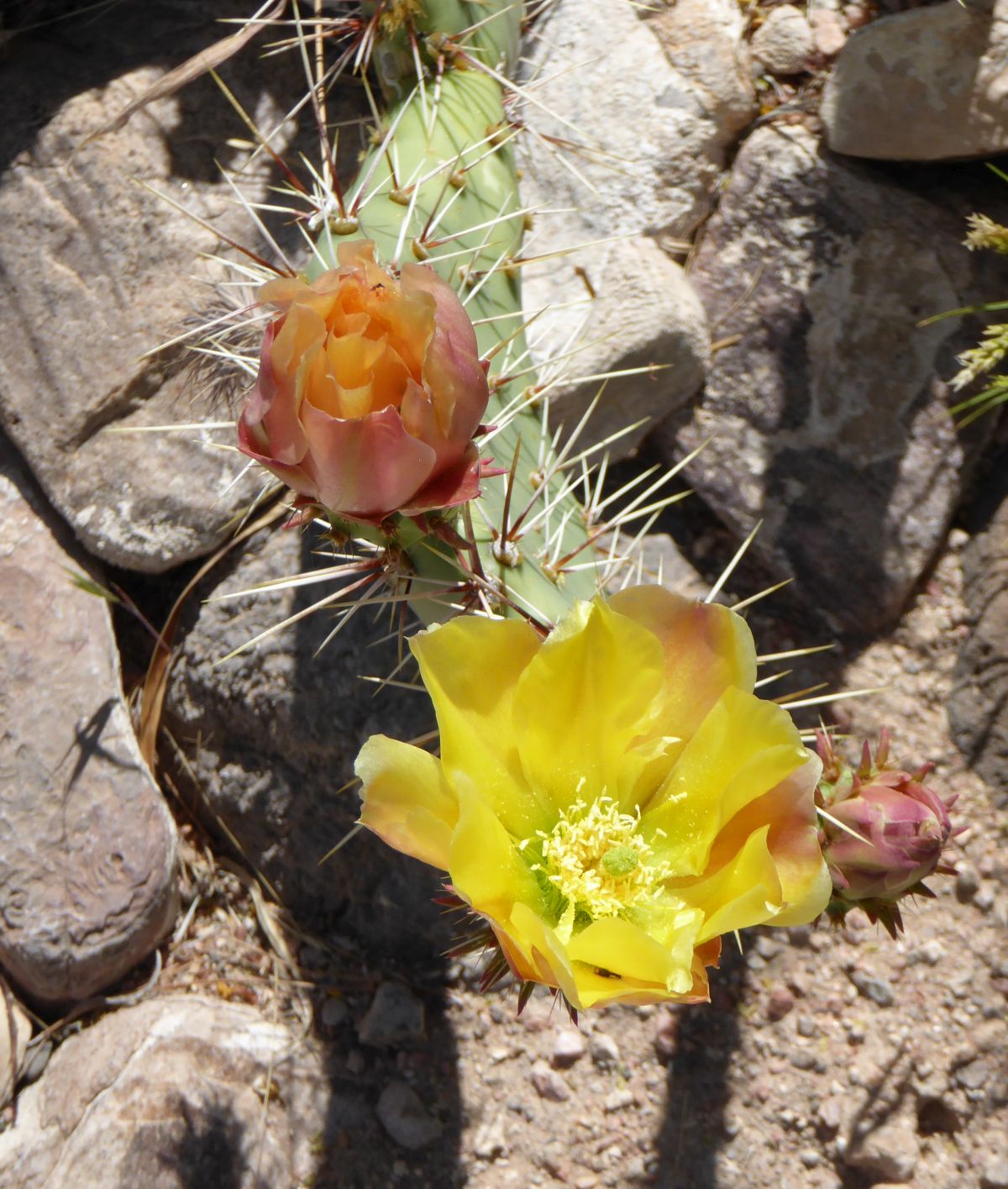 Opuntia covillei flower, Nancy Hussey
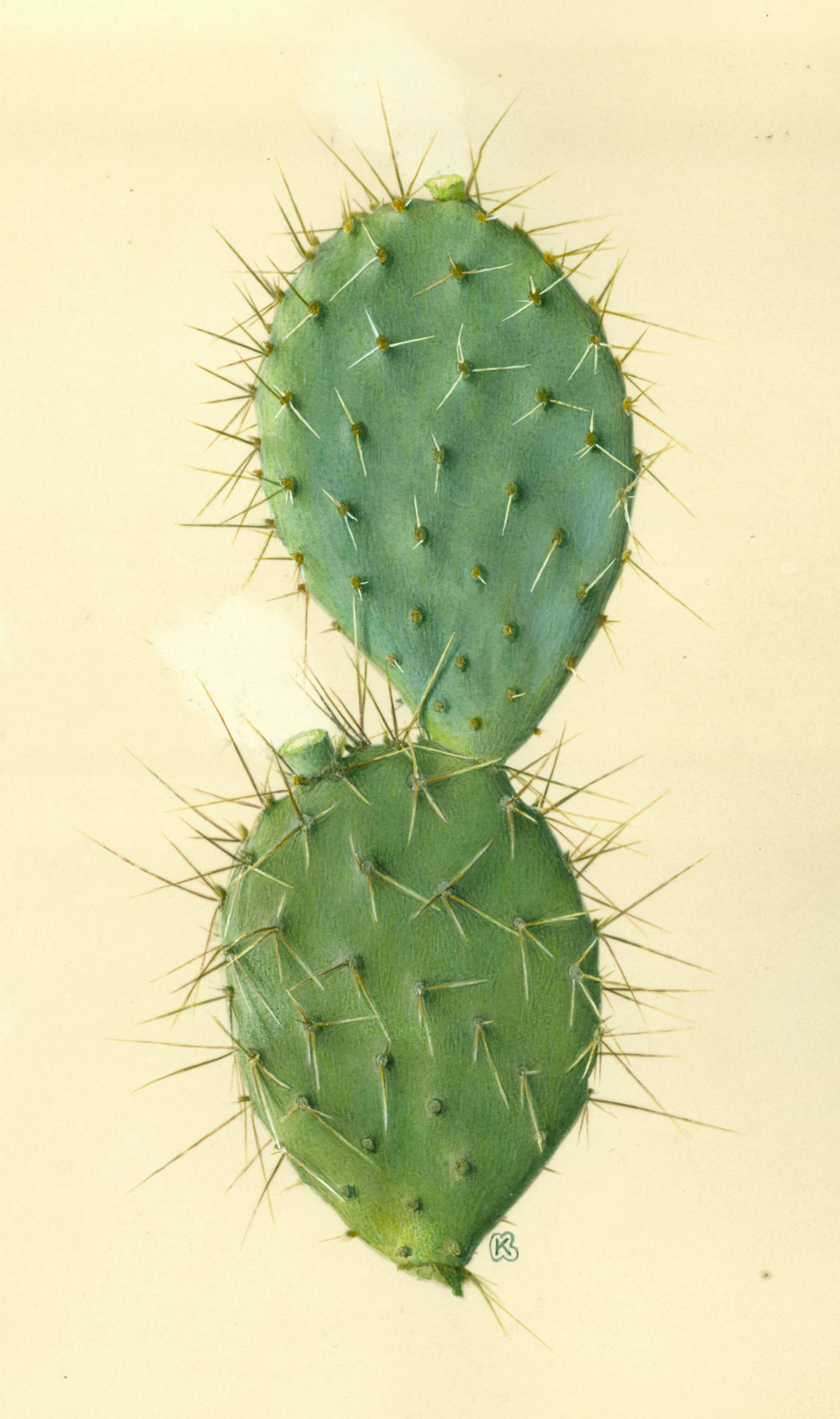
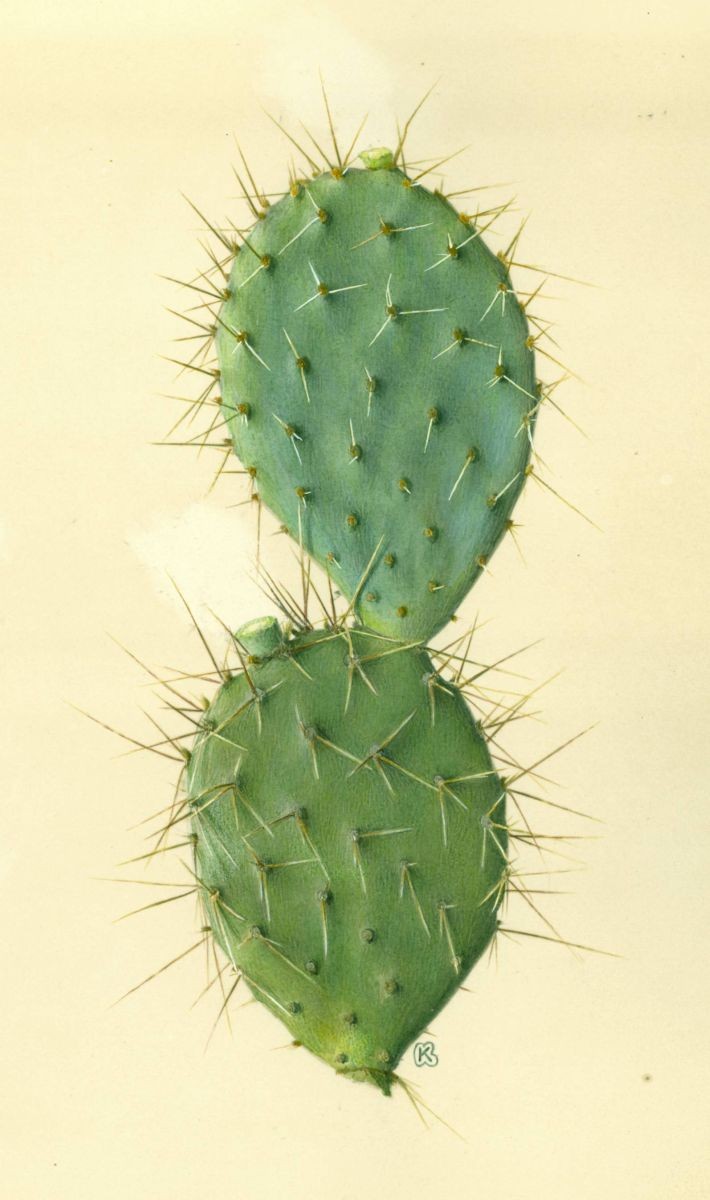 Opuntia covellei, Charles Krieger
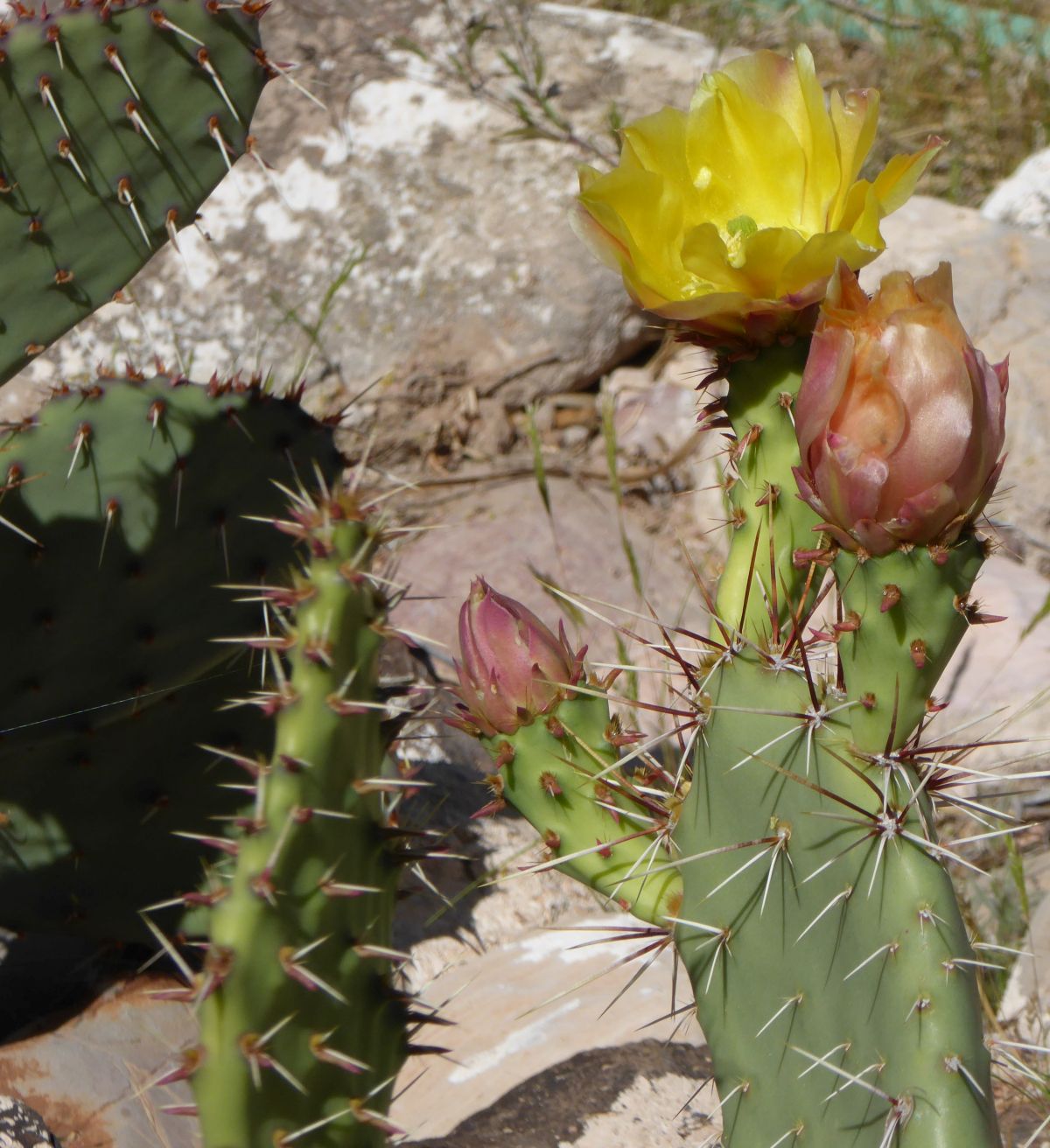 Opuntia covillei flower, Nancy Hussey
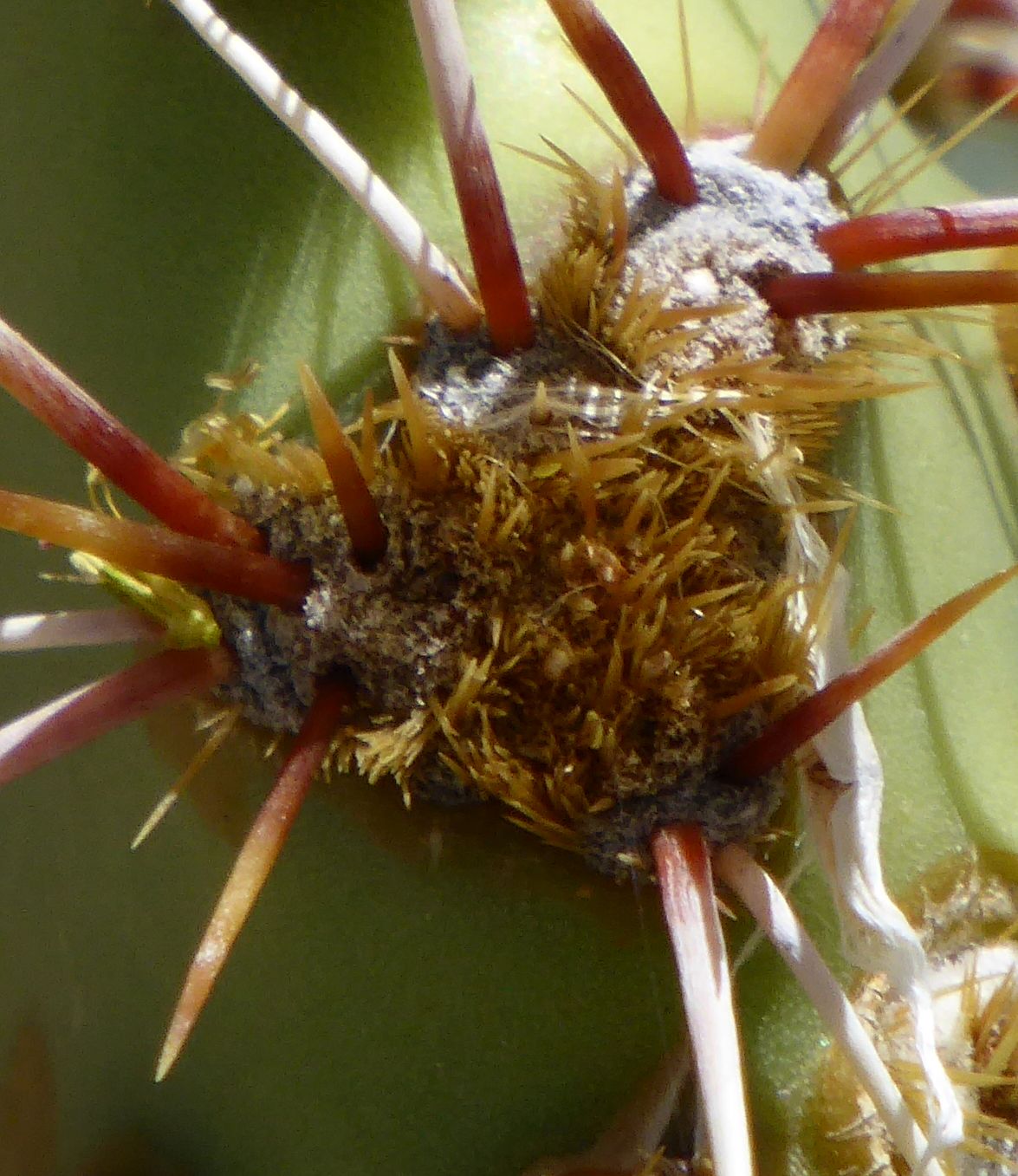 Opuntia covillei glochids, Nancy Hussey
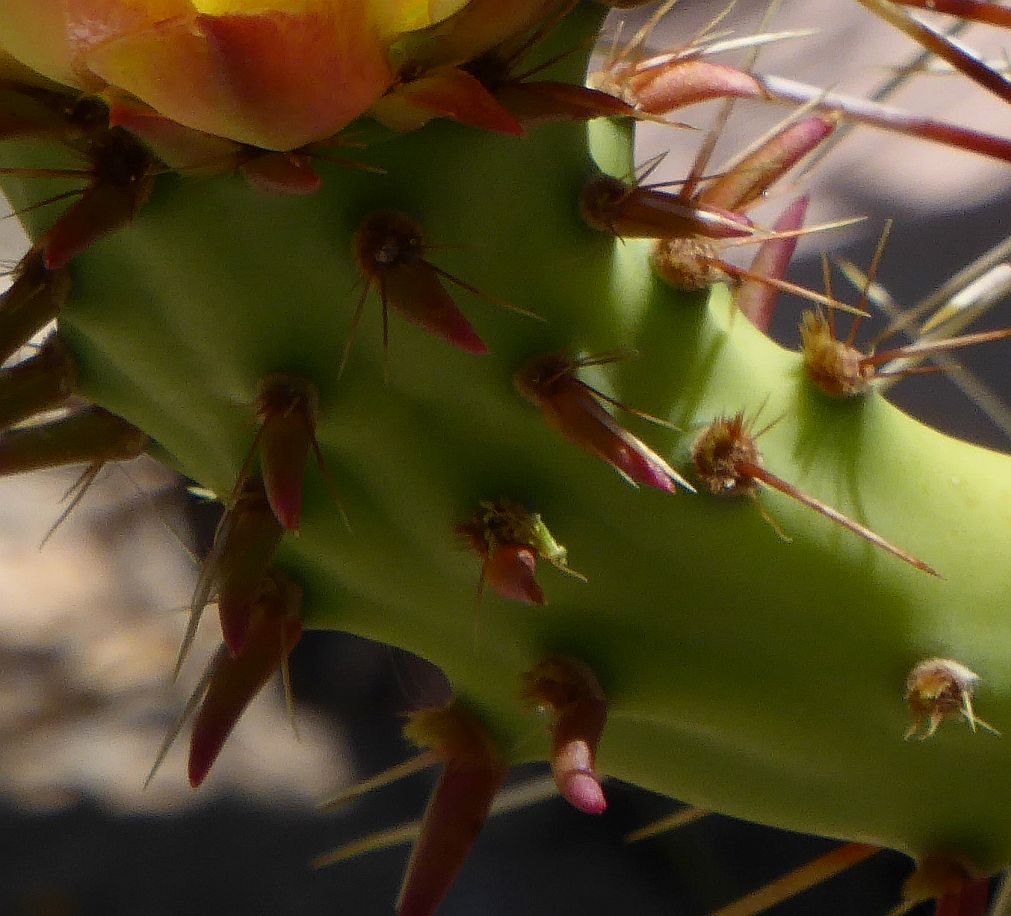 Opuntia covillei pericarple, Nancy Hussey
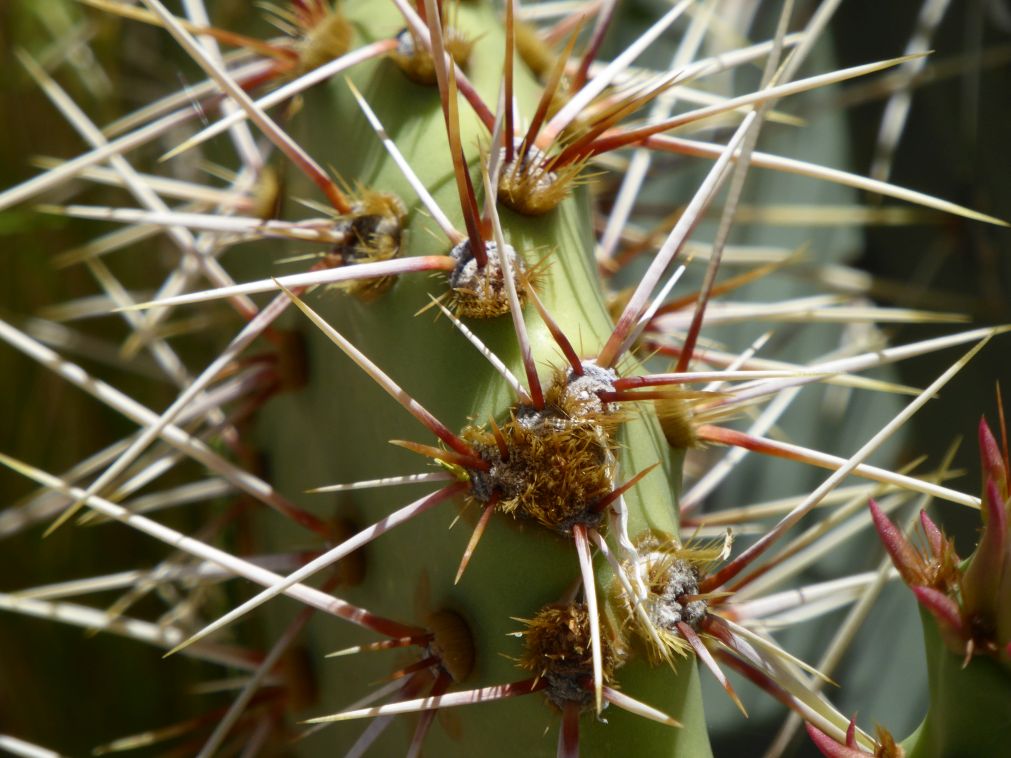 Opuntia covillei spines, Nancy Hussey
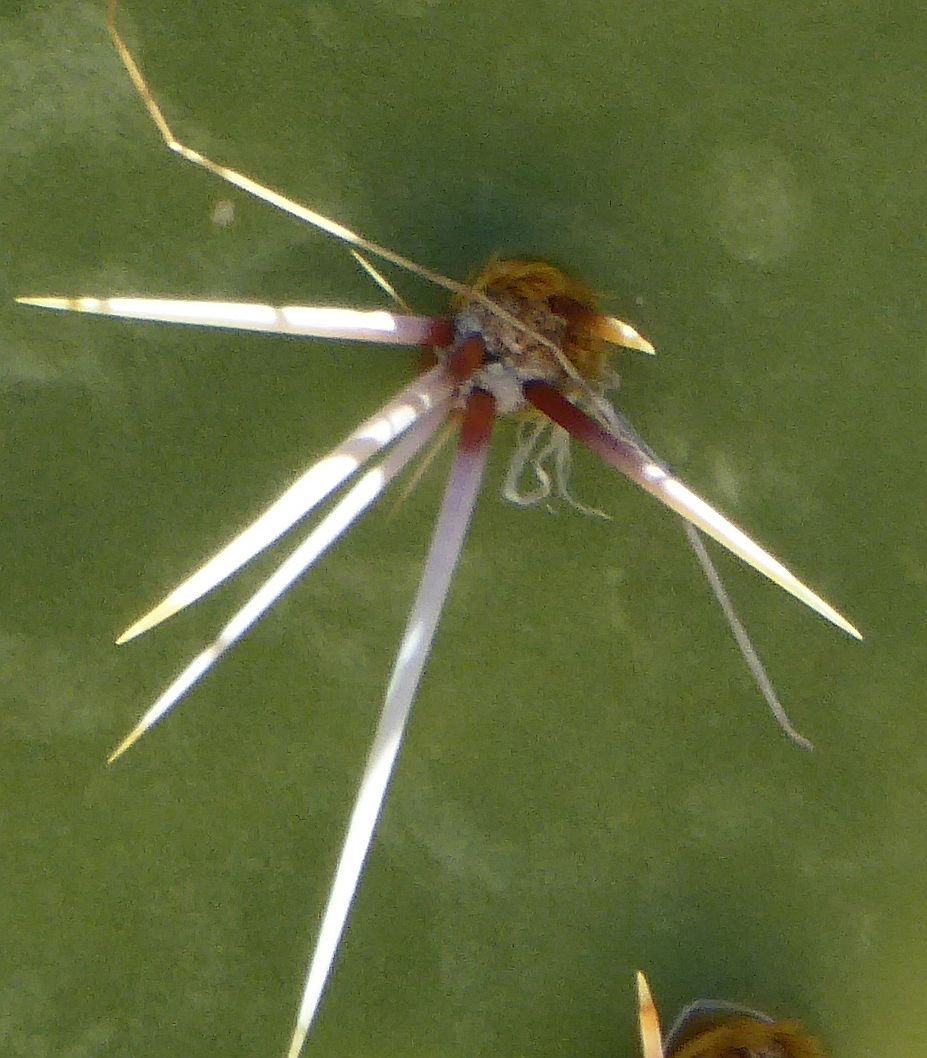 Opuntia covillei spines, Nancy Hussey
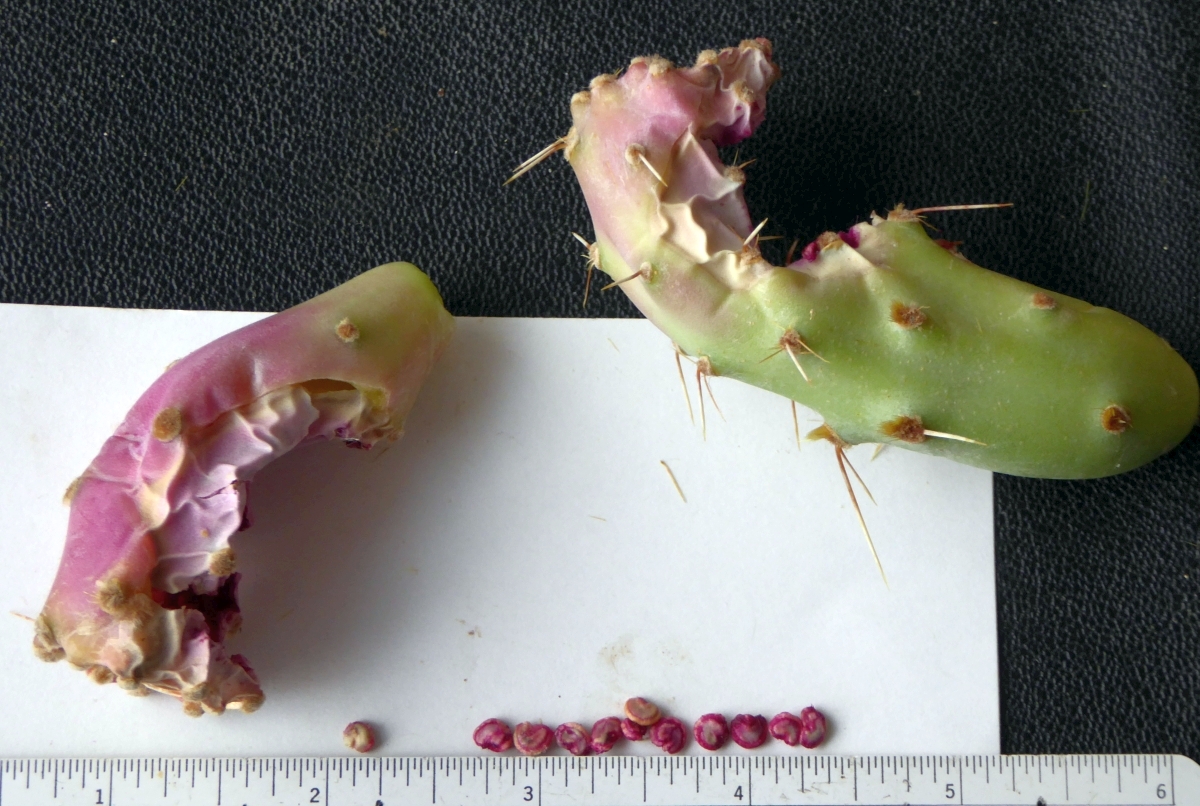 Opuntia covillei, fruit and seeds, Nancy Hussey
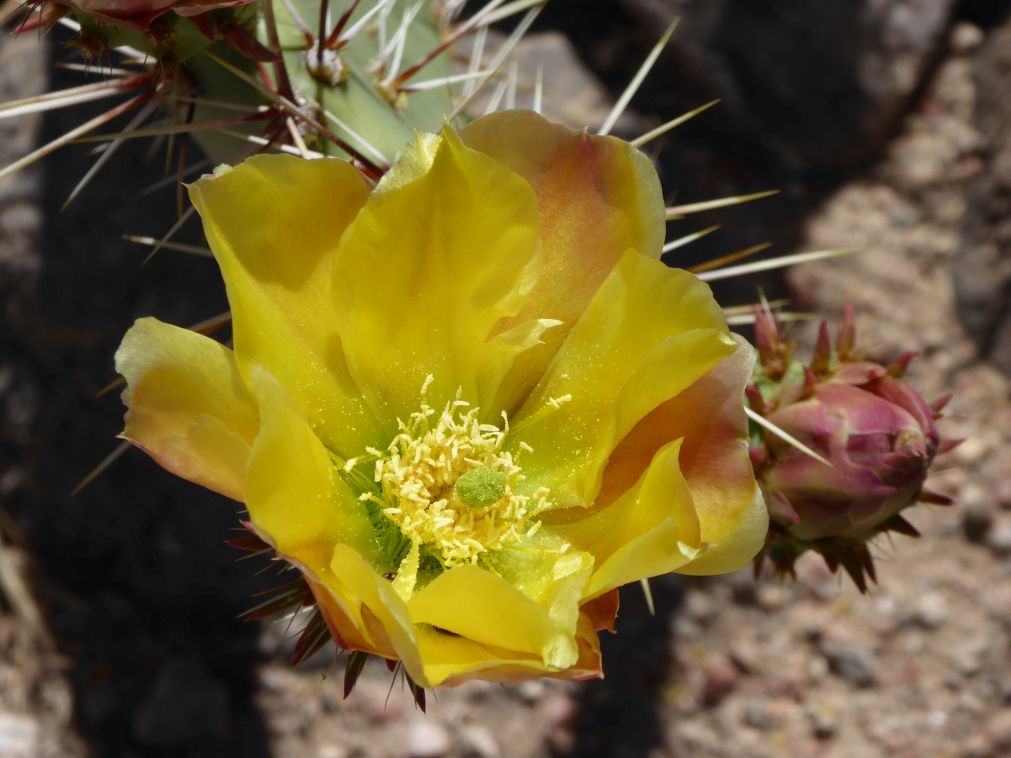 Opuntia covillei, Nancy Hussey
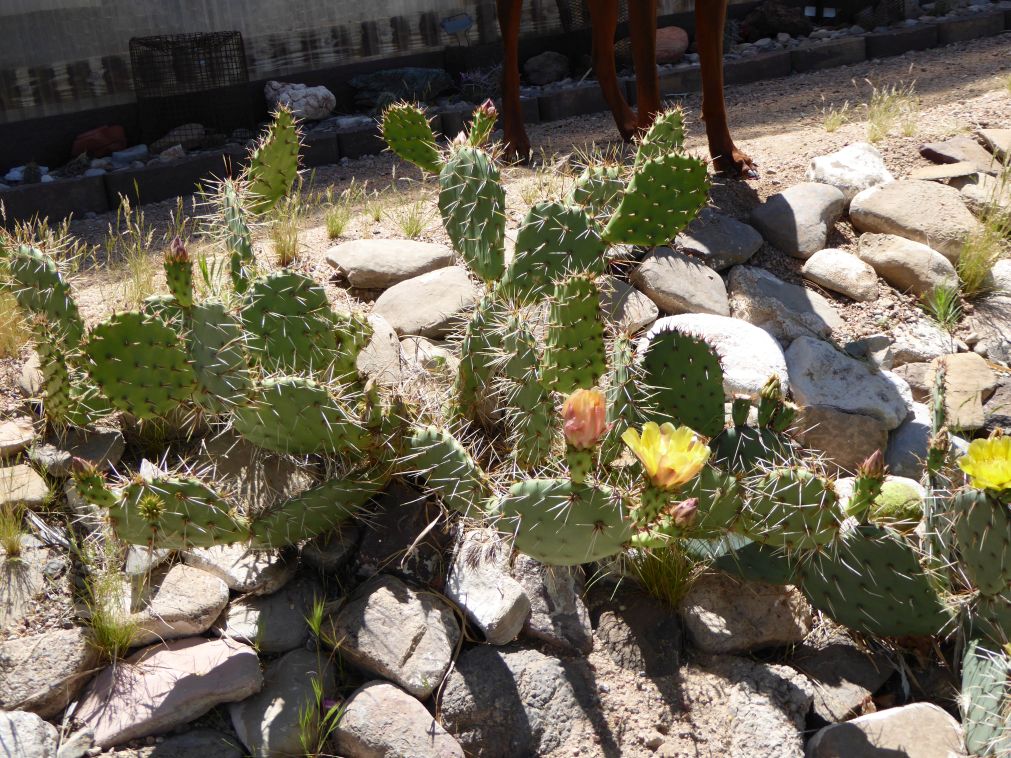 Opuntia covillei, Nancy Hussey
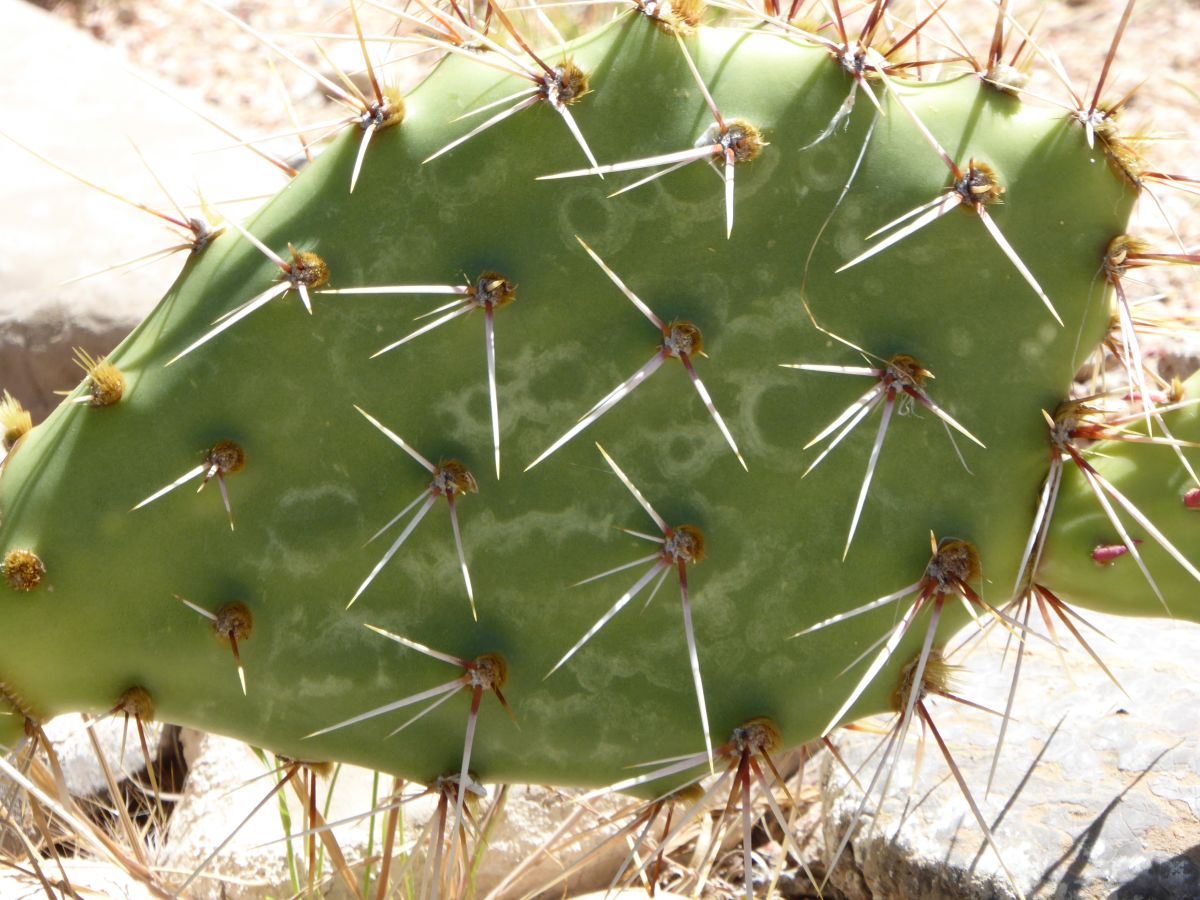 Opuntia covillei, Nancy Hussey
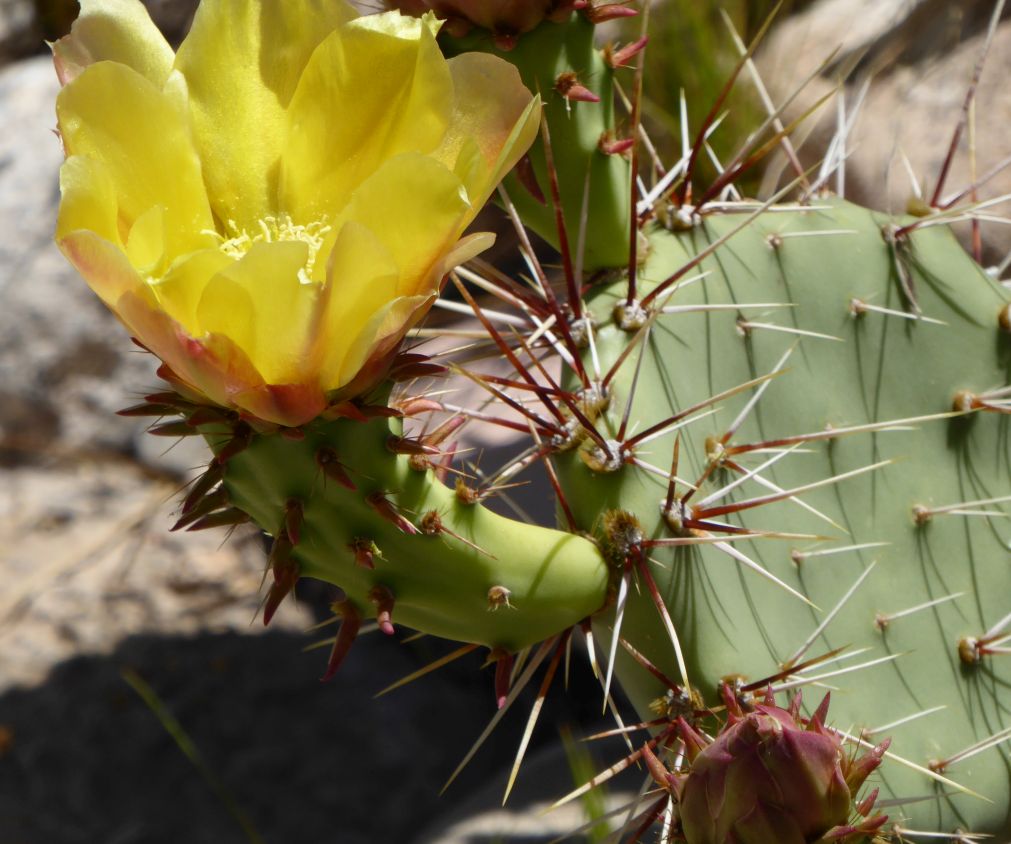 Opuntia covillei, Nancy Hussey