Engelmann & J. M. Bigelow, Proceedings of the American Academy of Arts and Sciences 3: 292, 1856/1857
Syntype; Painting (Smithsonian Institution); Holotype (Opuntia magnarenensis); Lectotype (Opuntia magnarenensis); Drawing (The Botany of the Expedition, 1856, plate VII)
Original Citation (O. angustata)
Original Citation (O. magnarenensis)
What is Opuntia angustata?
Opuntia angustata is a provisionally treated, poorly understood prickly-pear reported from northwestern Arizona with extensions into adjacent Nevada and California. The original description emphasized narrow cladodes, and the name has been associated with plants showing that trait. Some authors and historical materials connect it with O. magnarenensis; treatment here follows the site’s current, provisional concept pending further study.
Details
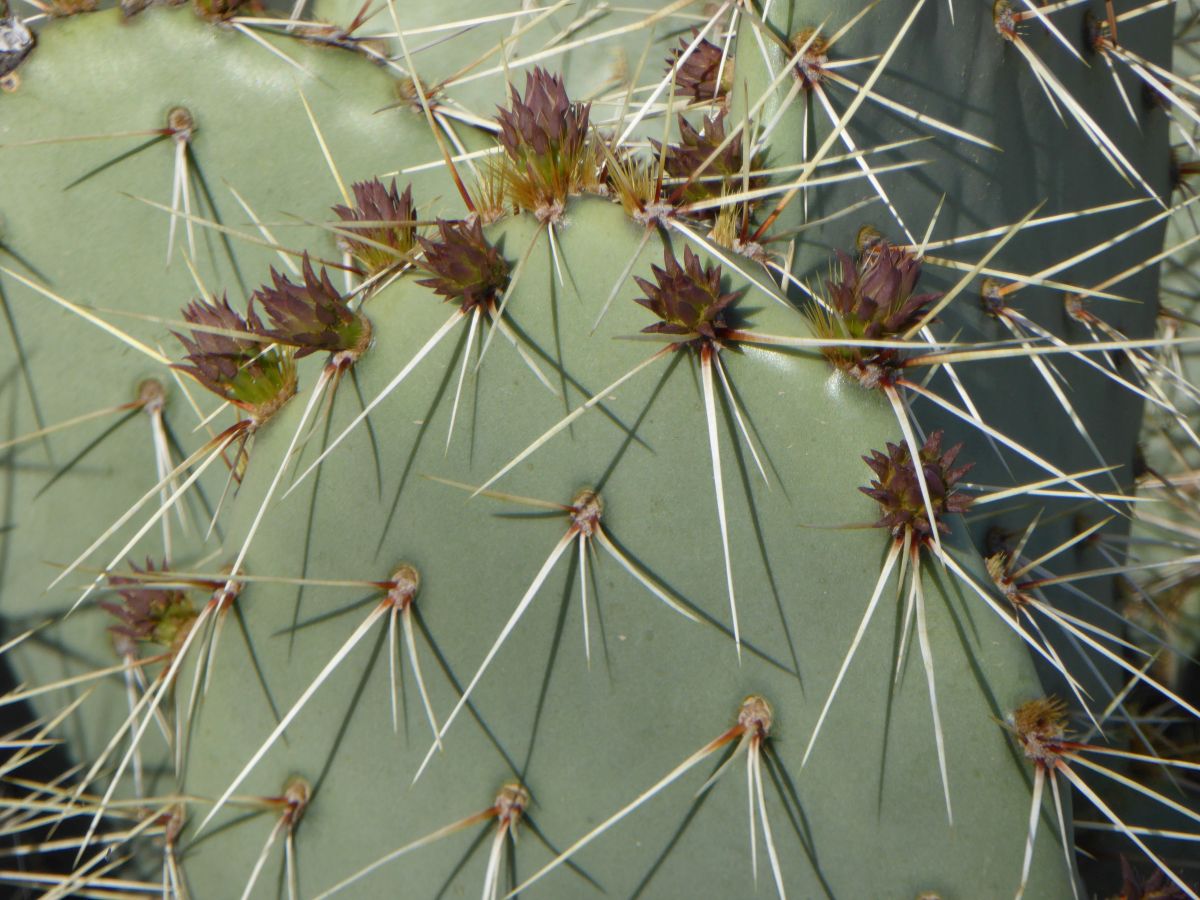
Shrub: Medium, somewhat woody/stiff plants; in overall stature smaller than O. engelmannii yet larger and woodier than O. phaeacantha. Cladodes: Narrow relative to typical members of the complex (the “angustate” look), often appearing obovate-elliptic; degree of narrowness varies among plants. Areoles: Typically with 2–4 spines per areole that sweep downward; spines are often long and chalky white, aging pale. Glochids: Present at the areoles (as in other Opuntia). Flowers: Yellow. Fruits: Not yet characterized on this page. Additional notes: Plants photographed for this concept retain a noticeably stiffer, woodier look than nearby O. phaeacantha.
Cytology
Ploidy unknown.
Range & Habitat
Reported from northwestern Arizona with records extending into adjacent Nevada and California; historical notes place the type at the bottoms of the Bill Williams River (AZ). Field images on this page document plants near Congress, the Hualapai Mountains, Kingman, and near Superior (AZ). Habitat details are limited here and remain to be clarified.
Similar or Sympatric Species
O. engelmannii — Taller, generally more massive shrubs; angustata is smaller overall but can show a related look.
O. phaeacantha — Usually less woody/stiff; angustata appears larger and woodier by comparison, with longer, downward-sweeping spines.
O. riparia — Very similar expression; the two may represent the same taxon. Riparia is noted farther south (e.g., near Tucson), whereas angustata is centered farther northwest in Arizona.
Other Notes
Historical sources place the type in the Bill Williams River bottoms and emphasize narrow cladodes; plants matching that idea occur in the photographs here. The name has been linked to O. magnarenensis (from near Wikieup, AZ), which does not always show especially narrow pads, and to O. riparia, which is very similar and may be conspecific. Additional work is needed to settle the limits of O. angustata as presented here.
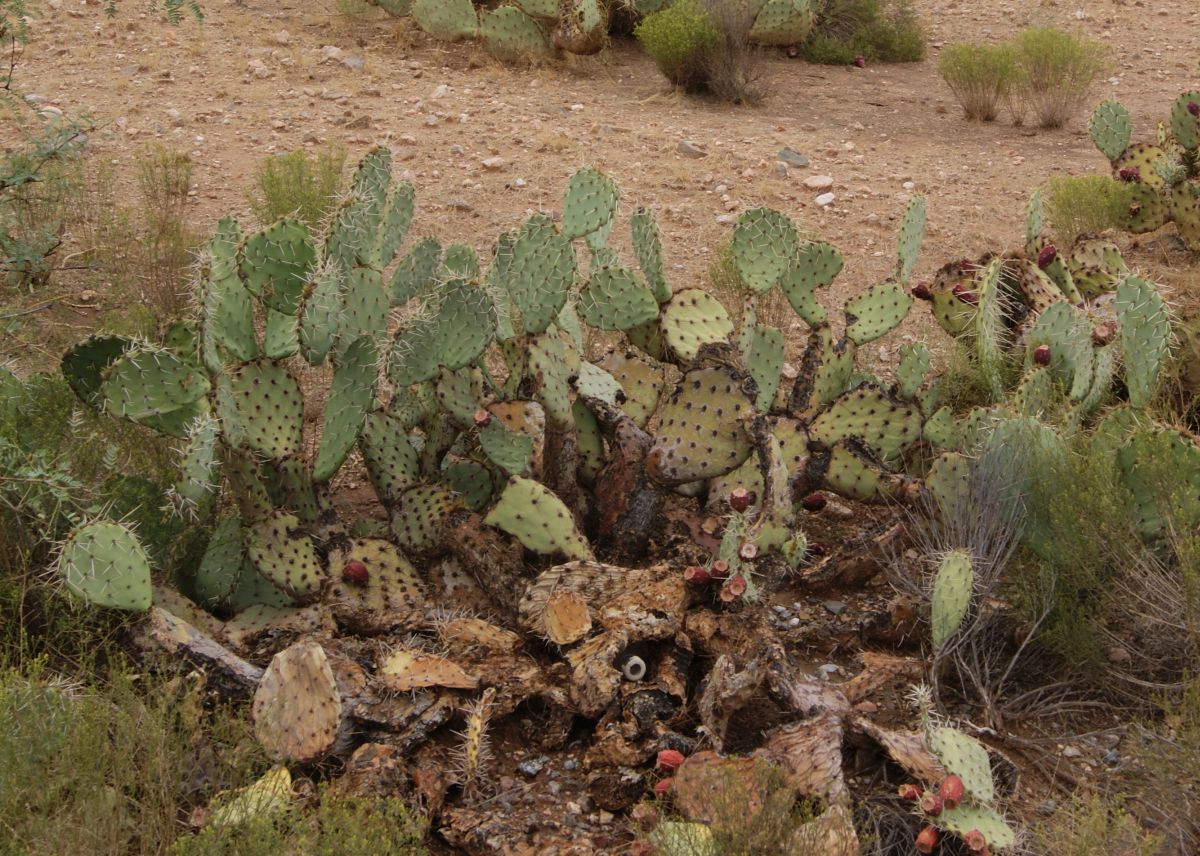 Opuntia angustata, Congress, AZ
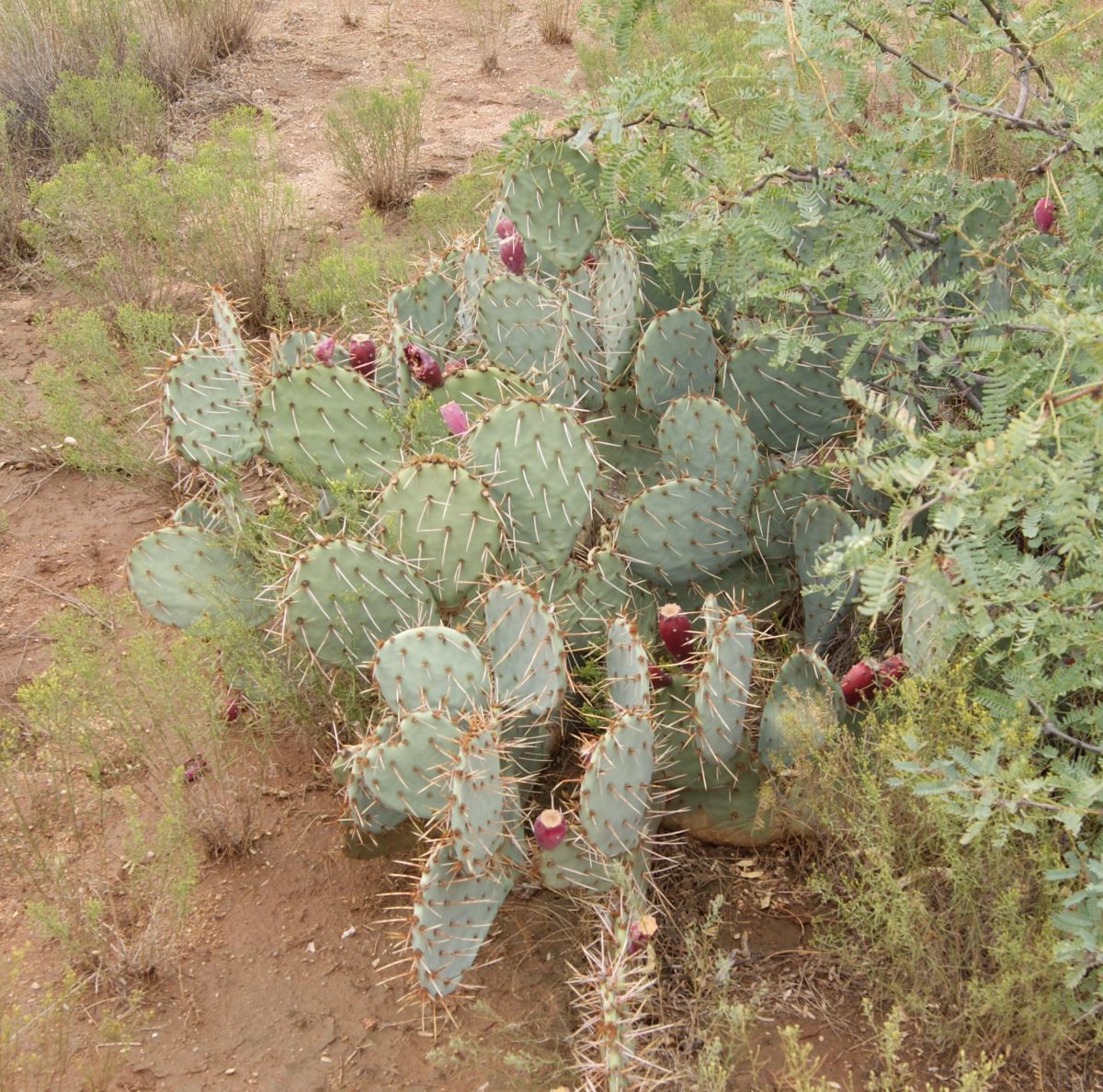 Opuntia angustata, Congress, AZ
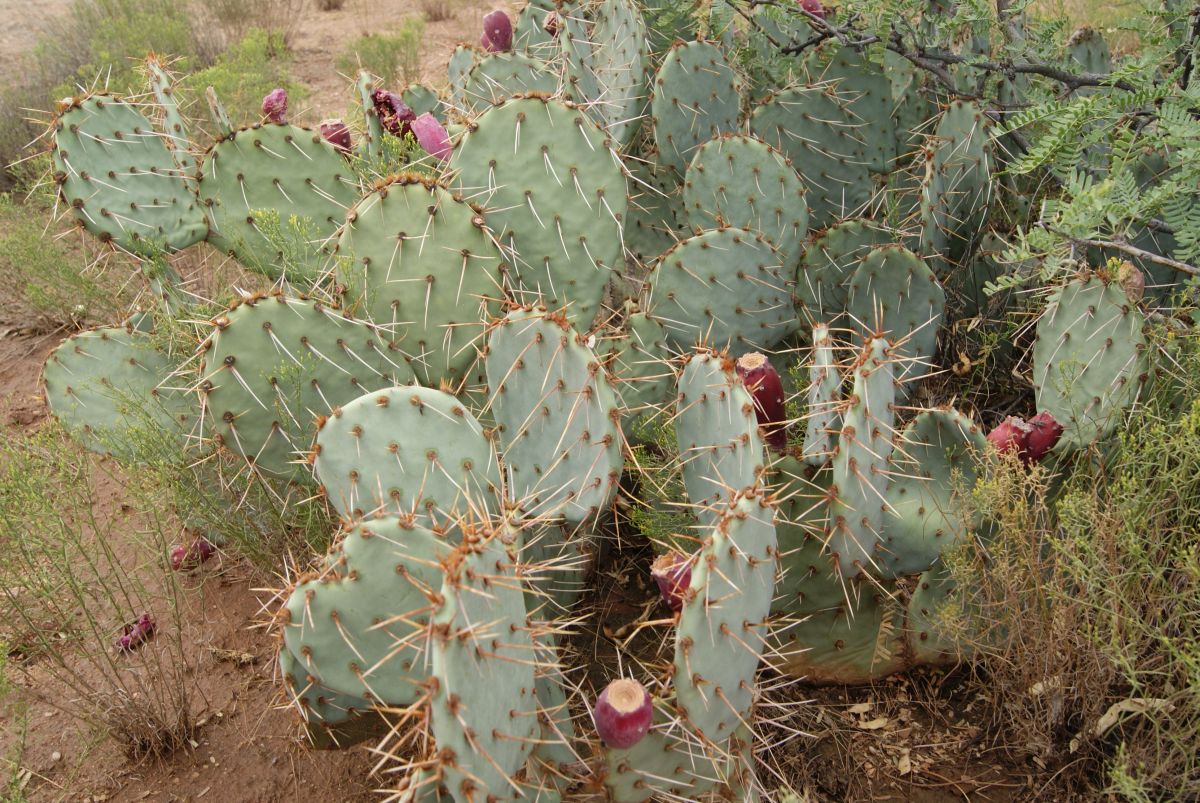 Opuntia angustata, Congress, AZ
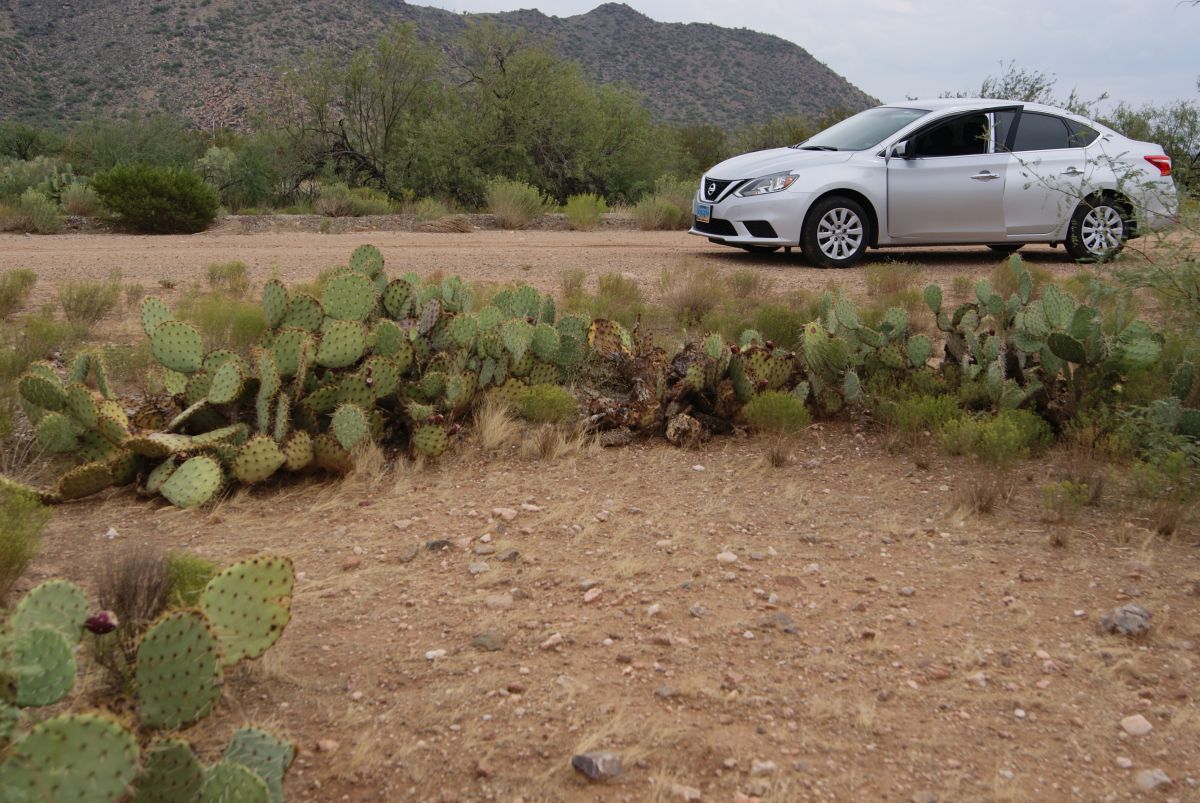 Opuntia angustata, Congress, AZ
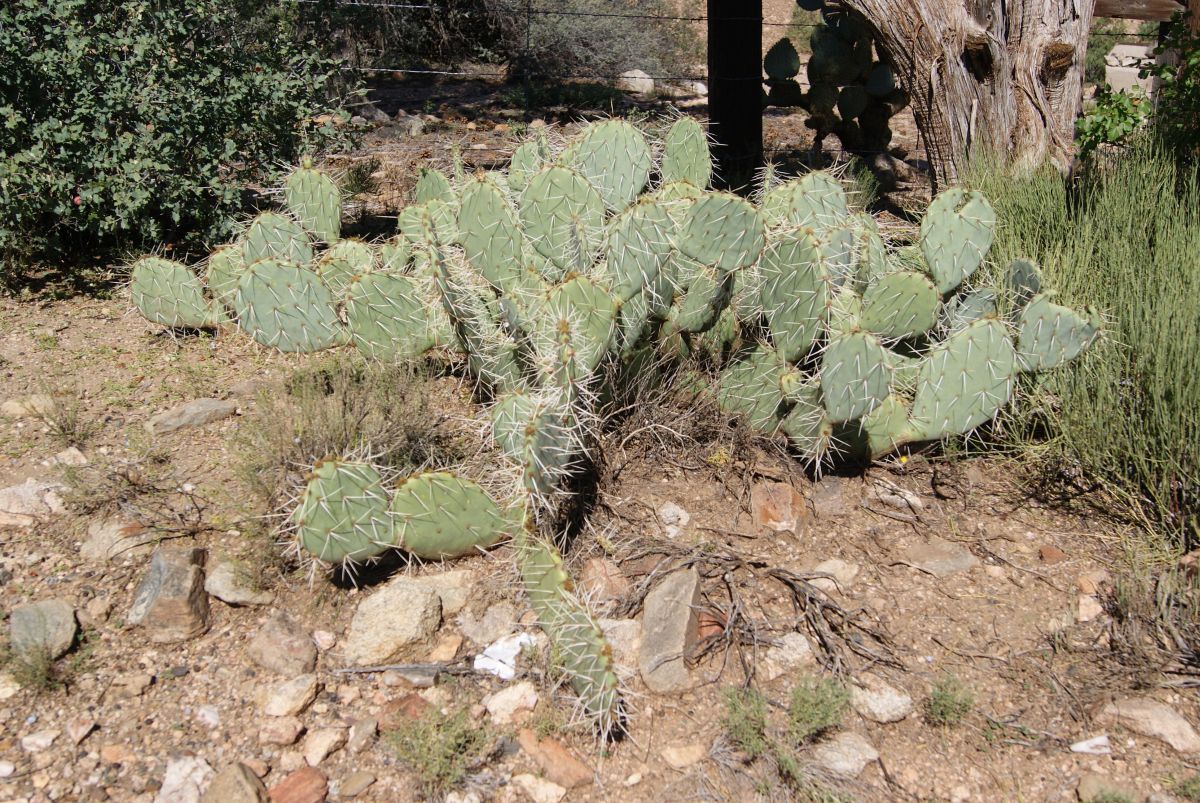 Opuntia angustata, Congress, AZ
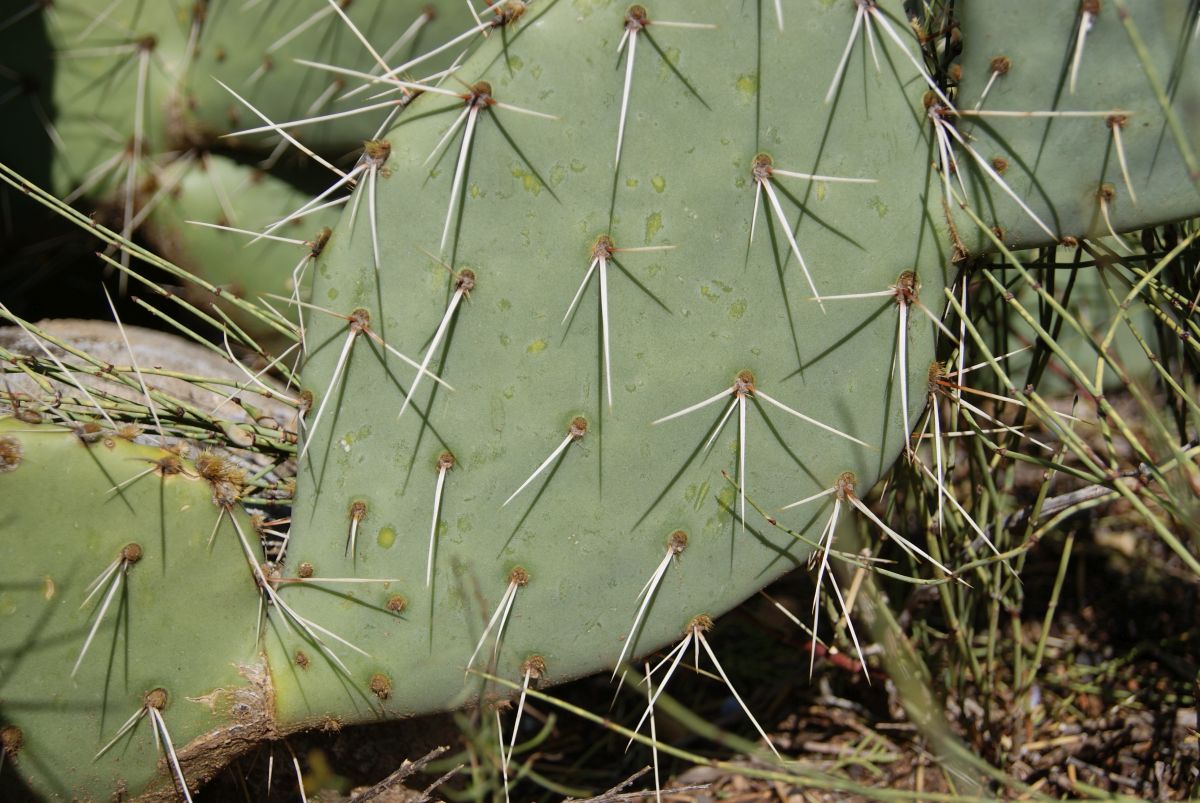 Opuntia angustata, Congress, AZ
 Opuntia angustata, Congress, AZ
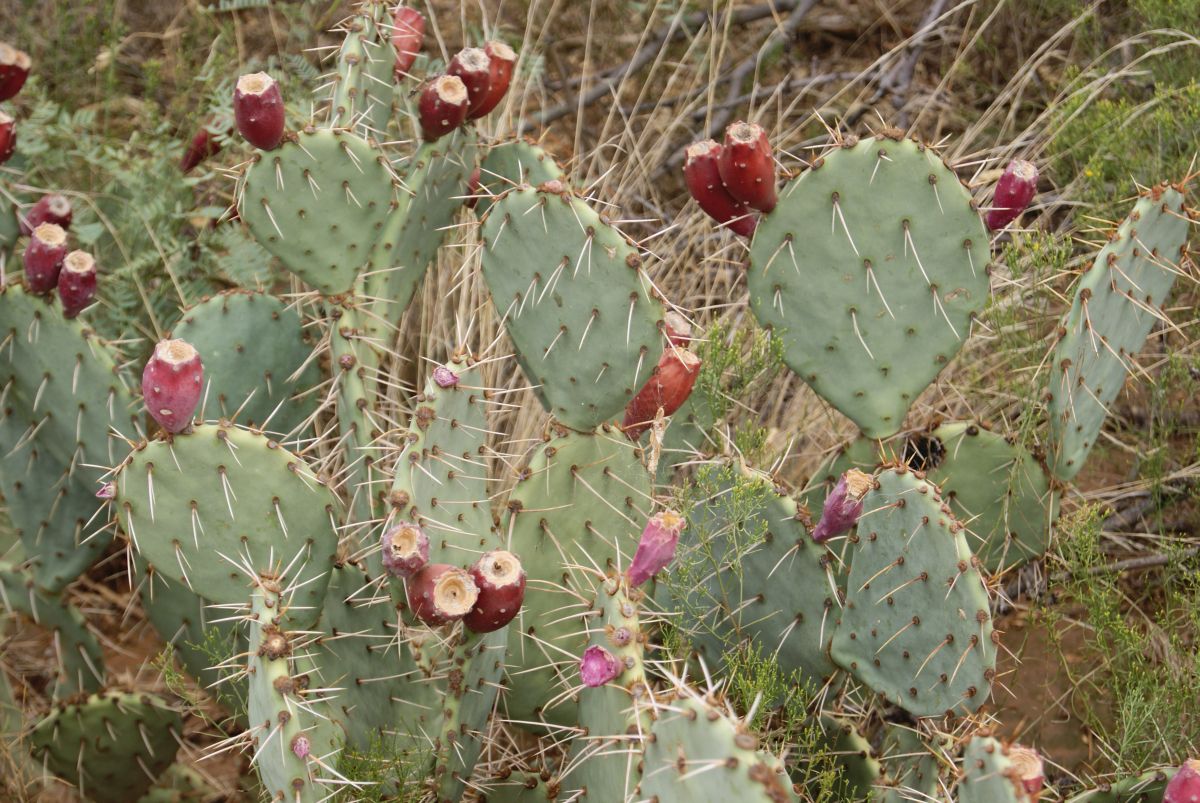 Opuntia angustata, Congress, AZ
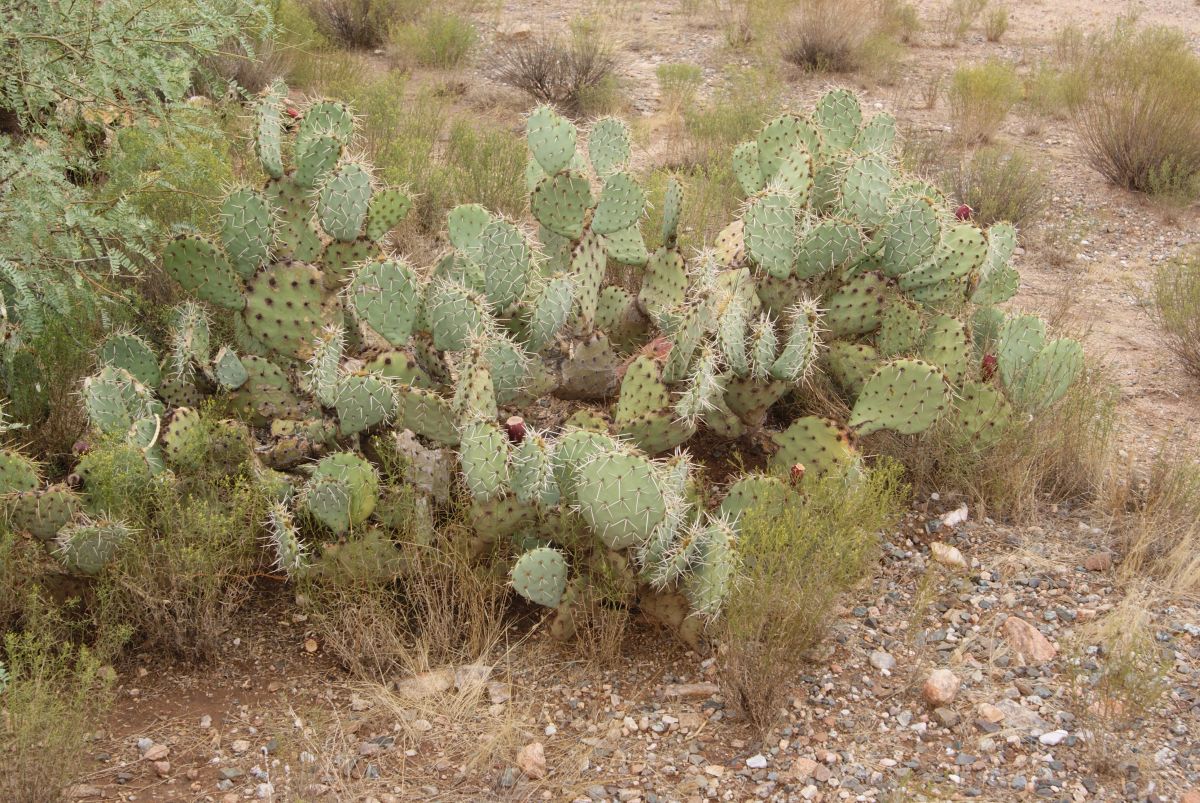 Opuntia angustata, Congress, AZ
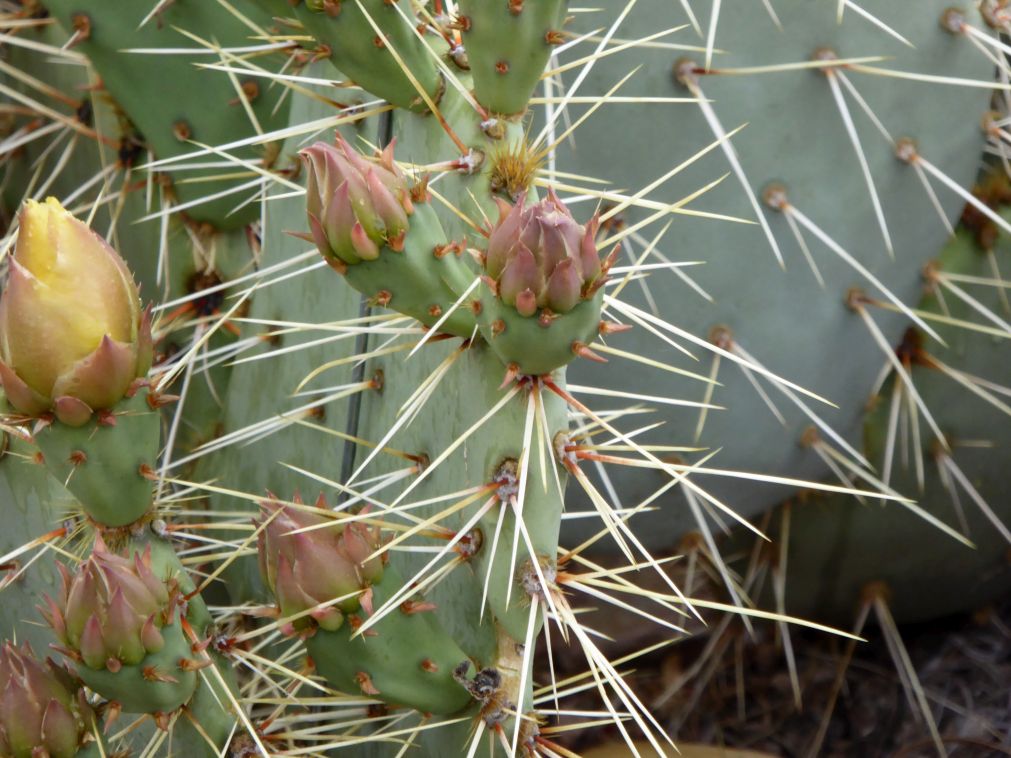 Opuntia angustata, flower buds, Nancy Hussey
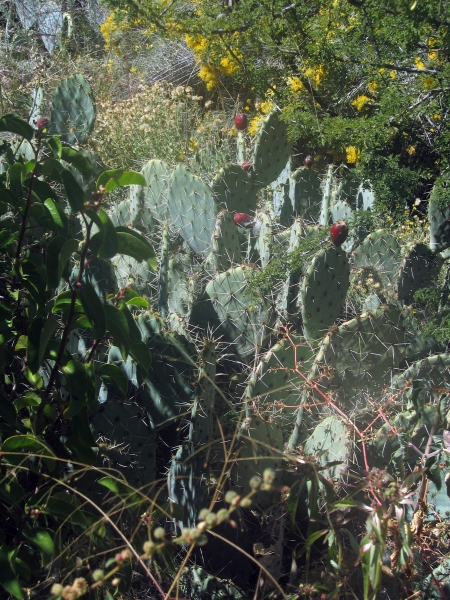 Opuntia angustata, garden plant
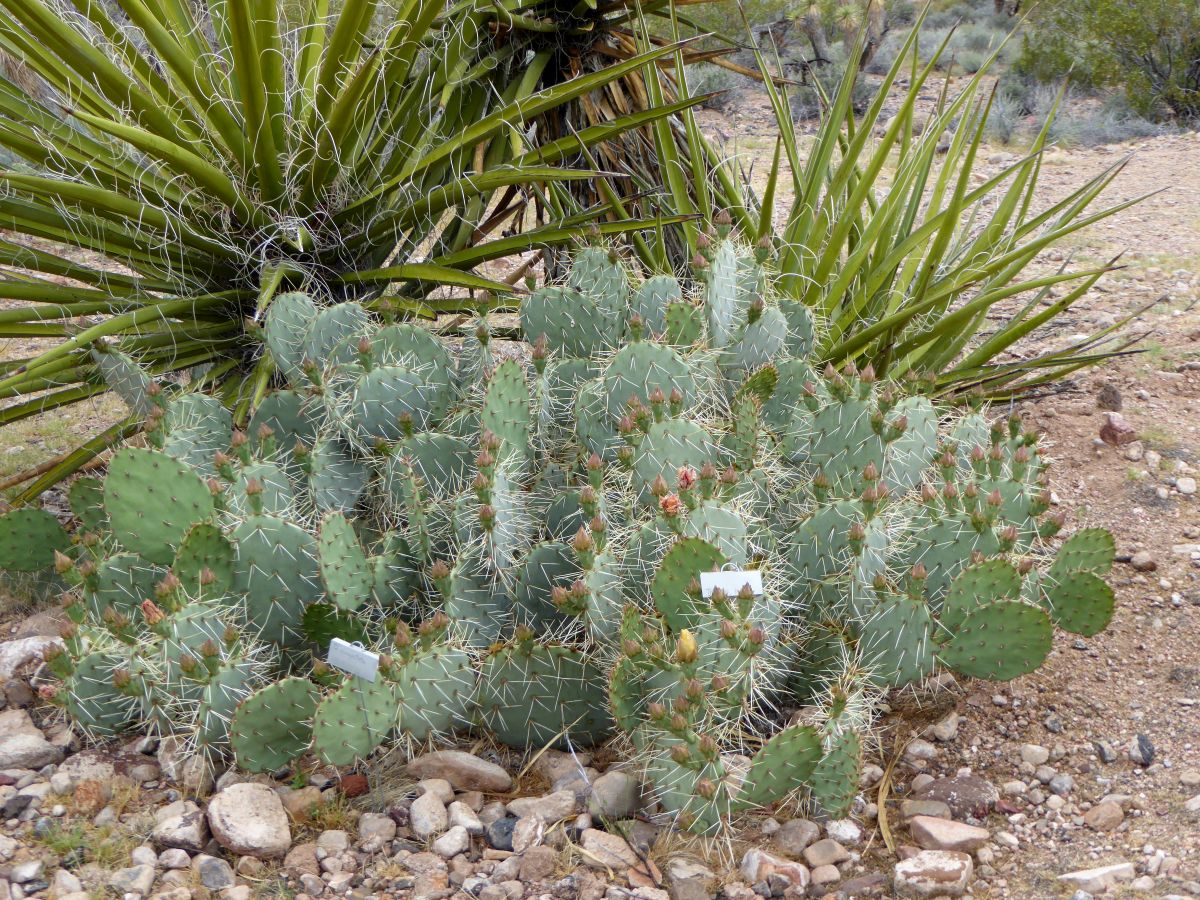 Opuntia angustata, garden plant, Nancy Hussey
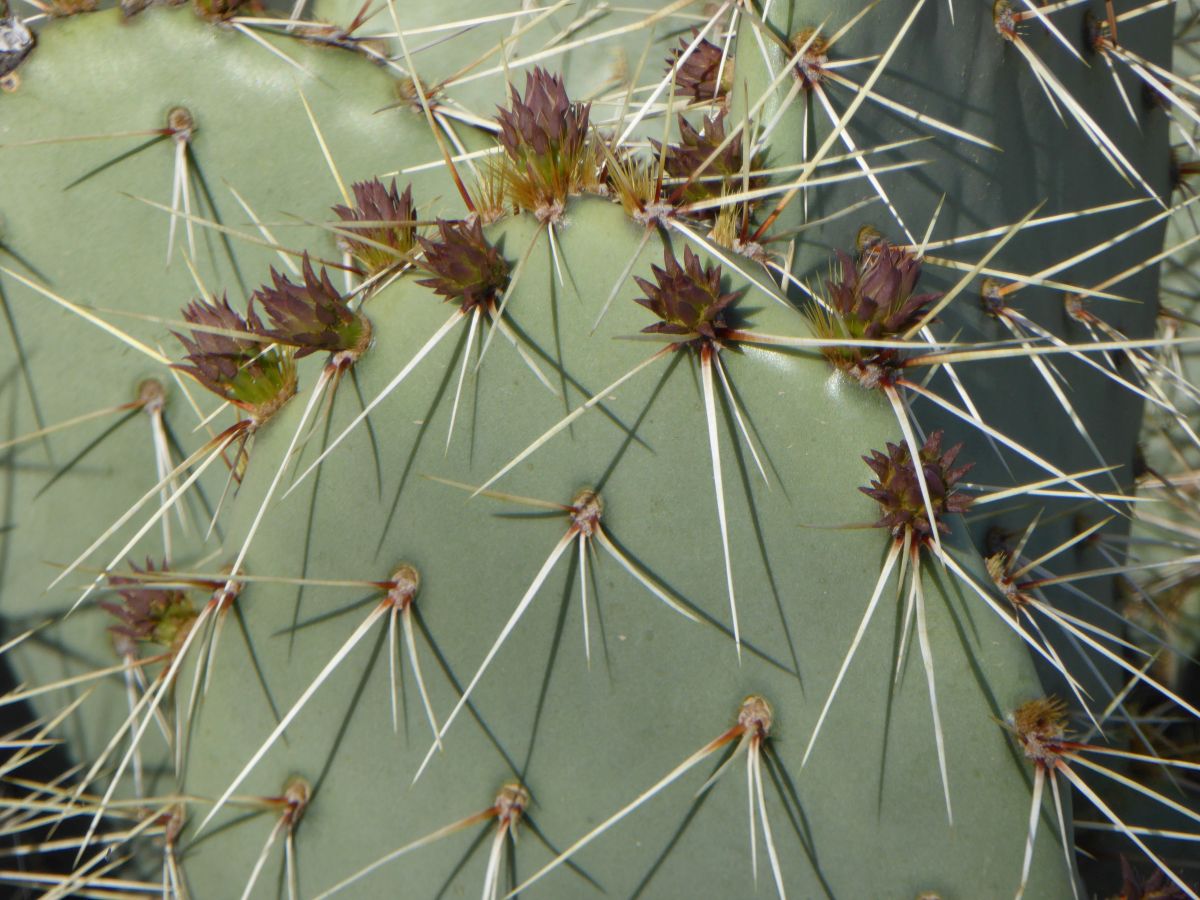 Opuntia angustata, garden plant, Nancy Hussey
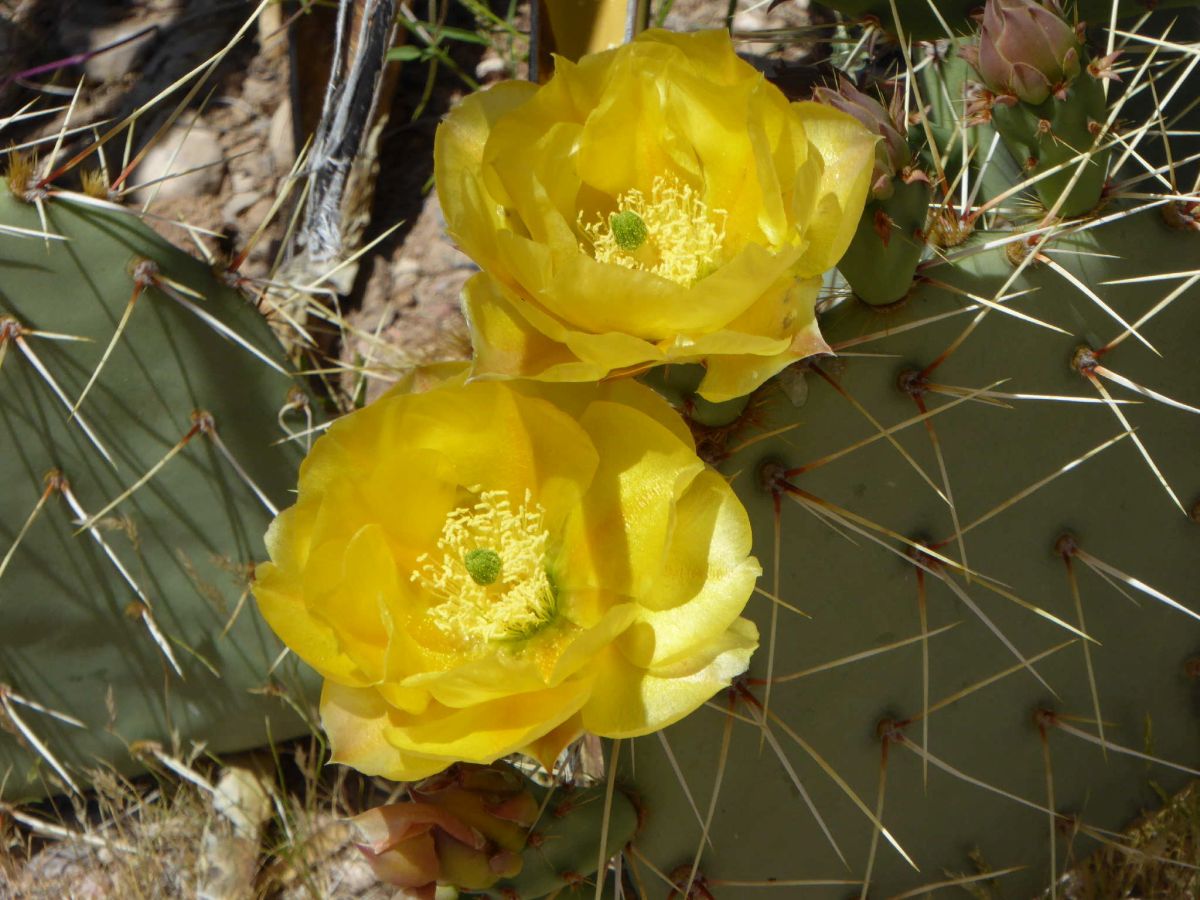 Opuntia angustata, garden plant, Nancy Hussey
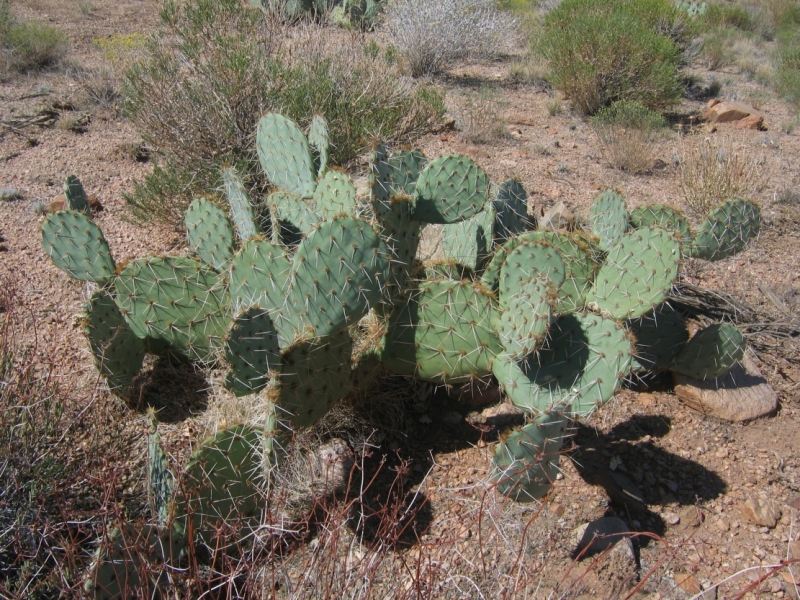 Opuntia angustata, Hualapai Mts, AZ
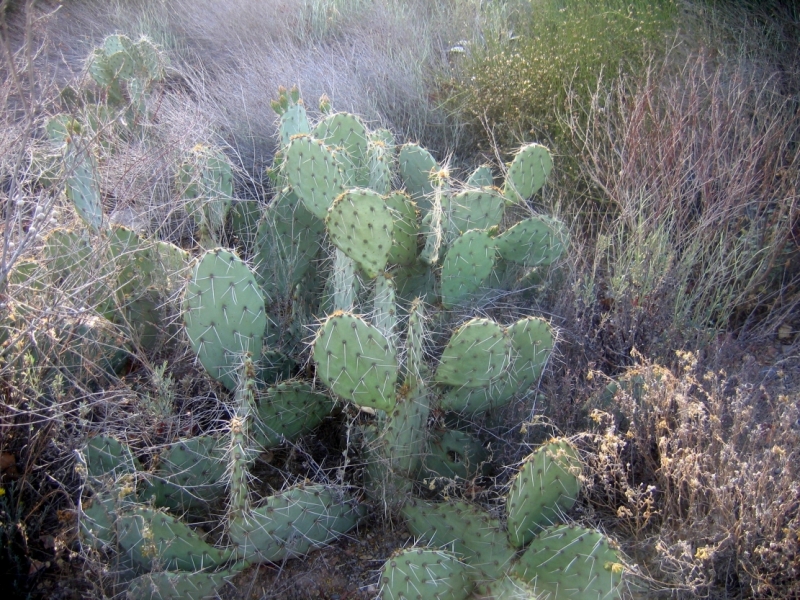 Opuntia angustata, Kingman, AZ
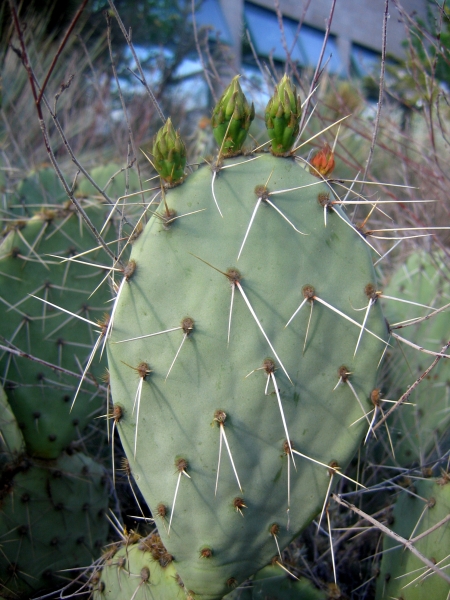 Opuntia angustata, Kingman, AZ
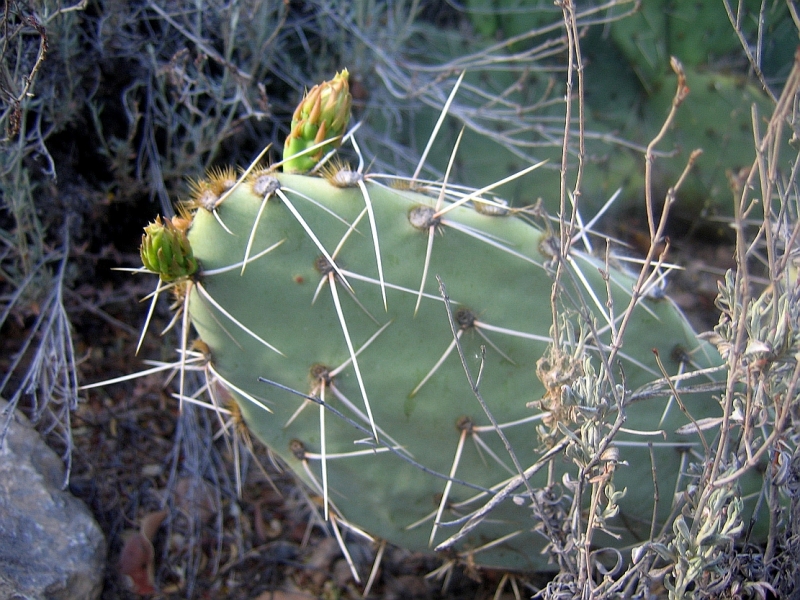 Opuntia angustata, Kingman, AZ
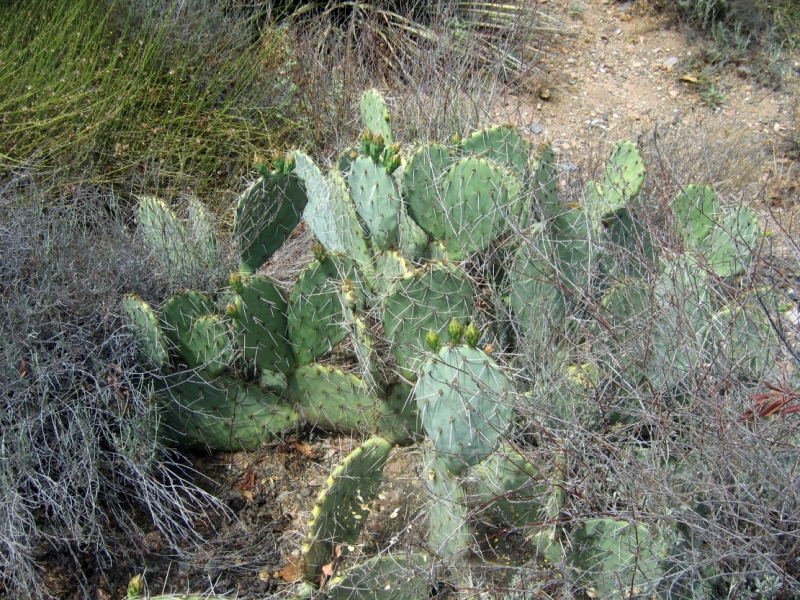 Opuntia angustata, Kingman, AZ
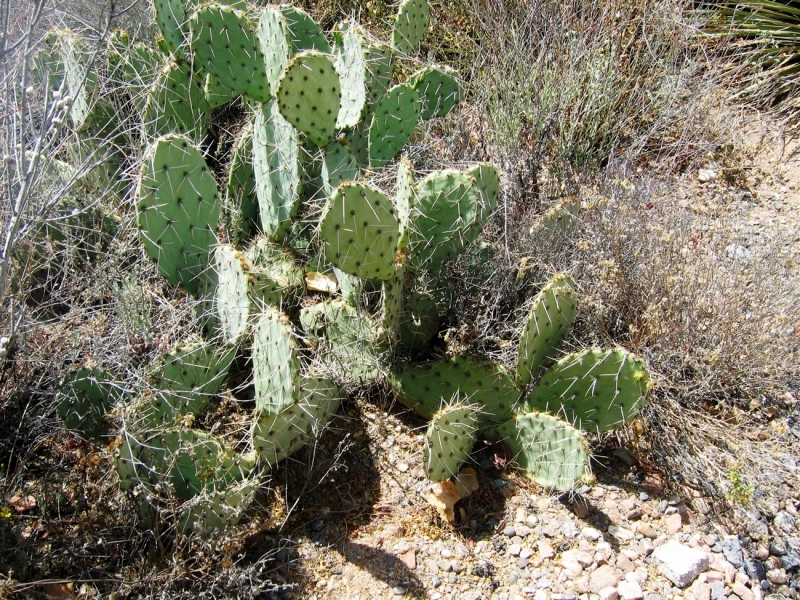 Opuntia angustata, Kingman, AZ
 Opuntia angustata, Kingman, AZ
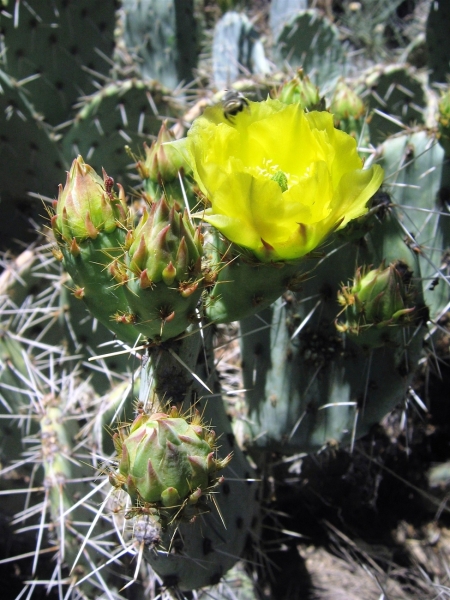 Opuntia angustata, Kingman, AZ
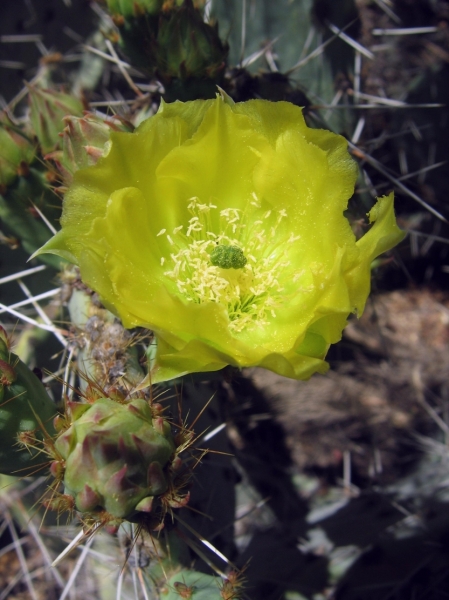 Opuntia angustata, Kingman, AZ
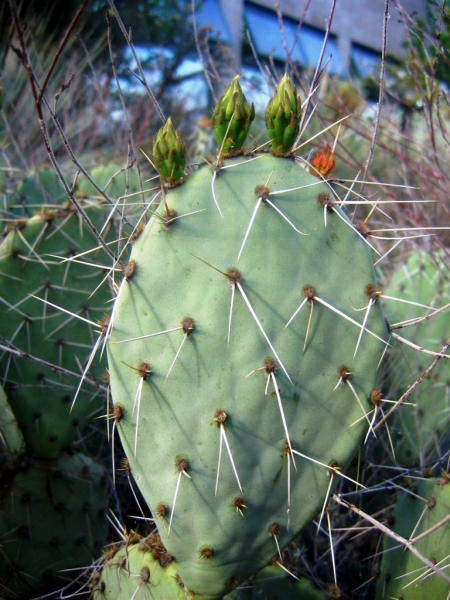 Opuntia angustata, Kingman, AZ
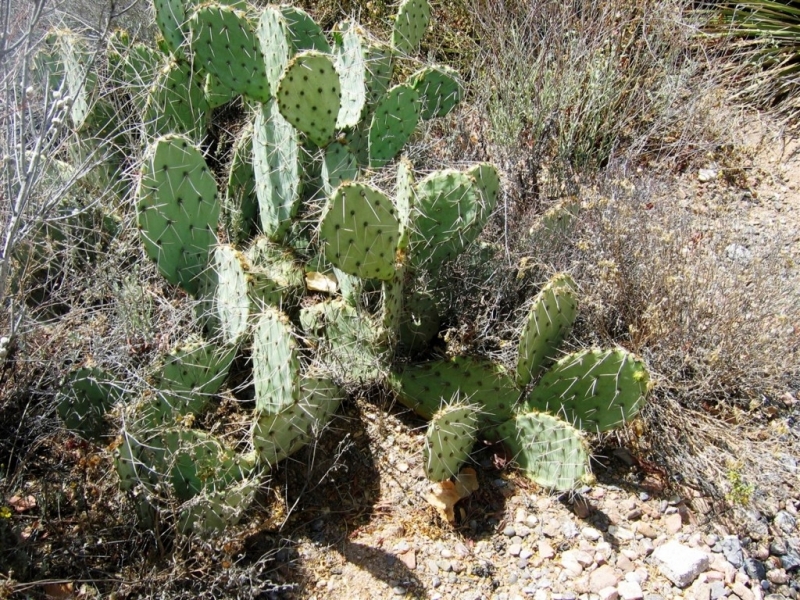 Opuntia angustata, Kingman, AZ
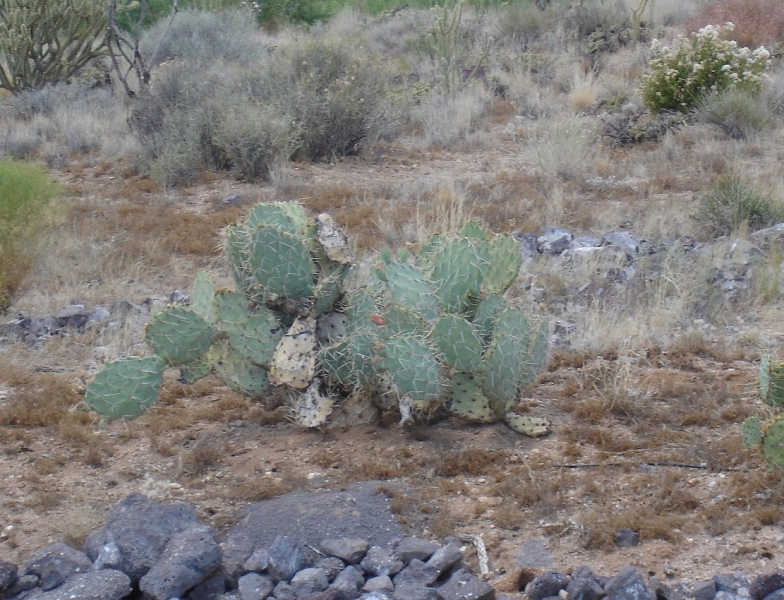 Opuntia angustata, Kingman, AZ
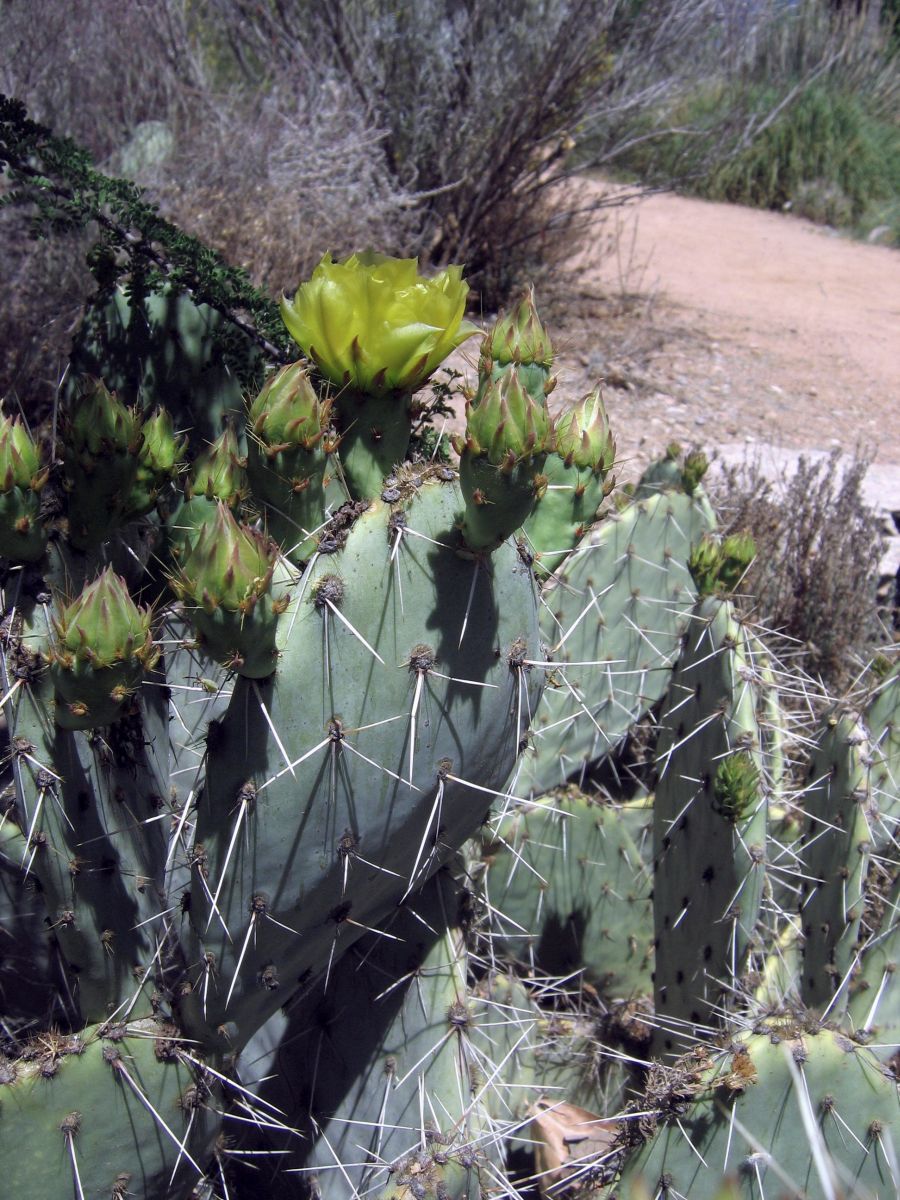 Opuntia angustata, Kingman, AZ
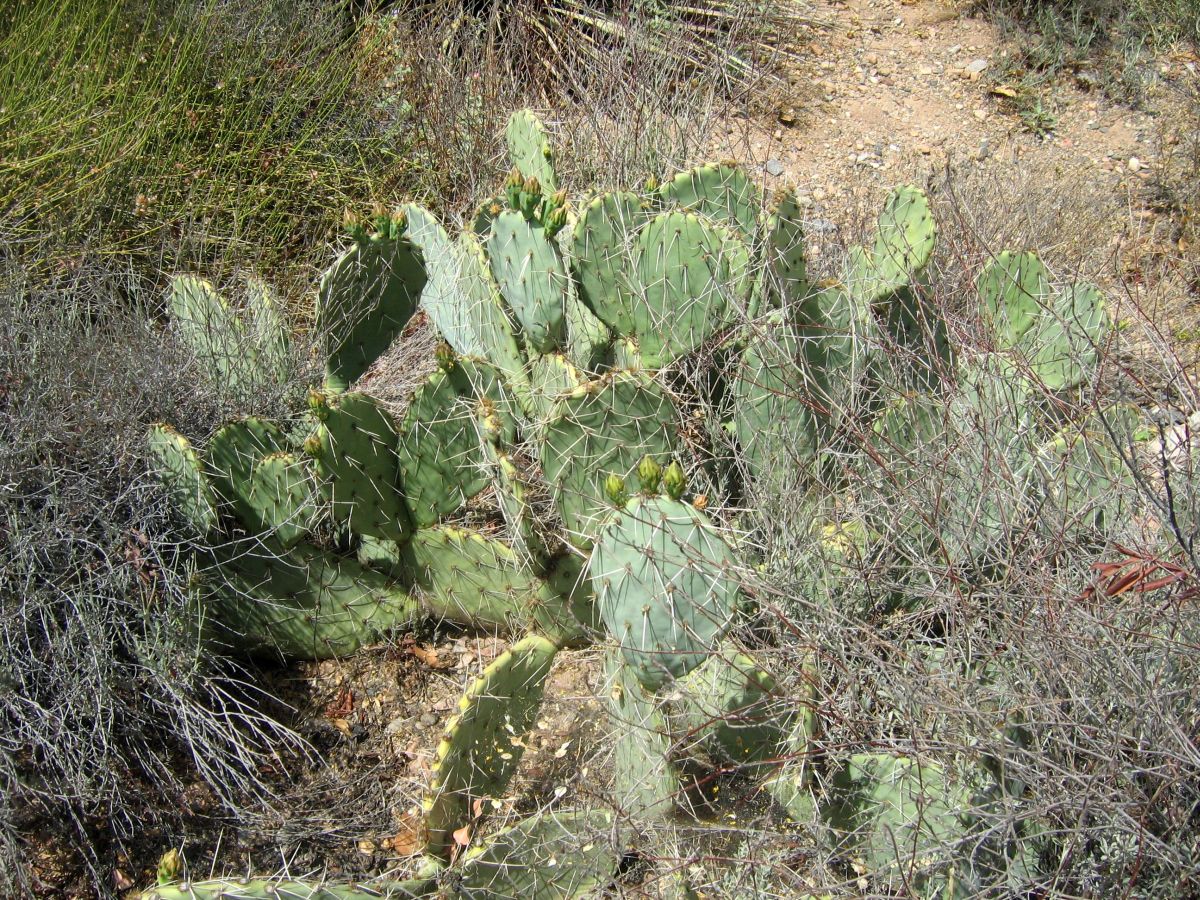 Opuntia angustata, Kingman, AZ
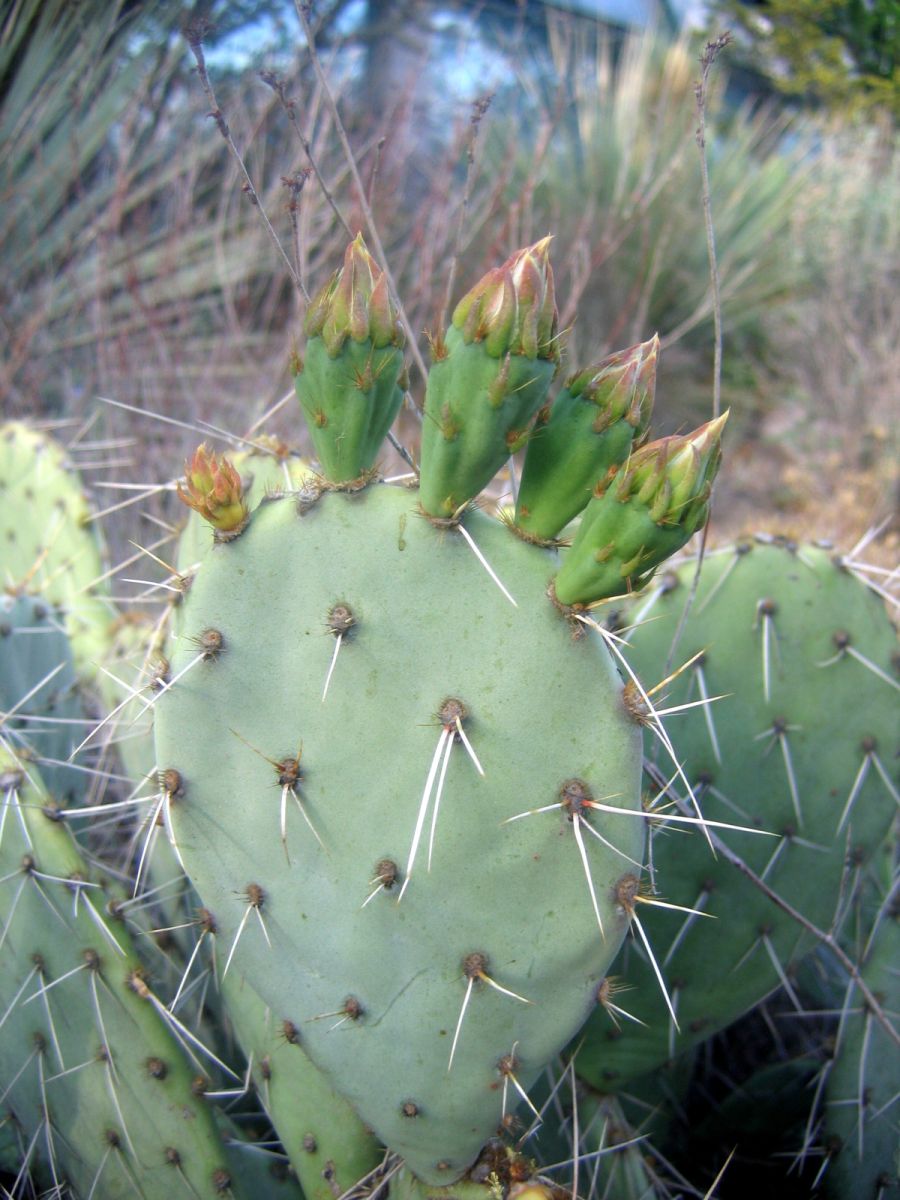 Opuntia angustata, Kingman, AZ
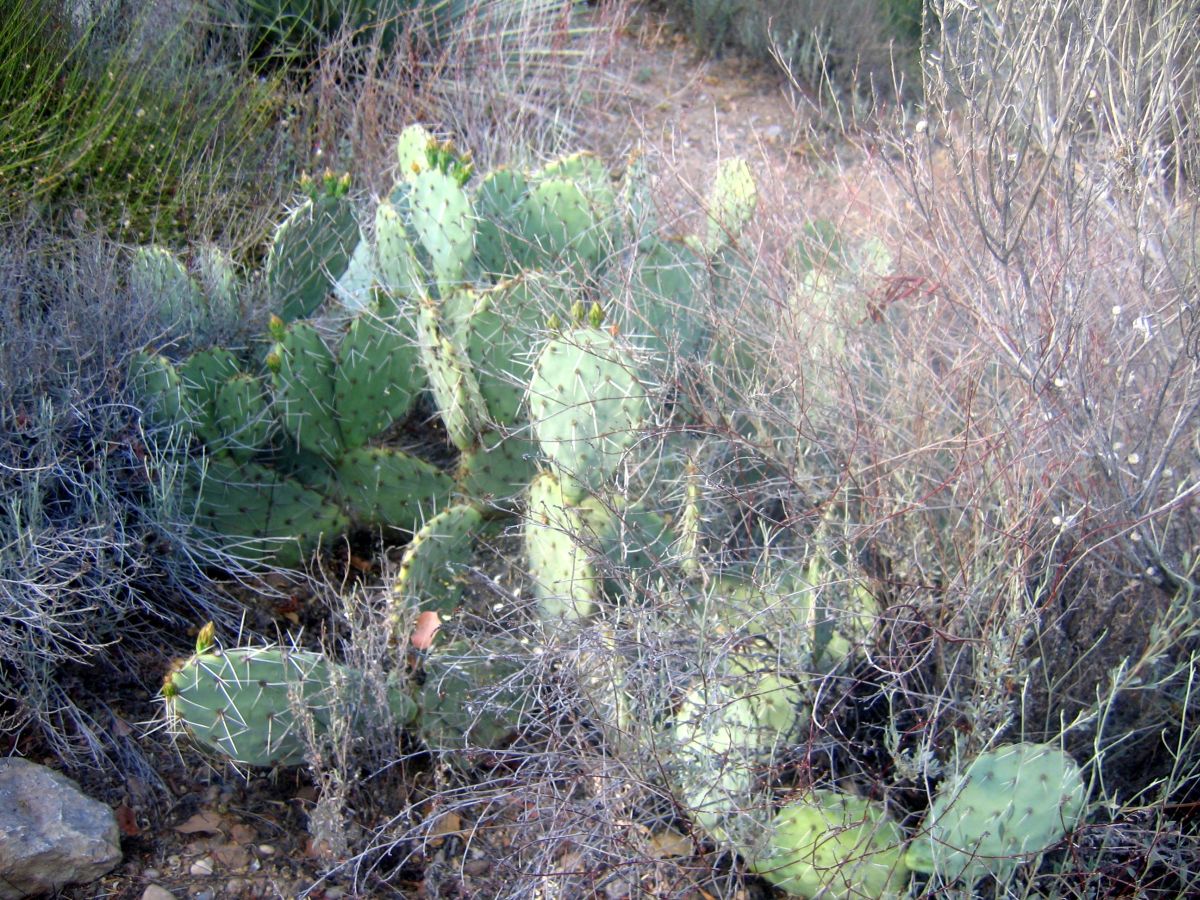 Opuntia angustata, Kingman, AZ
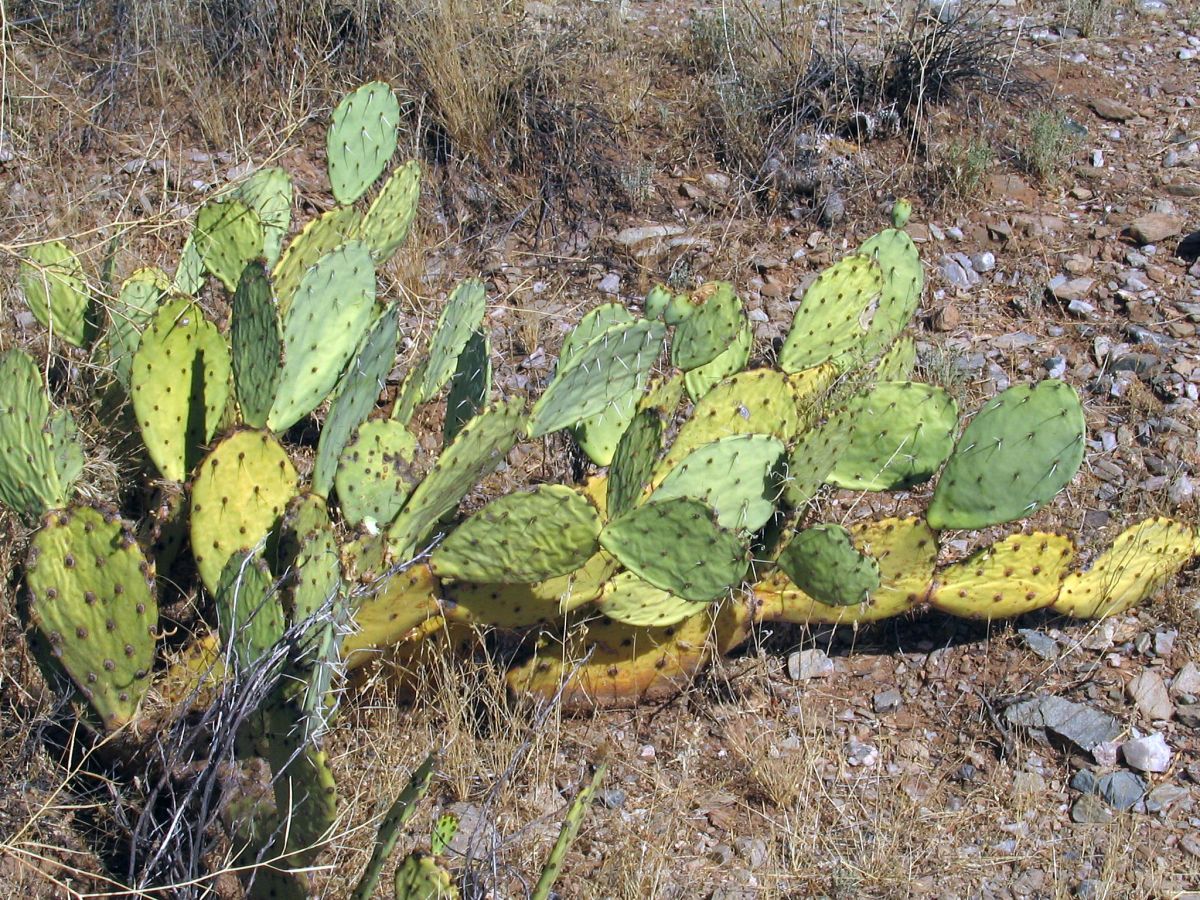 Opuntia angustata, near Superior, AZ
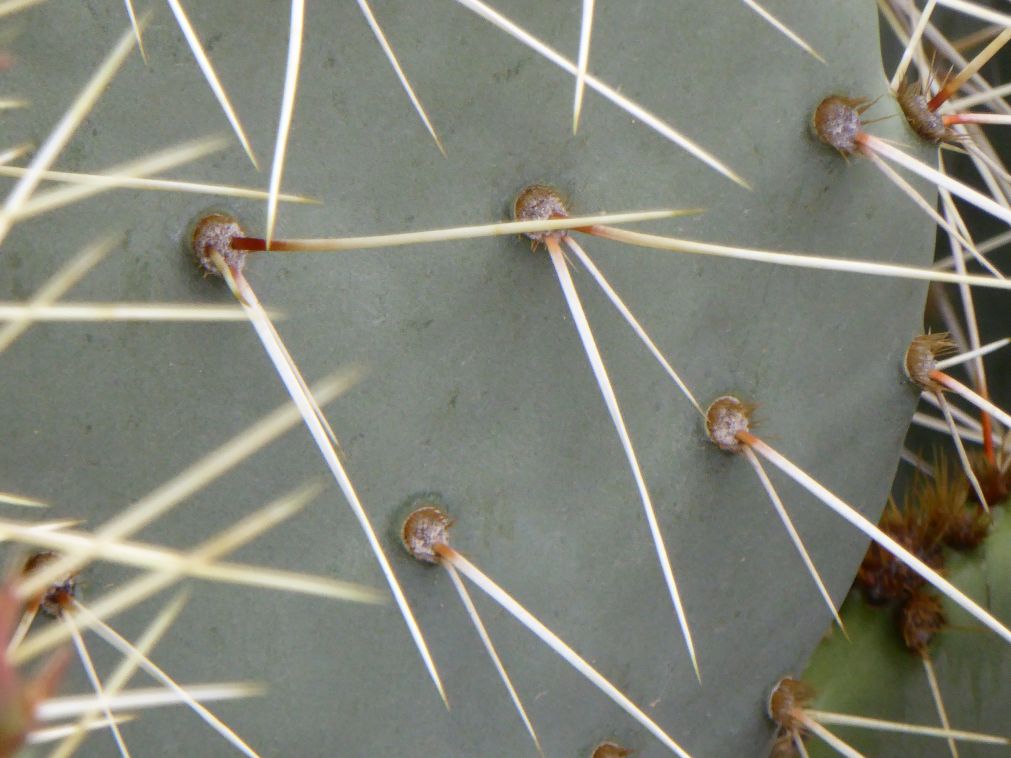 Opuntia angustata, spines, Nancy Hussey