Engelmann & Bigelow, Proceedings of the American Academy of Arts and Sciences 3: 293, 1856
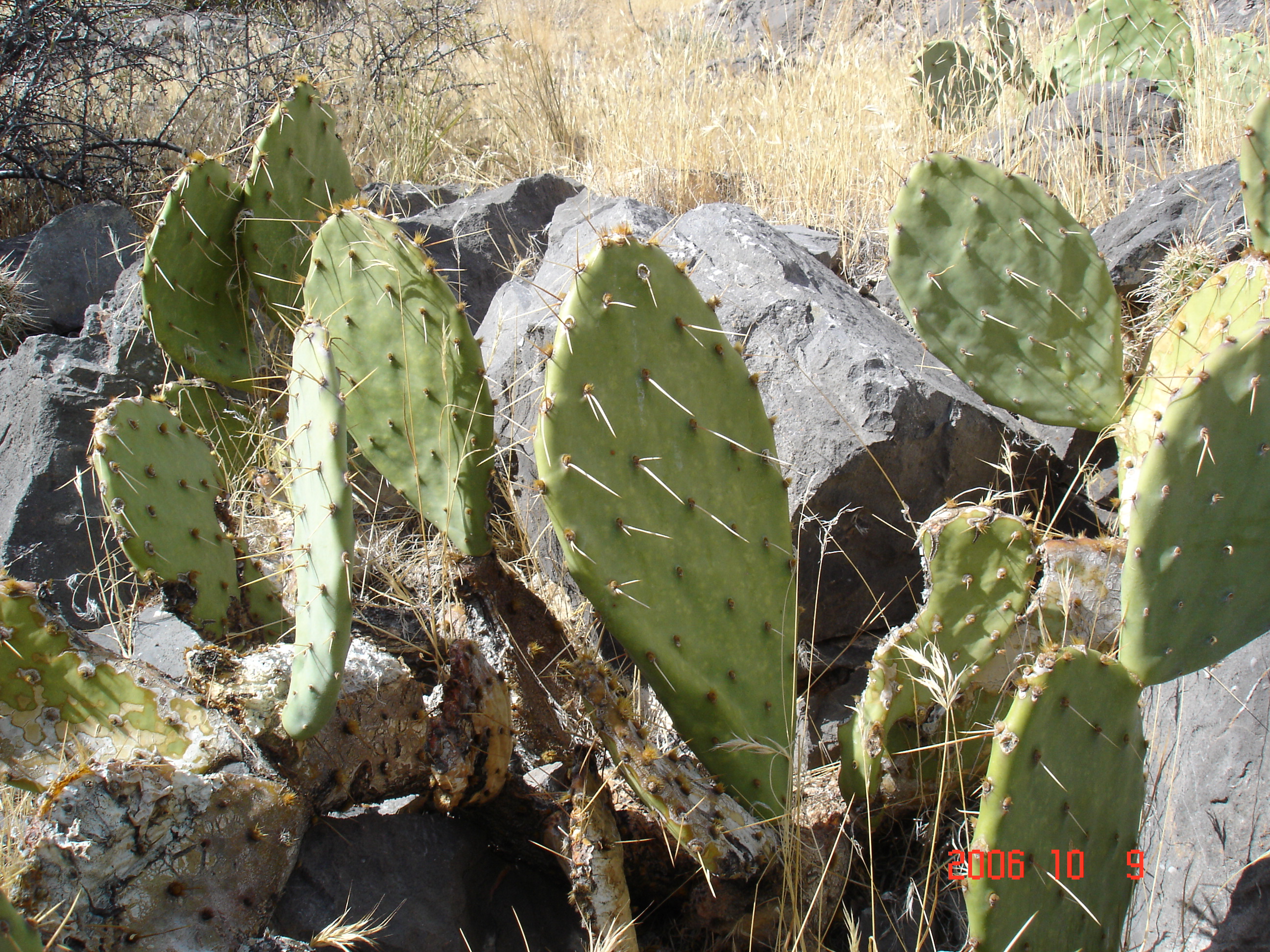
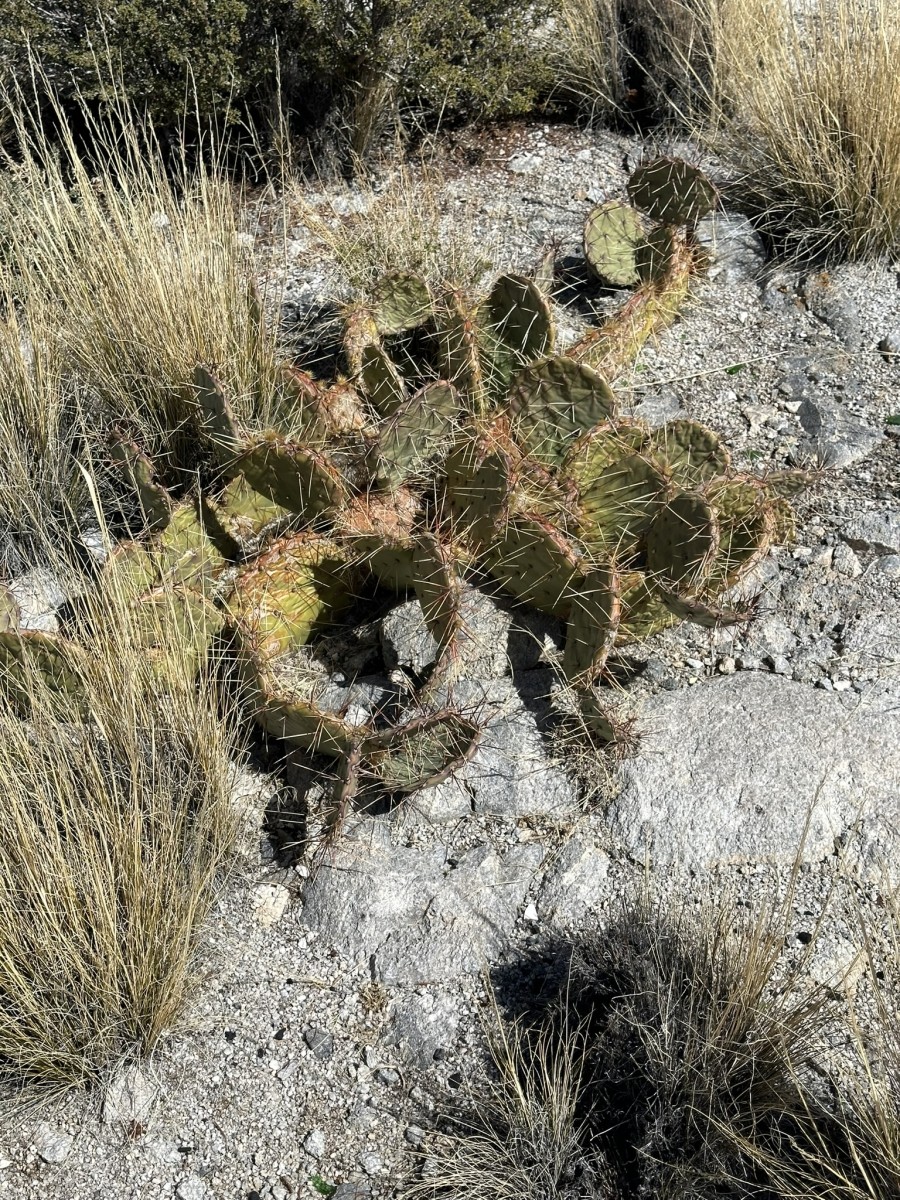
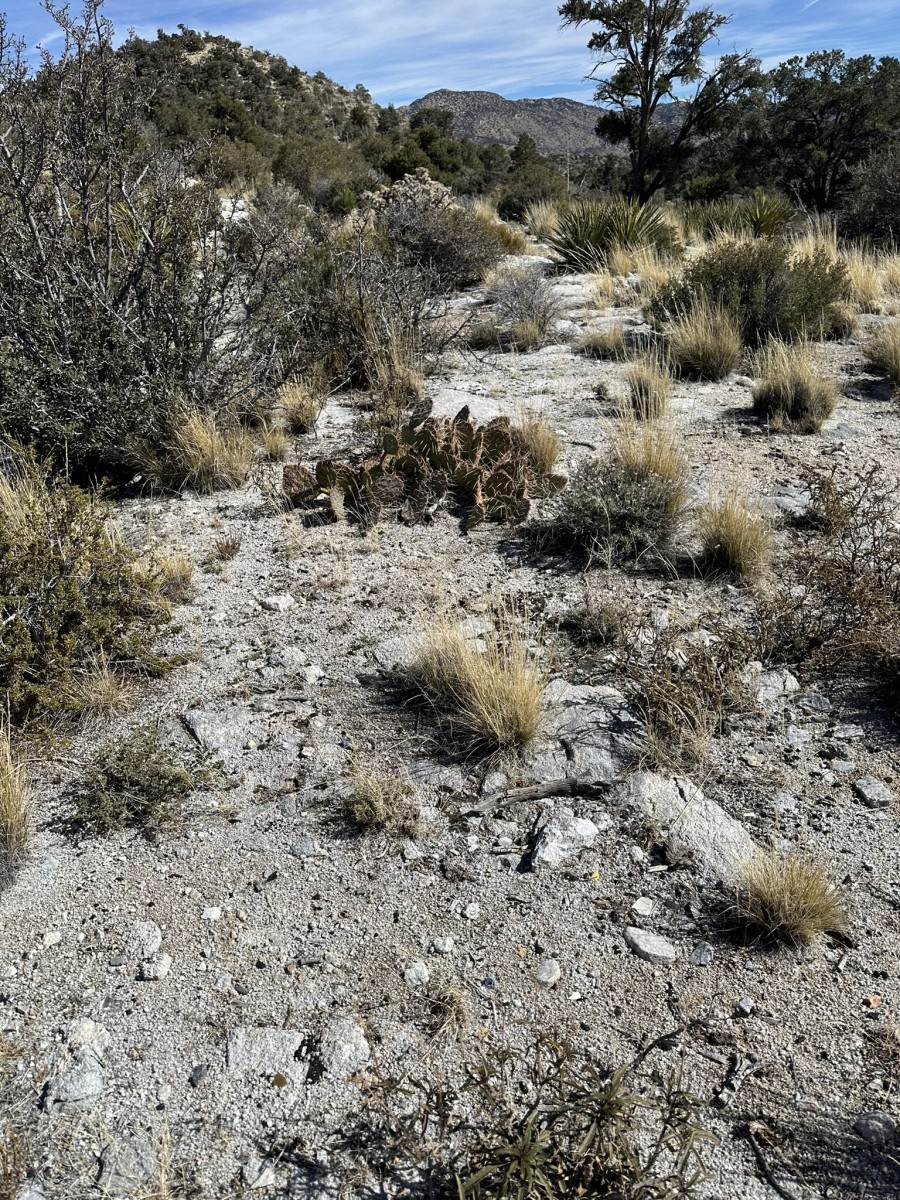
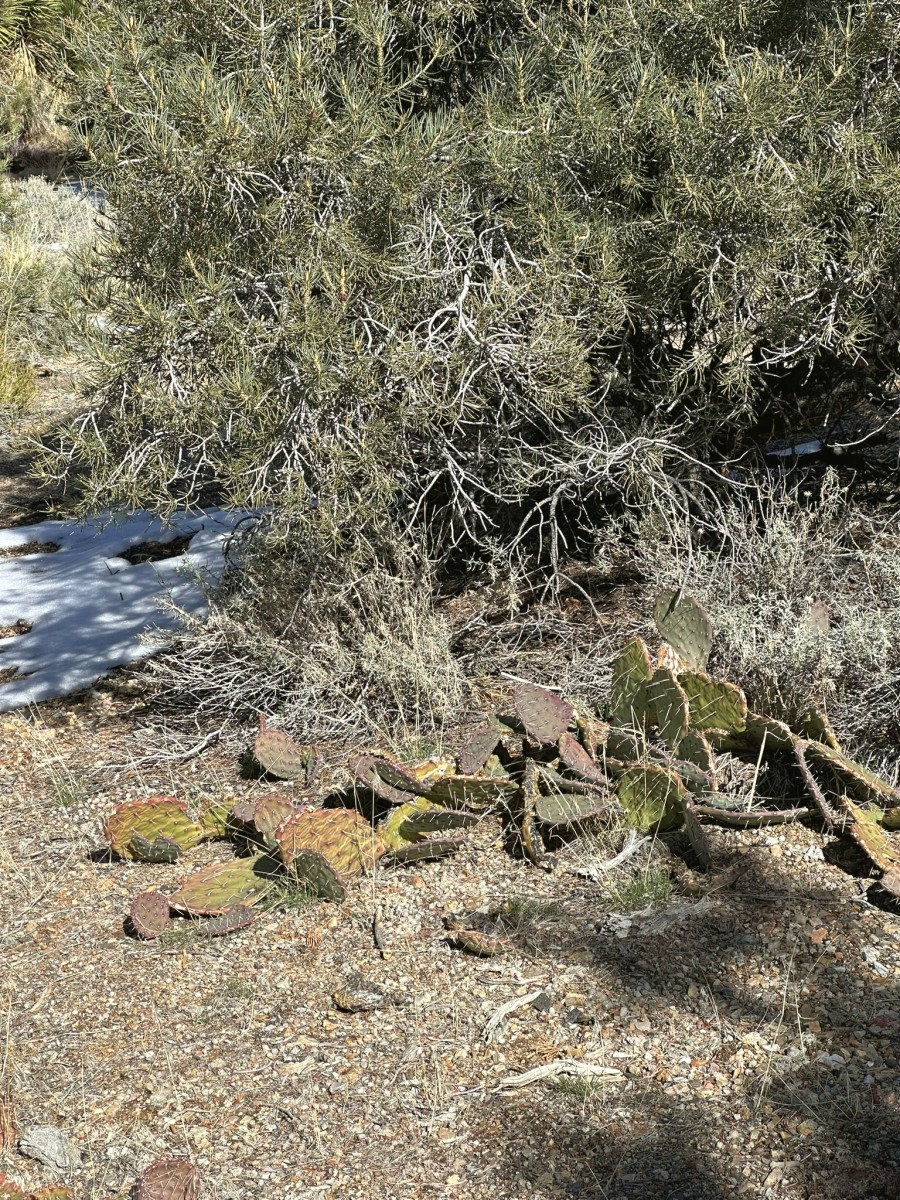
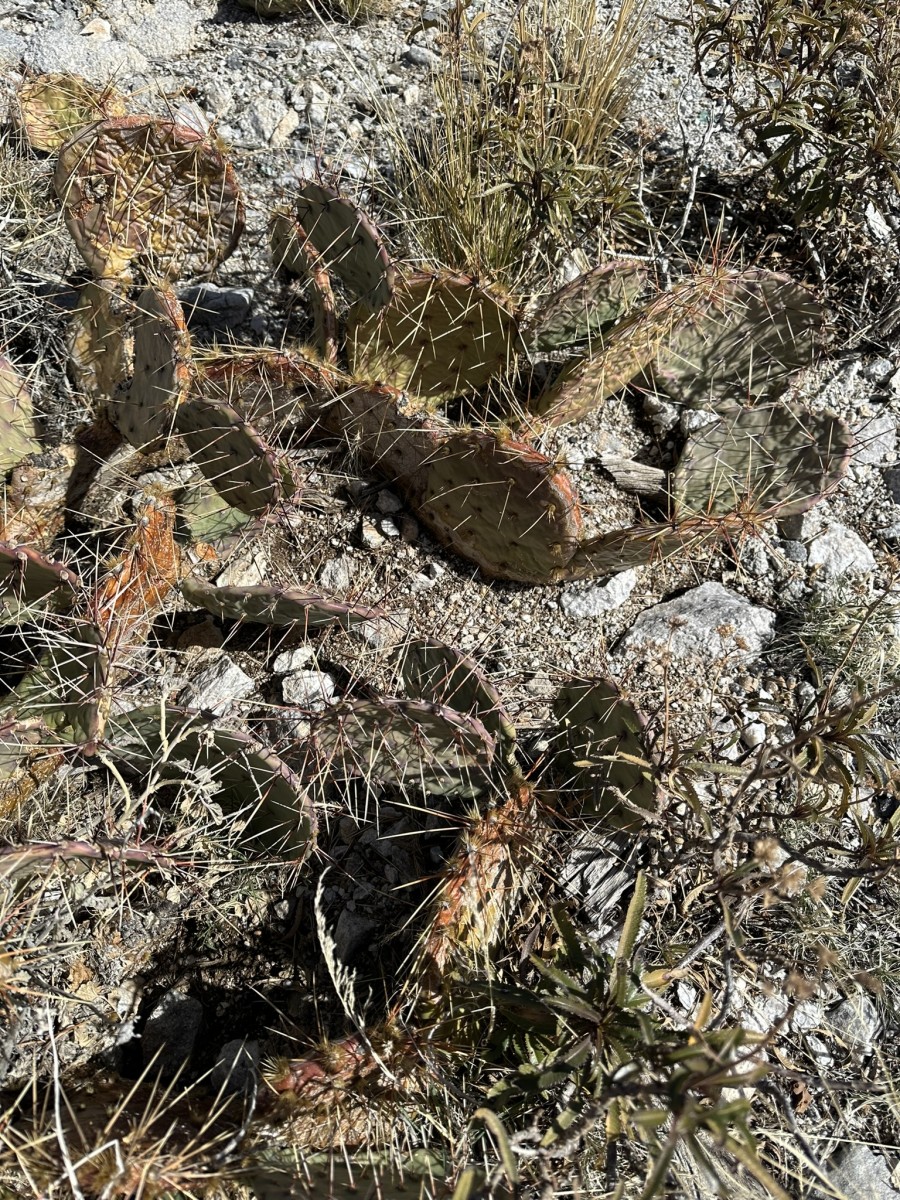
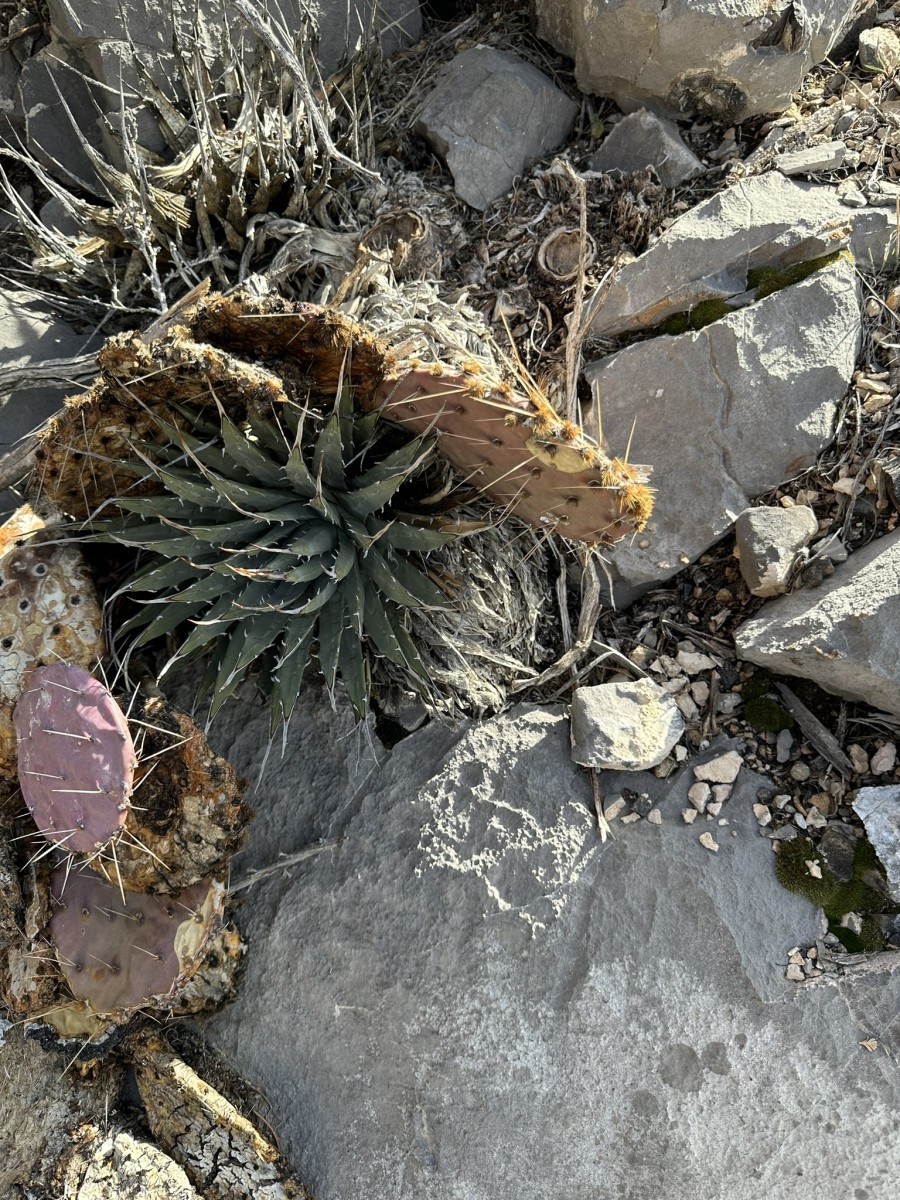
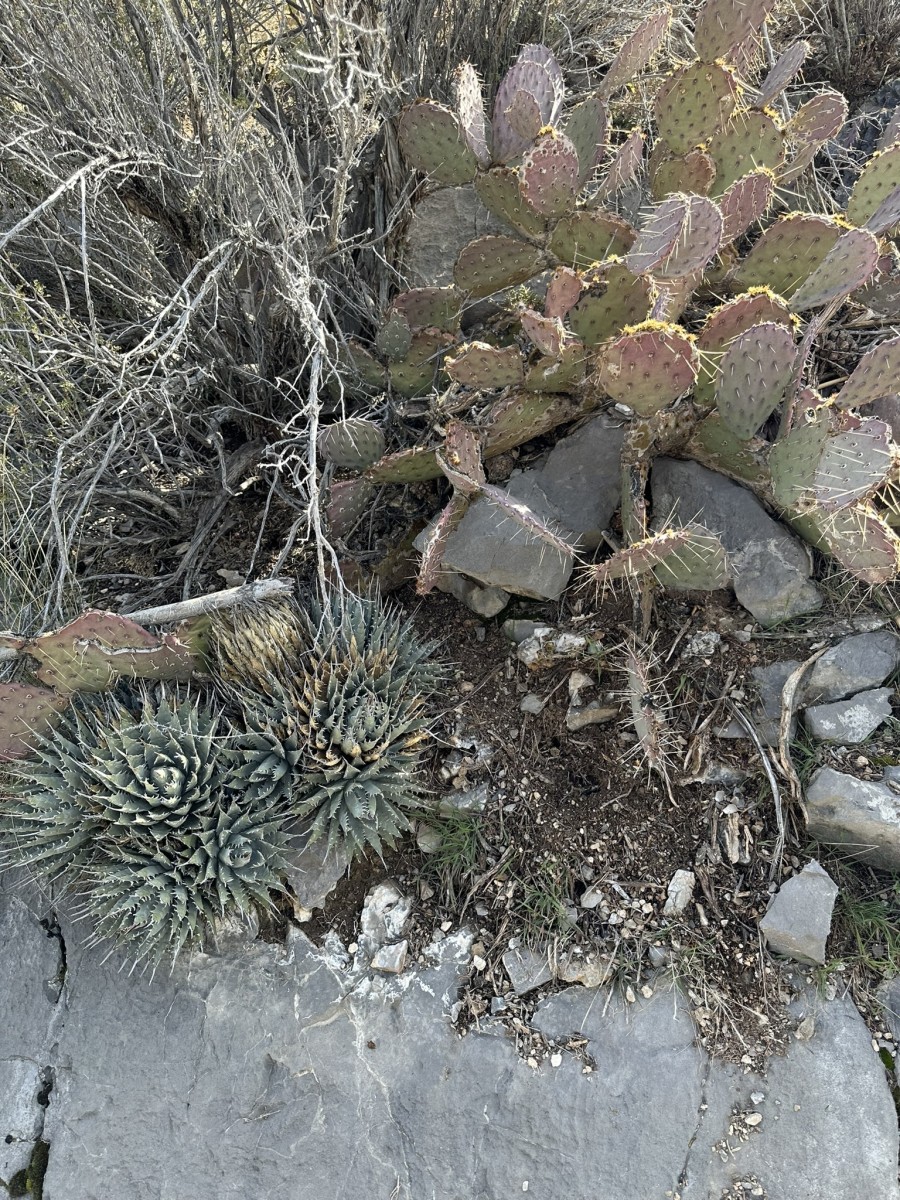
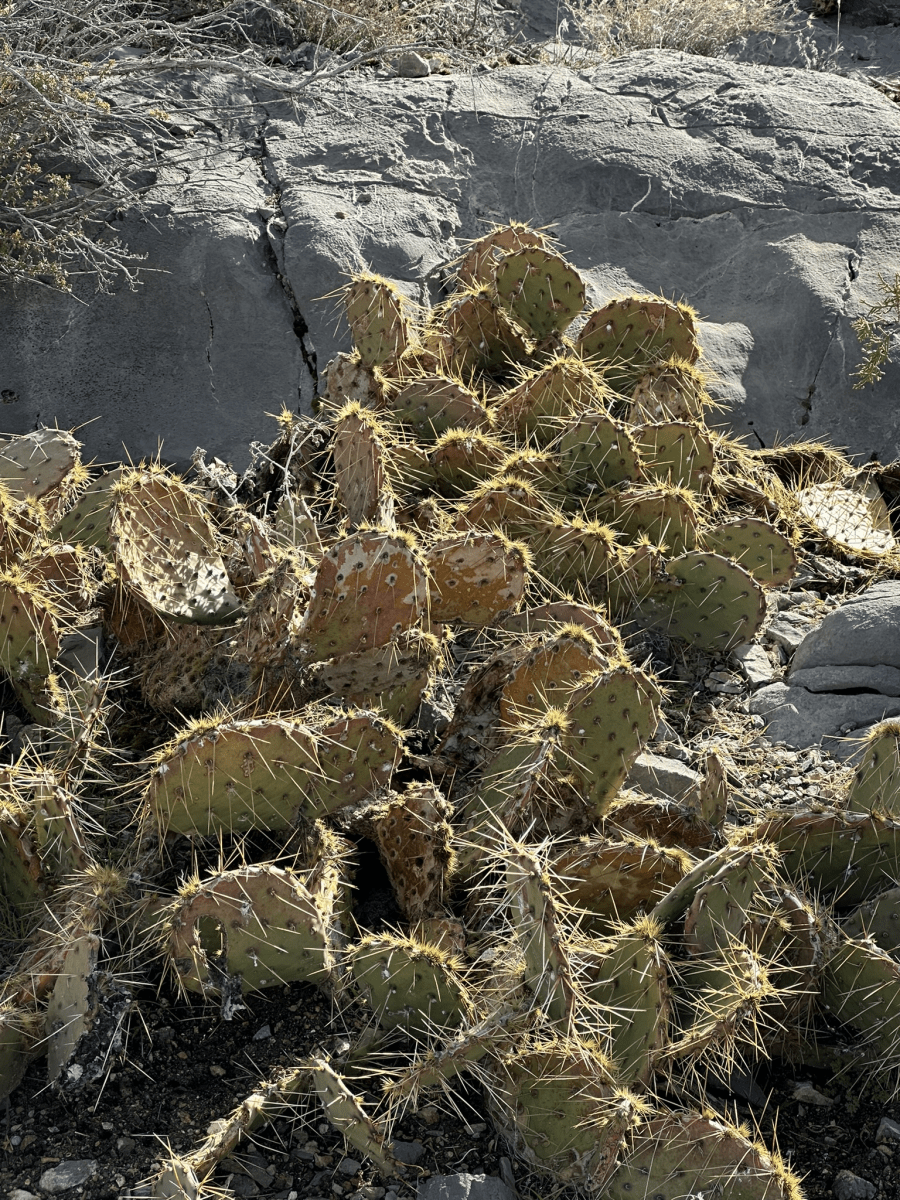
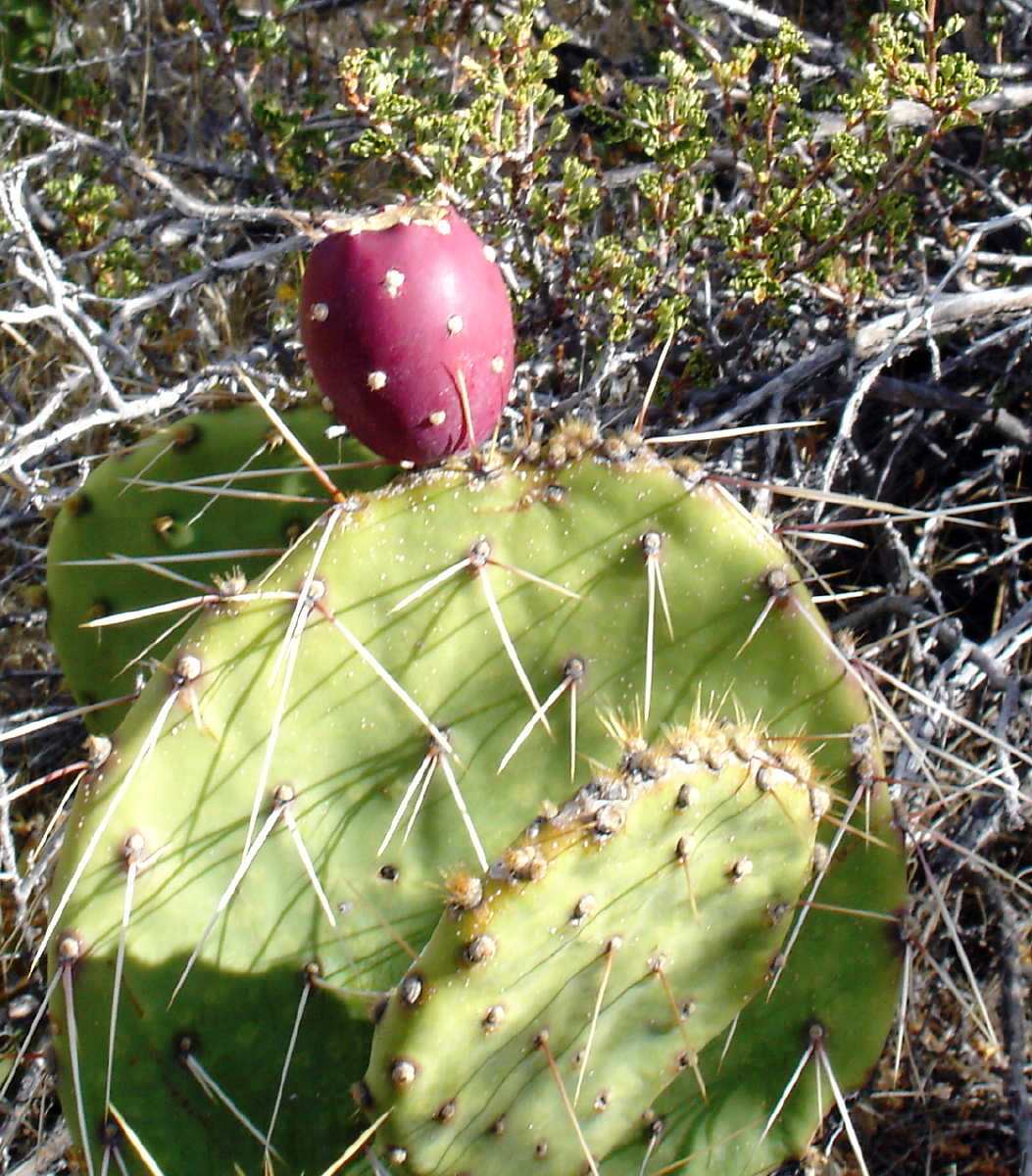
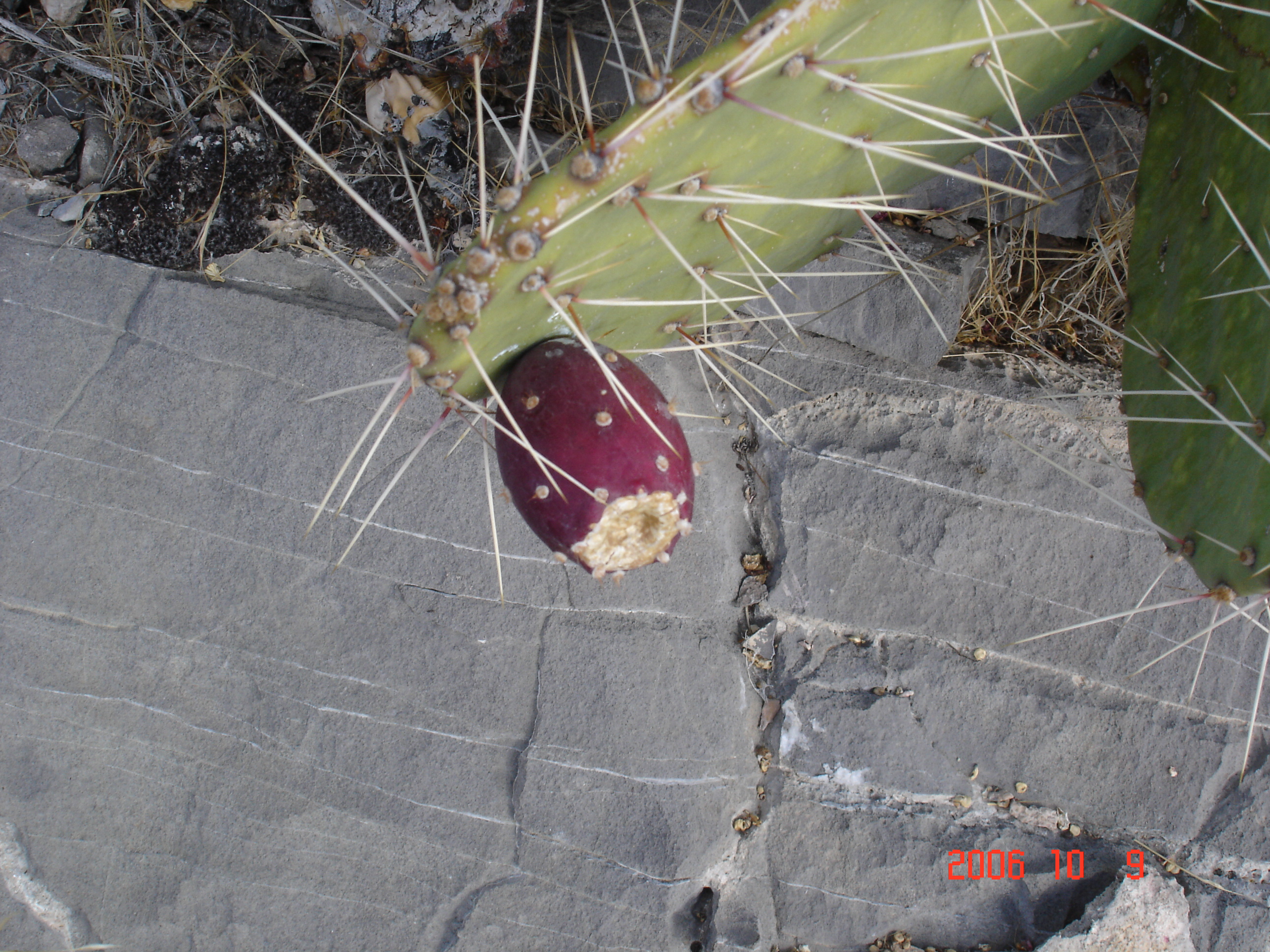
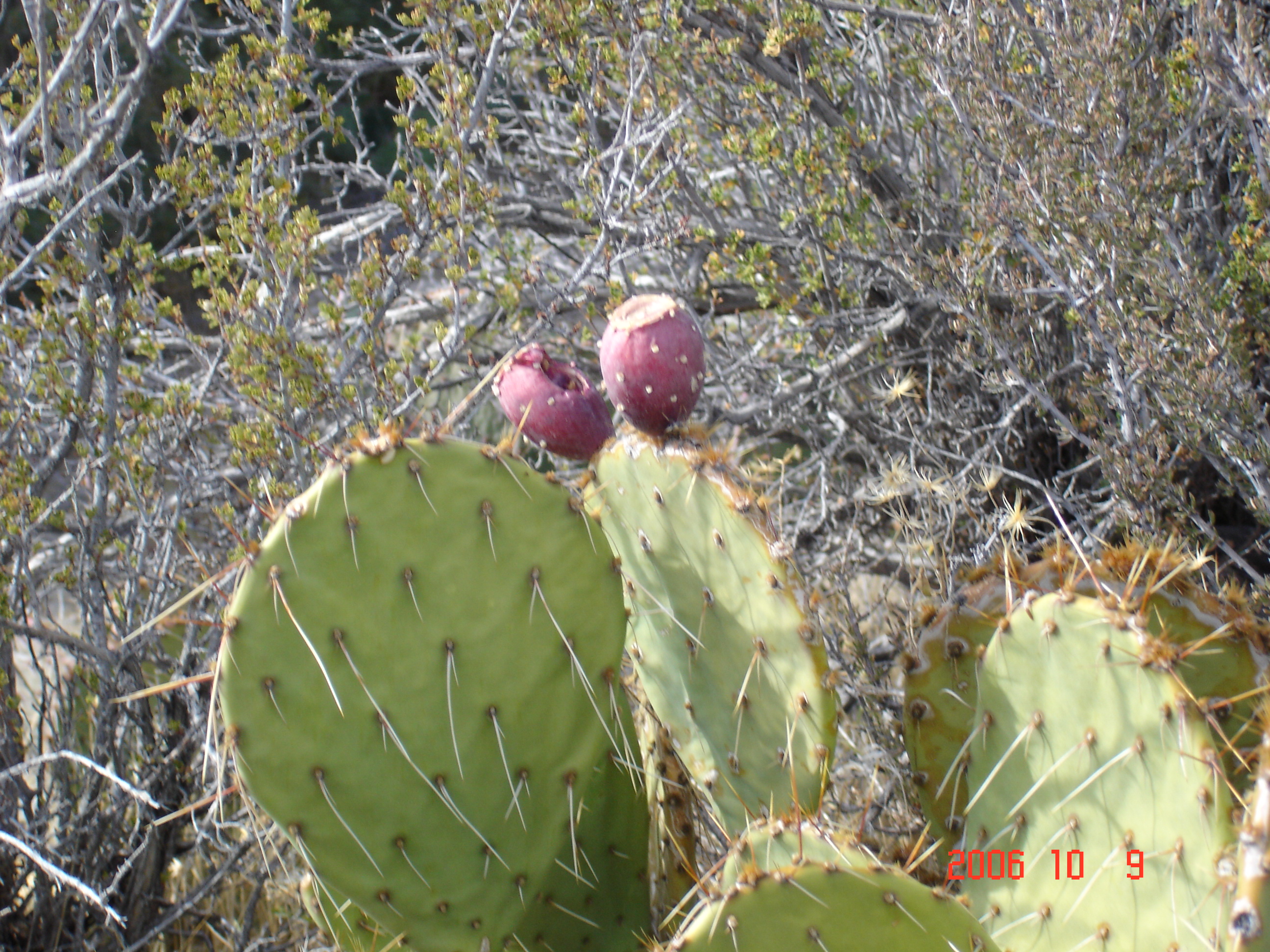
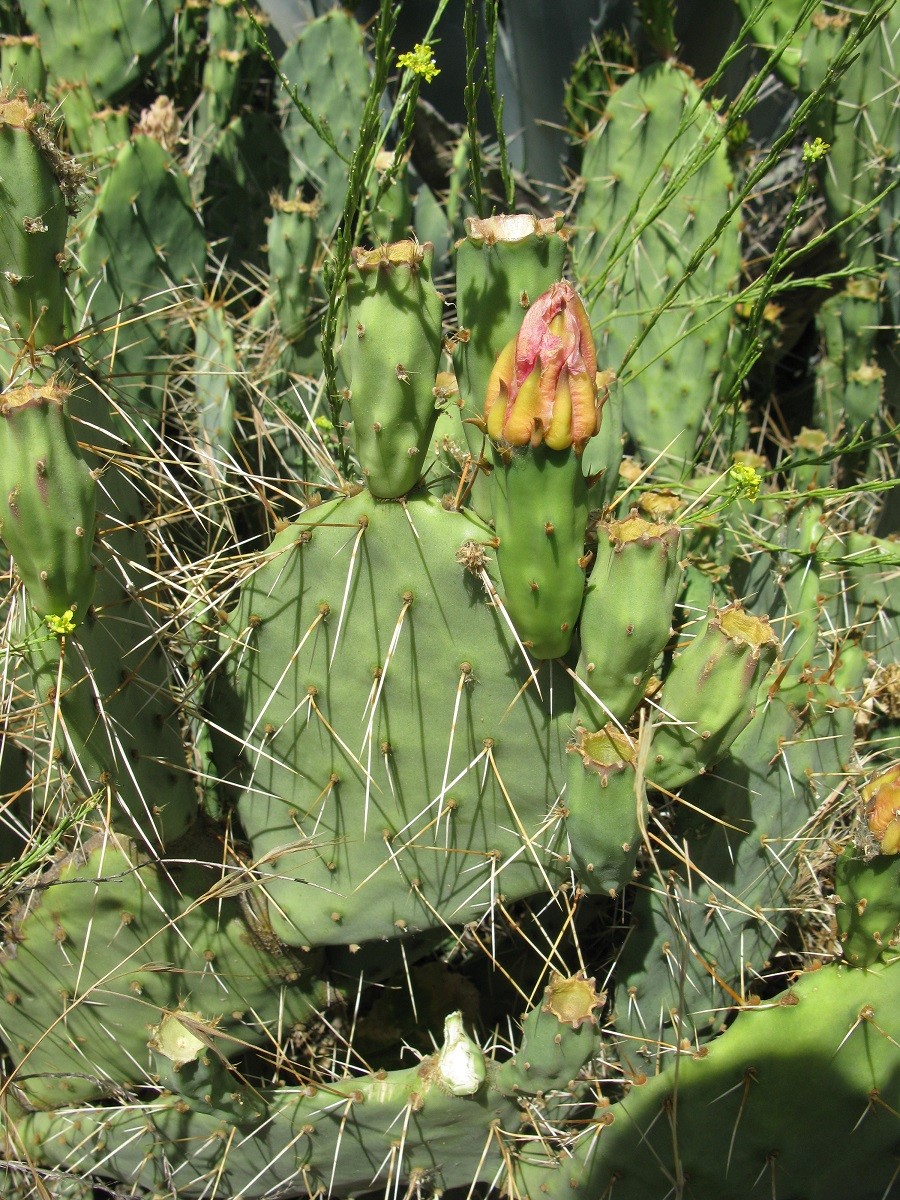
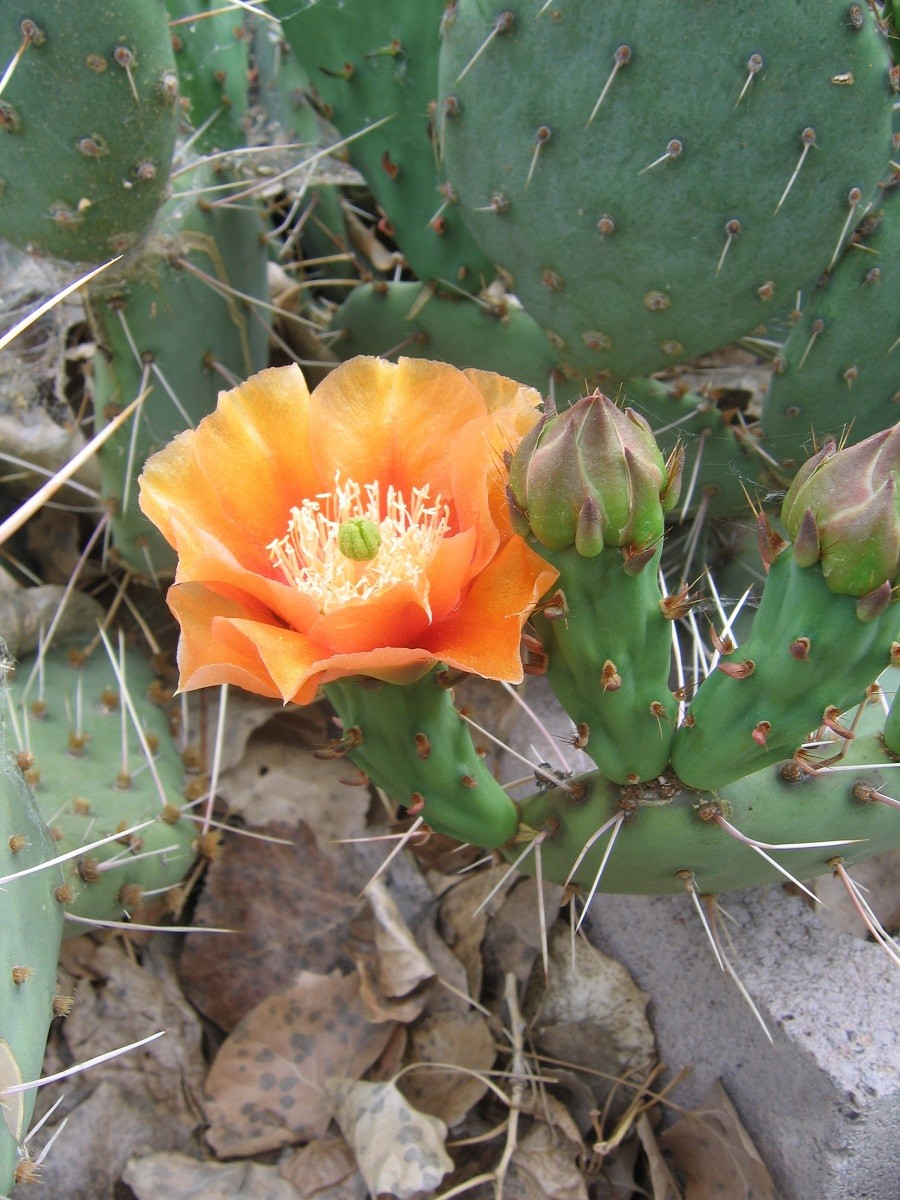
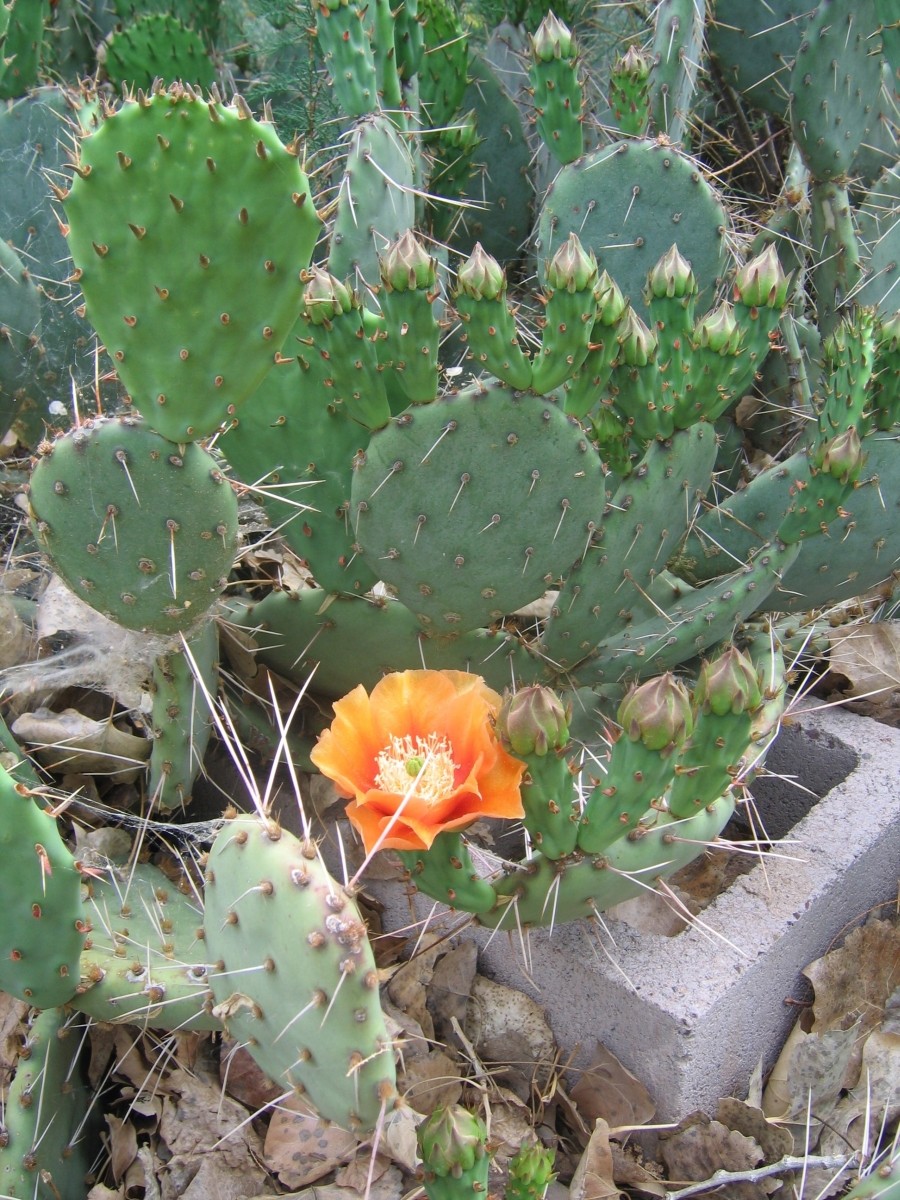
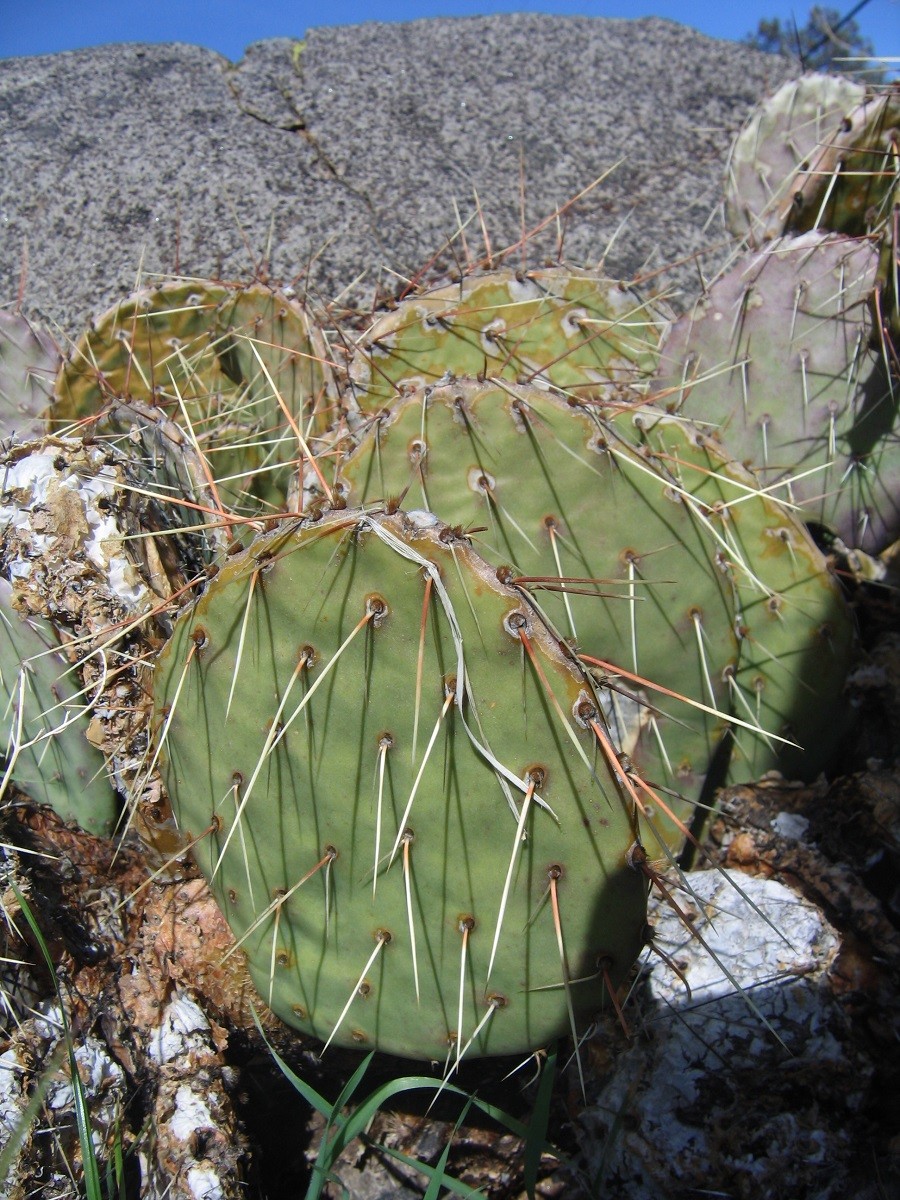
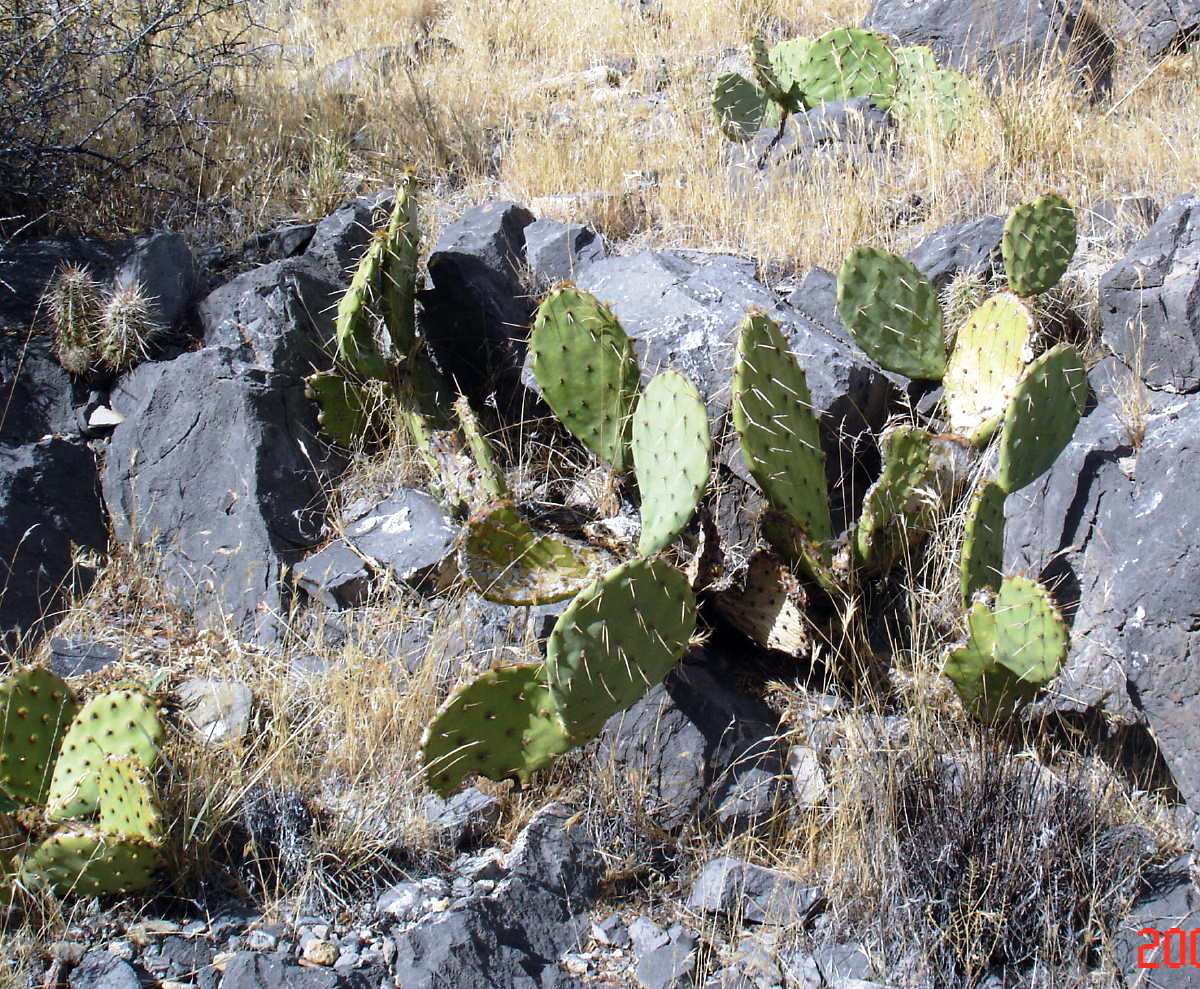
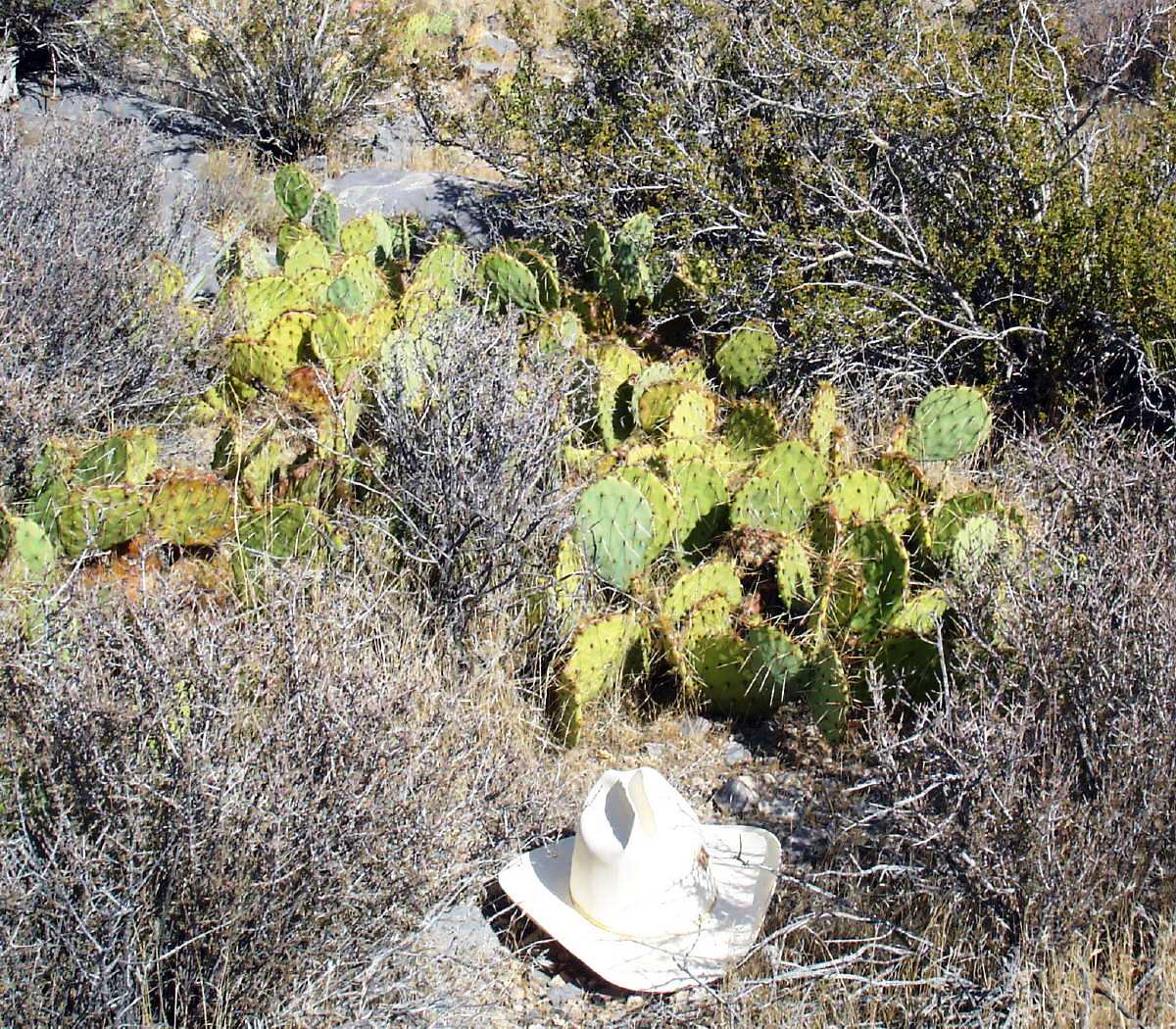
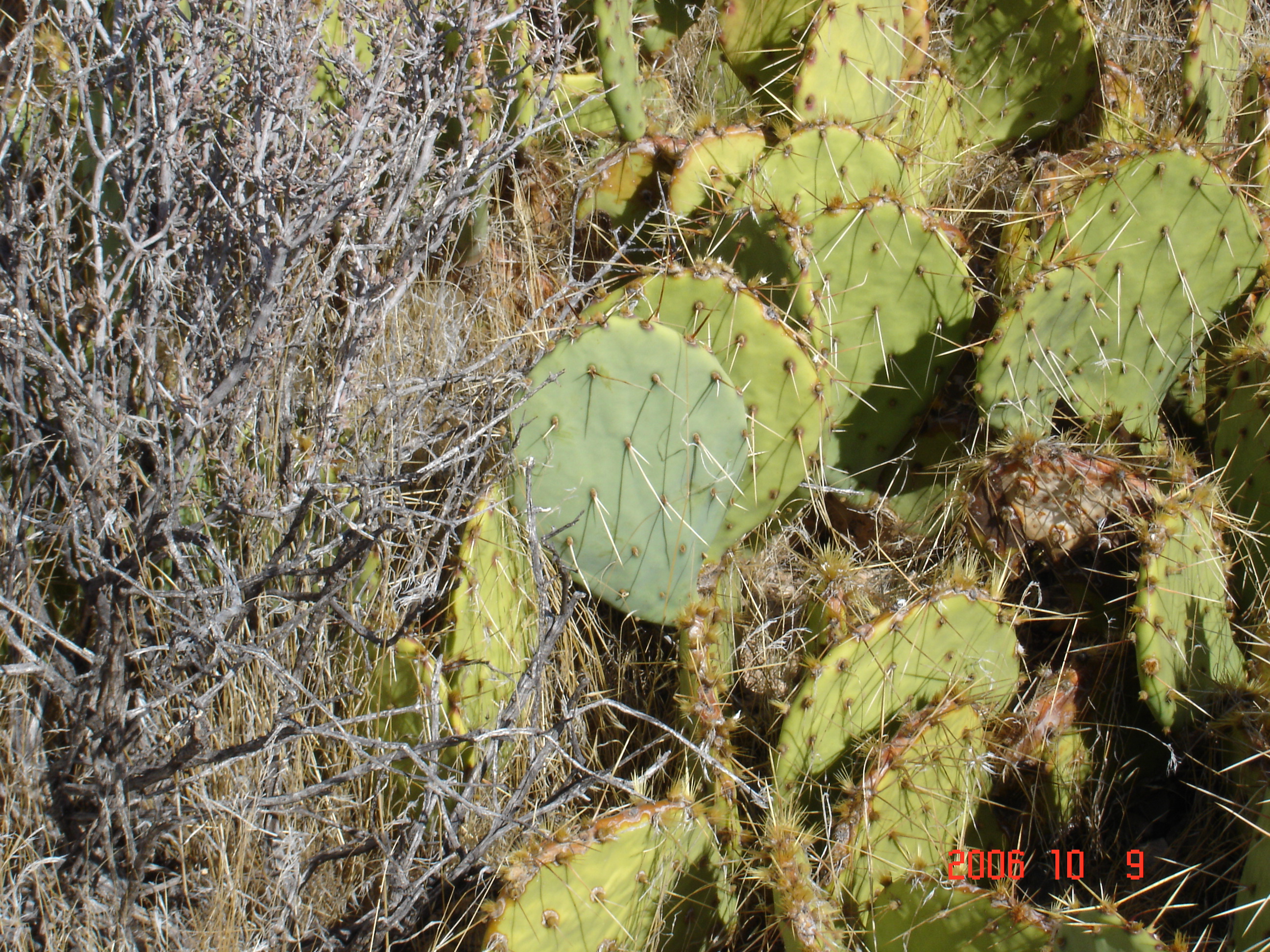
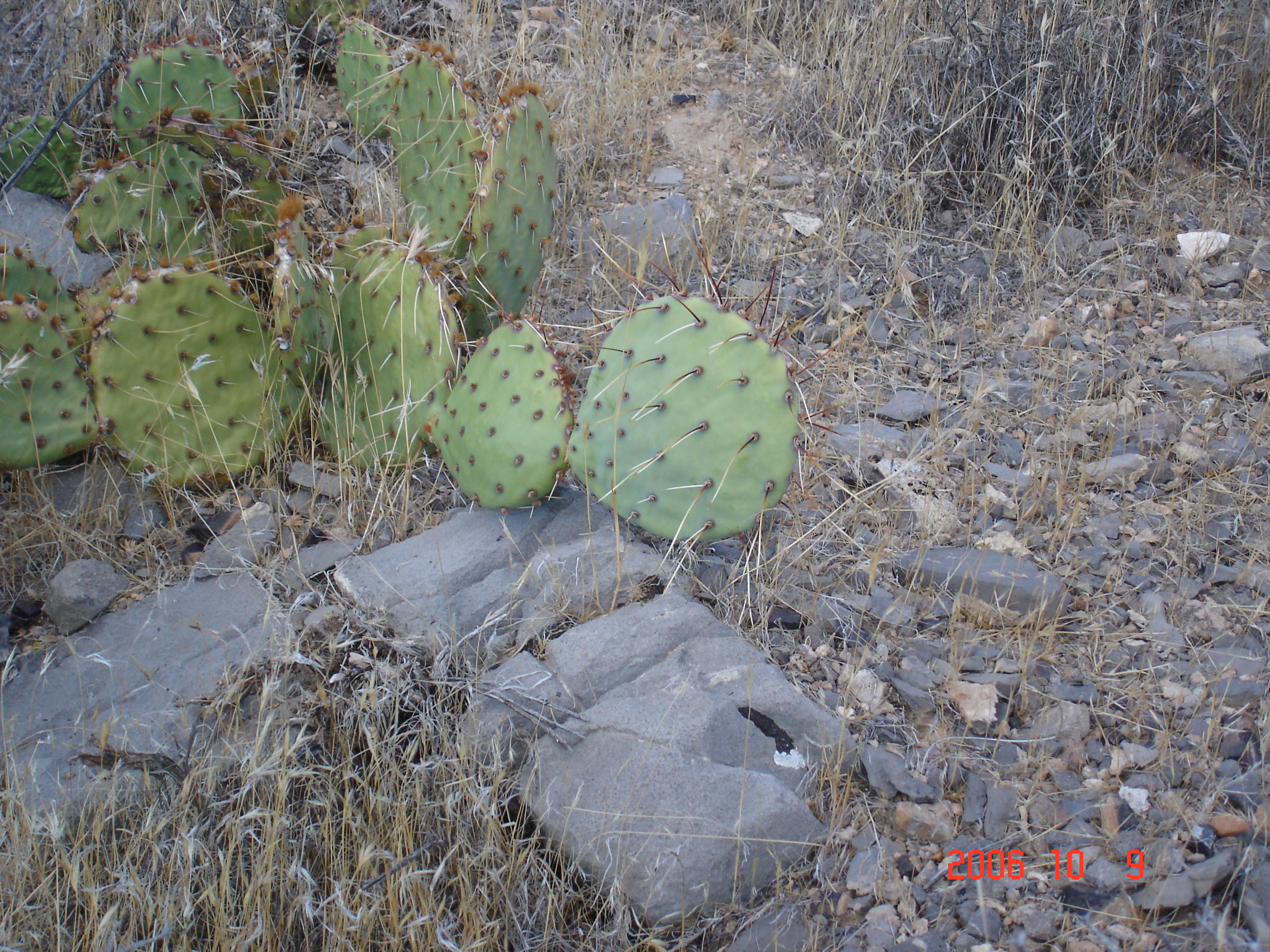
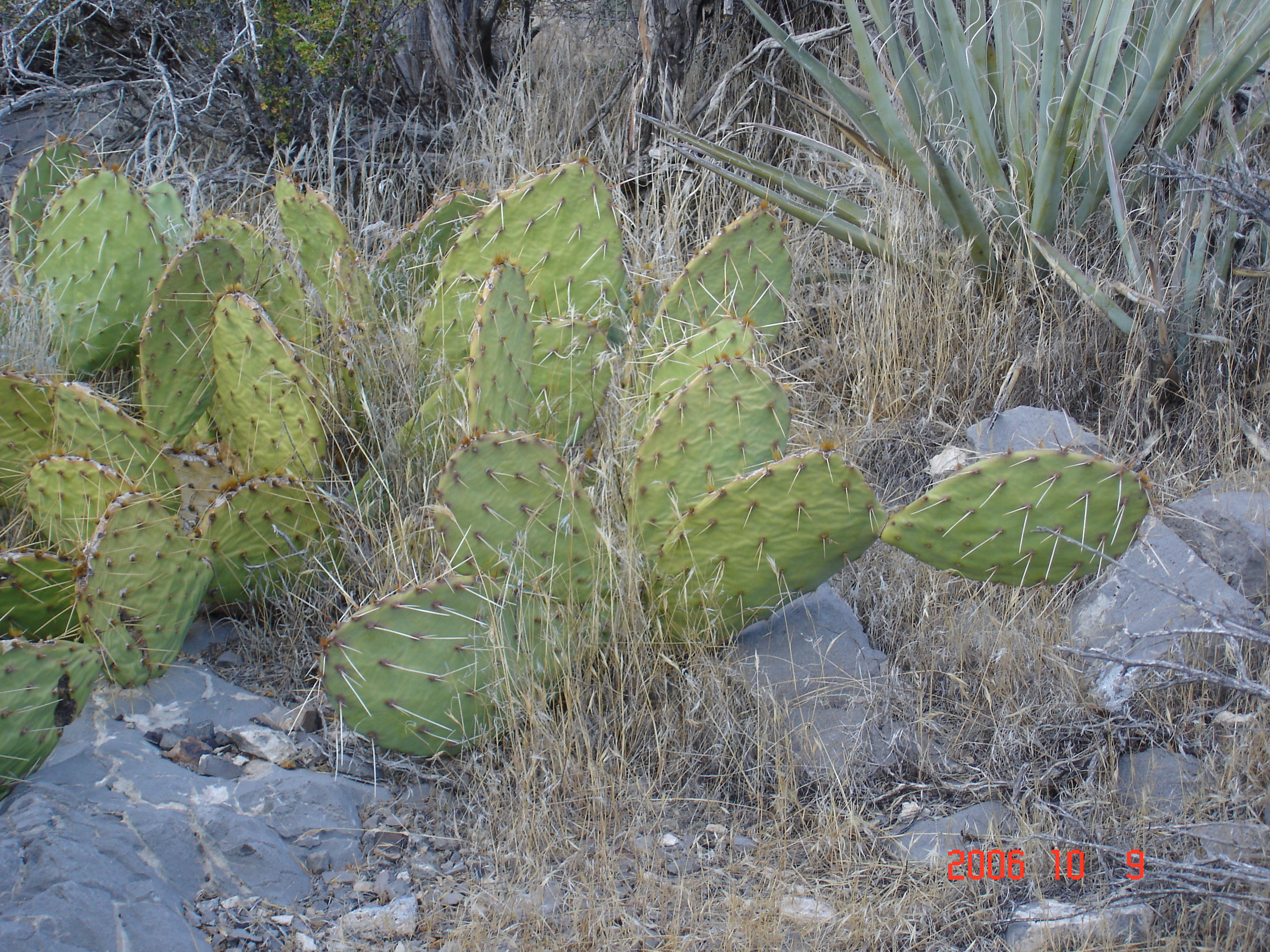
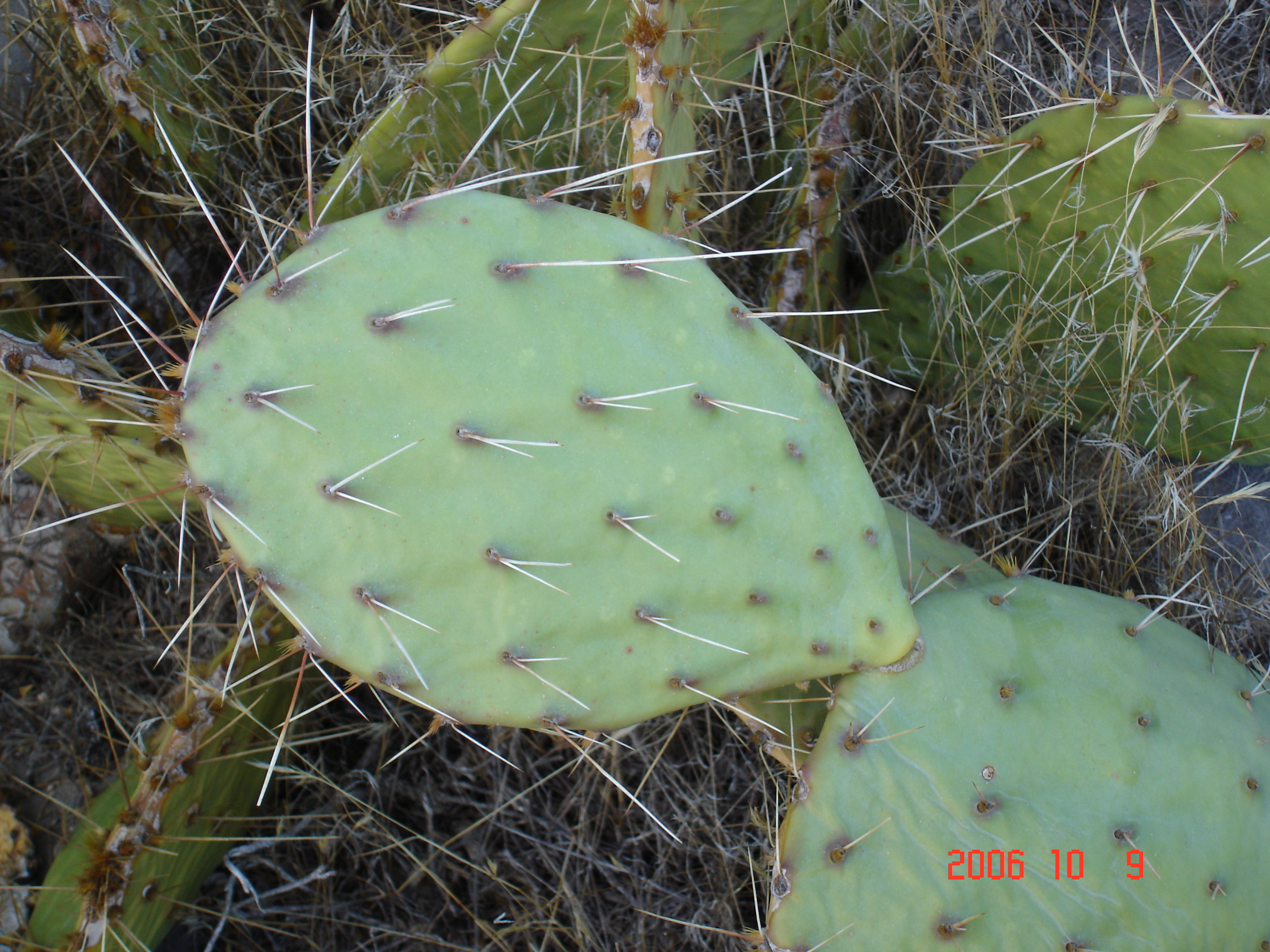
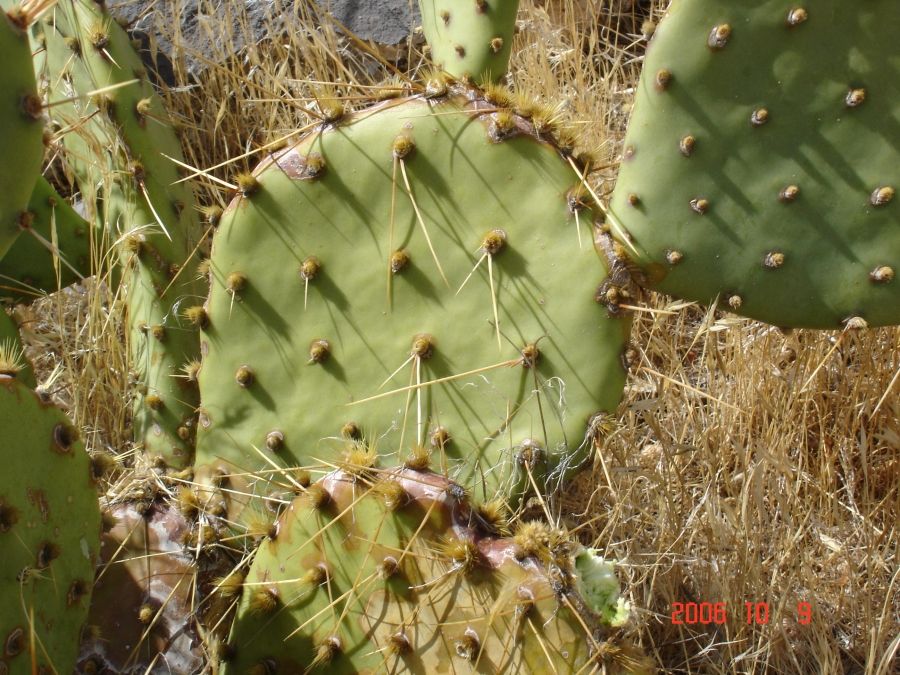
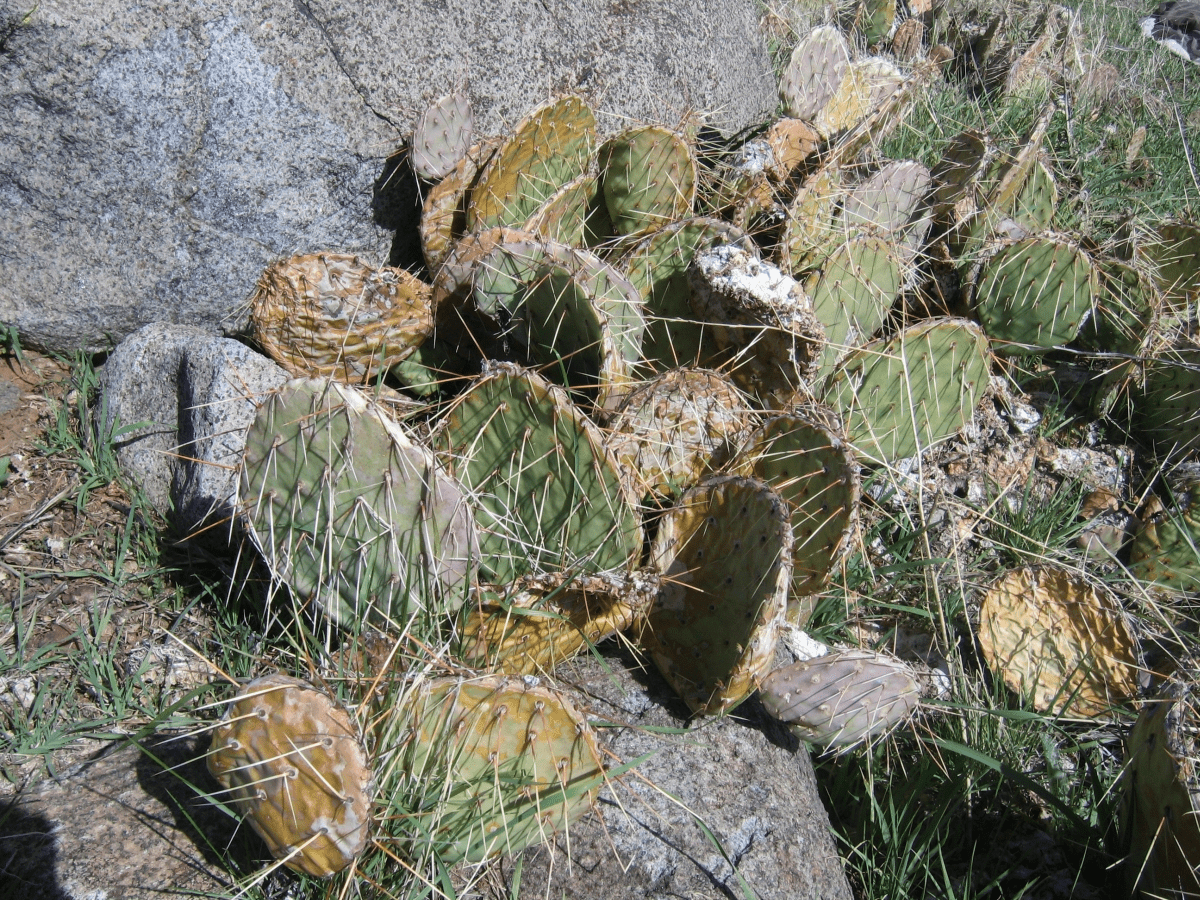
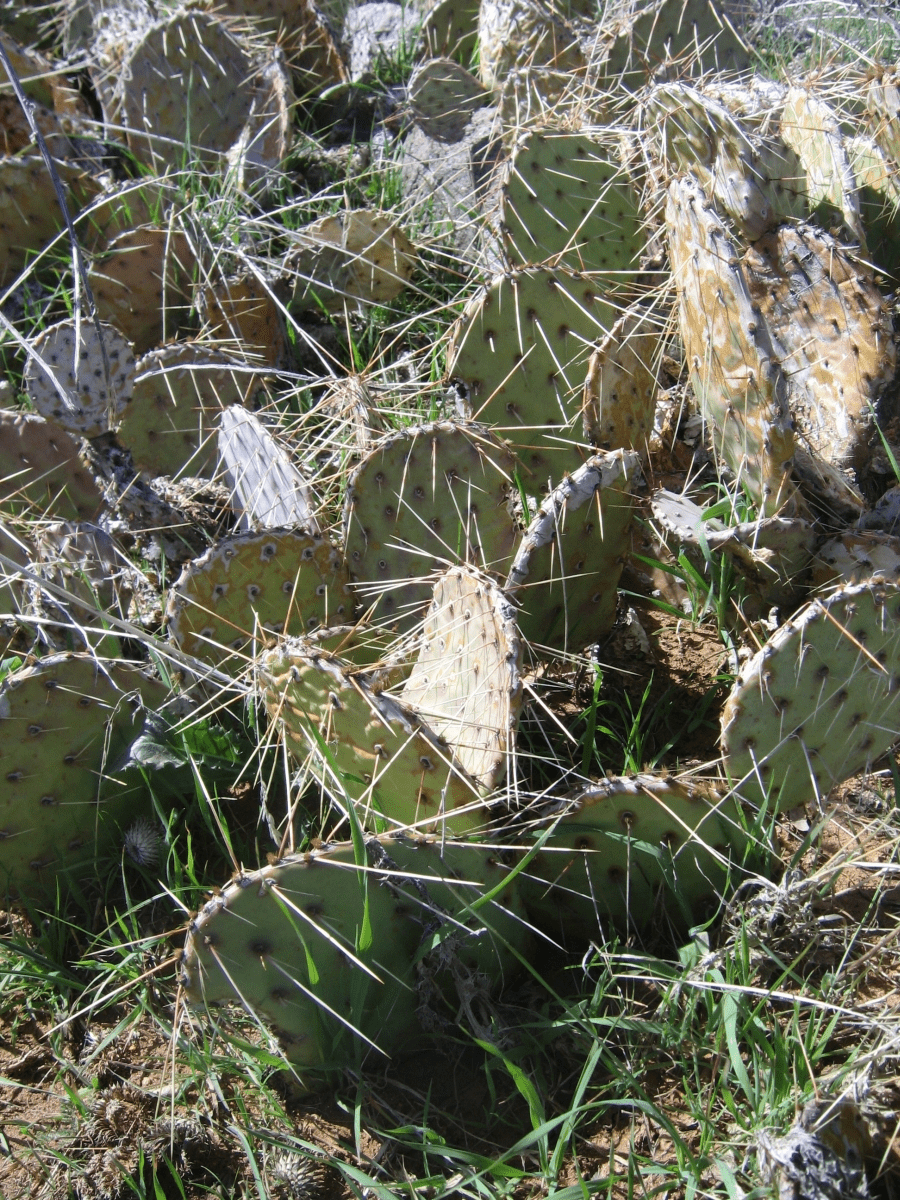
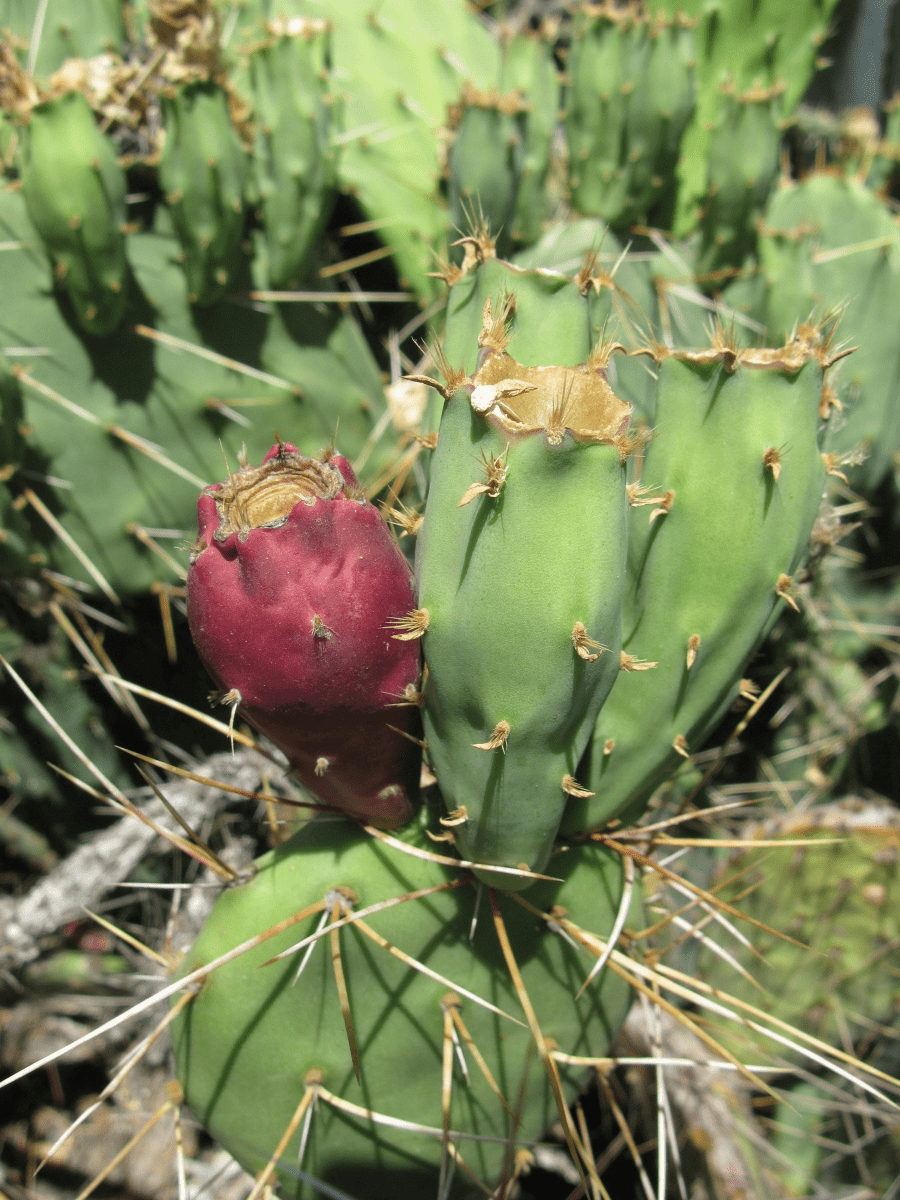
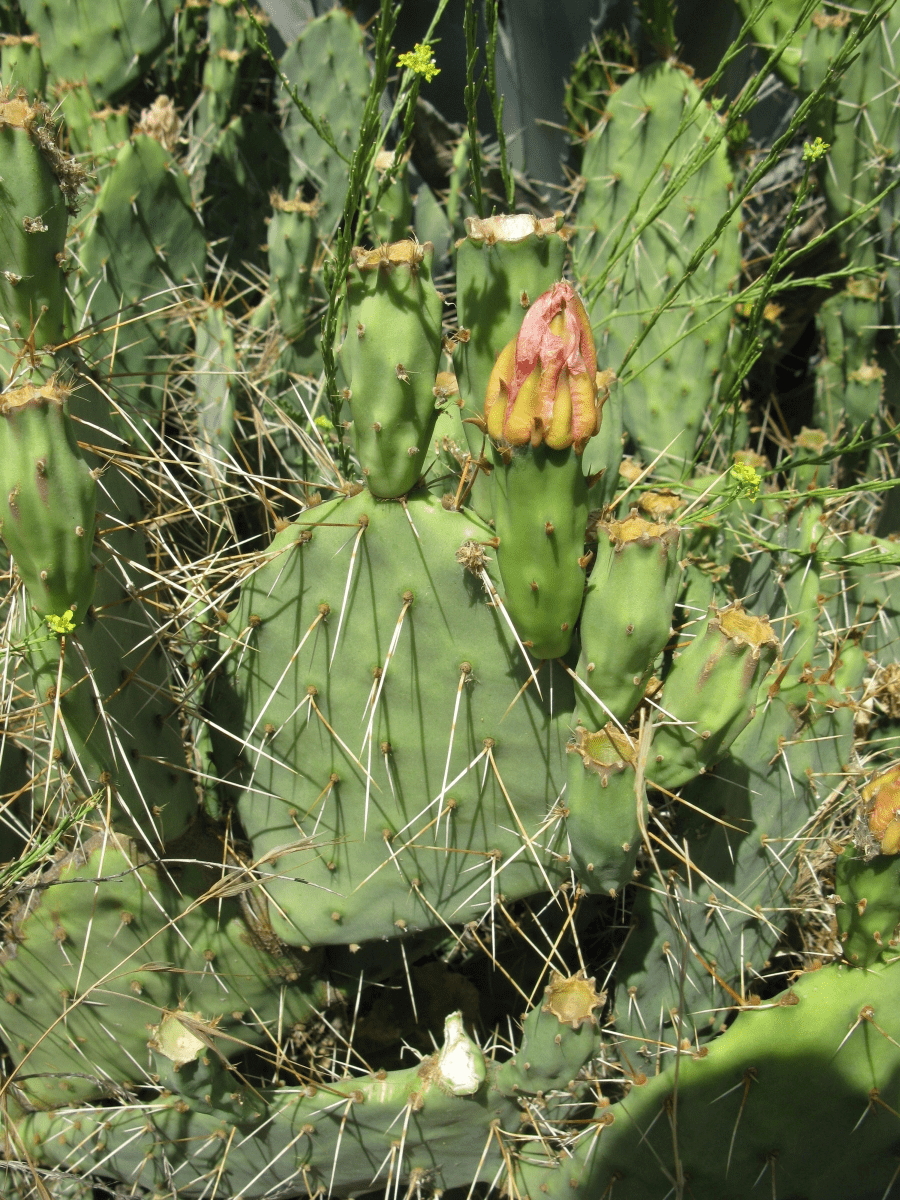
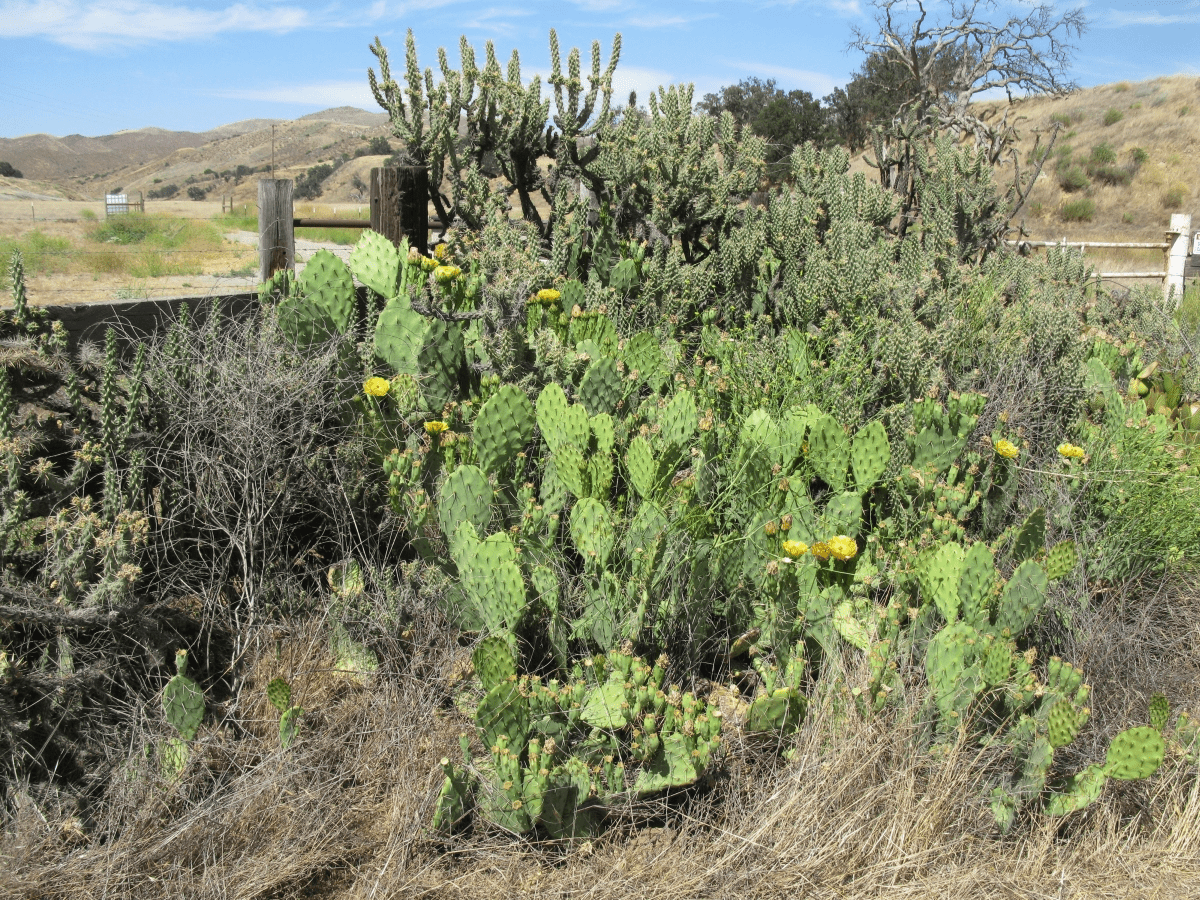
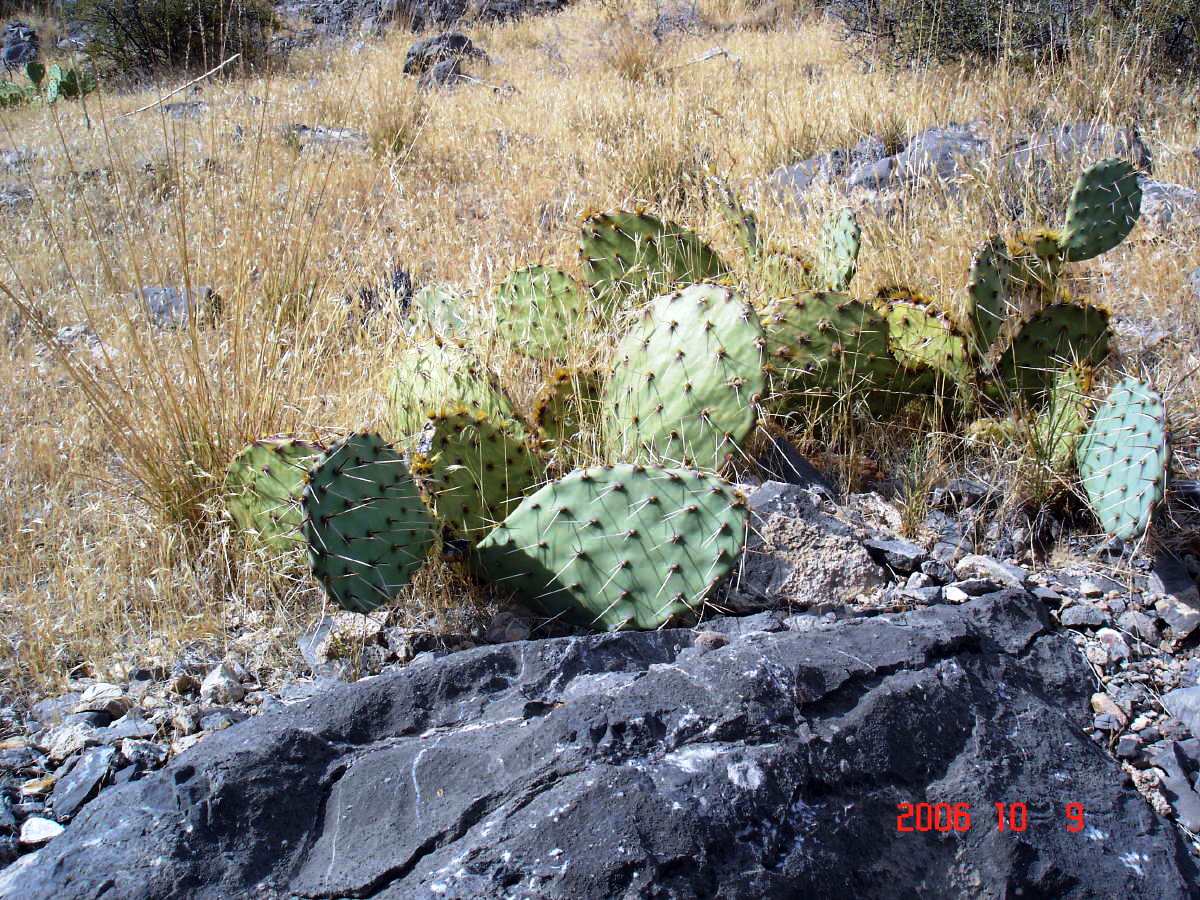
Lectotype; Herbarium (O. mojavensis-like); Herbarium (O. mojavensis-like); Herbarium (O. mojavensis-like); Drawing (The Botany of the Expedition, 1856)
Original Description
What is Opuntia mojavensis?
Opuntia mojavensis is an enigmatic prickly pear cactus. The only historical drawing of this cactus shows 2 spine clusters and an immature or sterile fruit. The lectotype for this prickly pear has 3 areoles with spines, a spine cluster, and an immature fruit. A full cladode is lacking. Some treatments dismiss it for lack of a useful original description.
Details
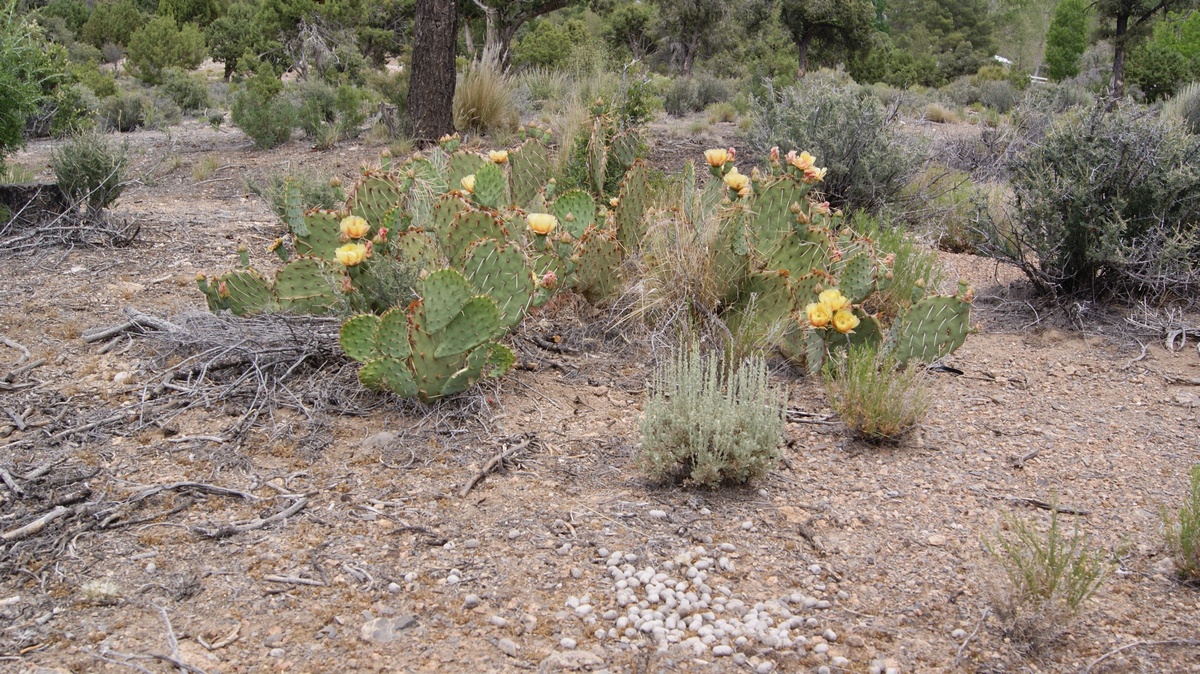
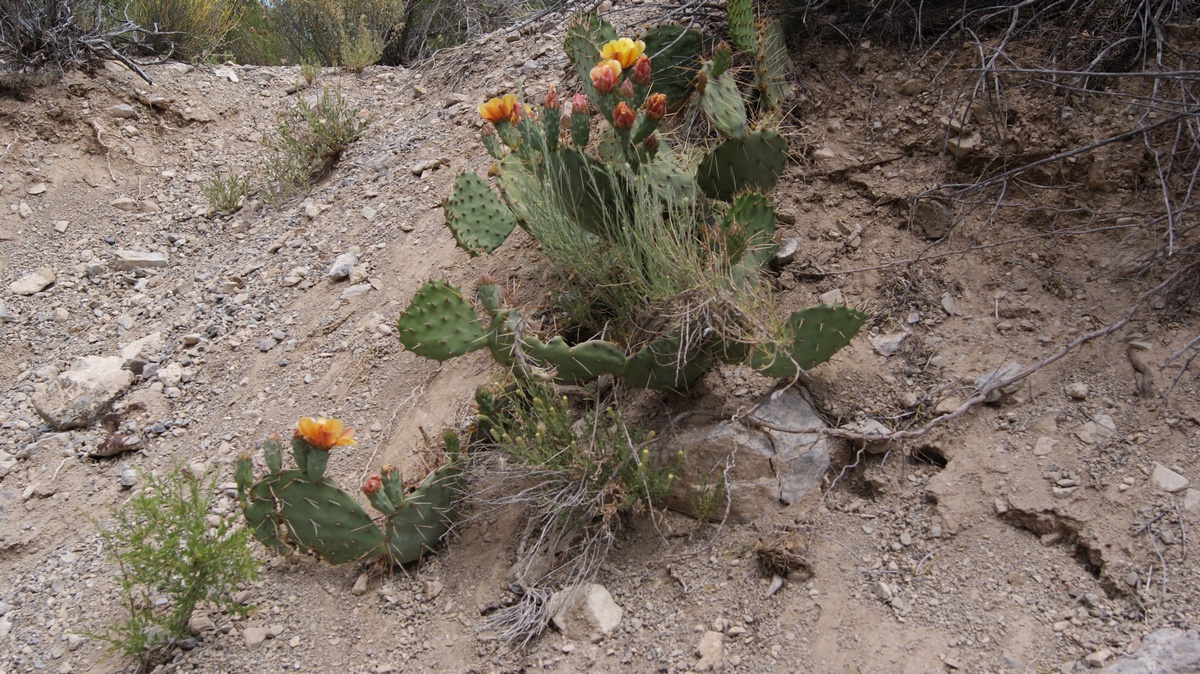
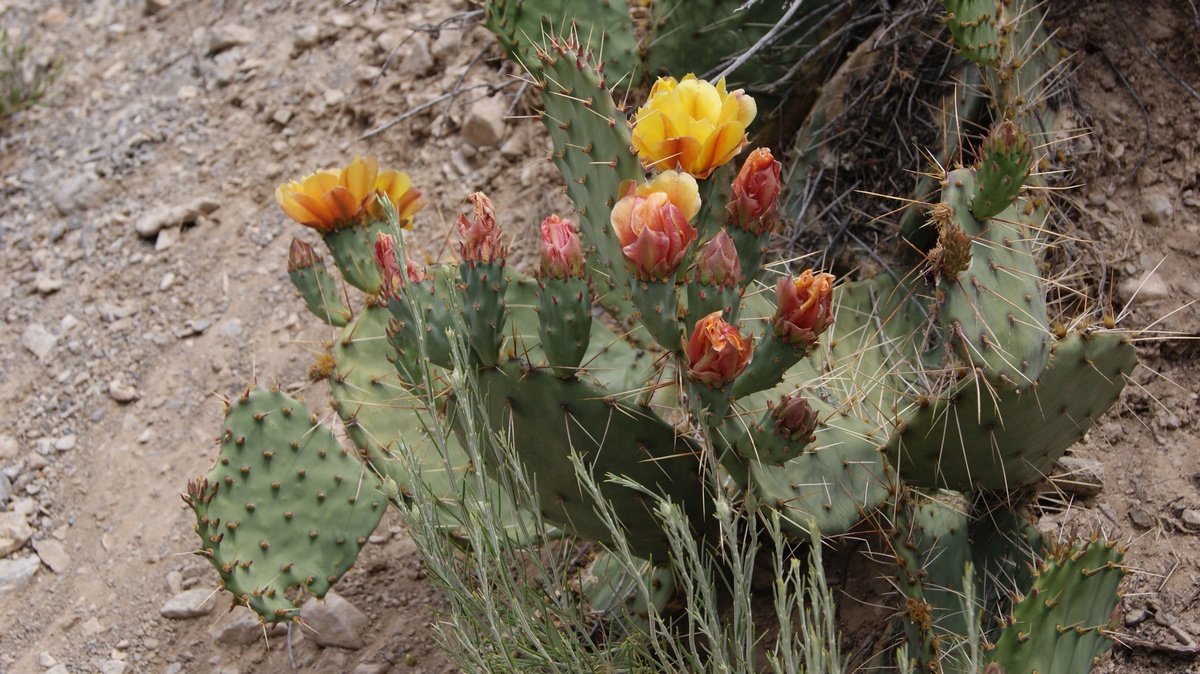
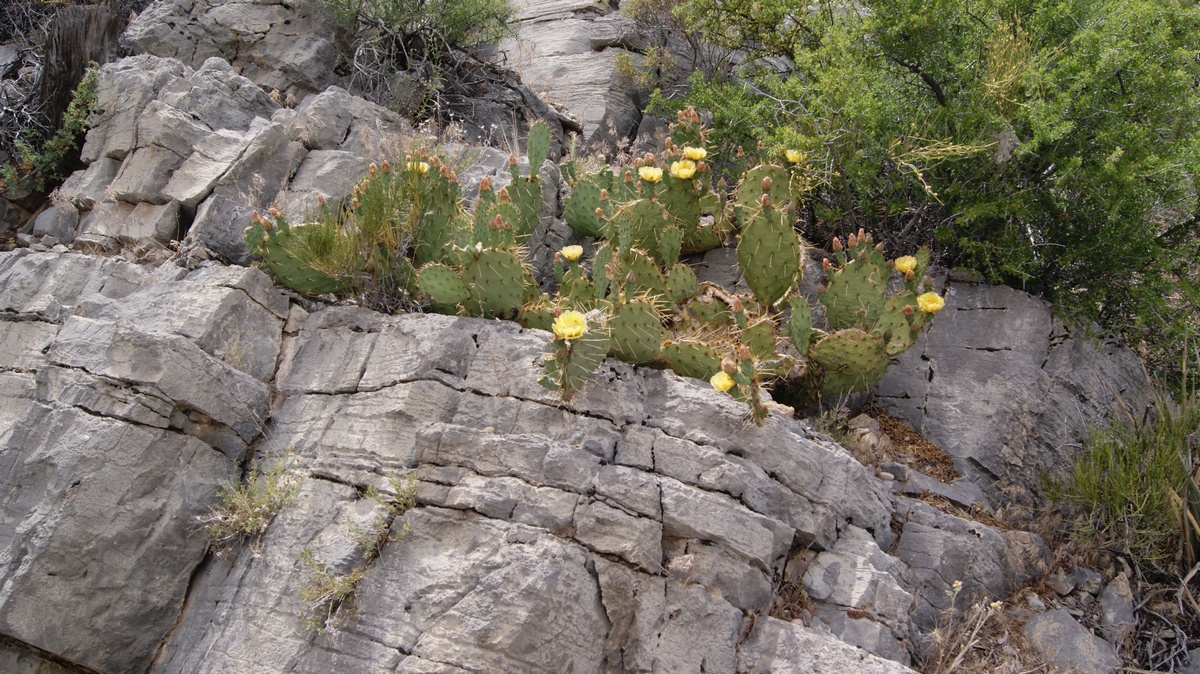
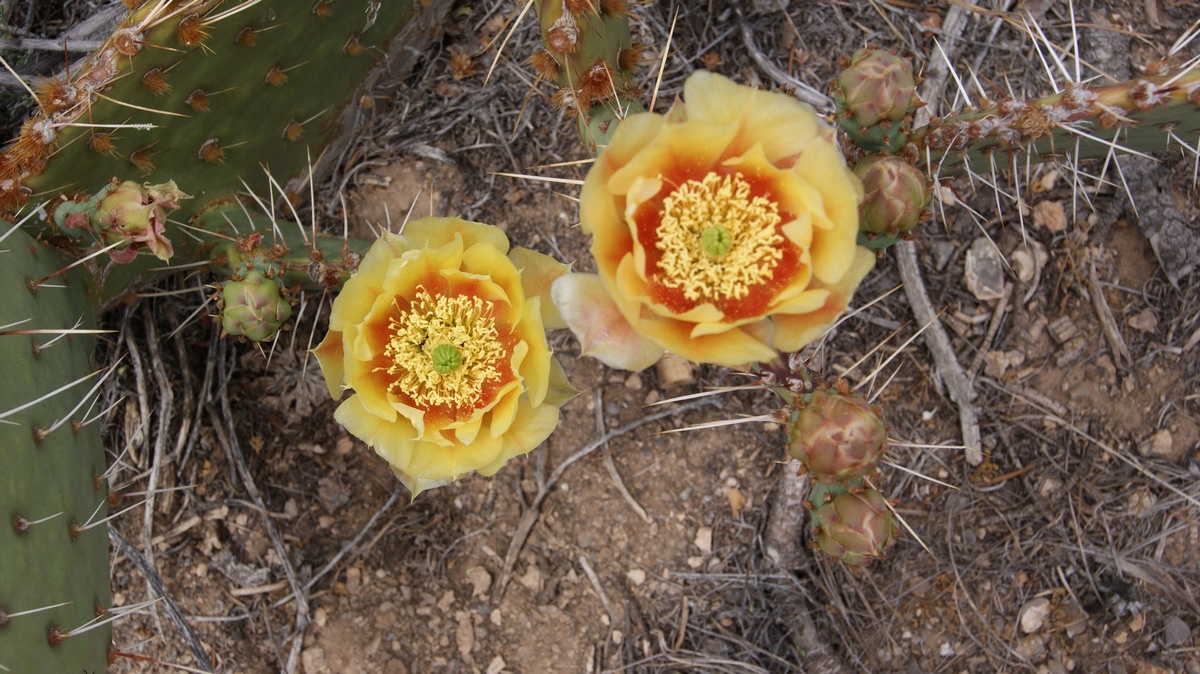
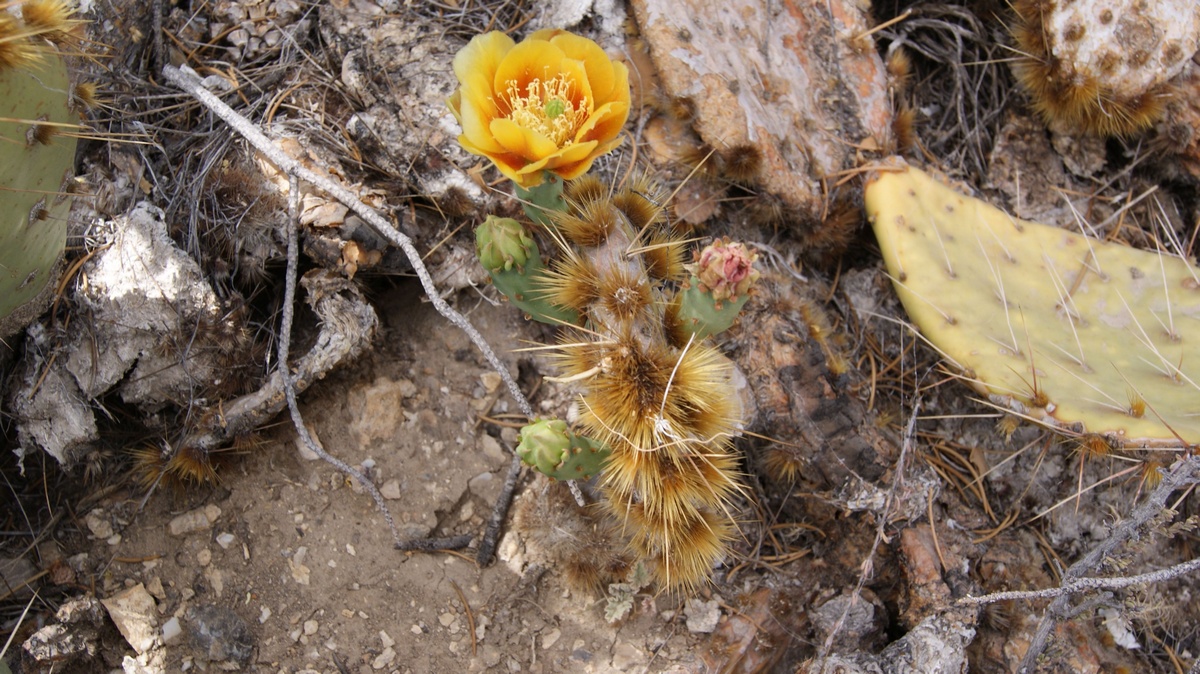
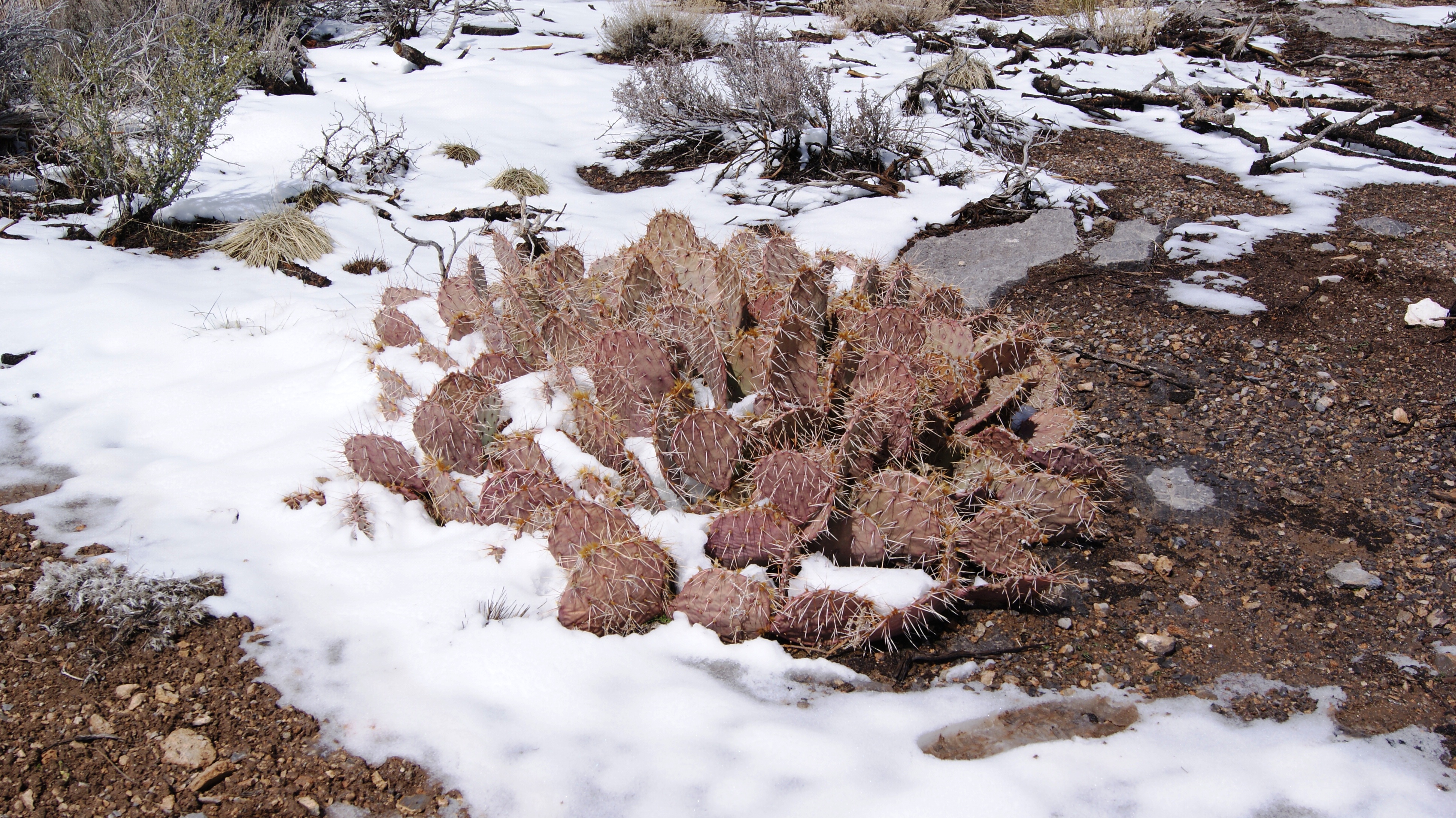
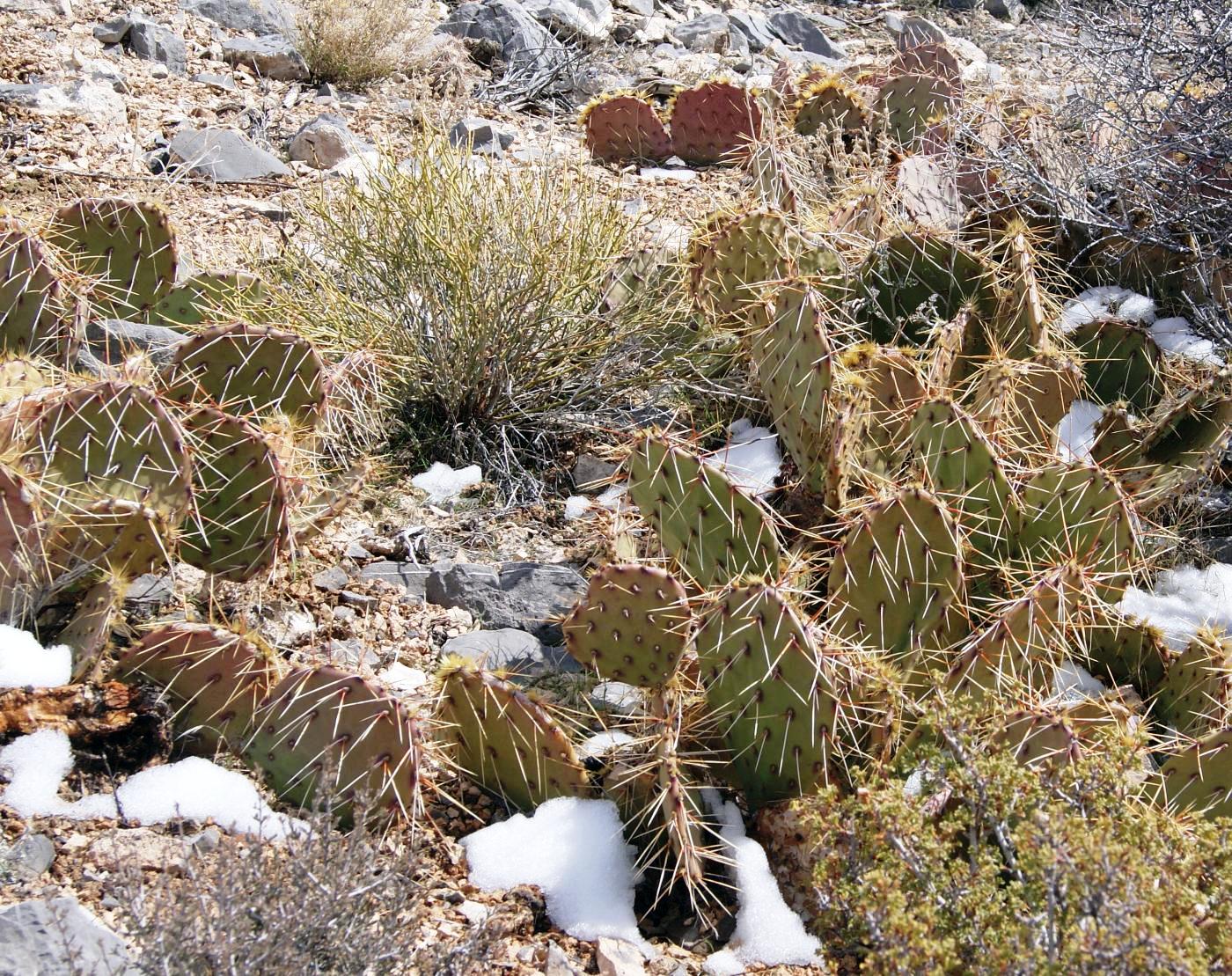
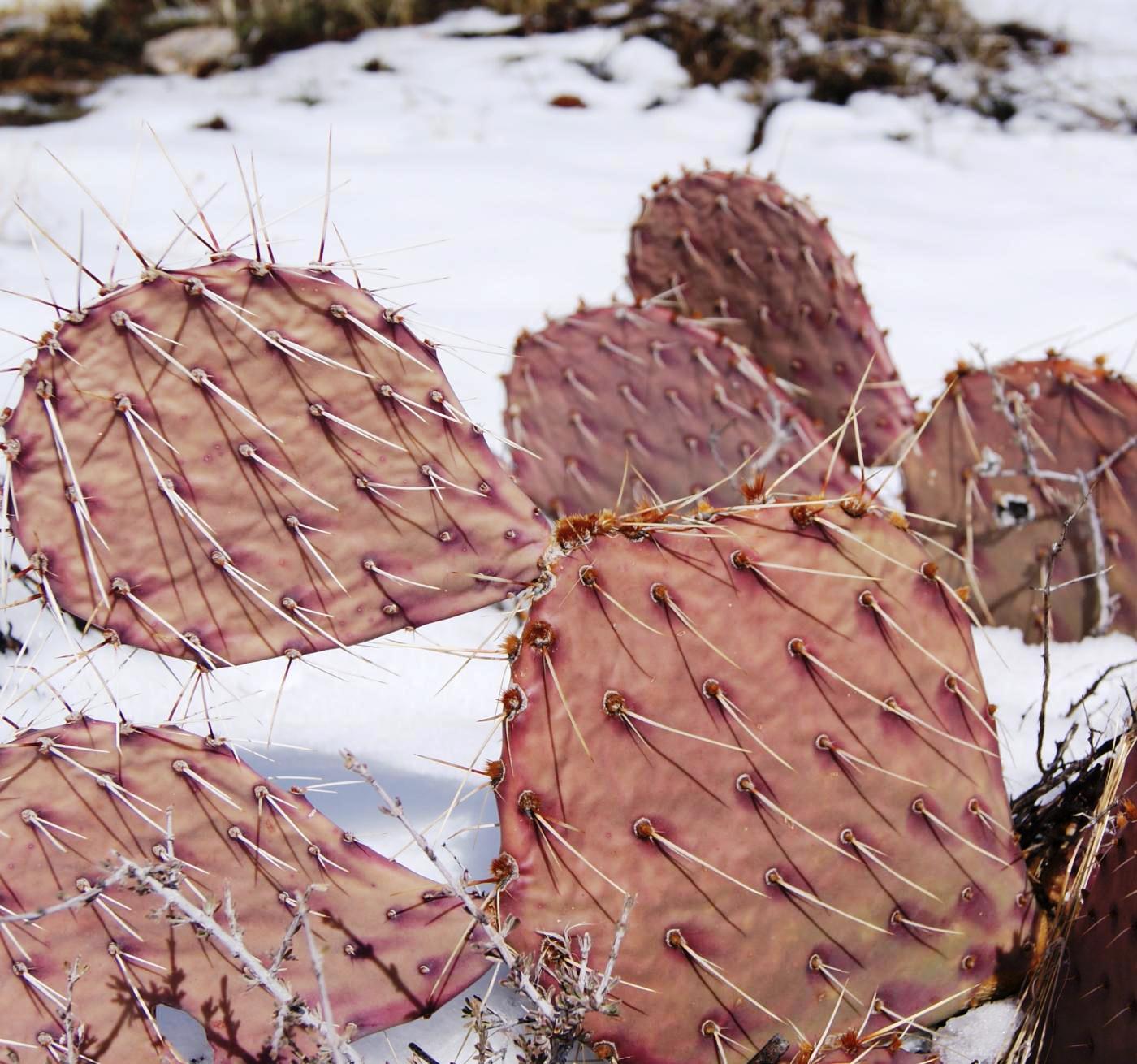
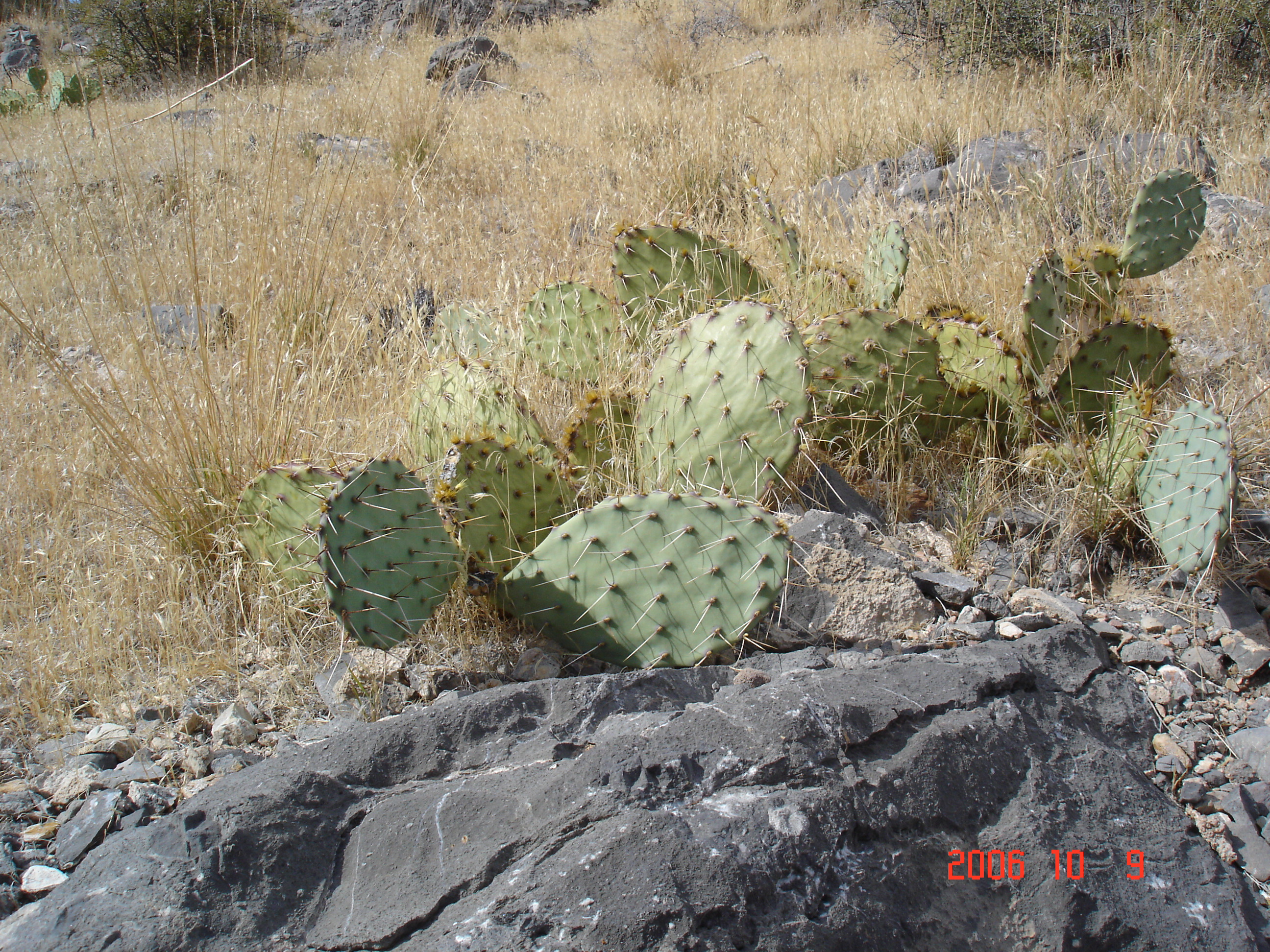
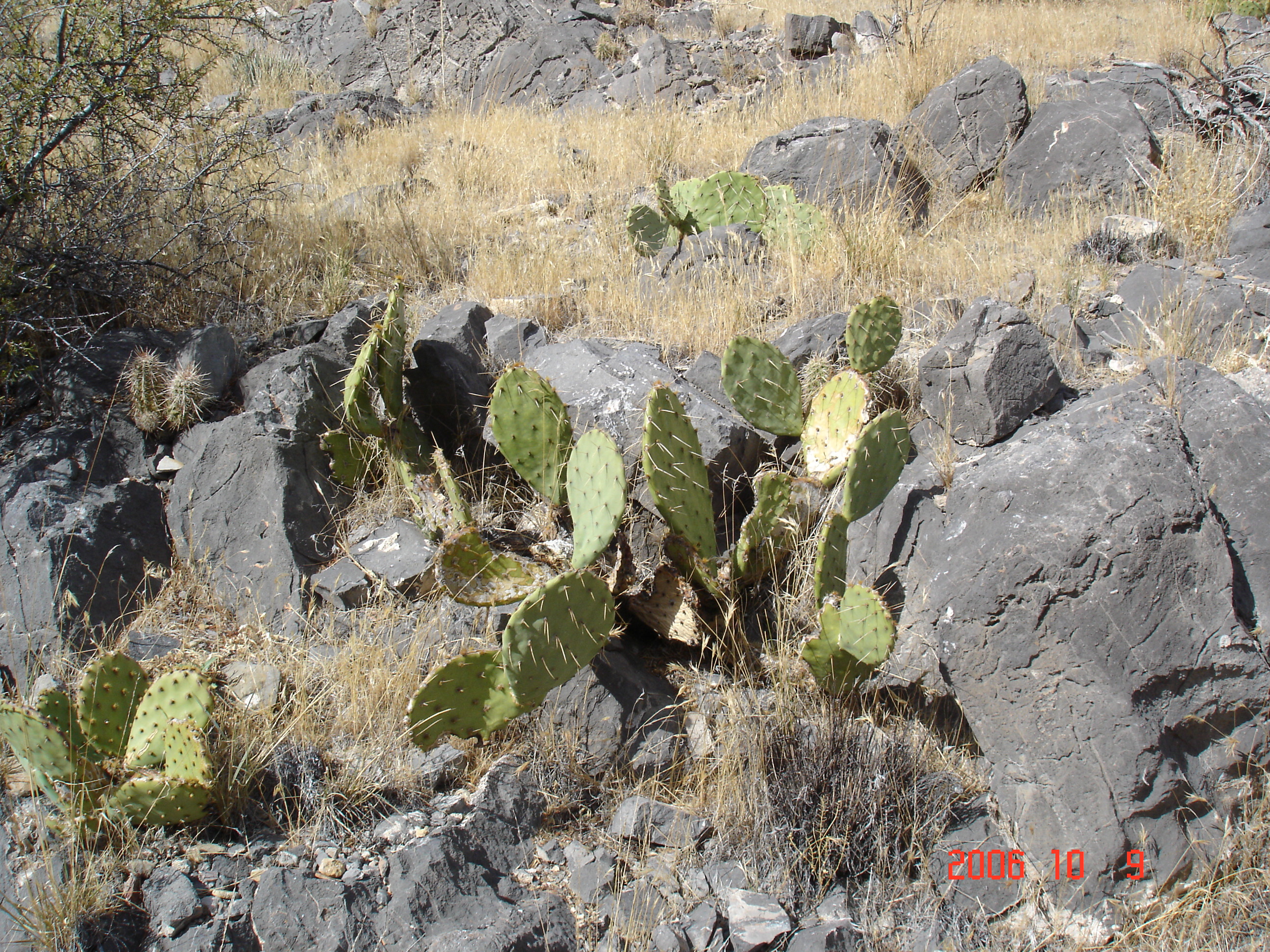
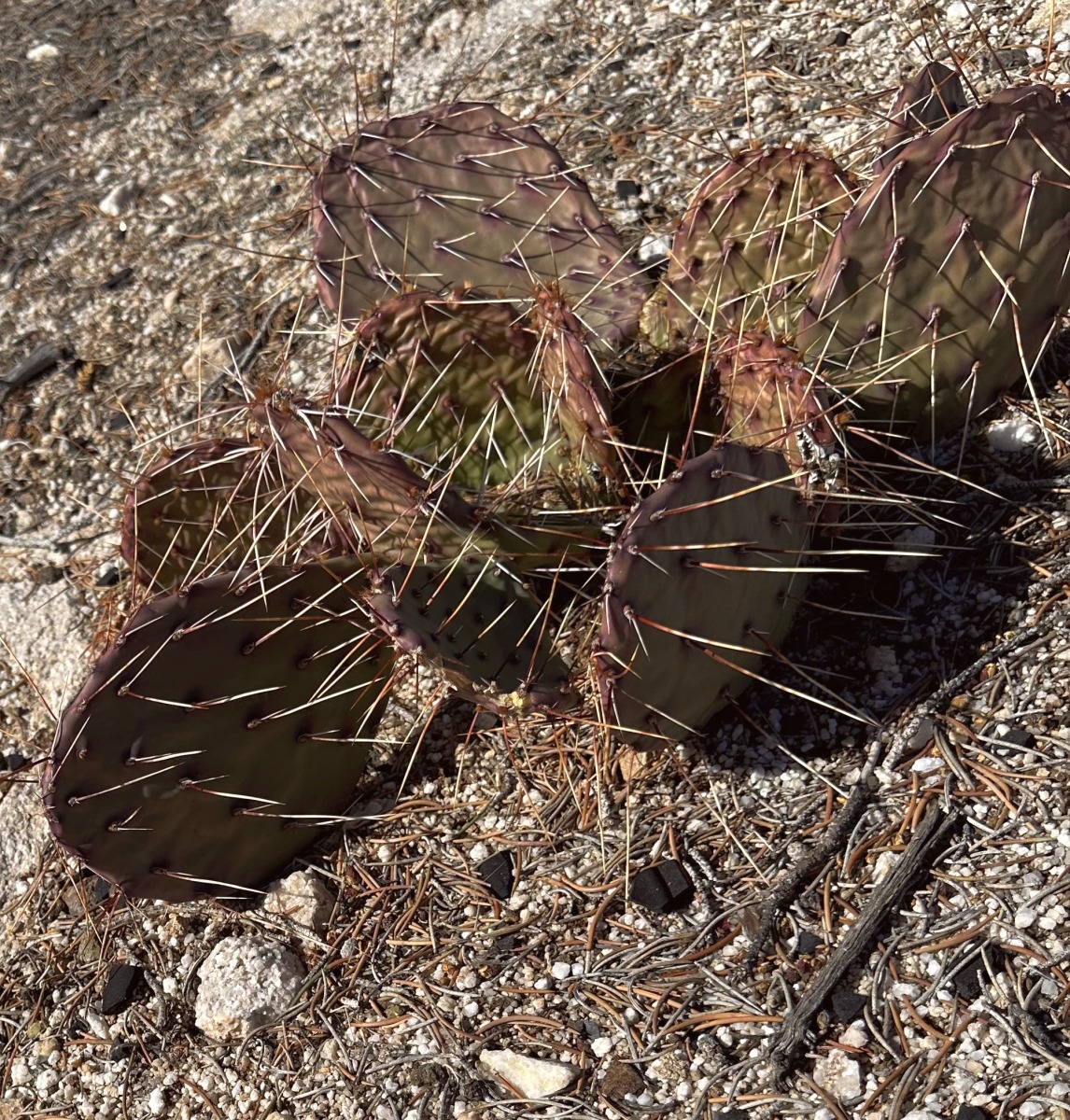
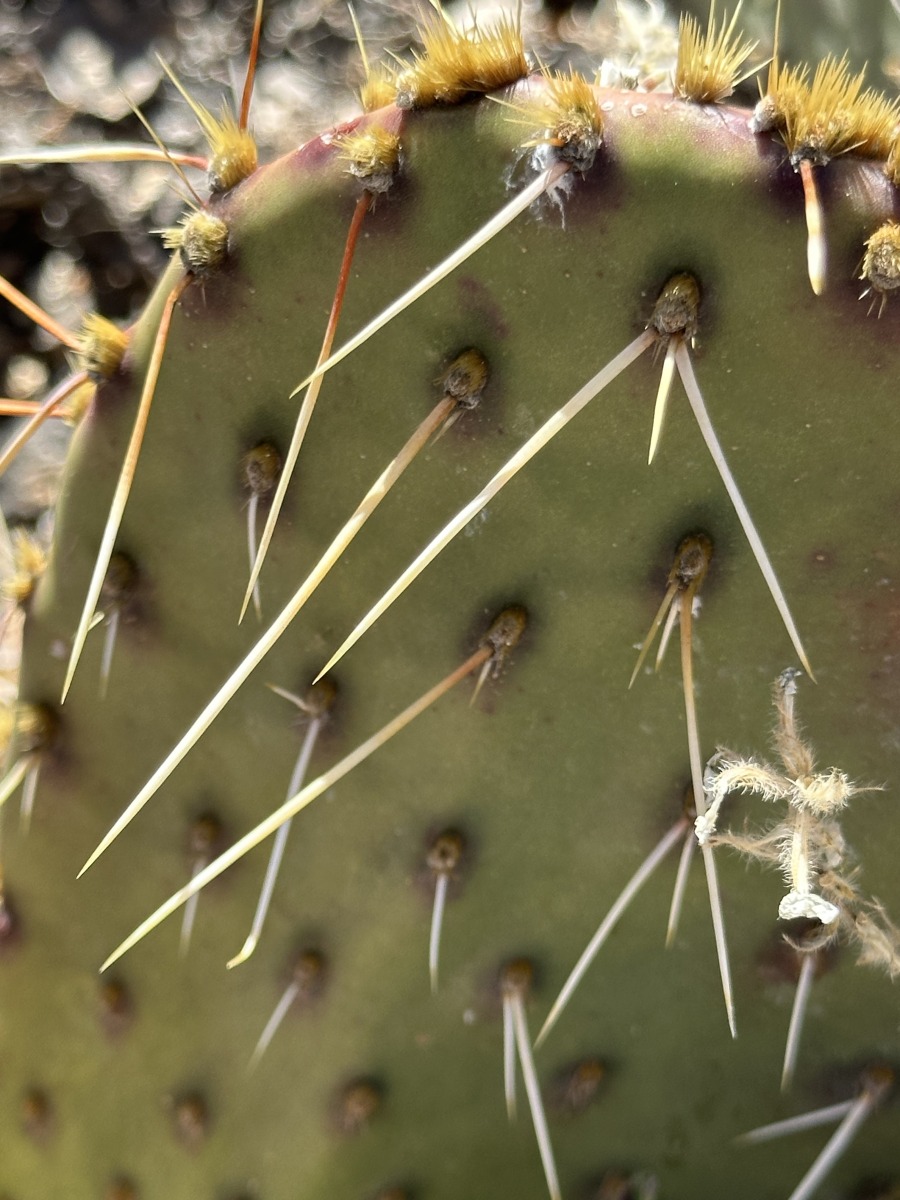
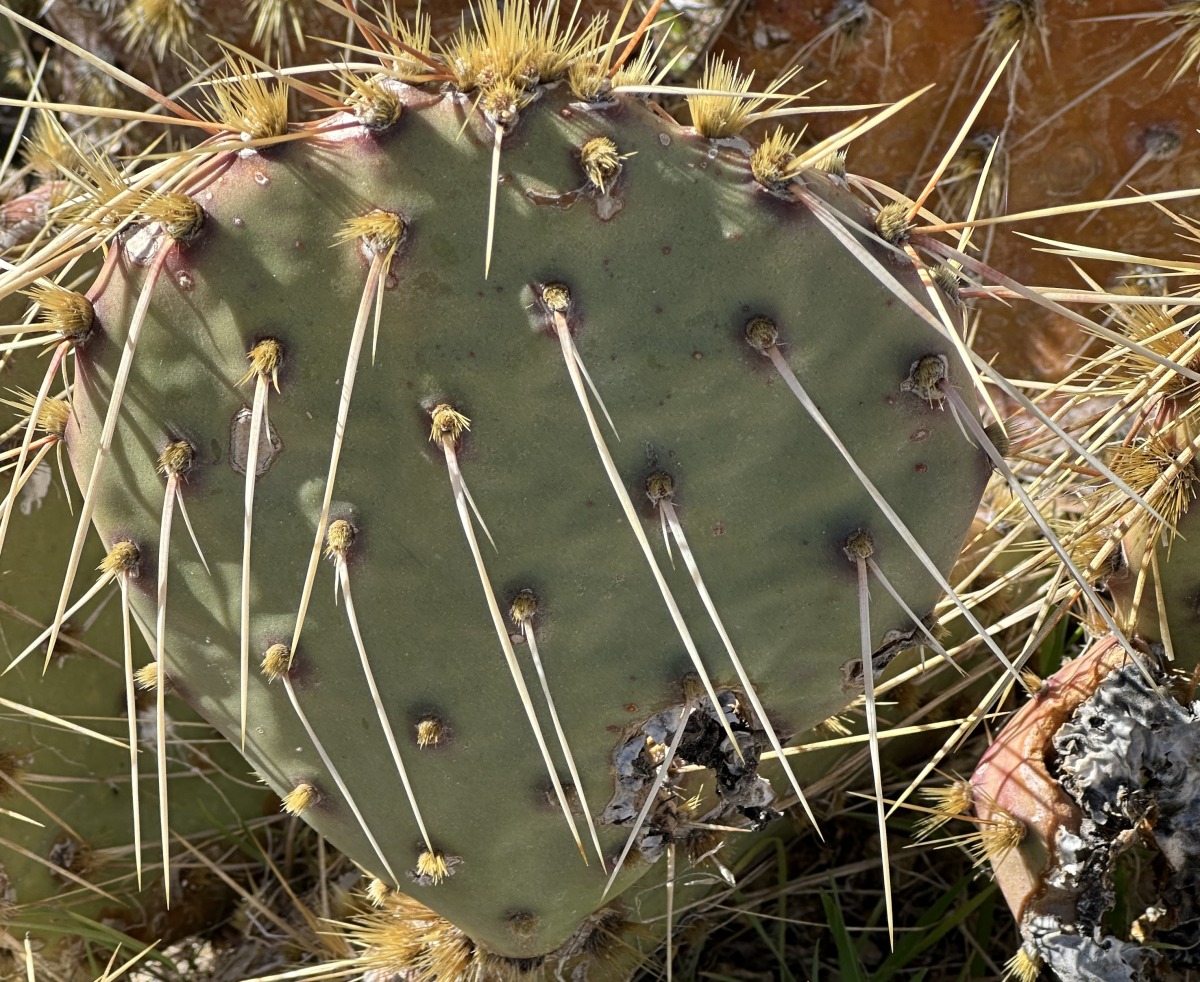
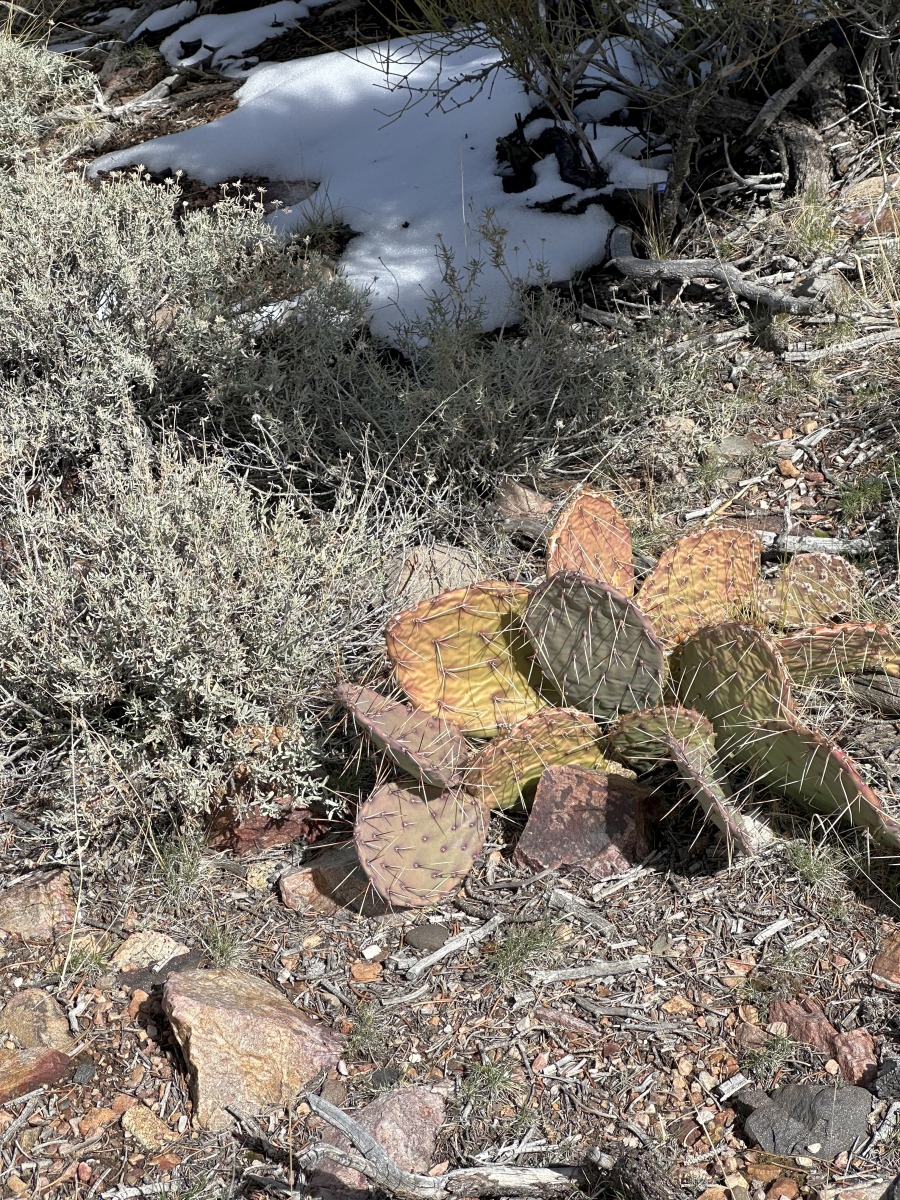
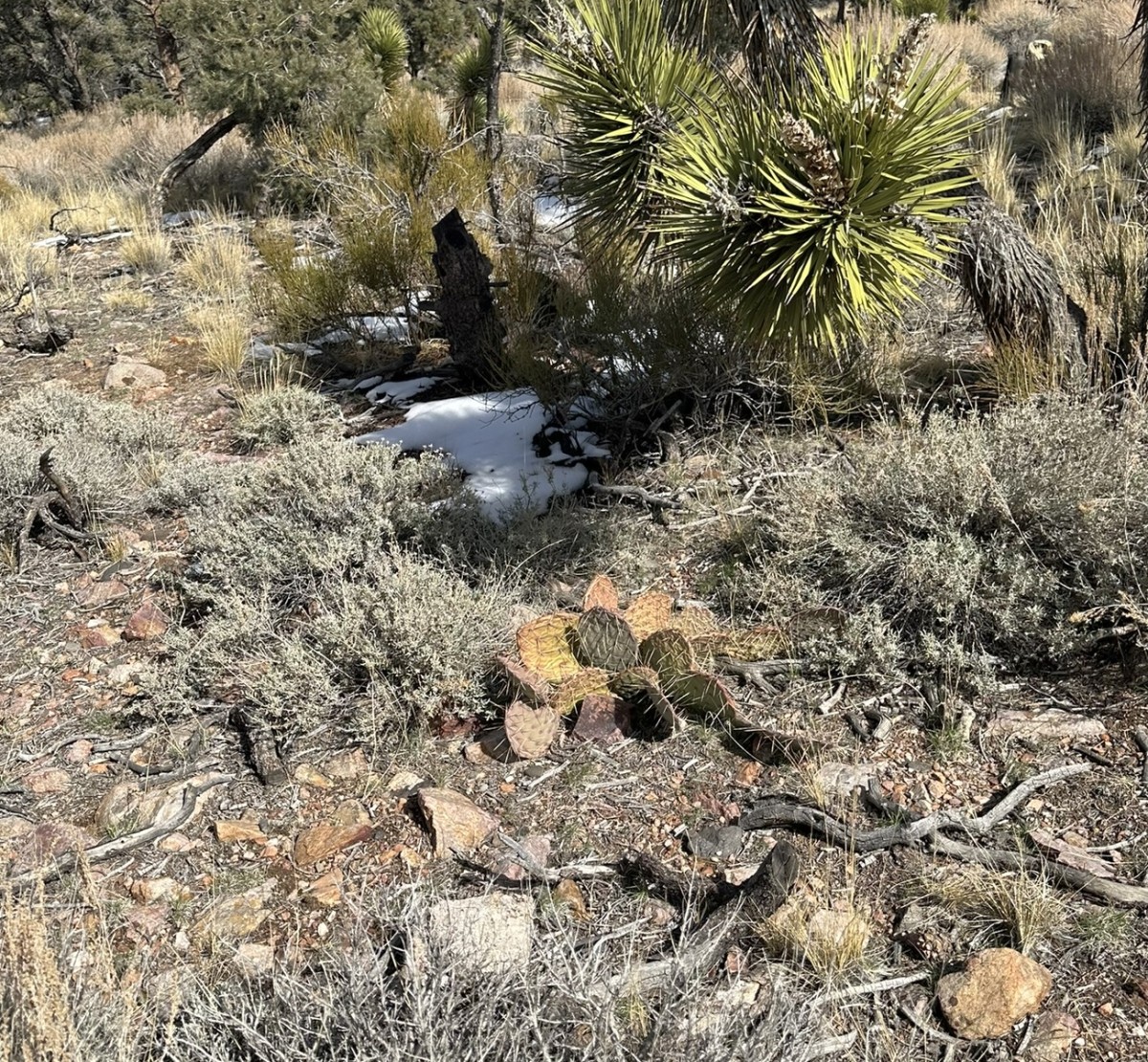
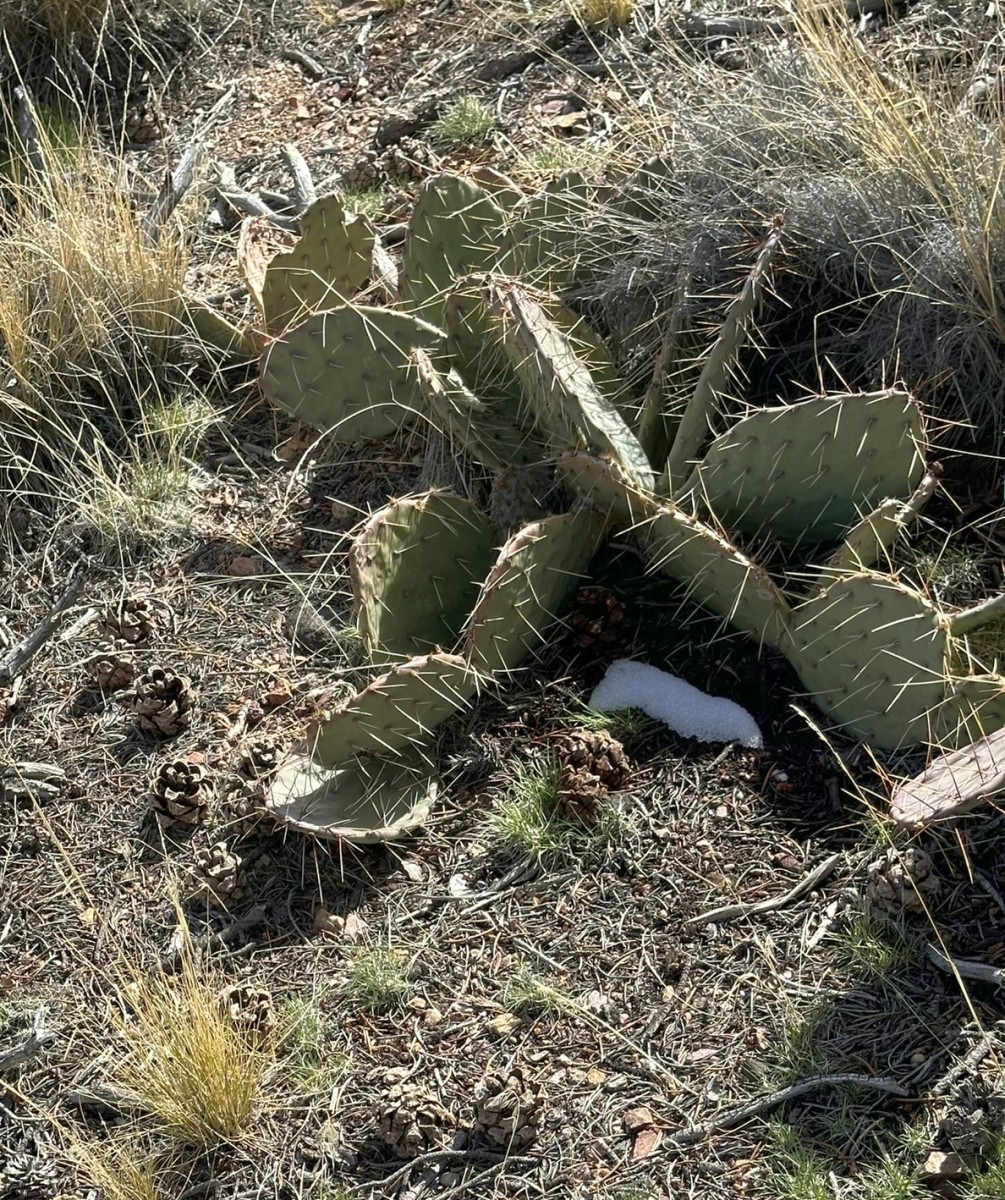
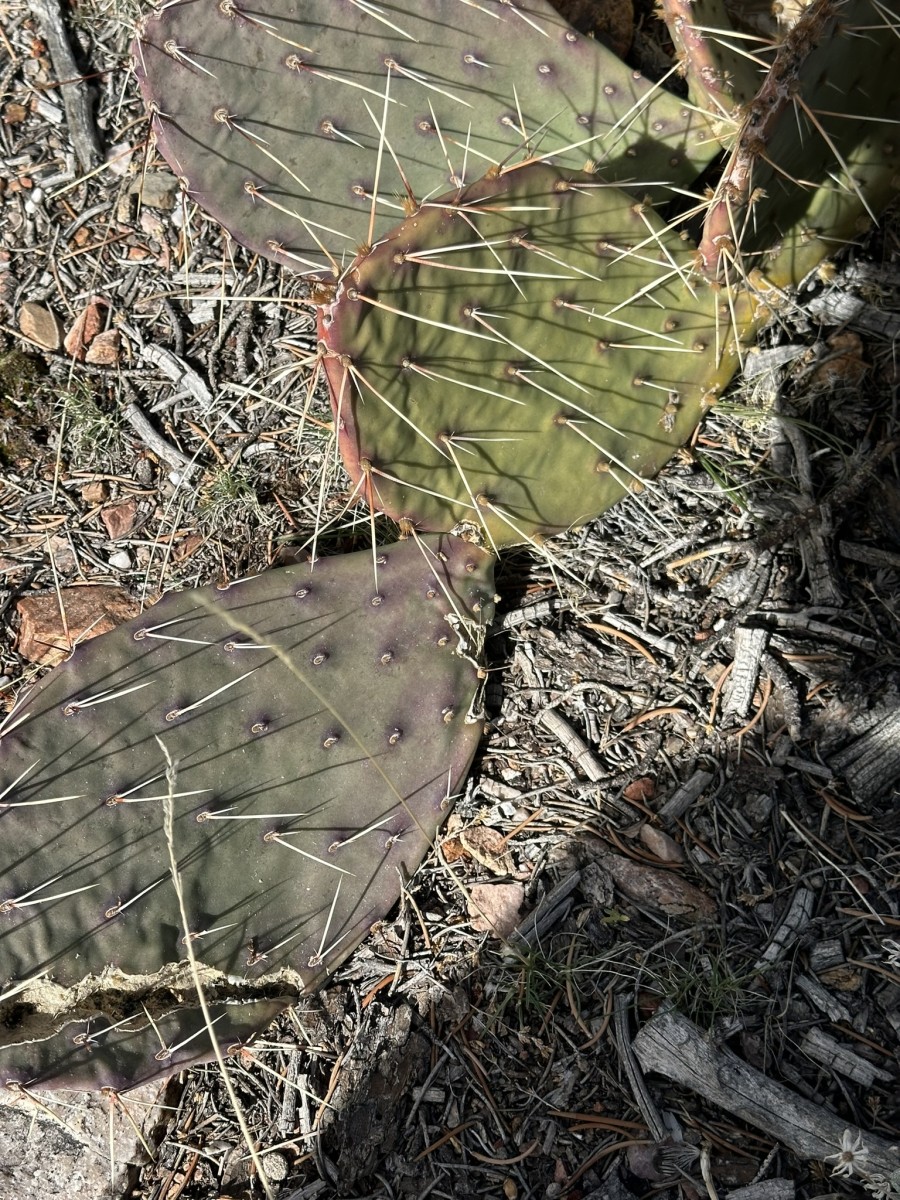
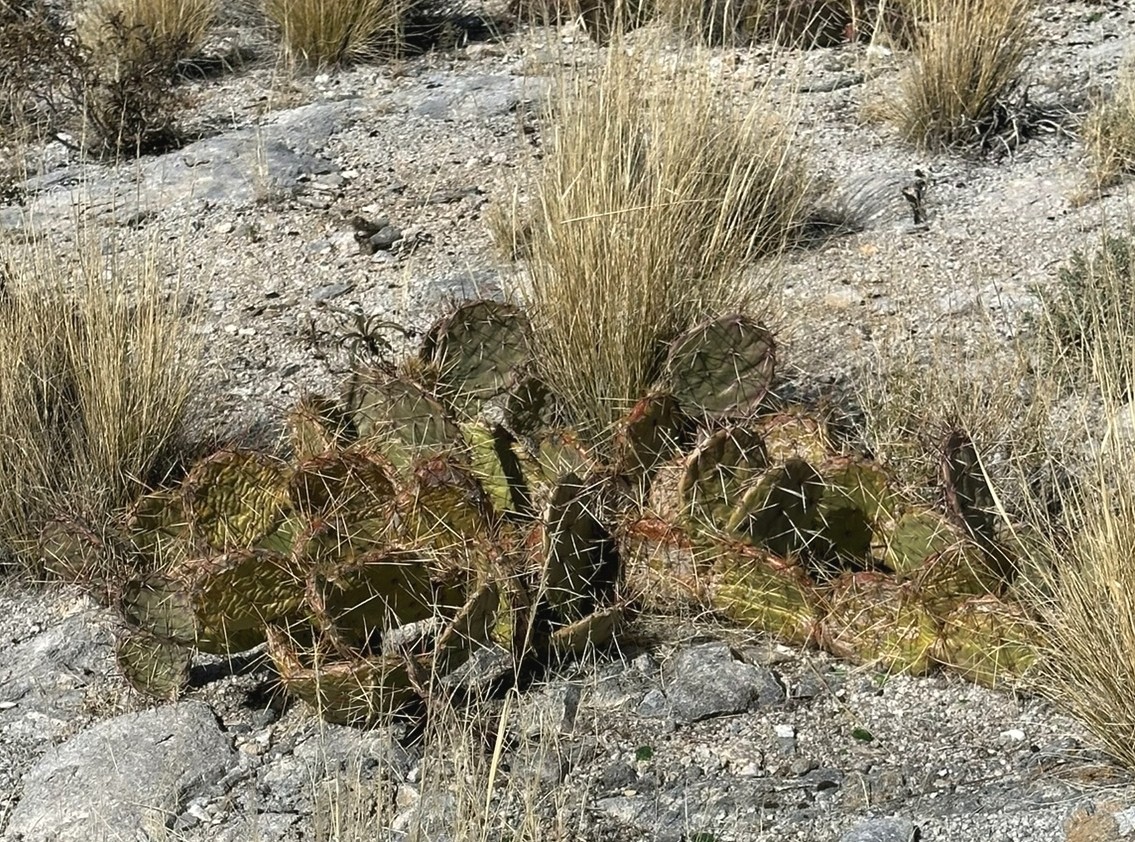
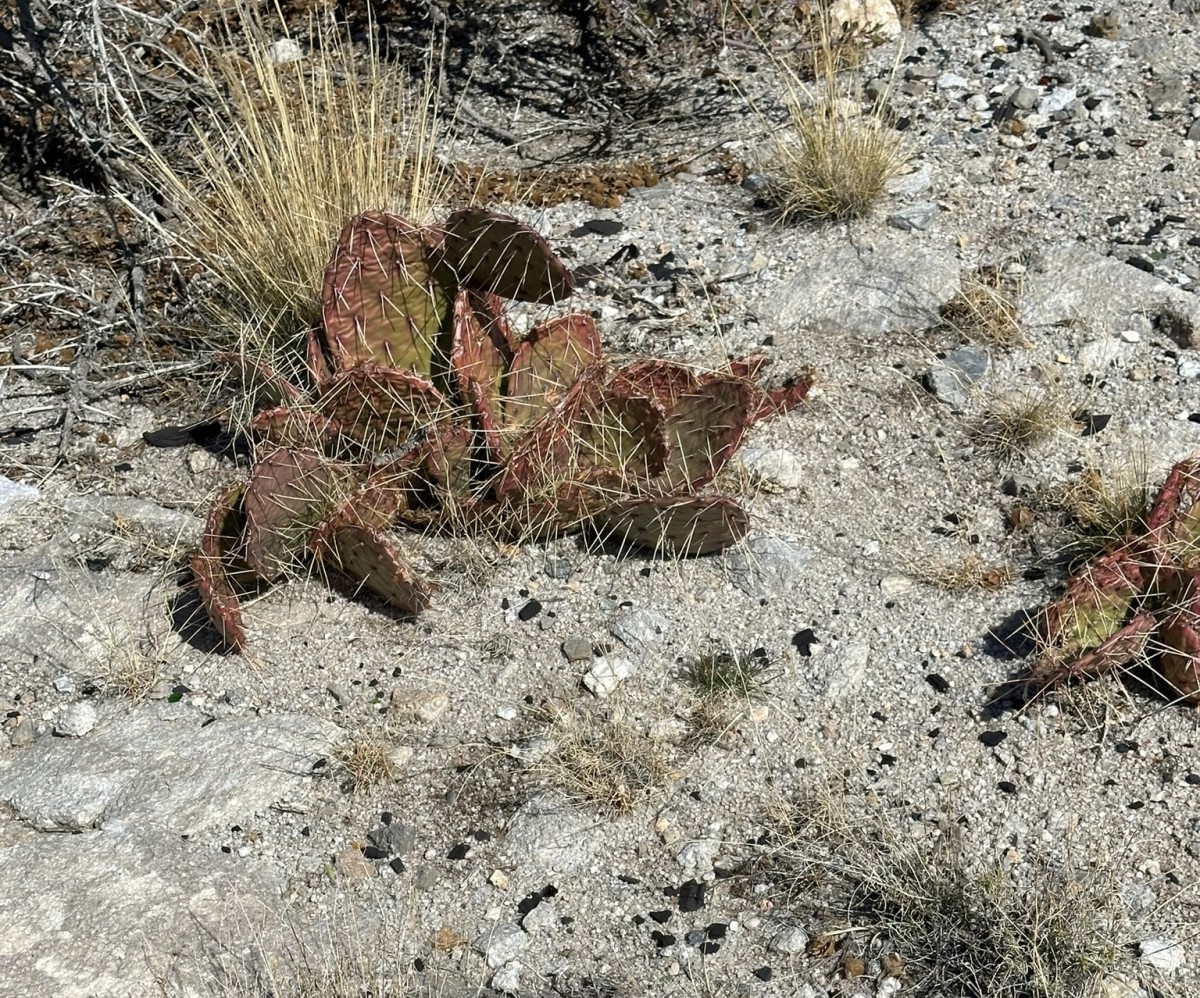
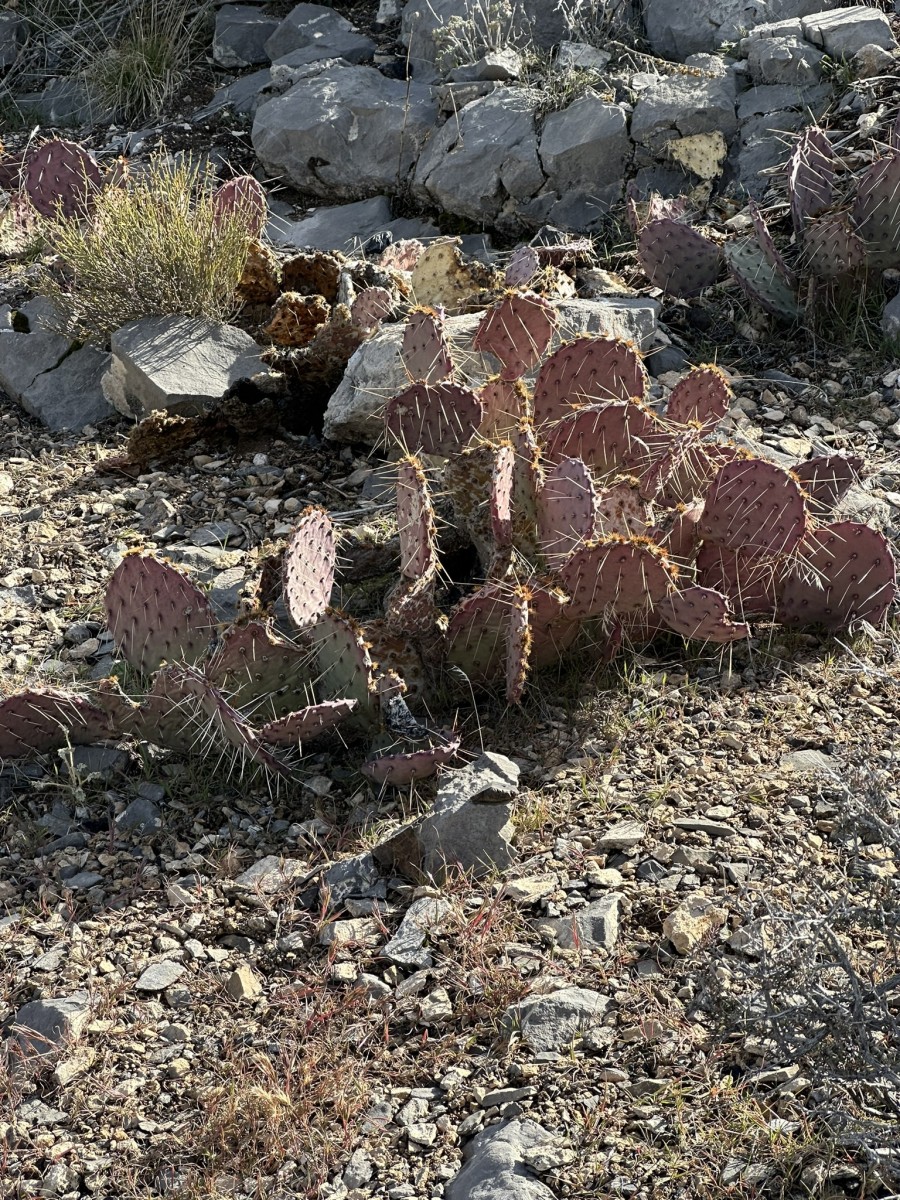
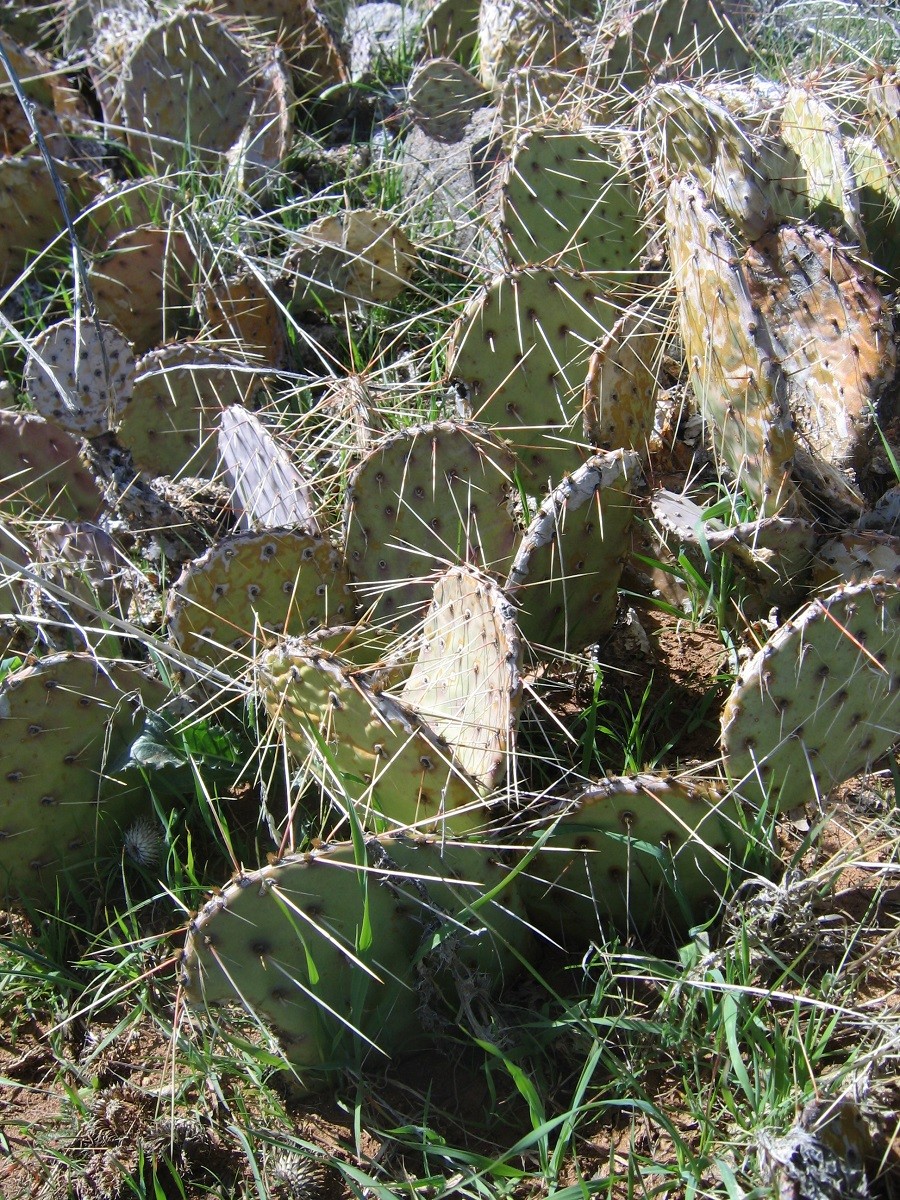
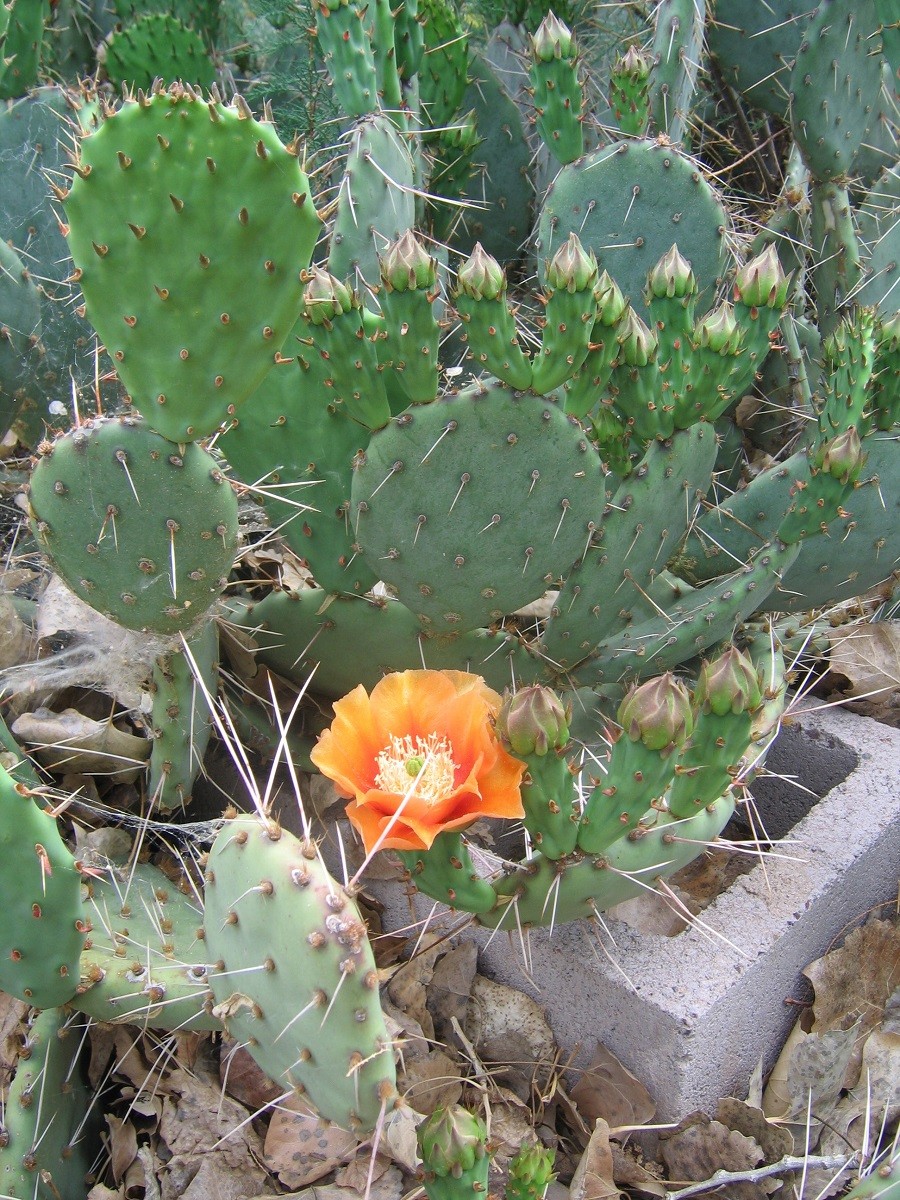
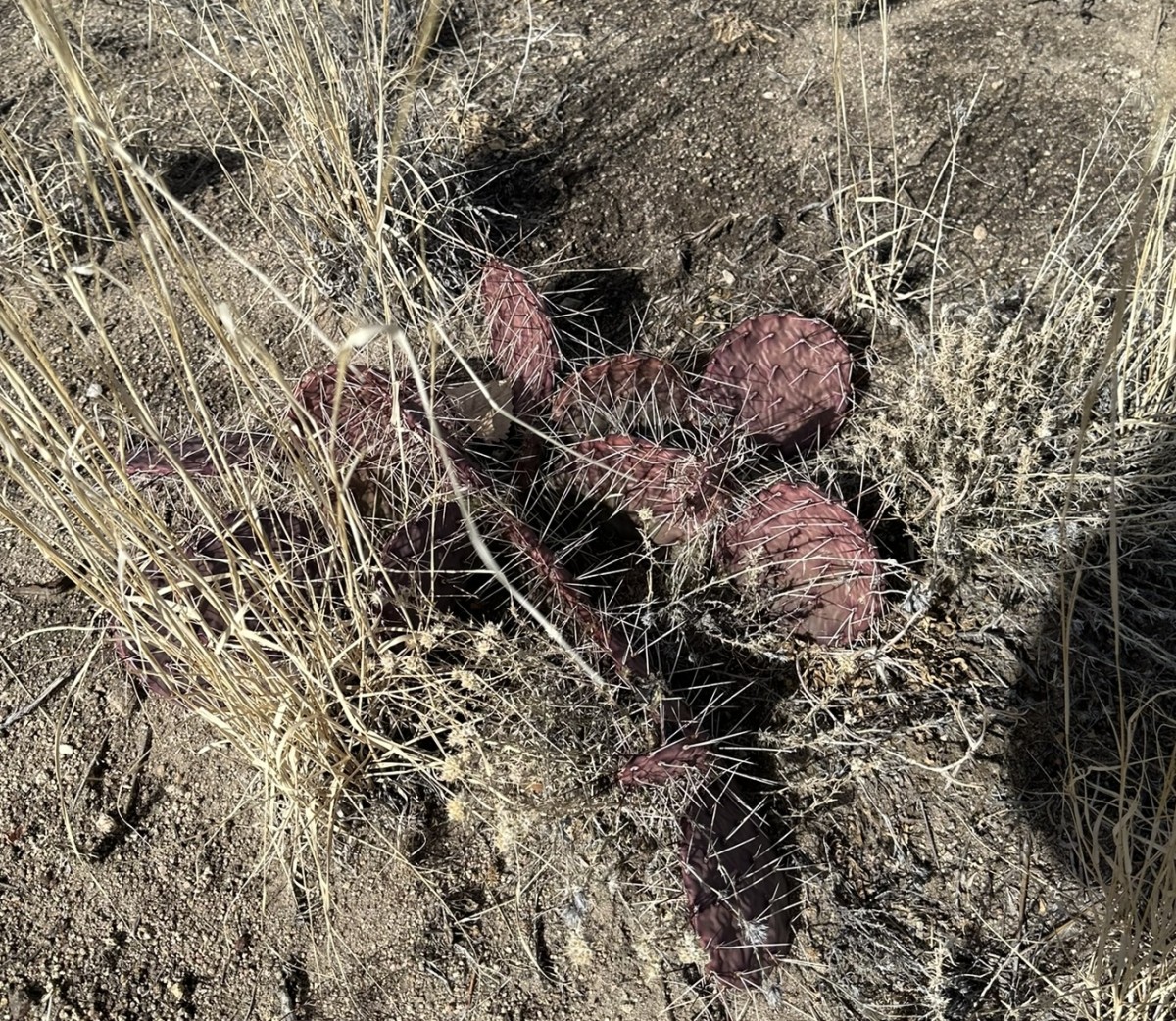
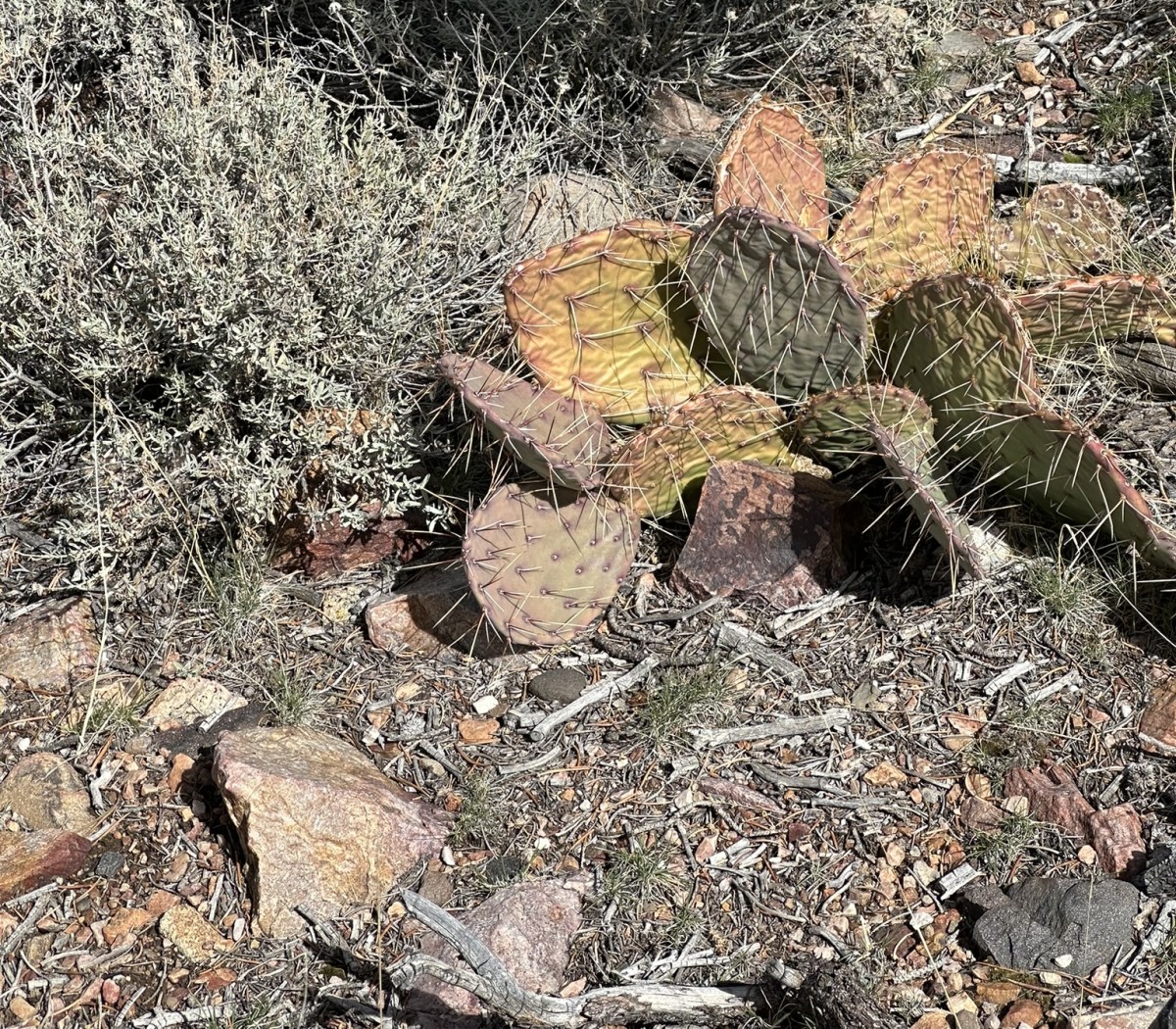
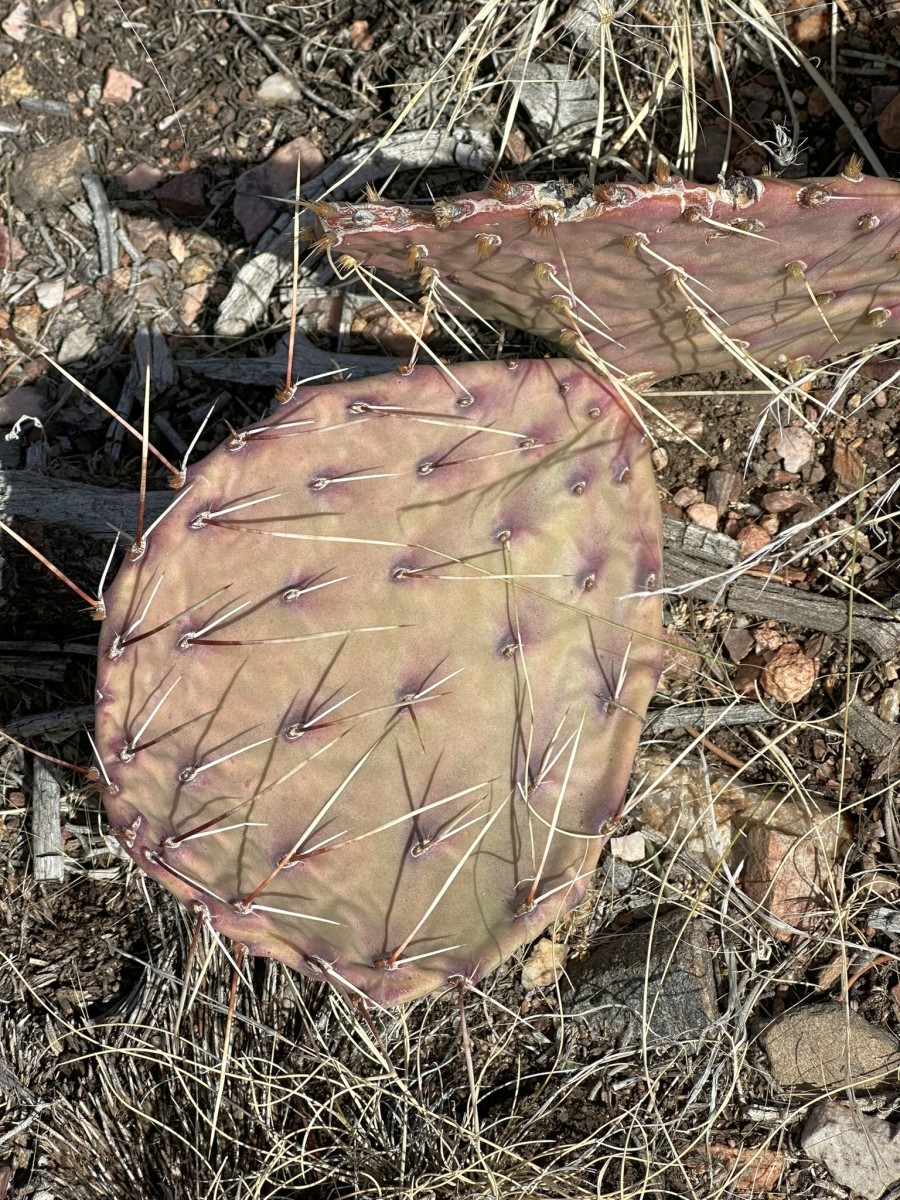
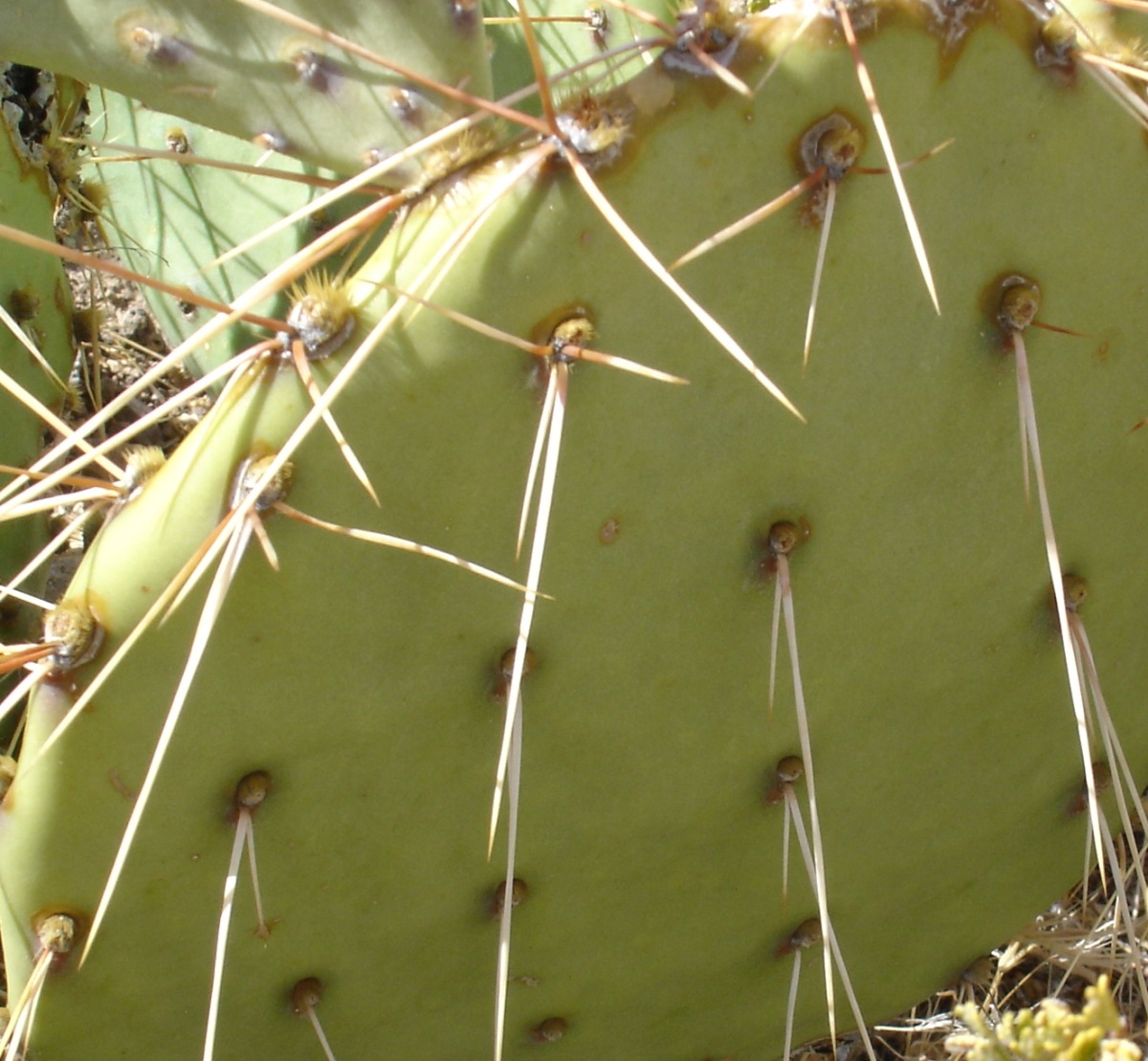
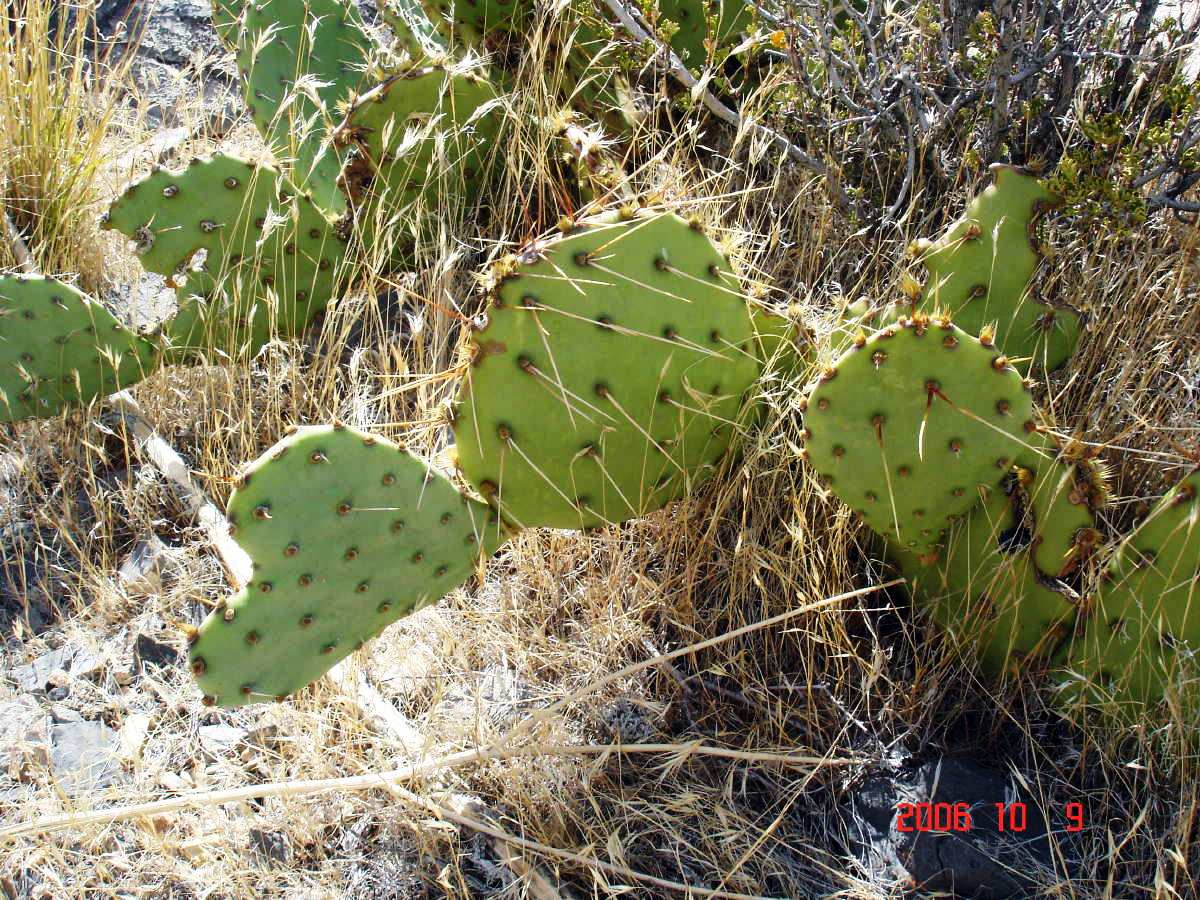
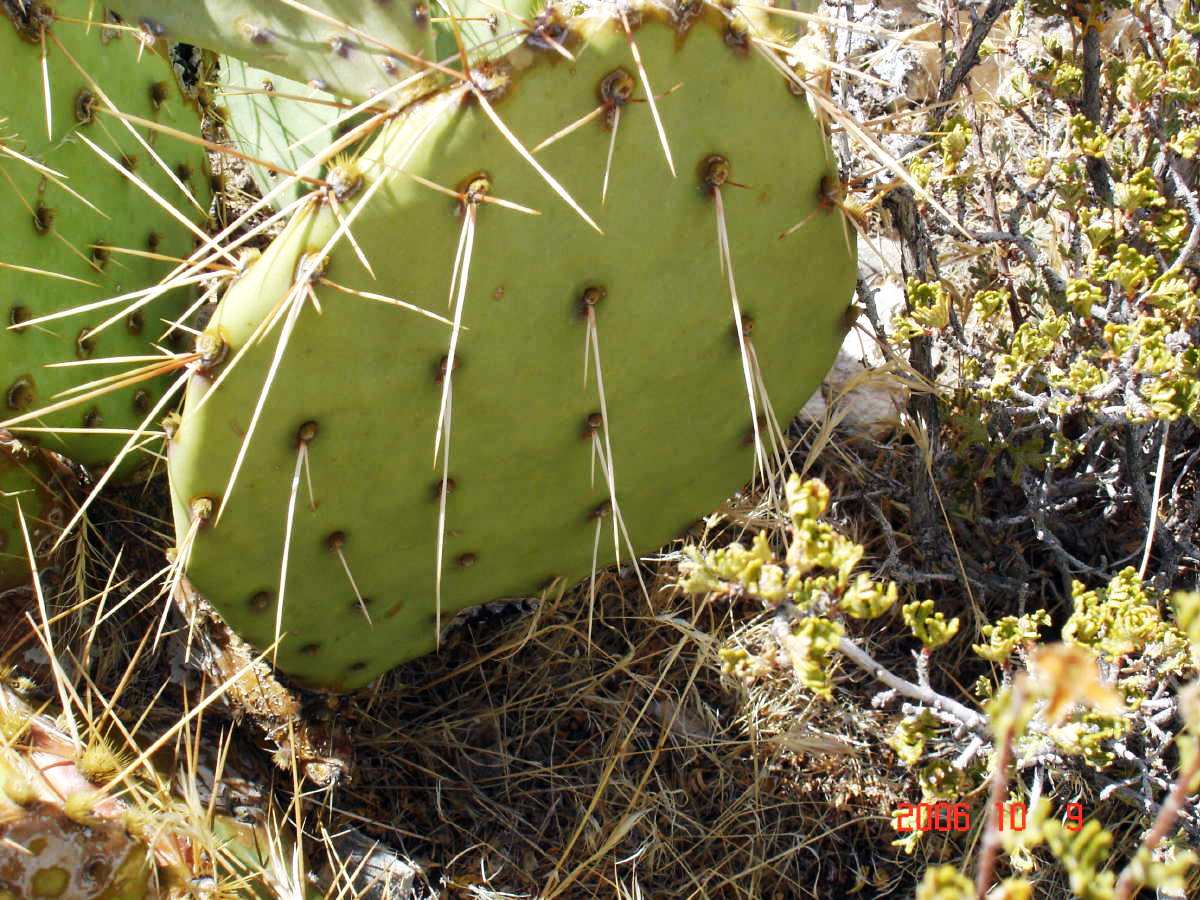
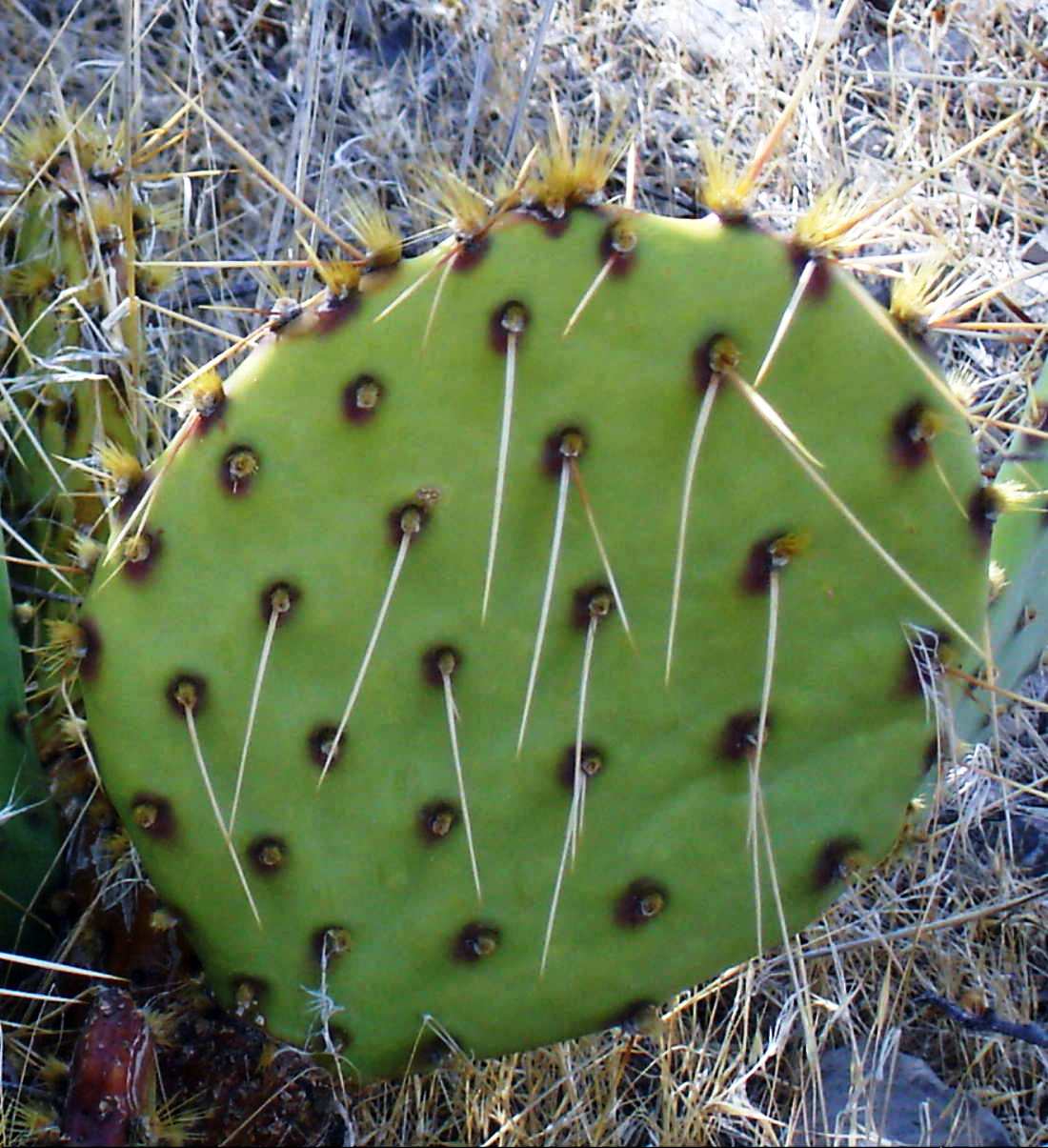
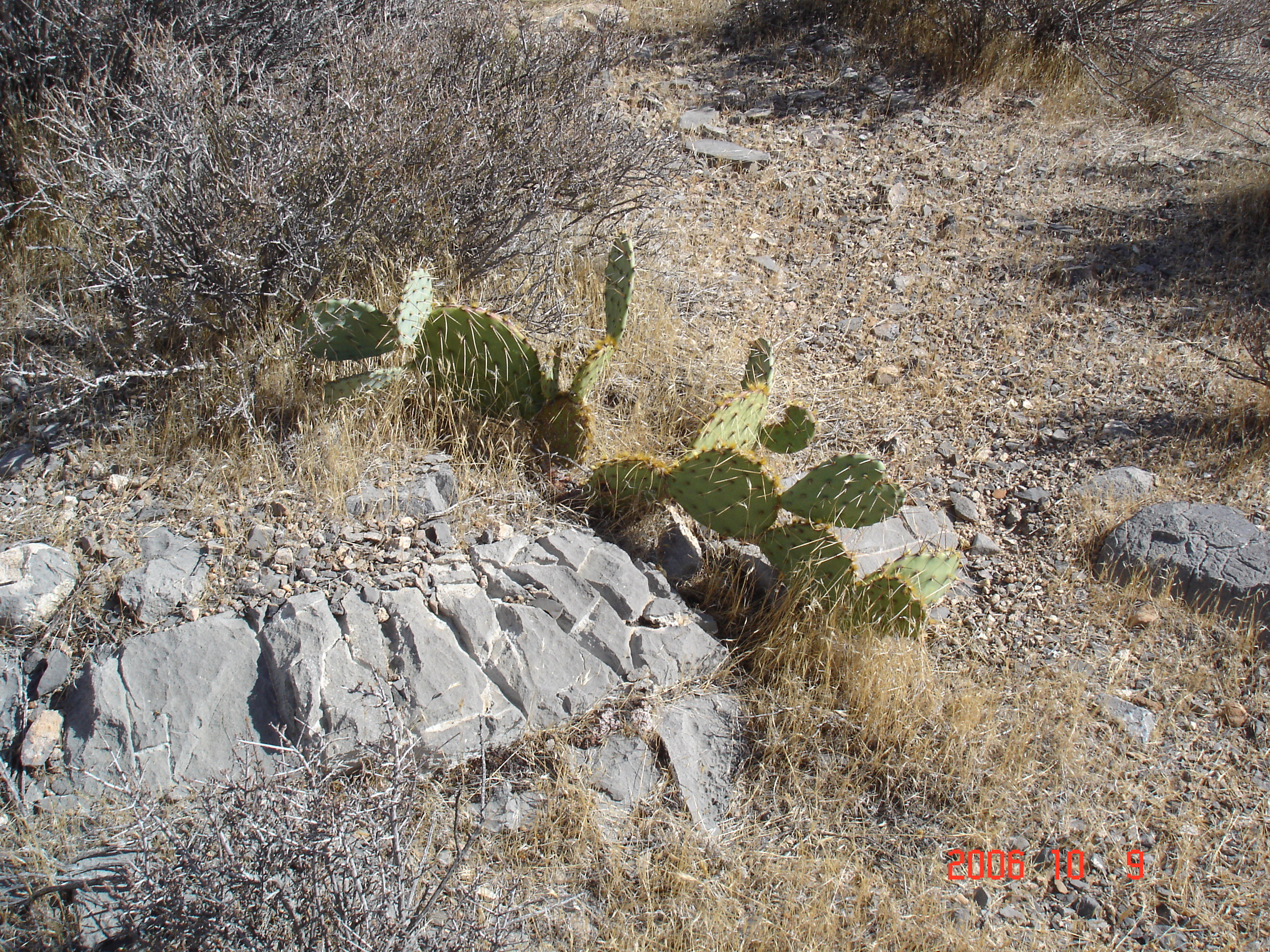
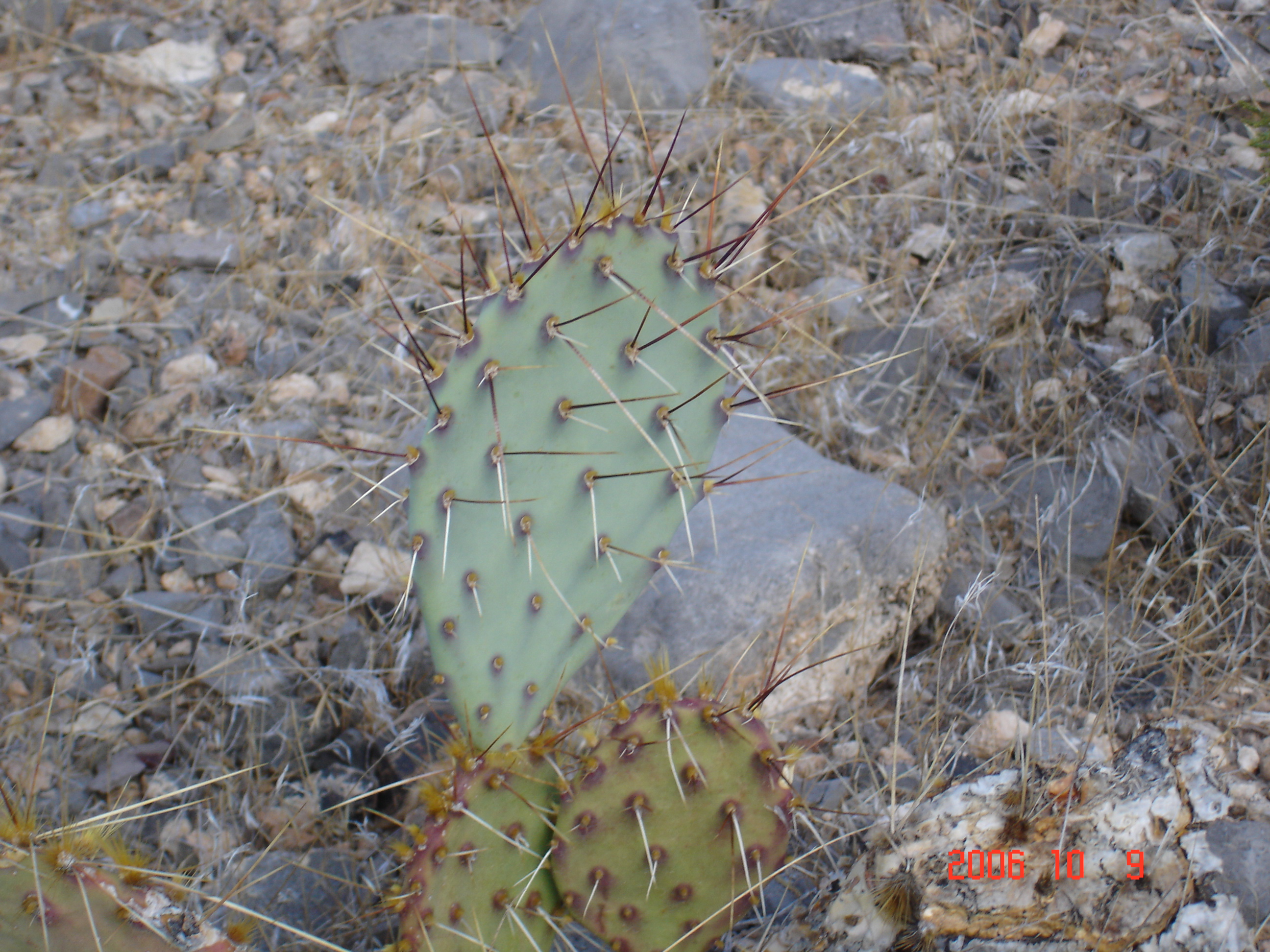
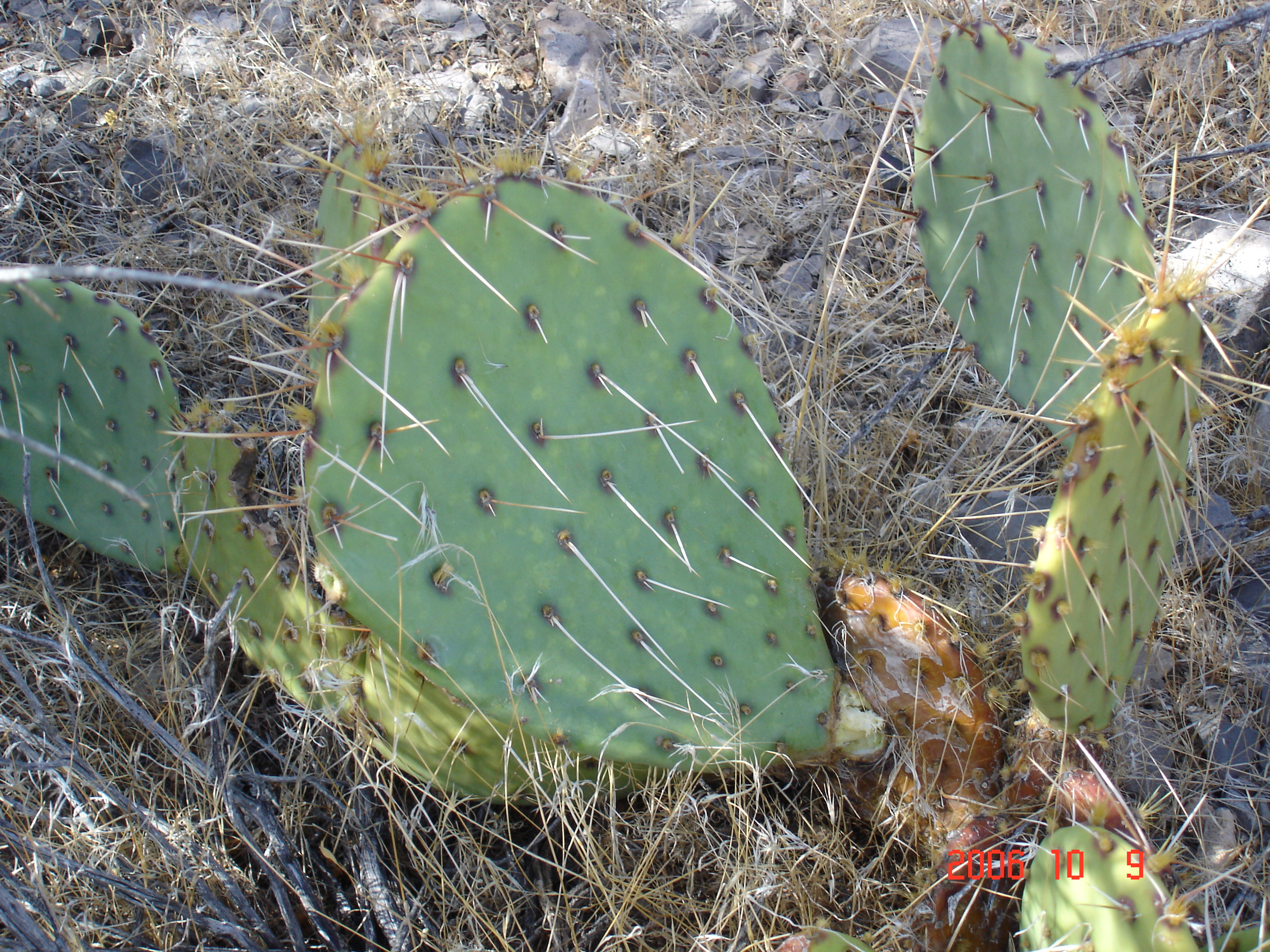
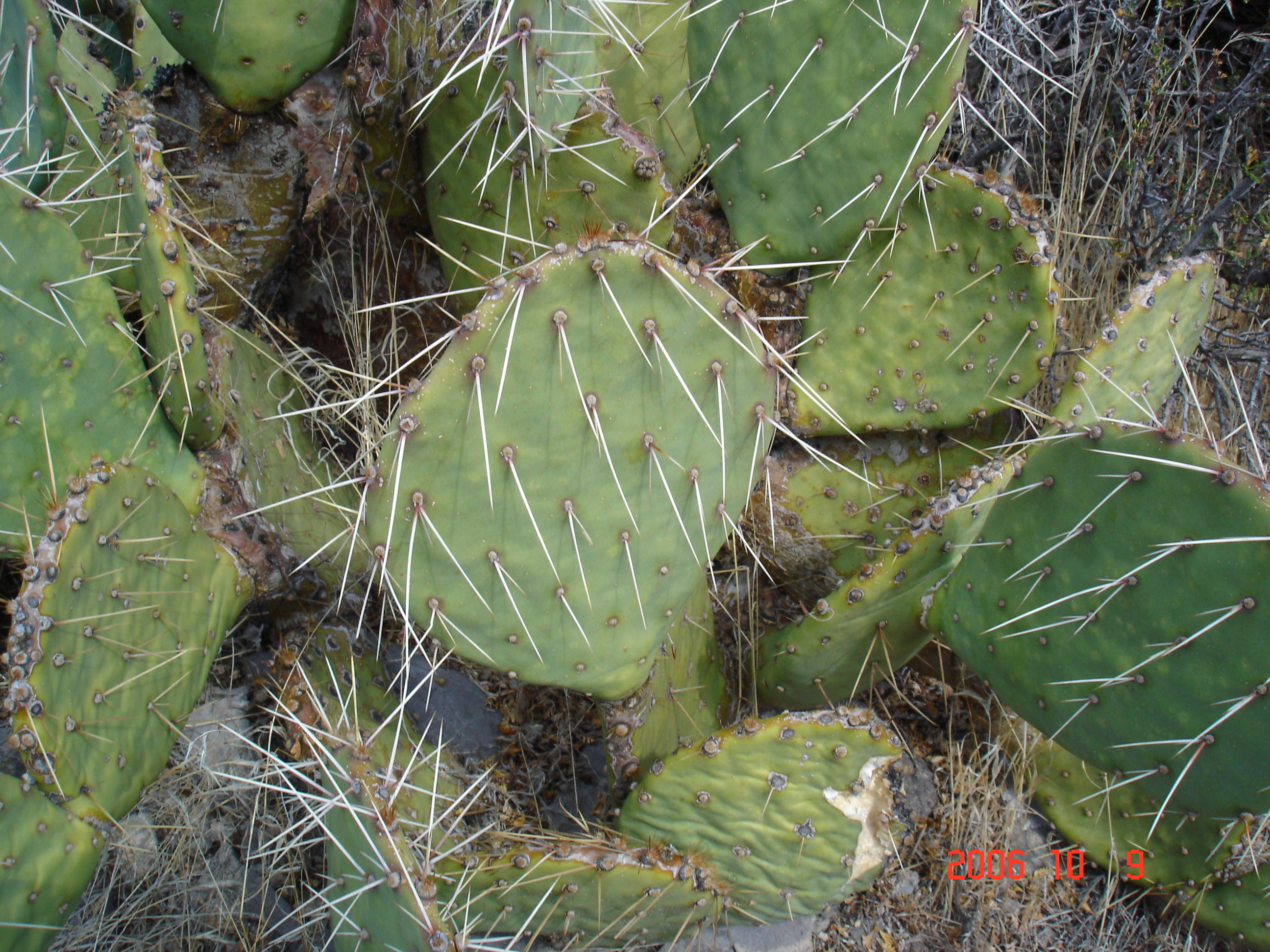
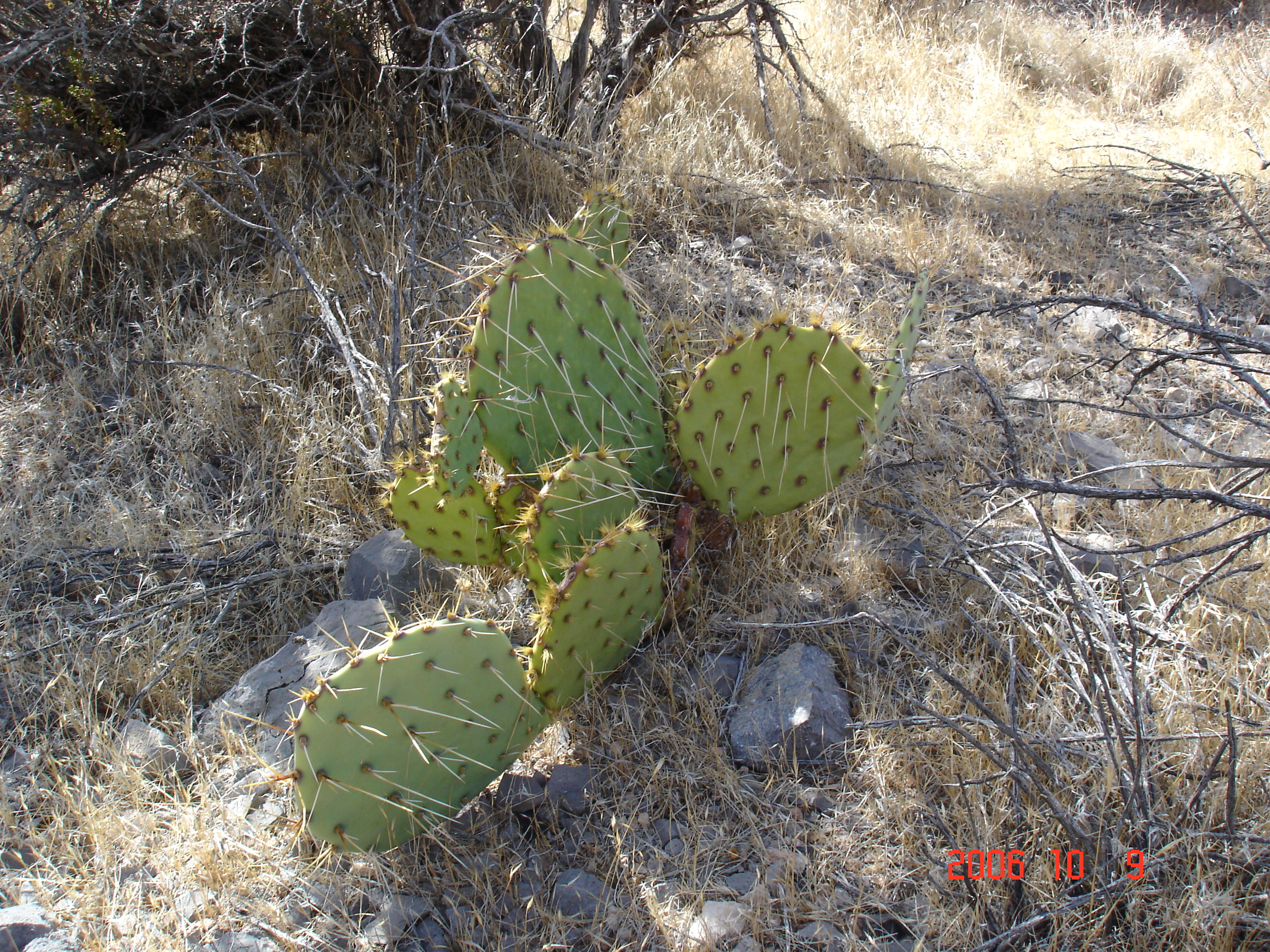
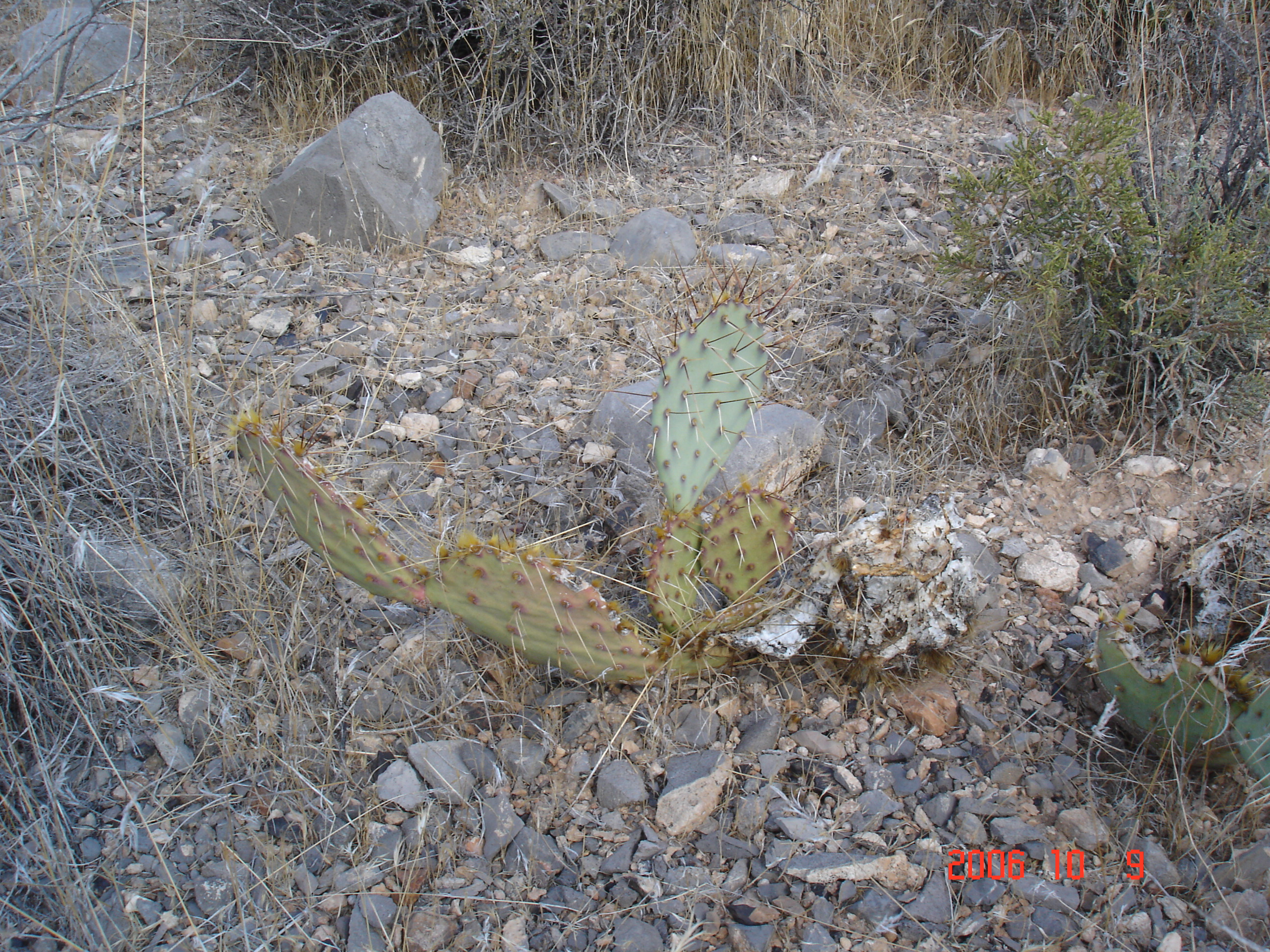
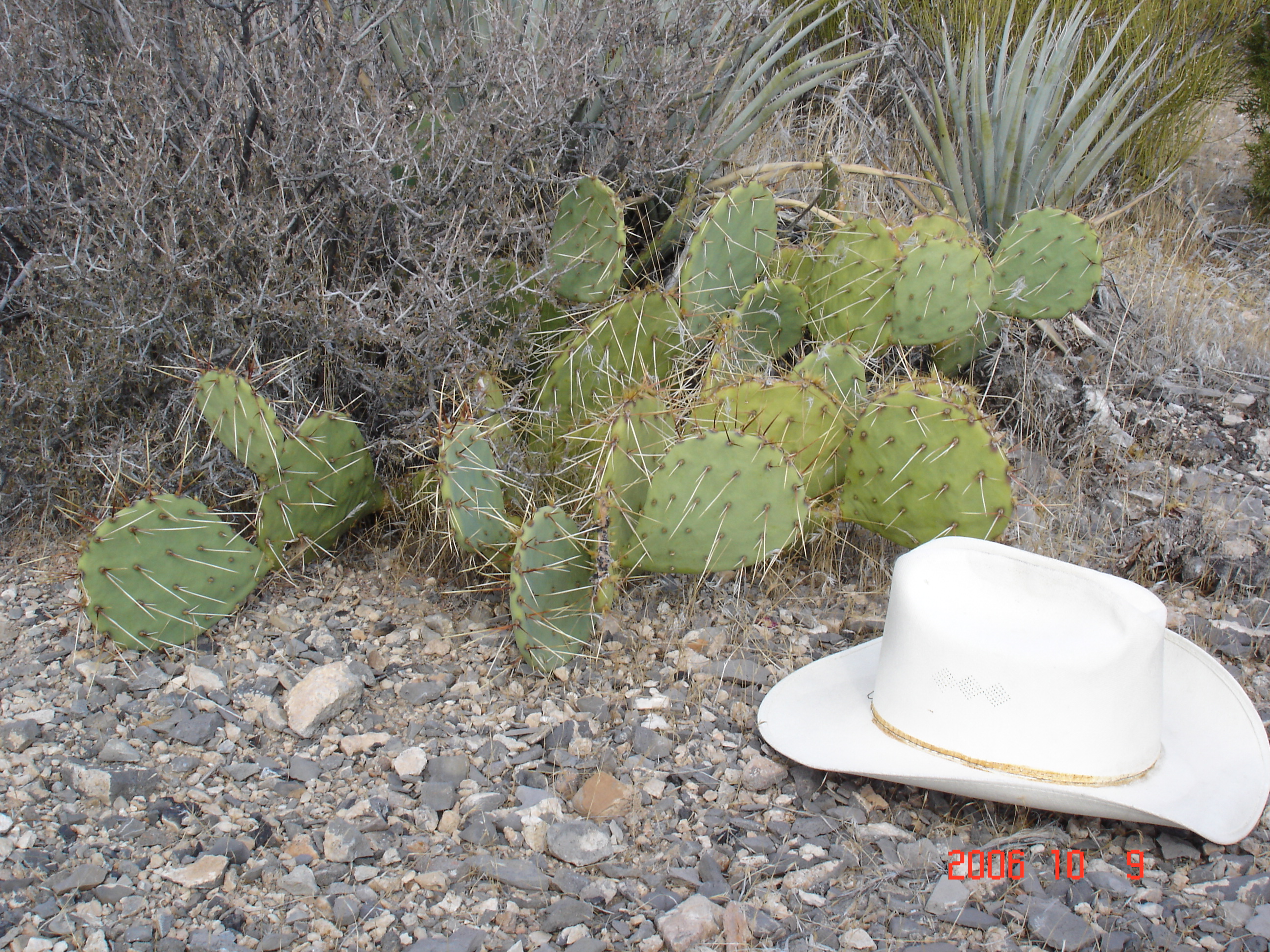
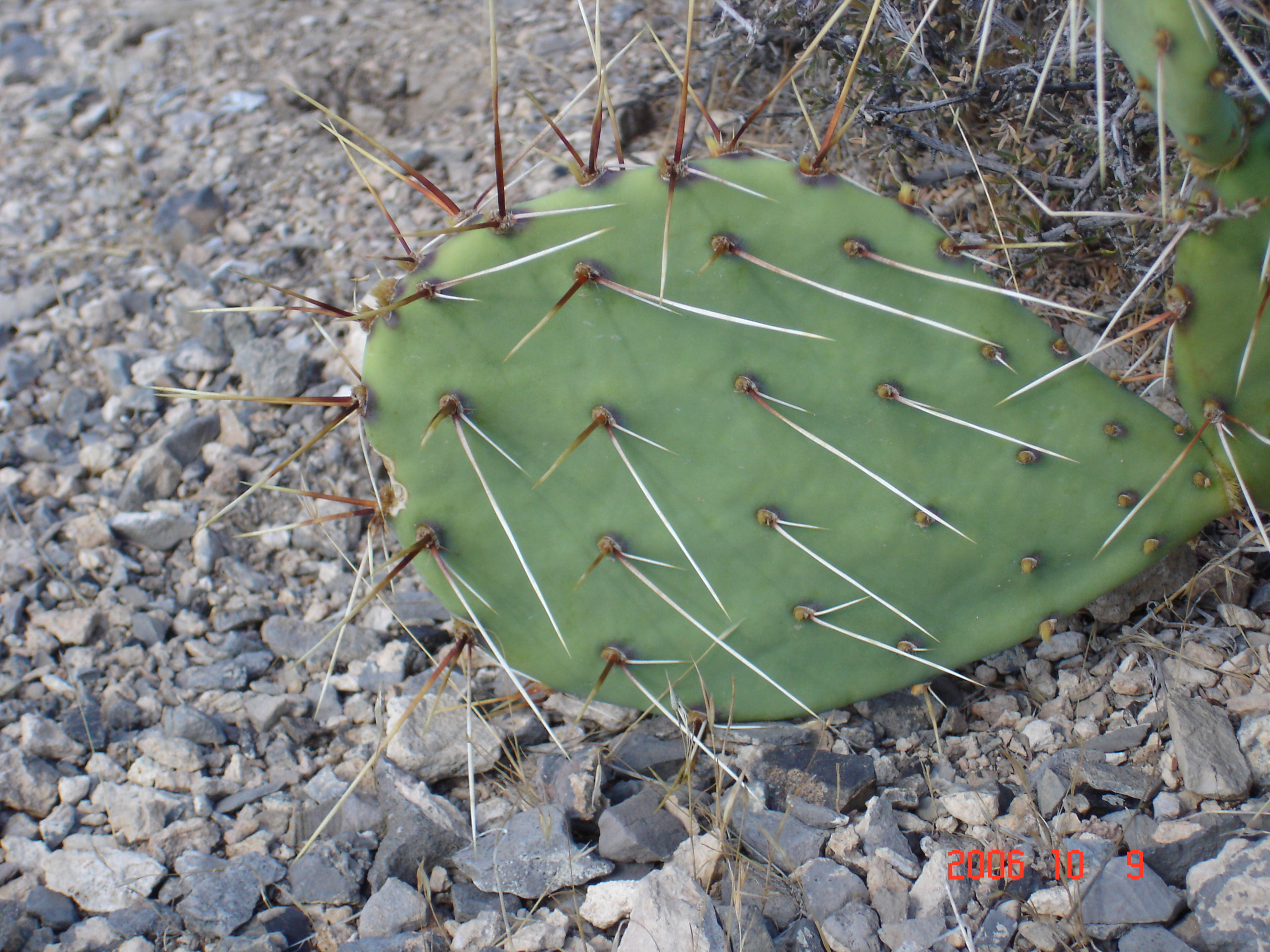
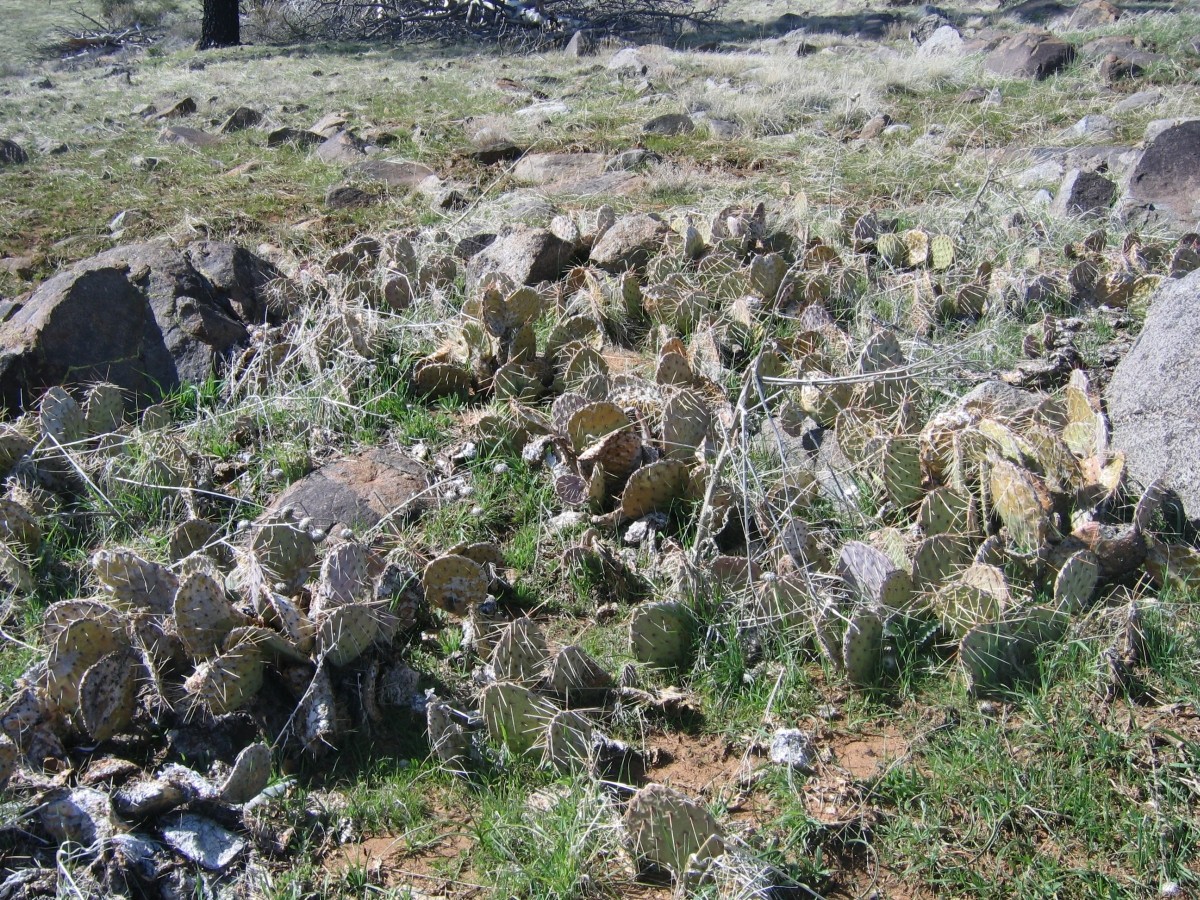
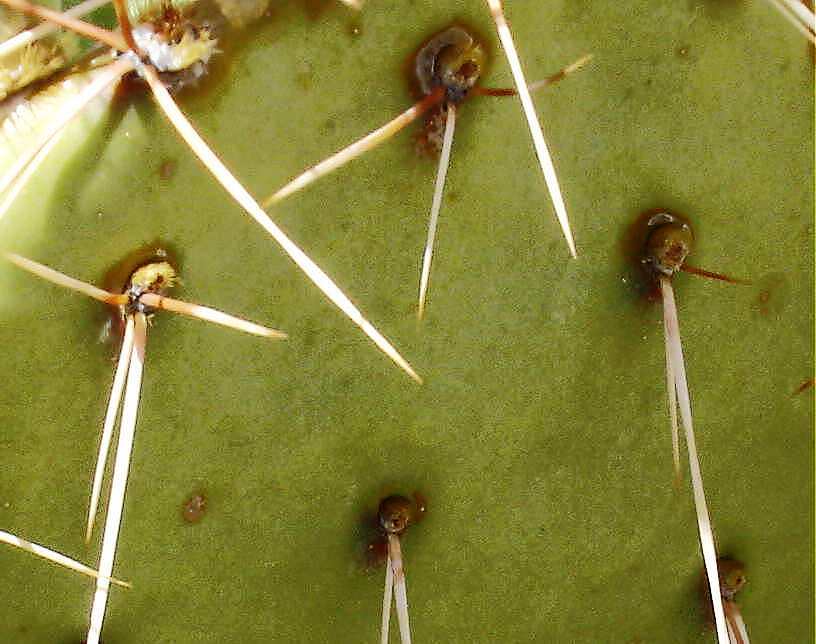
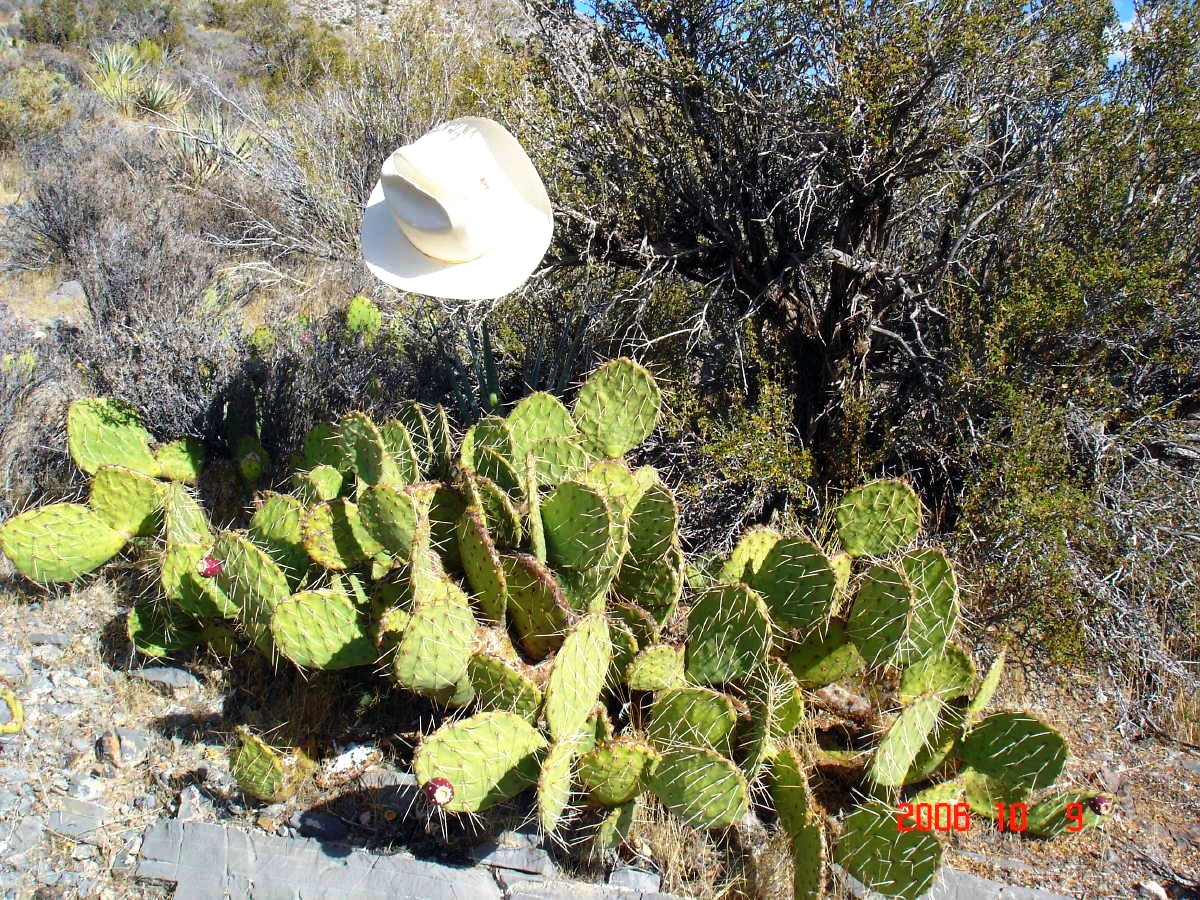
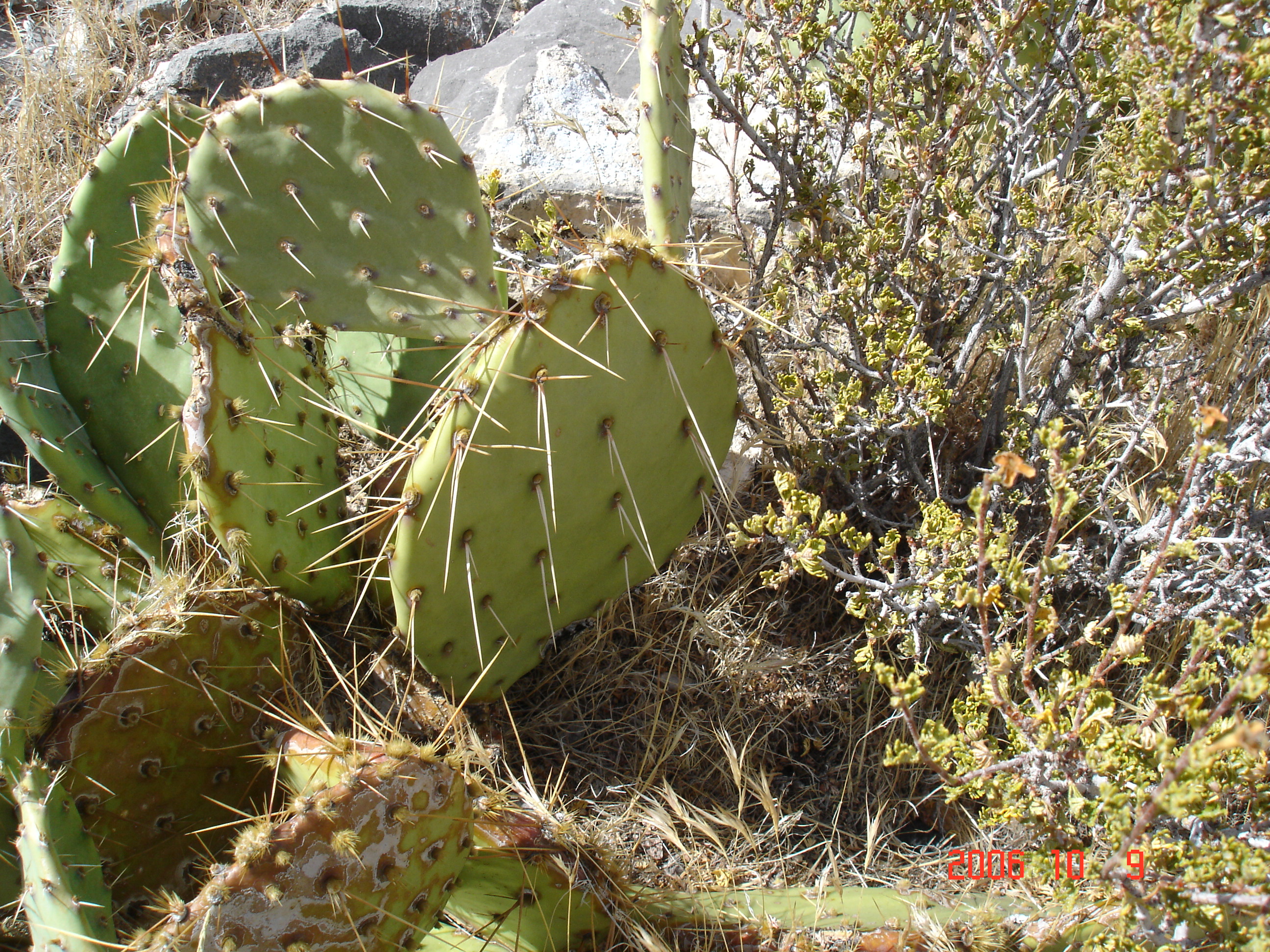
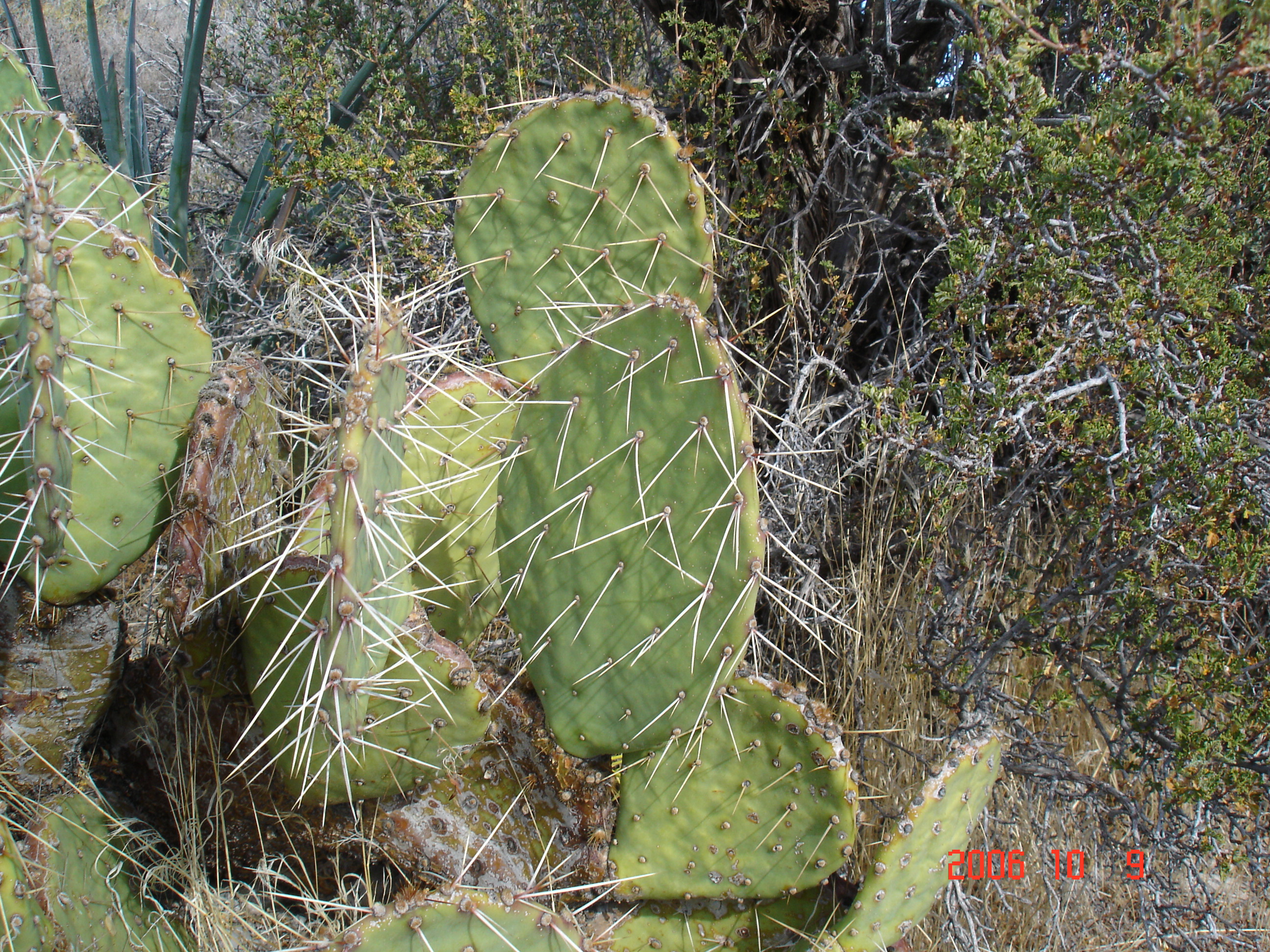
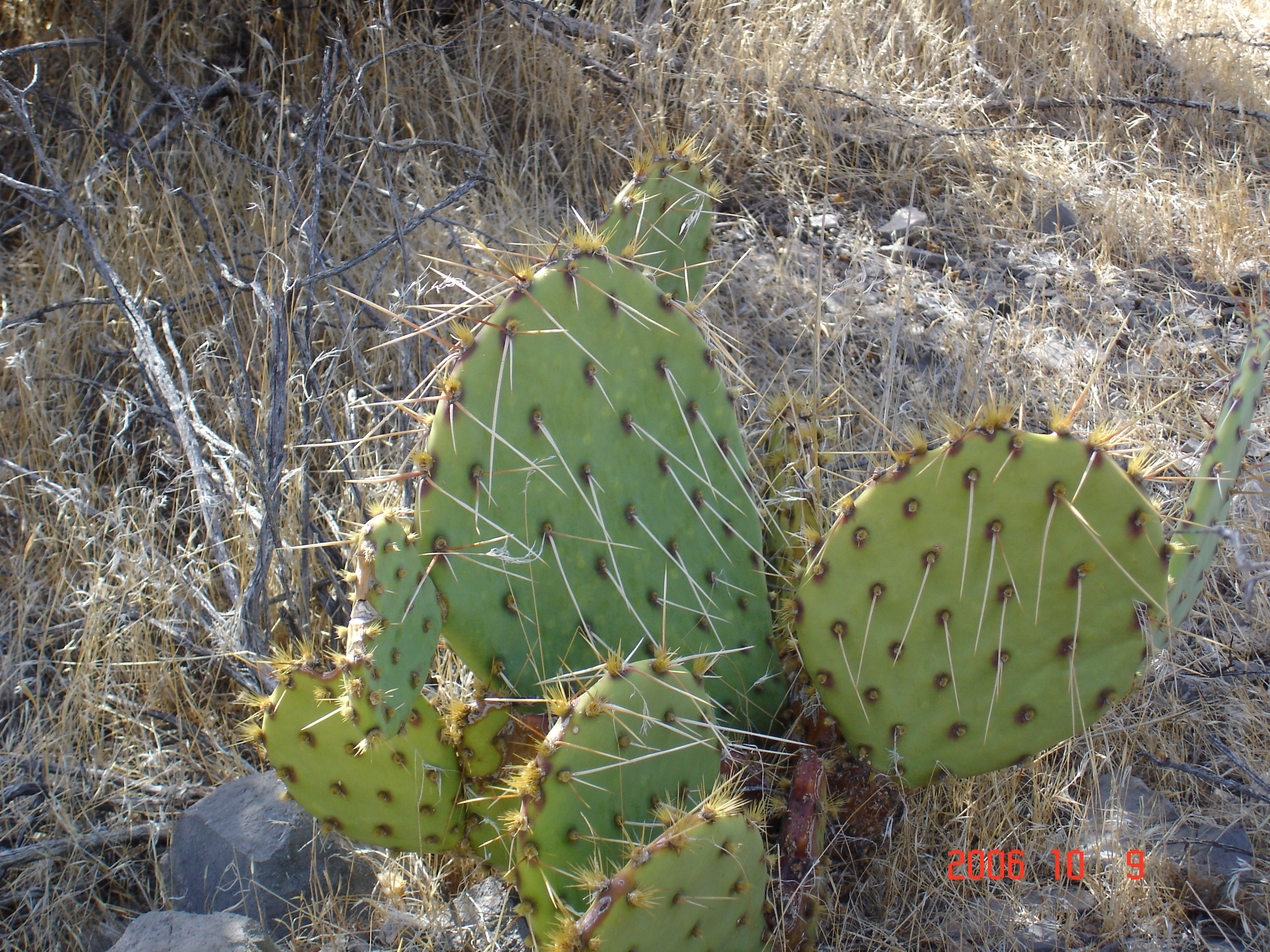
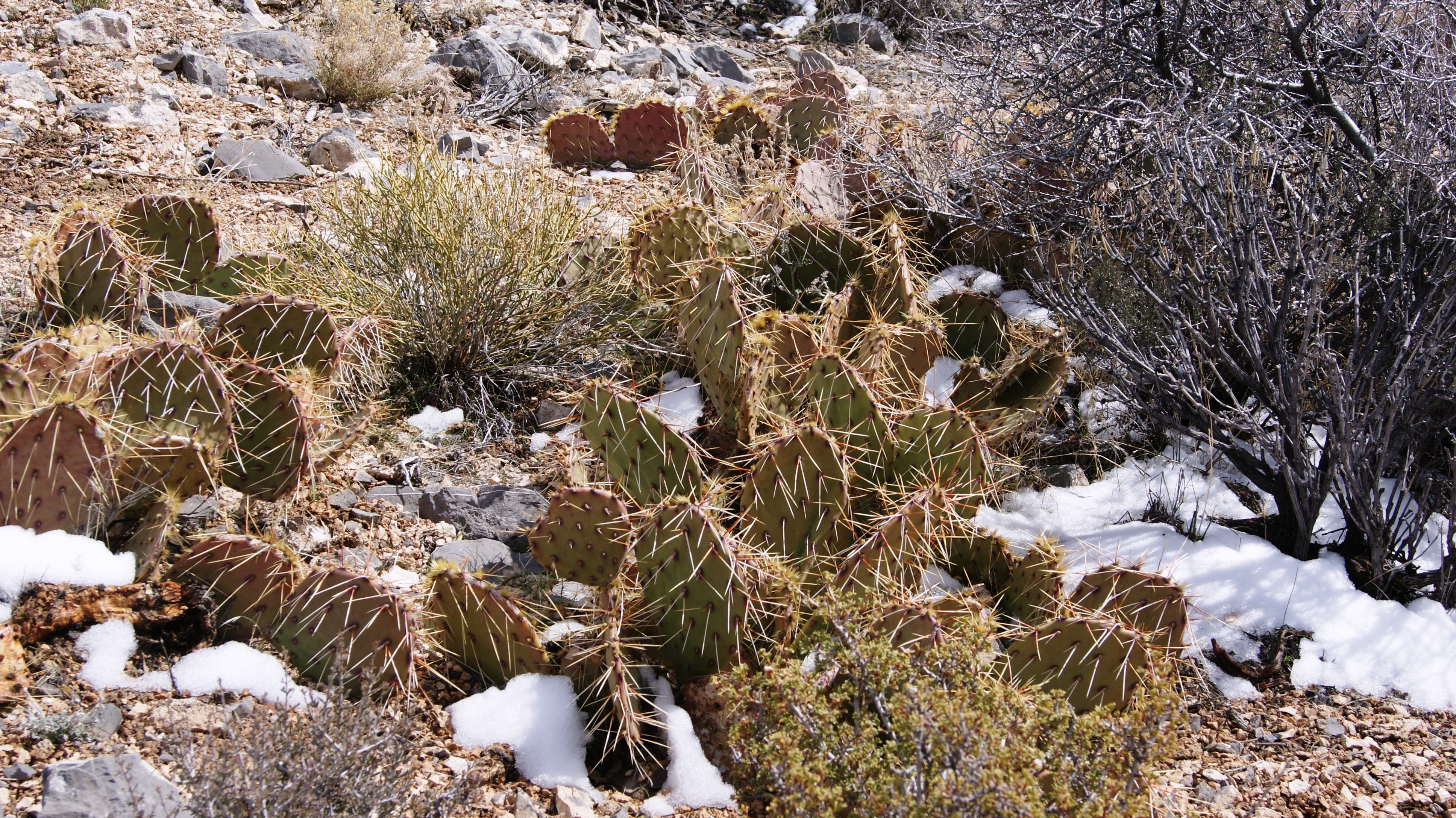
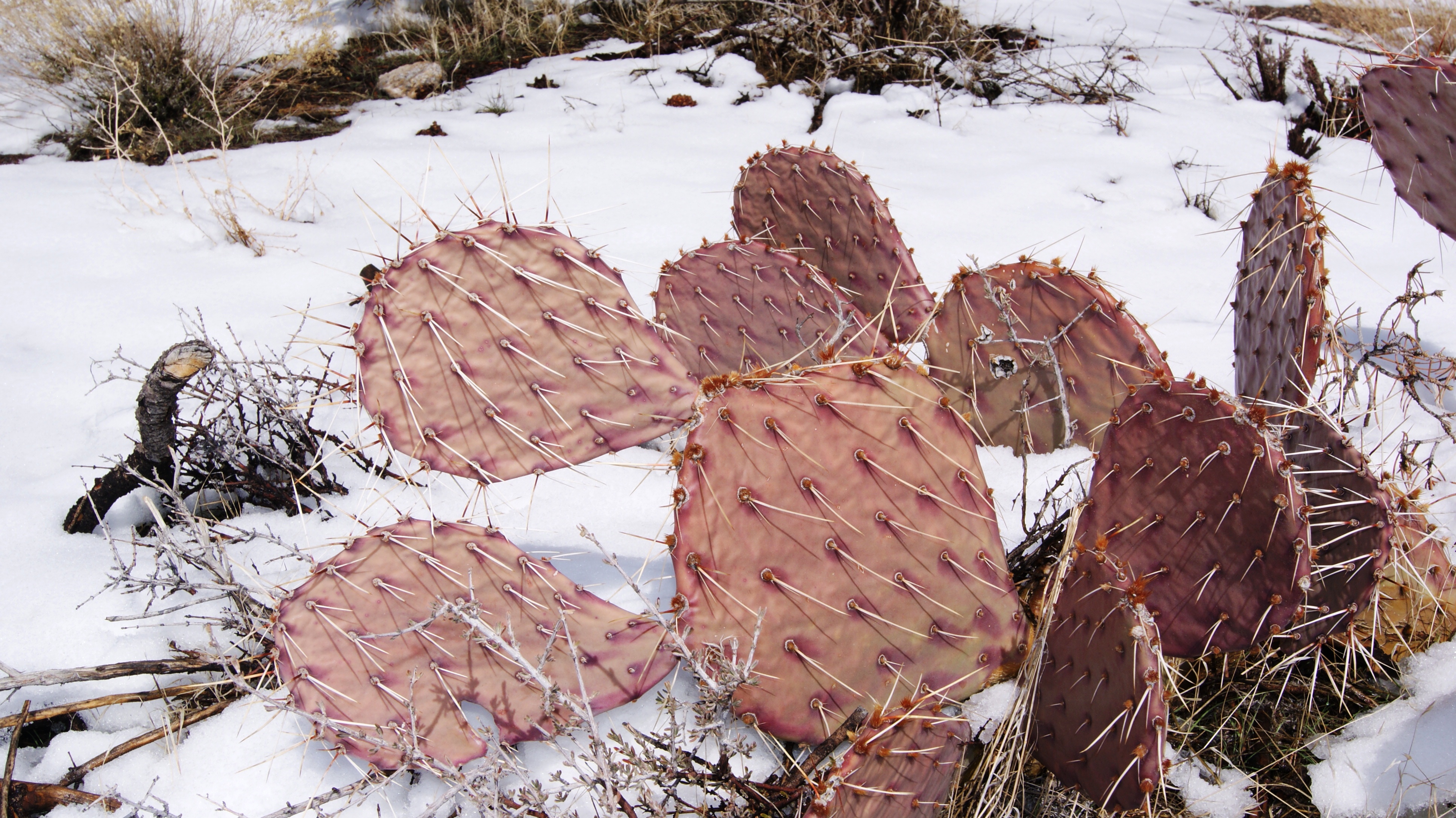
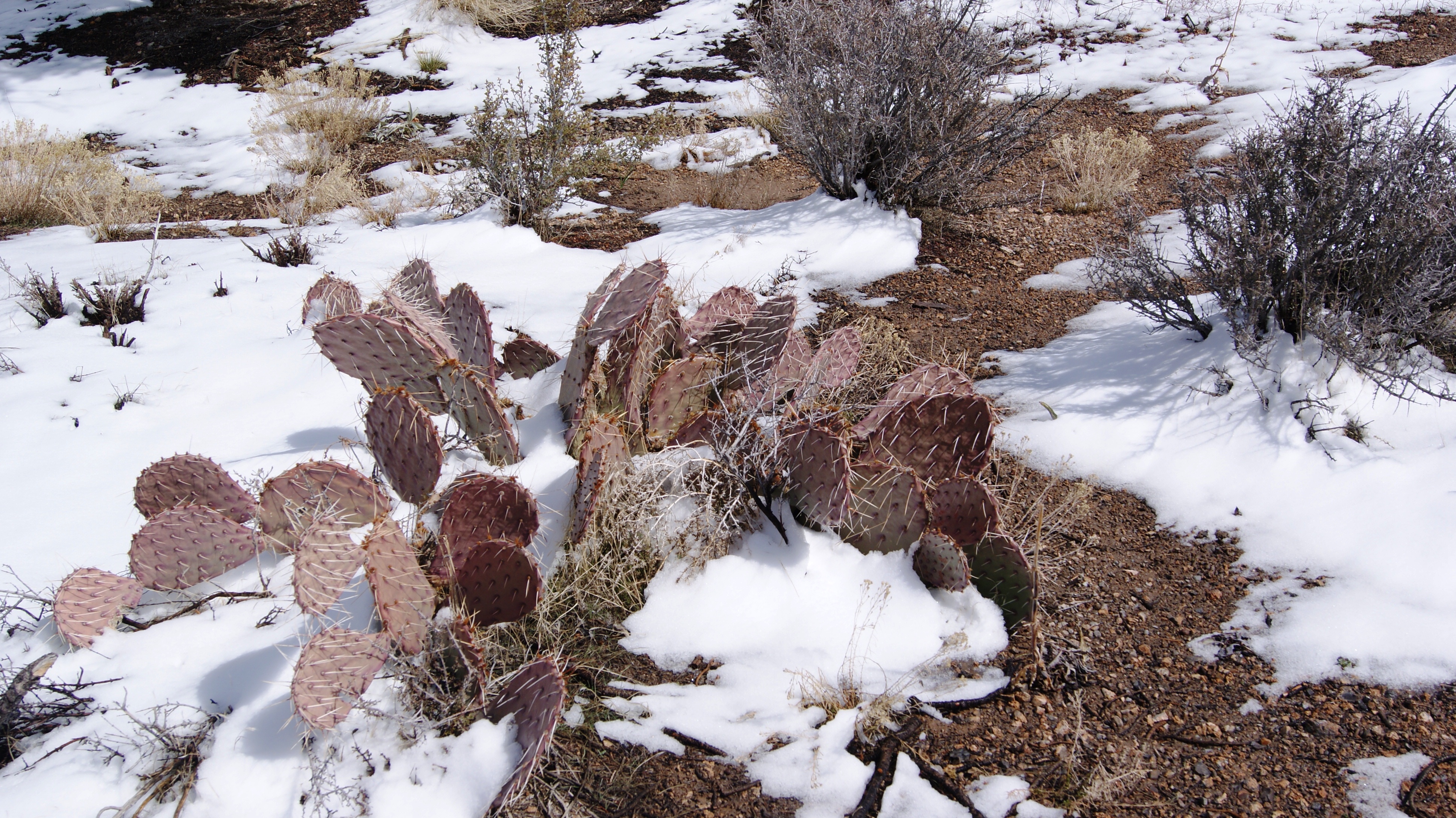
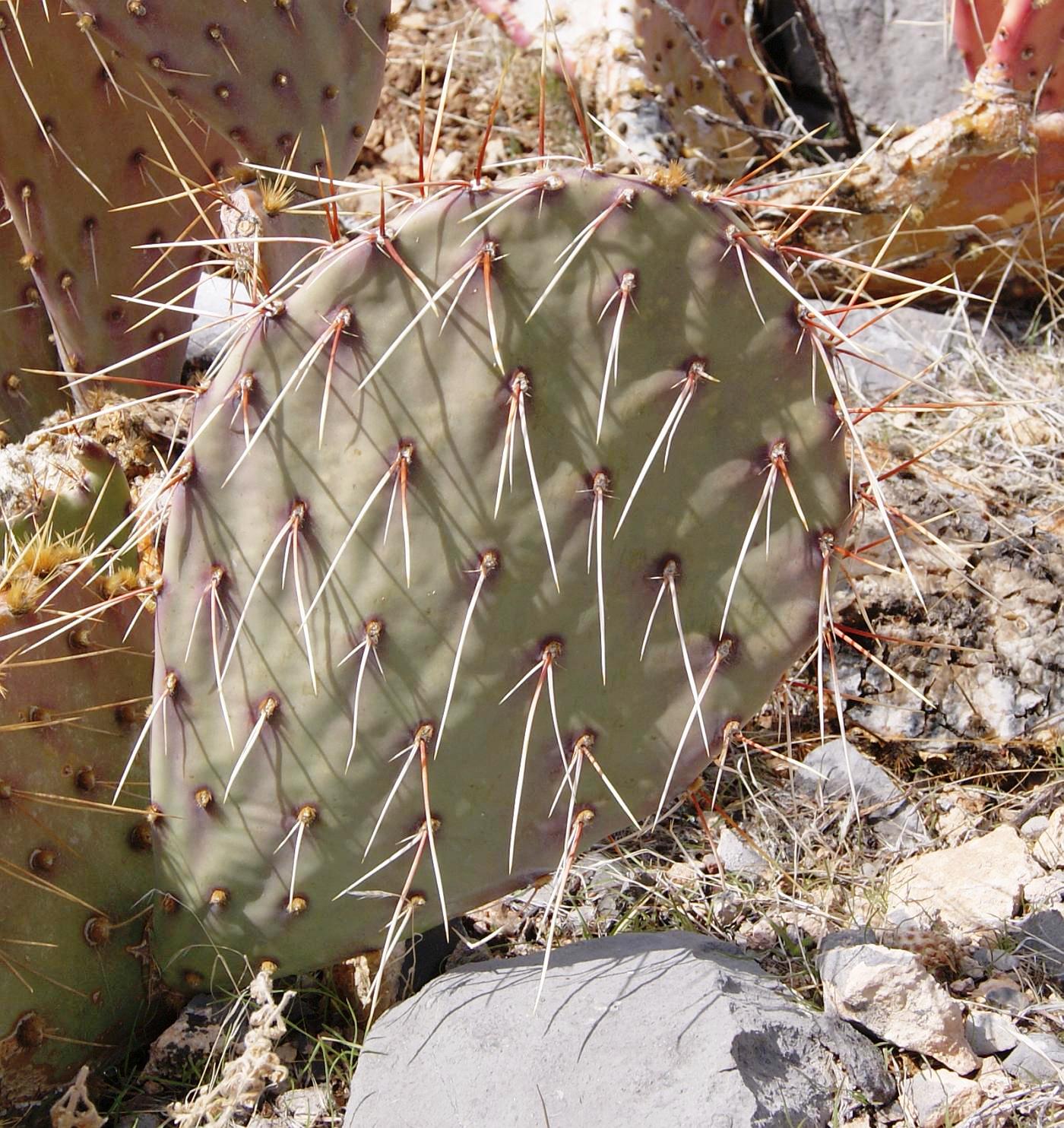
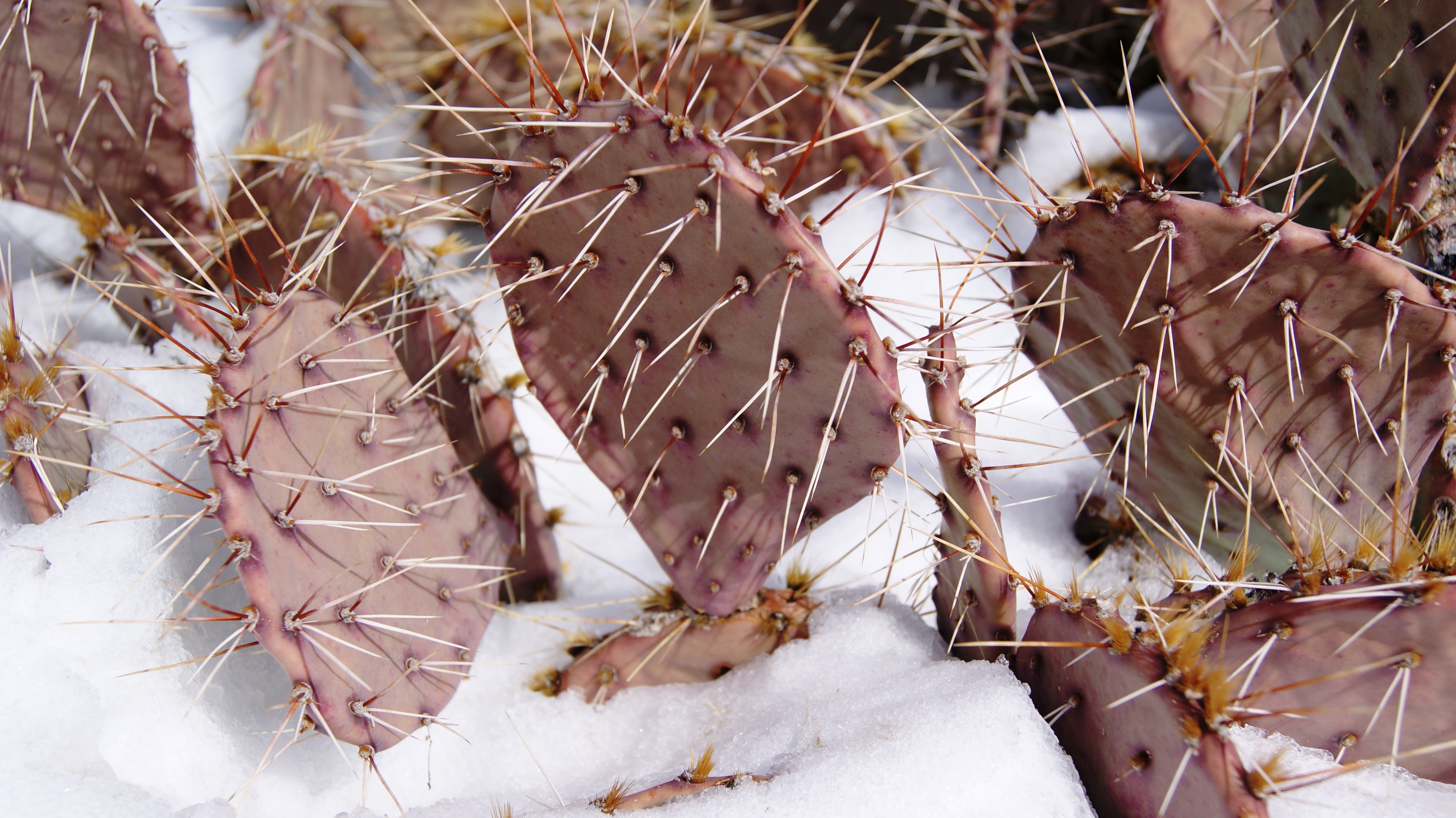
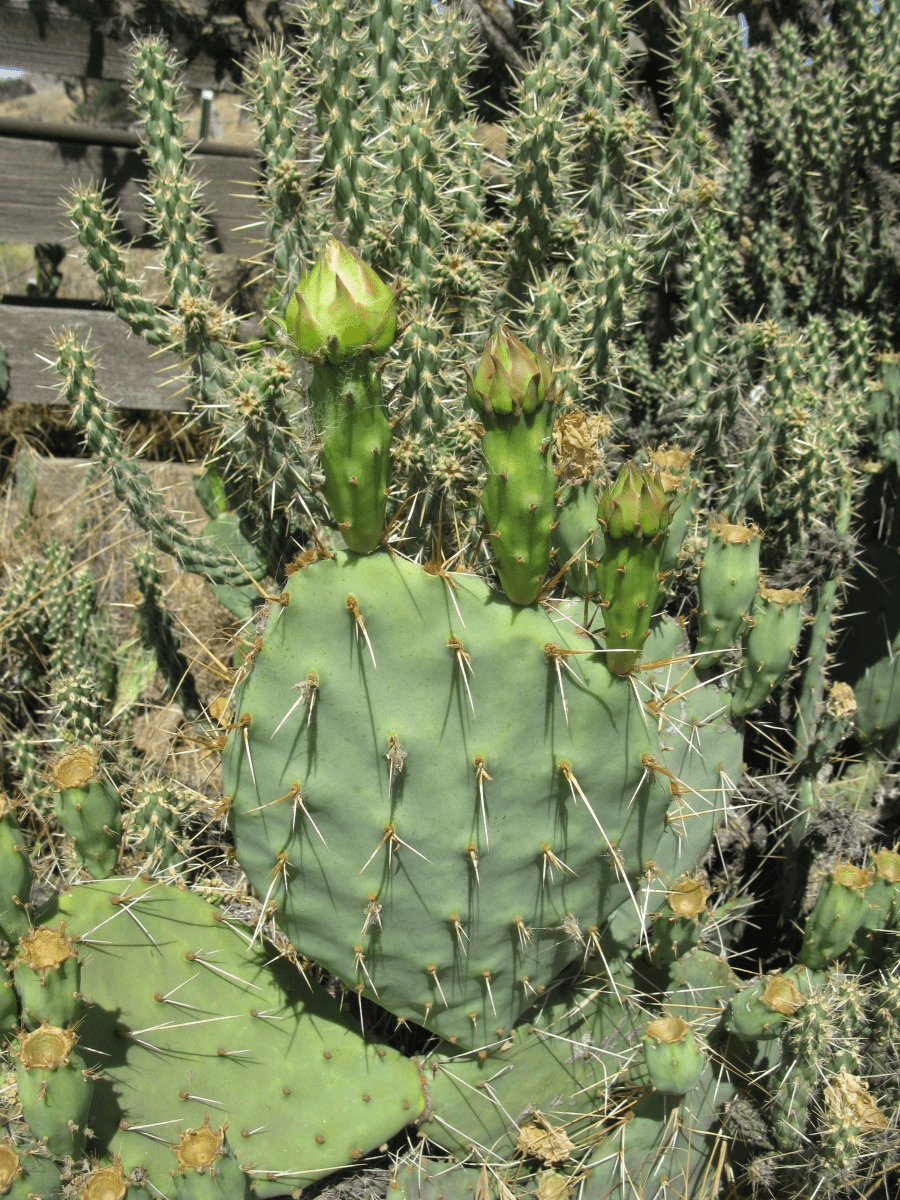
O. mojavensis forms woody-stiff, recmbent plants sprawling to 0.5-2(2.5) m across. Or smaller plants in extreme rocky areas may be less than 0.5 m across and therefore not sprawling and limited to a handful of cladodes. The plants may occur in groups or individually. Cladodes are obovate, but subcircular and eliptical ones have been observed, to 3 dm The spines shown here are similar to those of the lectotype as well as in the drawing above. There are 0-3(6) spines per arole. Generally a there is long, deflexed (sometimes reflexed) spine (to 6 cm) subtended by a shorter, thinner deflexed spine, or only a single, long spine. There may be another smaller deflexed spine and 1-3 short porrect or ascenting spines (often missing). Spines are usually pale yellow to dark yellow (even yellow-brown) darkening to reddish proximally, but may be white or tan tan after the first season. Areoles are ab 3-4 cm apart. Plants may turn a pleasing pink or red-purple color in winter.
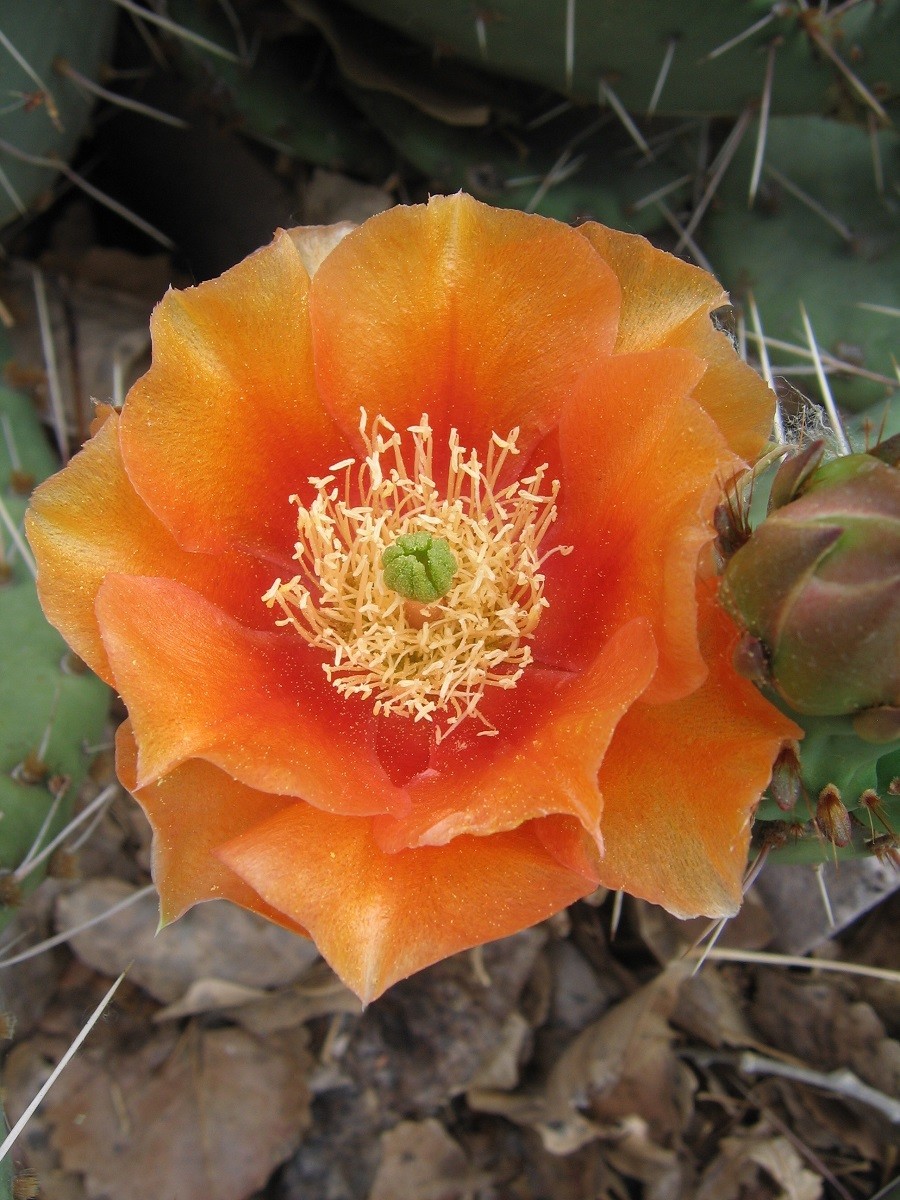
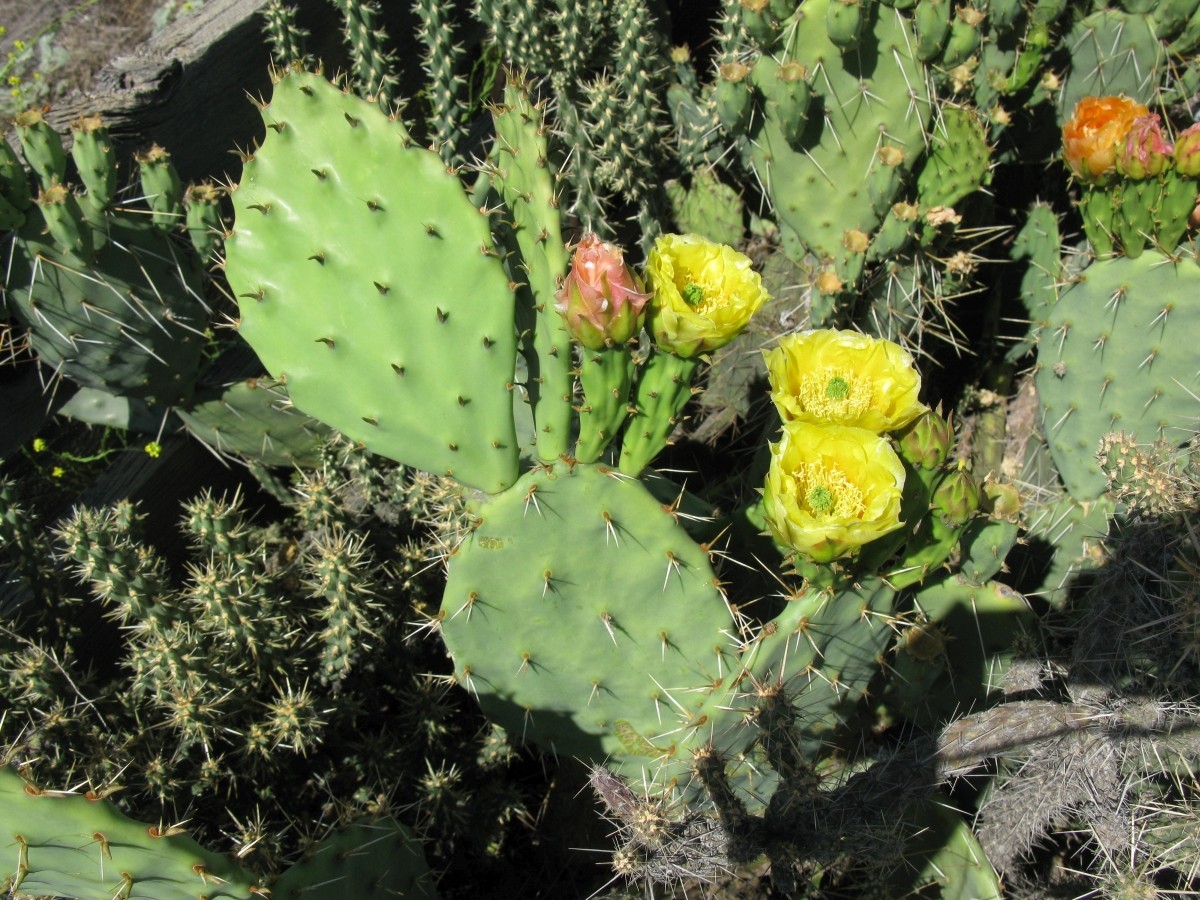
Flowers are 6-8 cm across and yellow often with distinct or pale red centers, green stigmas, and yellow anthers. Outer tepals may be tinged with red or red-orange. Fruit is reddish and barrel-shaped.
Ploidy is unknown.
Other Notes
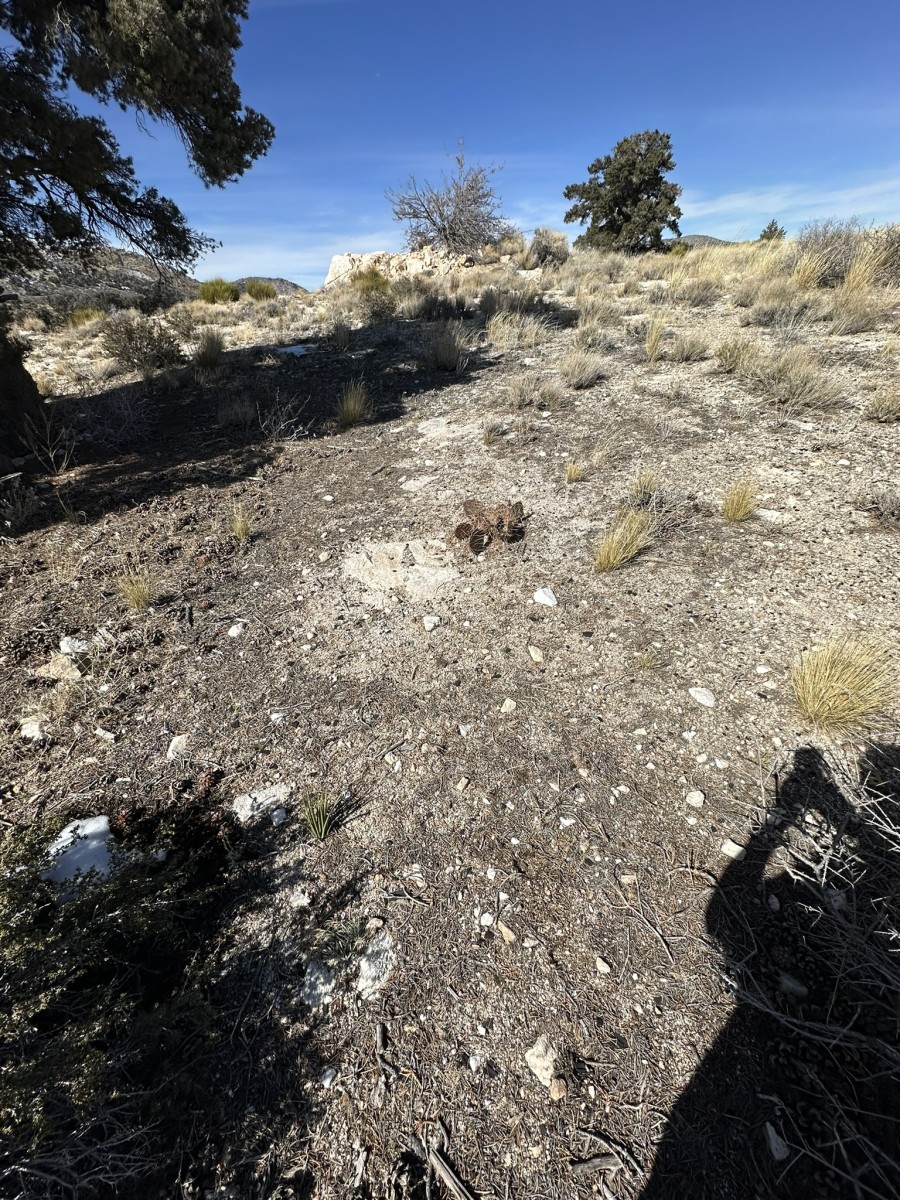
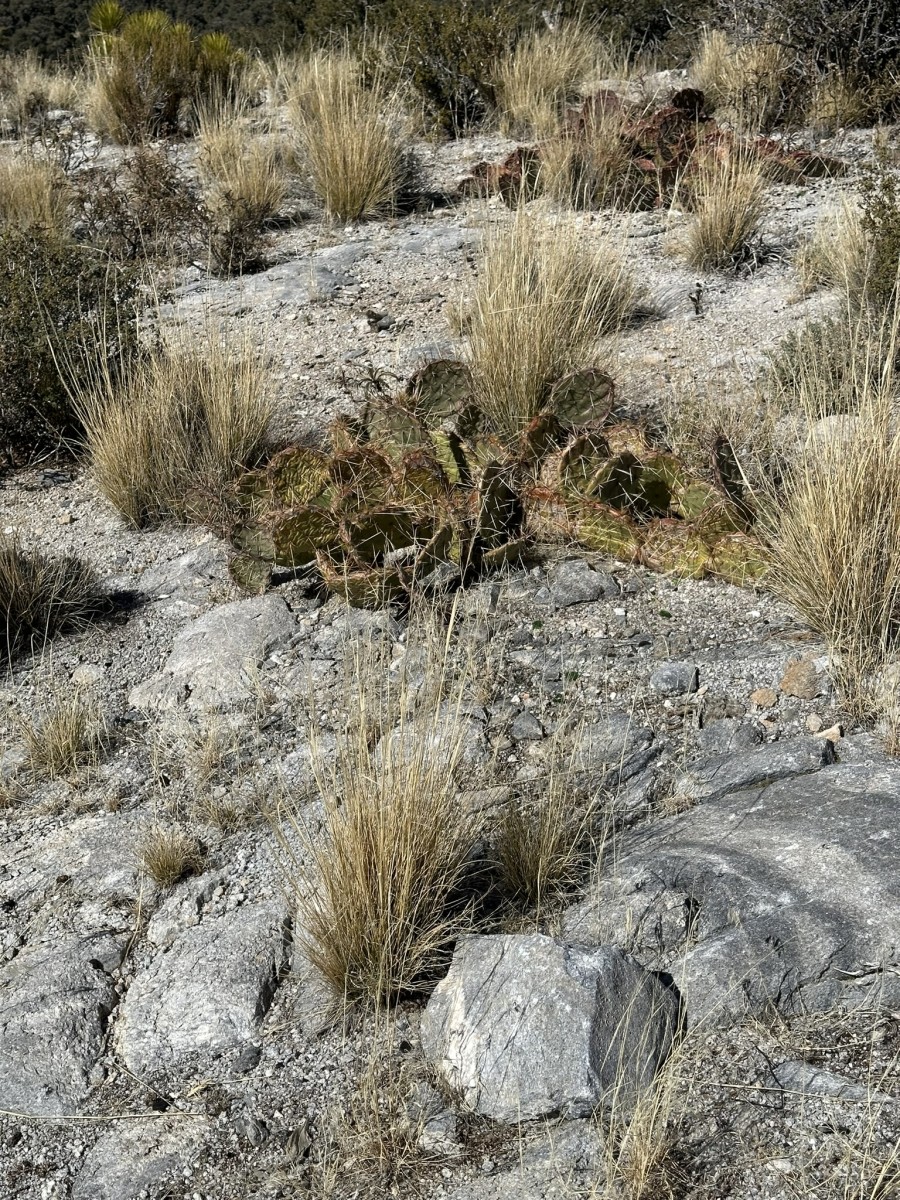
We observed a population of plants growing at Highway 160 pass in the Spring Mountains near Las Vegas, Nevada, at 1500 m in the lower upper Sonoran zone, that we interpret to be O. mojavensis. We base our description of the taxon on that population and on similar plants found further west. Plants at he Highway 160 location grow on on large-rock rubble. At Cresline CA, another population grows in rock outcrops in ponderosa pine forests at about 1,450 m. Thus, we envision O. mojavensis as a mountain species that grows in rocky locations above desert basins in southern Nevada and trans-montane southern California.
Because of its attractive flowers, angular growth shape, and cold-hardiness, O. mojavensis would be interesting in a garden. However, it is a sprawling, large plant.
For more information, see:
Botanist, Root Gorelik, has an entirely different interpretation of O. mojavensis and gives the name a thorough discussion and comes to a different conclusion than us.
Notes on Some Southern California Plants, Author(s): S. B. Parish, Source: Botanical Gazette, Vol. 65, No. 4 (Apr., 1918), pp. 339-340.
In April 1915 I sent living specimens of an Opuntia found in the New York Mountains at Barnwell to Rose, which he identifies as of this species, which in the intervening years had remained known only from the original imperfect specimens.
See Report on the botany of the expedition. O. mojavensis was ignored at first. More recently, the name was proposed for exclusion (Parfitt, Systematic Botany, Vol. 5:408).
On Mojave creek; at the time it was considered identical with the following species [O. camanchica], and no further notice taken of it; only a few fragments were brought home, together with a sterile fruit. Spines 1–2½ inches long, stout, bright-brown; fruit 1¾ inch long, oblong; pulvilli crowded towards the upper end. It is possibly a distinct species, but the material too incomplete to permit us more than merely to indicate it.
More recently, the name was proposed for exclusion (Parfitt, Systematic Botany, Vol. 5:408)