
(Ker Gawl.) Haworth — Supplementum Plantarum Succulentarum 79, 1819
Herbarium; Herbarium; Herbarium; Herbarium; Herbarium; Herbarium; Herbarium; Herbarium; Herbarium; Herbarium; Herbarium; Herbarium (O. dillenii tehuantepecana); Herbarium; Herbarium; Painting (Britton and Rose, v1 1919, plate XXVIII, No. 2); Print (Botanical Register 1817, 3: plate 255)


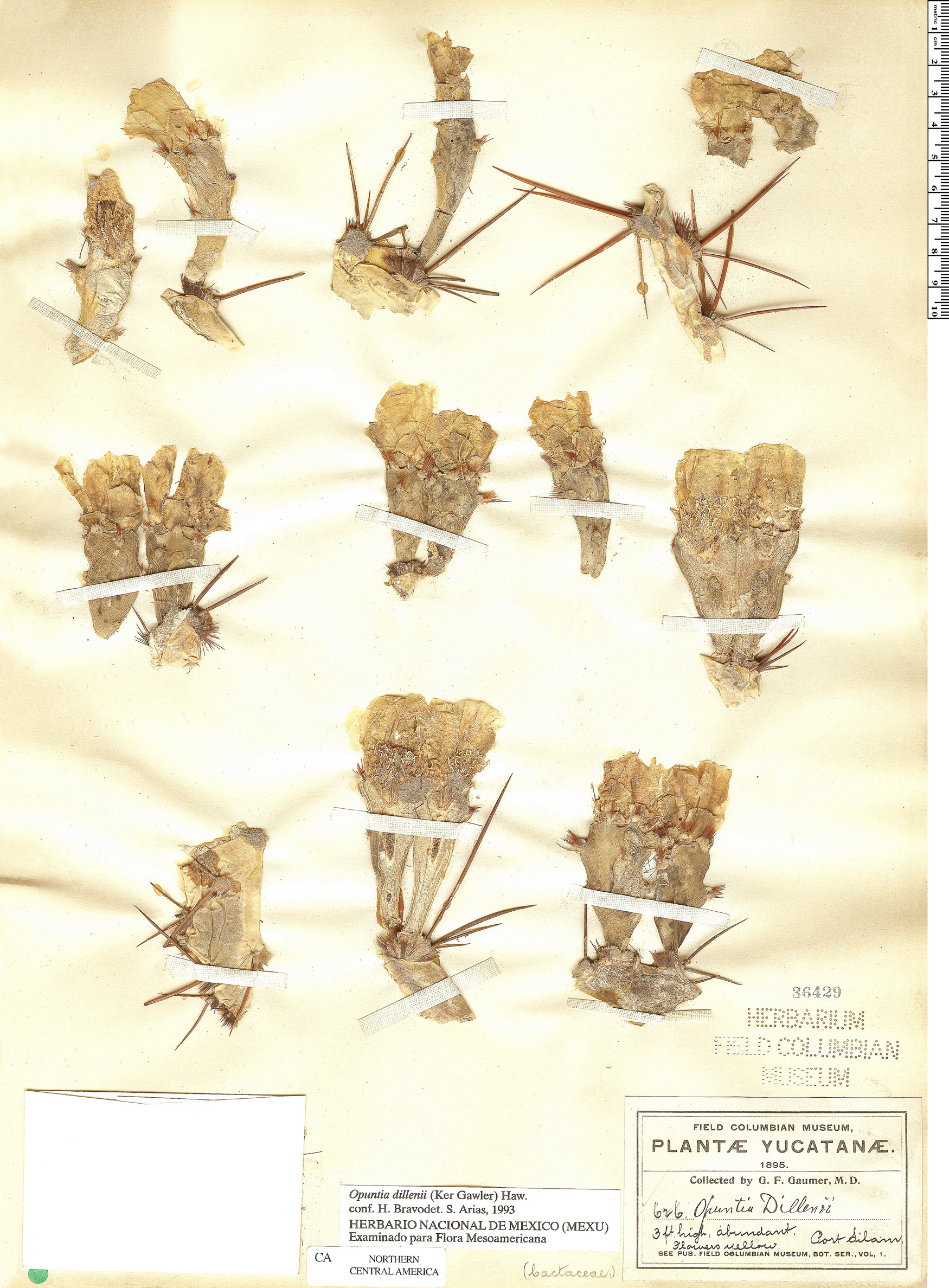
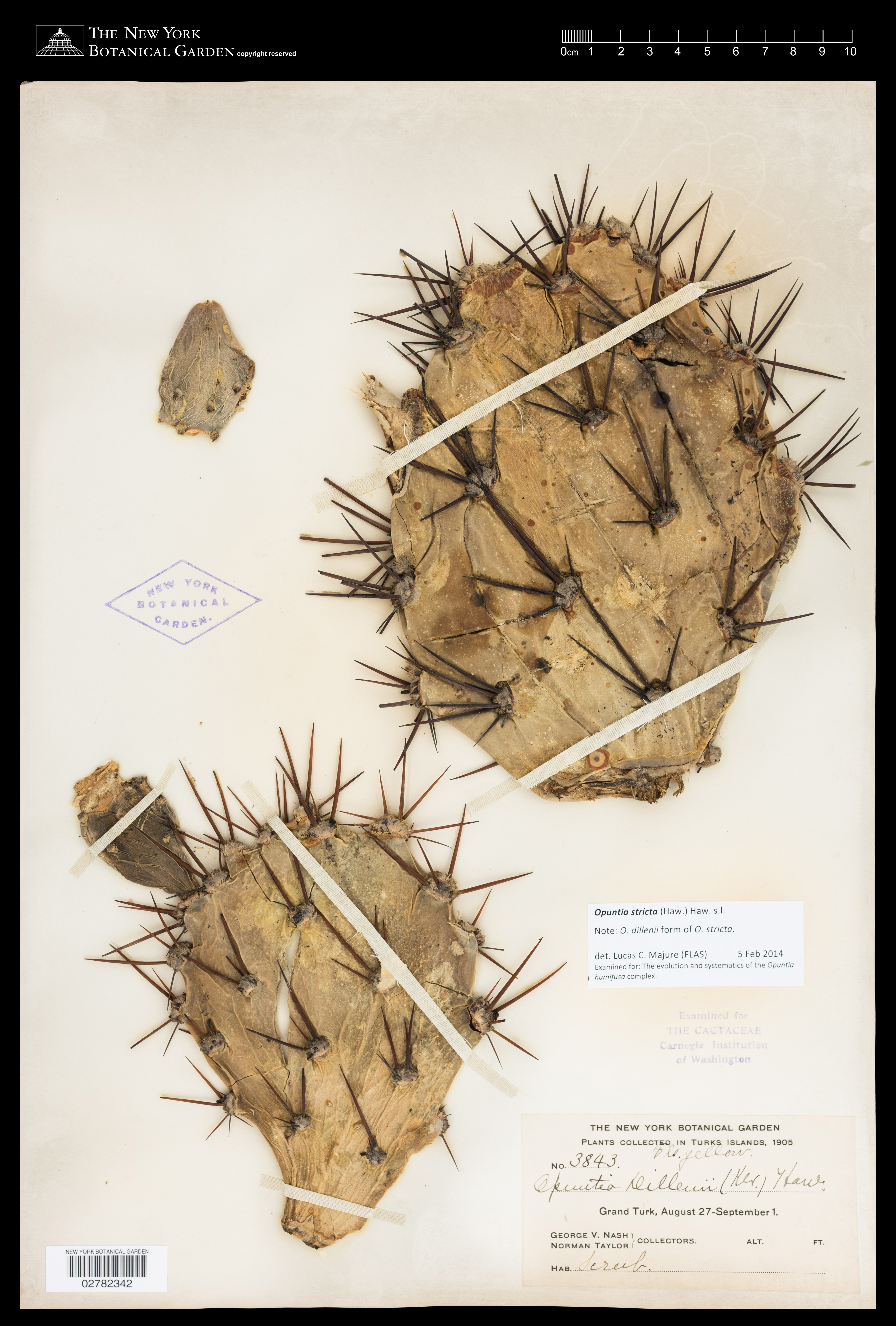
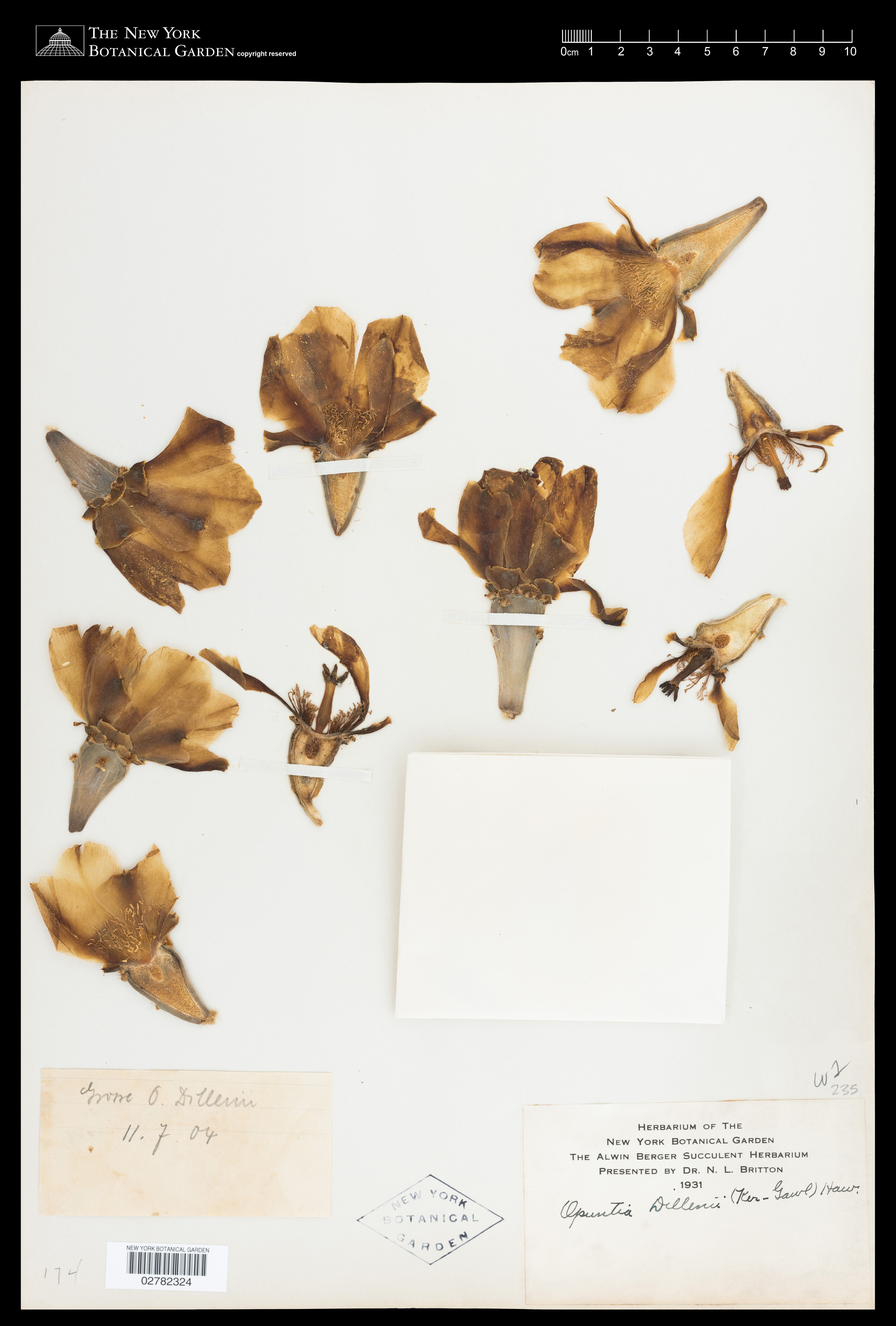

Original Citation
What is Opuntia dillenii?
Opuntia dillenii is a coastal prickly-pear known for its fierce armature and invasive potential where naturalized. Plants are spreading, often forming dense, low thickets on dunes and rocky shores. Joints are comparatively thin and somewhat flexuous, commonly with scalloped margins and copious glochids. Flowers are yellow and give rise to reddish-purple fruits. O. stricta is similar, yet the two differ in several consistent characters; see also O. anahuacensis.
Details
Shrubs: usually 0.5–1 m tall (older clusters to ~2 m), spreading and thicket-forming. Cladodes: ovate to obovate, comparatively thin and often slightly flexuous; typical joints ~10 × 16 cm; margins commonly undulate or scalloped. Areoles: slightly elevated, giving a dimpled surface; glochids abundant, especially on young growth. Spines: 1–5 (occasionally to 10) per areole, translucent yellow to brownish-yellow, usually 2–4 cm, often slightly curved; overall armature conspicuously strong. Leaves: on new joints typically recurved rather than ascending. Flower buds: pointed to conical, not dome-shaped. Flowers: yellow; style pale; stigma yellow; filaments yellow-green to green. Fruits: oval to subglobose, maturing reddish-purple, often with a short, stipe-like neck; umbilicus moderately shallow; areoles concentrated near the apex. Seeds: pale, typical for the genus.
Cytology
Cytologically, O. dillenii is generally tetraploid, though other counts have been reported locally.
Range and Habitat
Coastal species of the southern Atlantic states, the Caribbean Islands, and northern South America; it may occur on the west side of the Florida peninsula. The authors have not observed it in Mississippi, Louisiana, or Texas. Outside its native range it is widely naturalized and sometimes invasive.
Similar or Sympatric Species
Opuntia stricta — similar in habit but typically less heavily armed; buds and leaves differ.
Opuntia anahuacensis — beach prickly-pear of the upper Texas coast; compare pad thickness, spine count, and fruit form.
Other Notes
O. dillenii has similarities with O. stricta, but the two are decidedly different. | See a table comparing/contrasting O. dillenii and O. stricta.
For more information, see:
O. dillenii, an interesting and promising taxon.





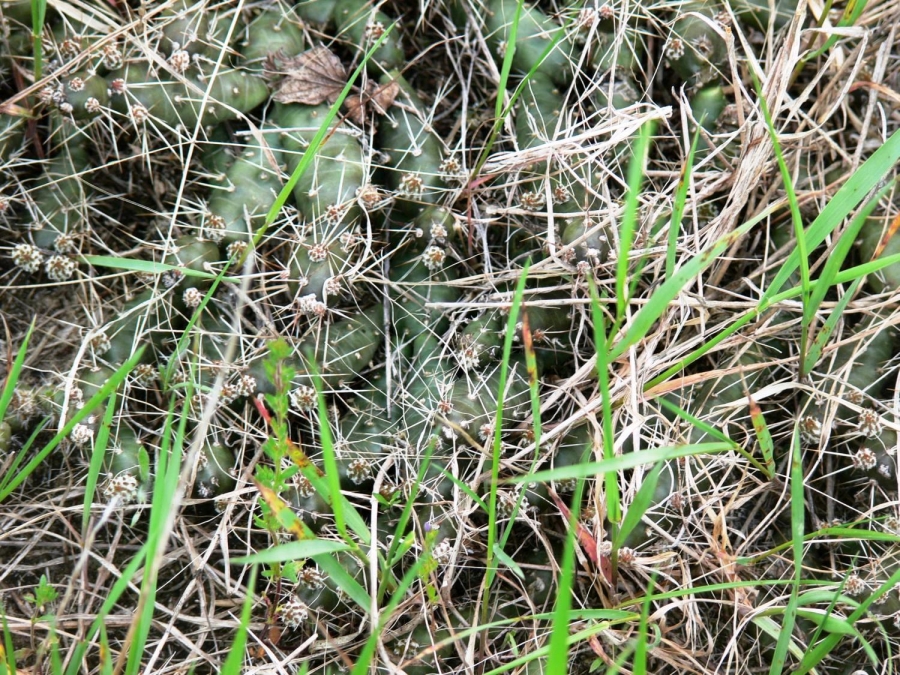
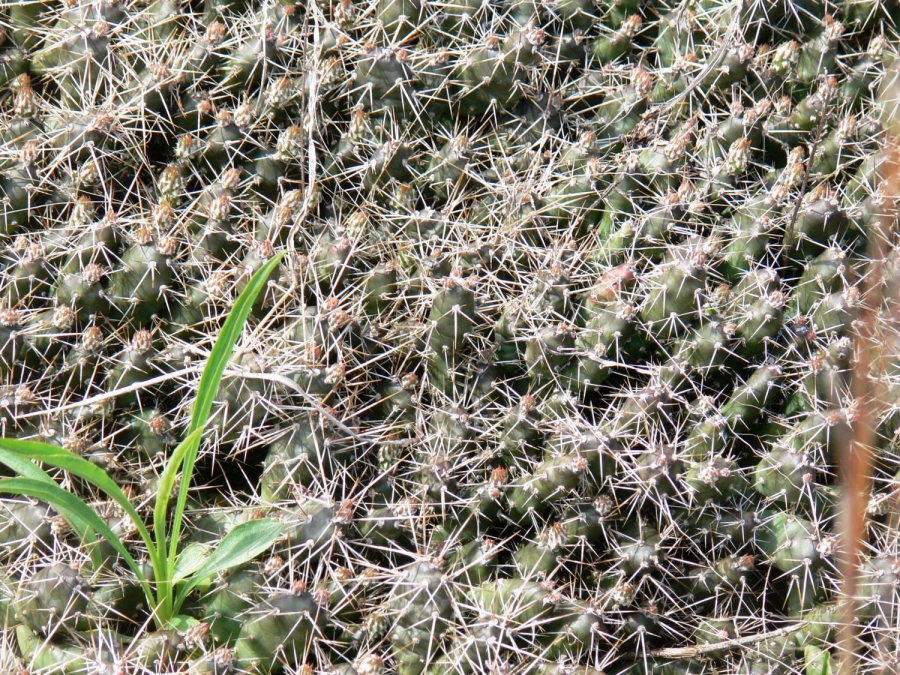
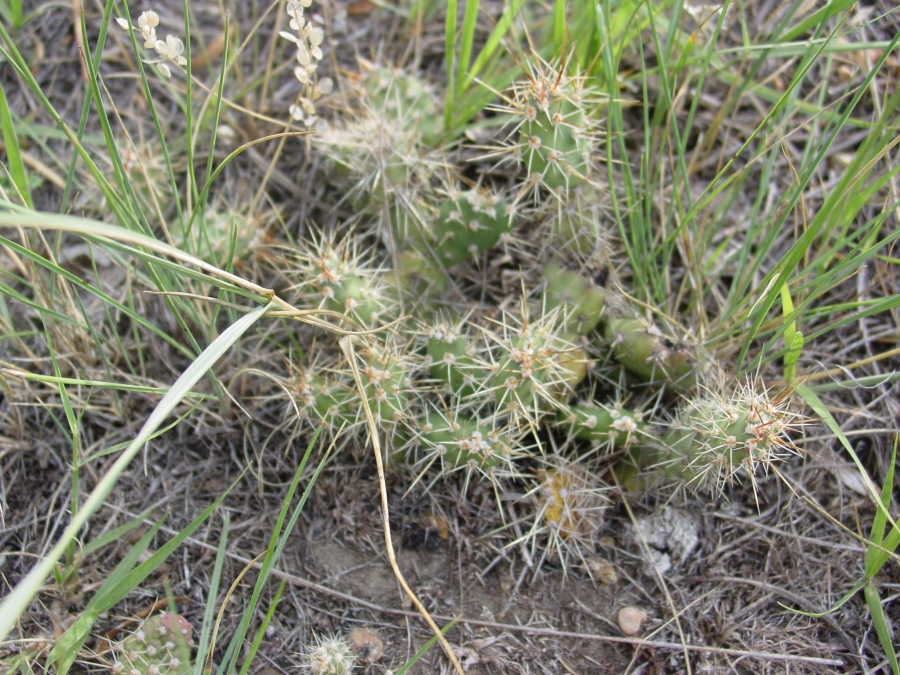
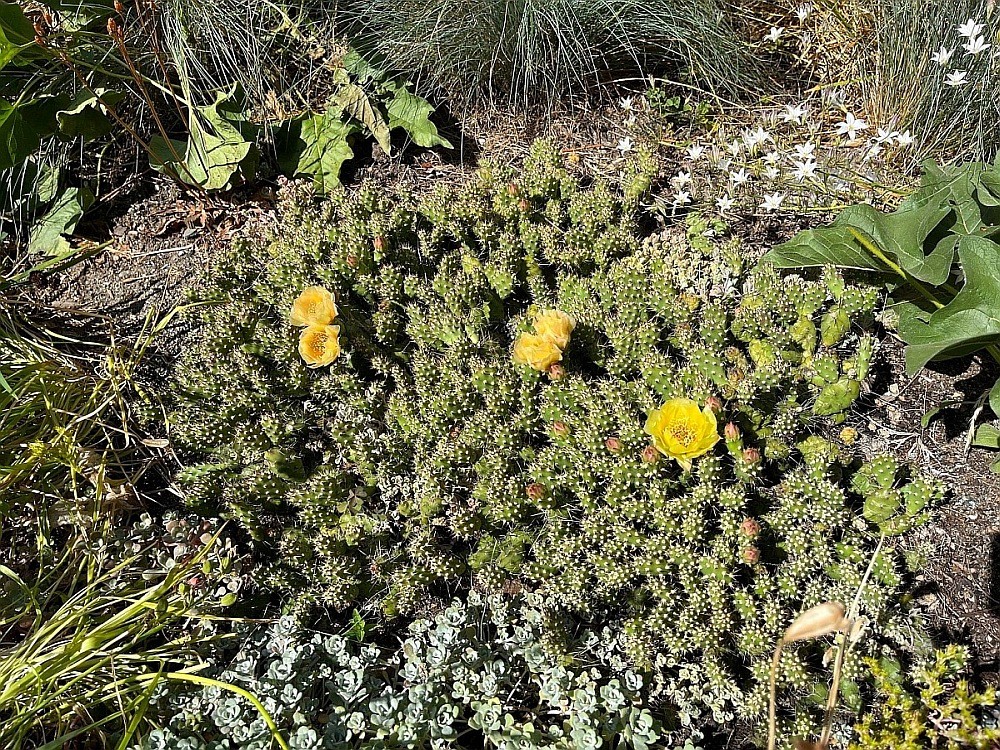
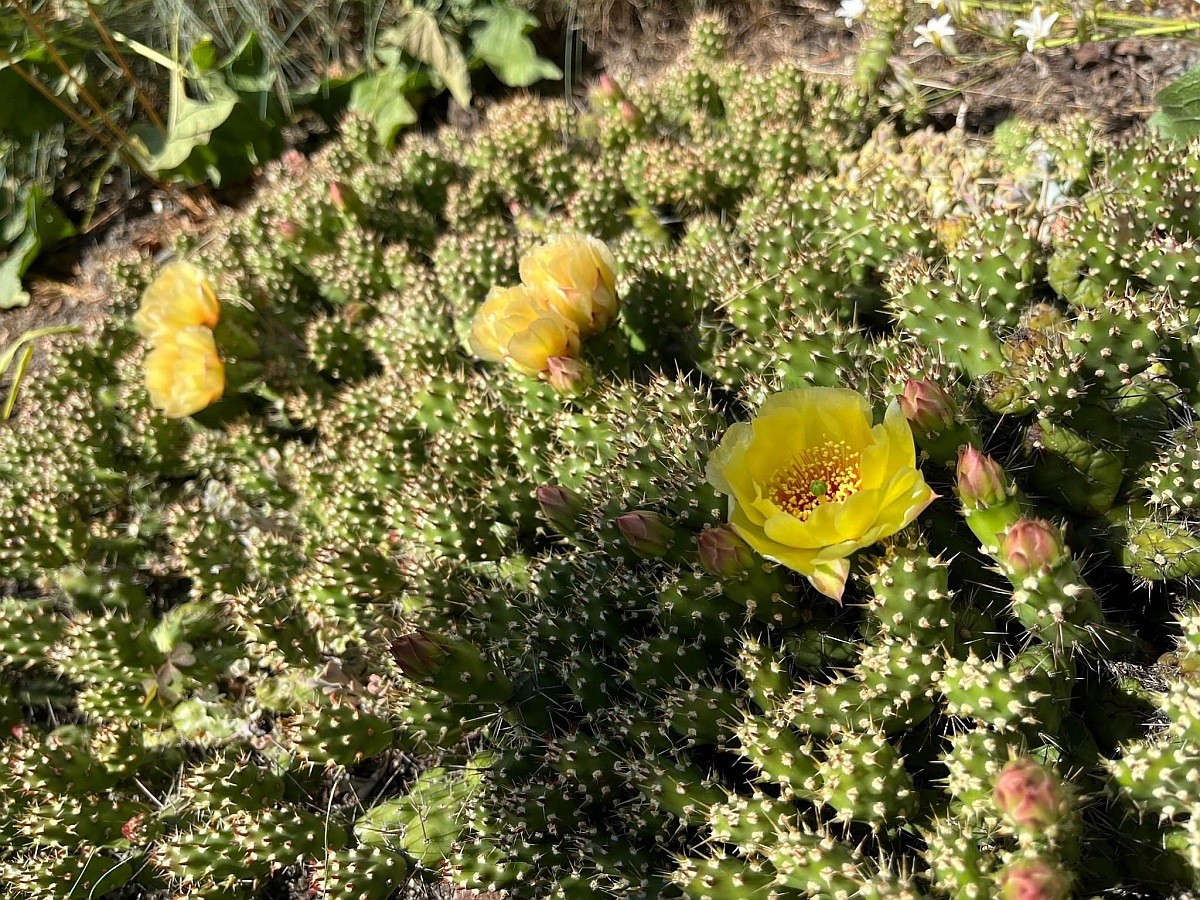
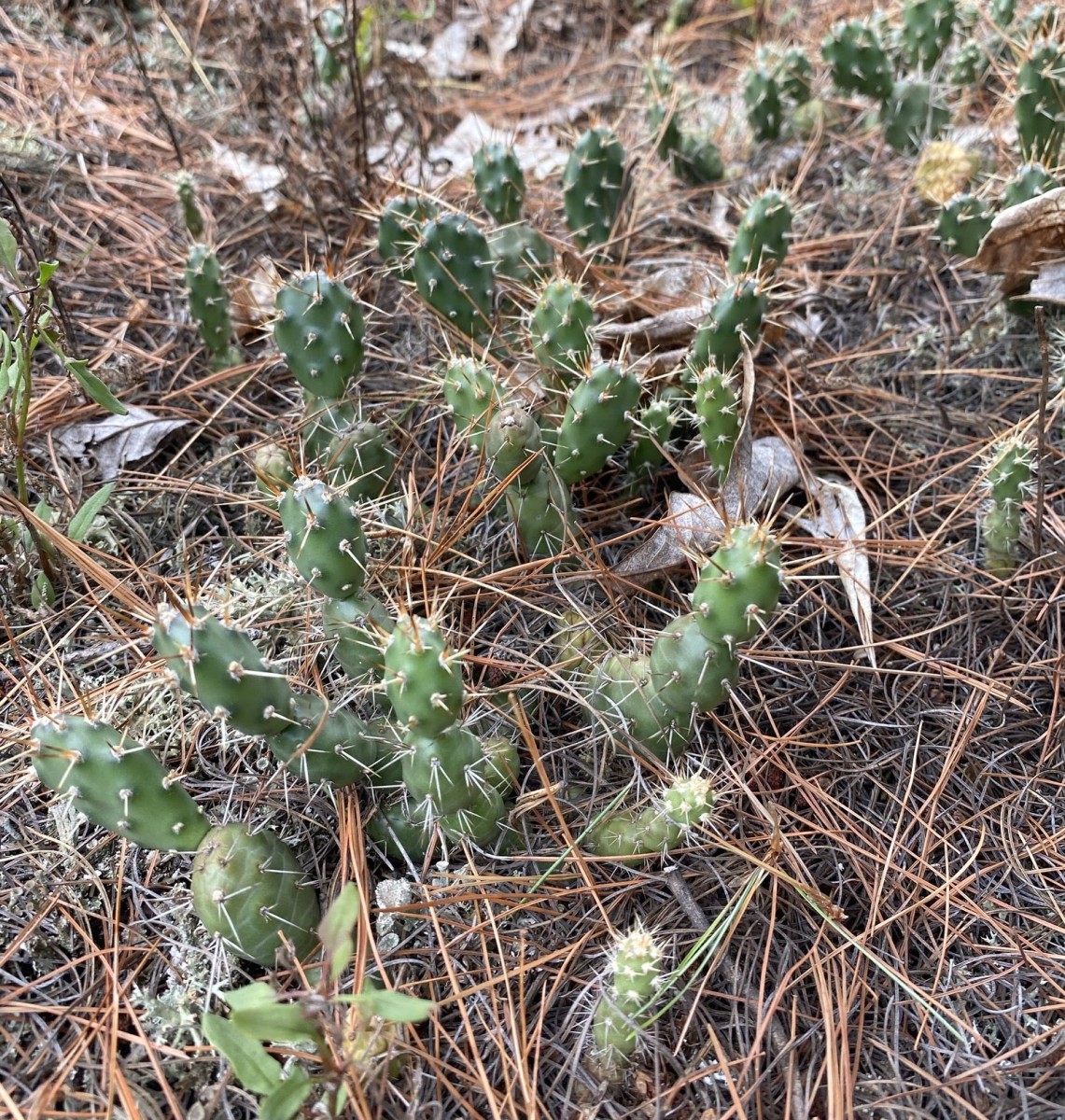
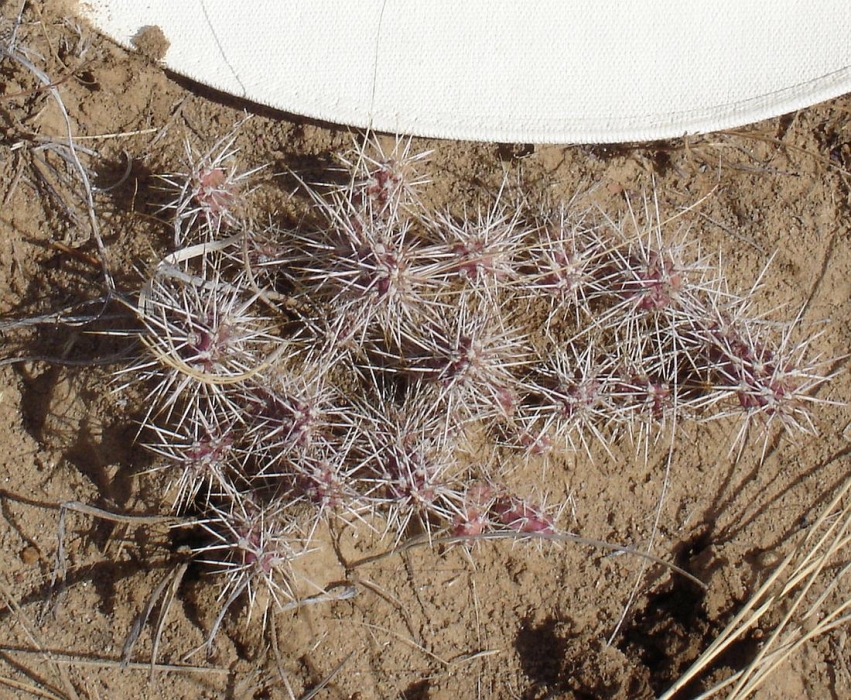
can you cook the opuntia dilleni pads?
I think O. dillenii pads are edible, not sure. I don’t know if they taste good. Always be sure to collect them early, before the spines develop and be sure to remove any small spines and glochids.
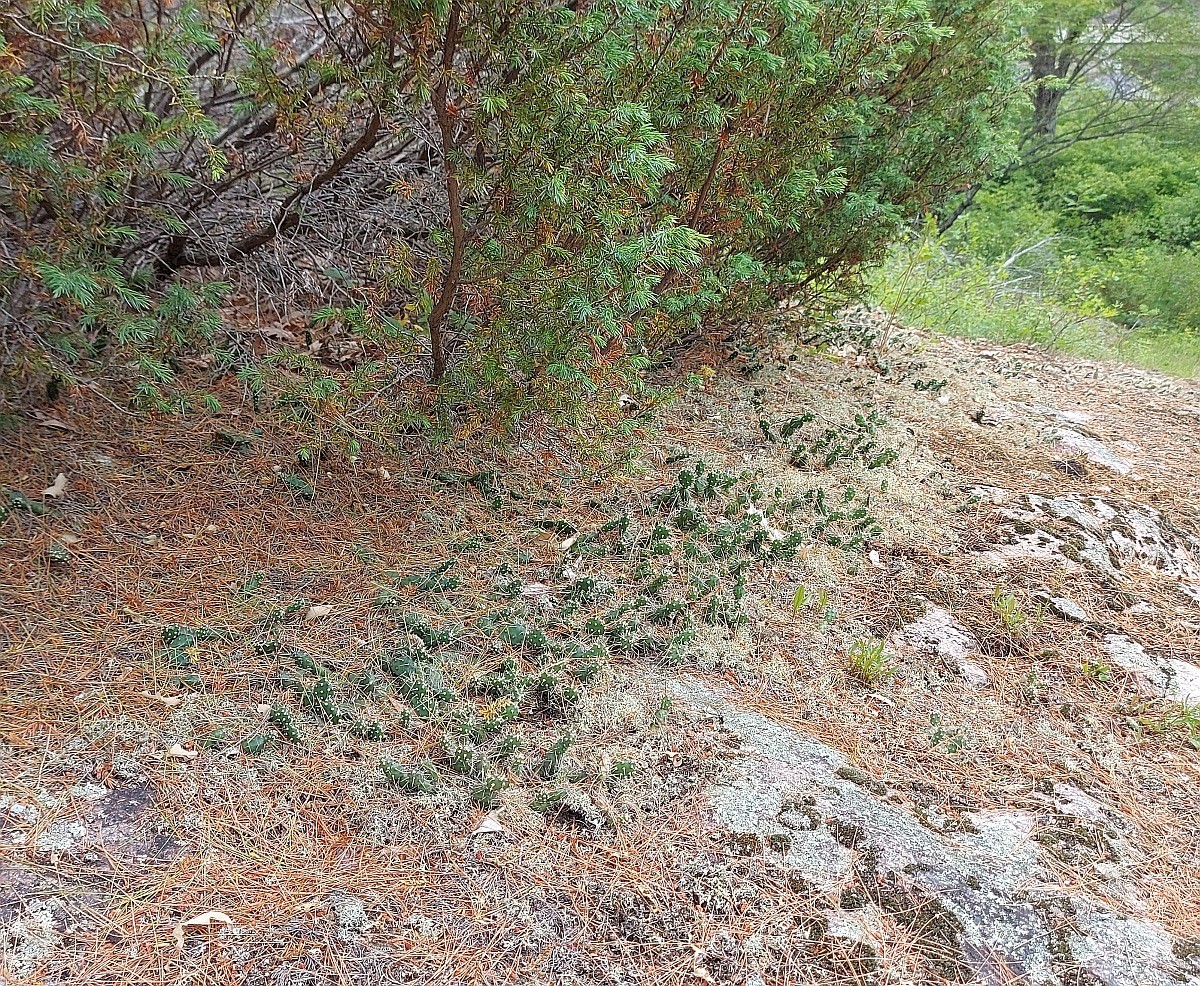
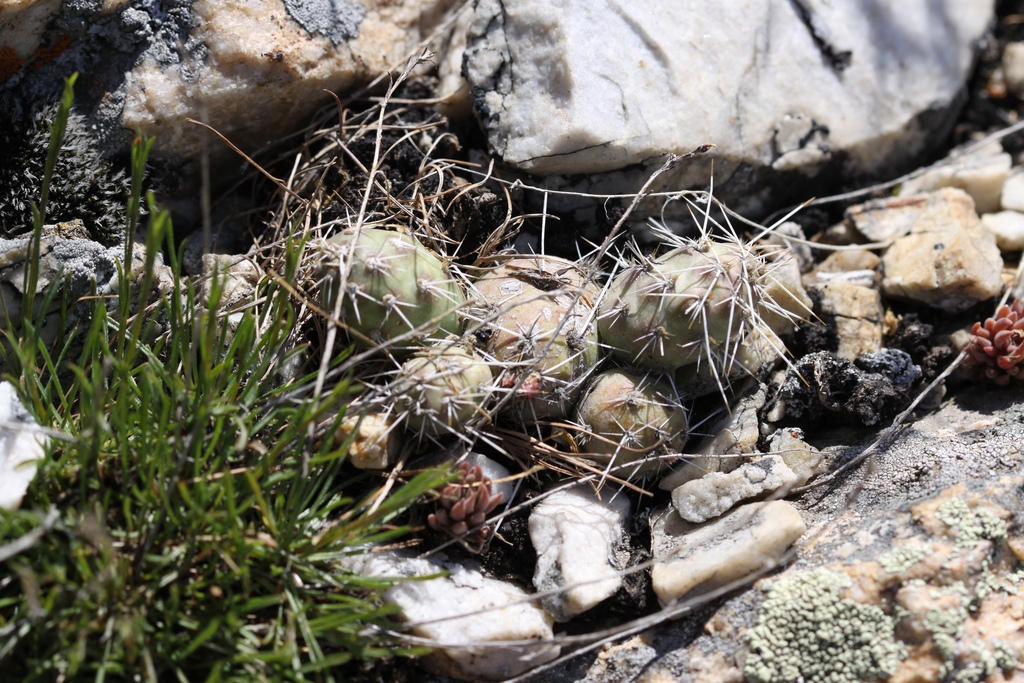
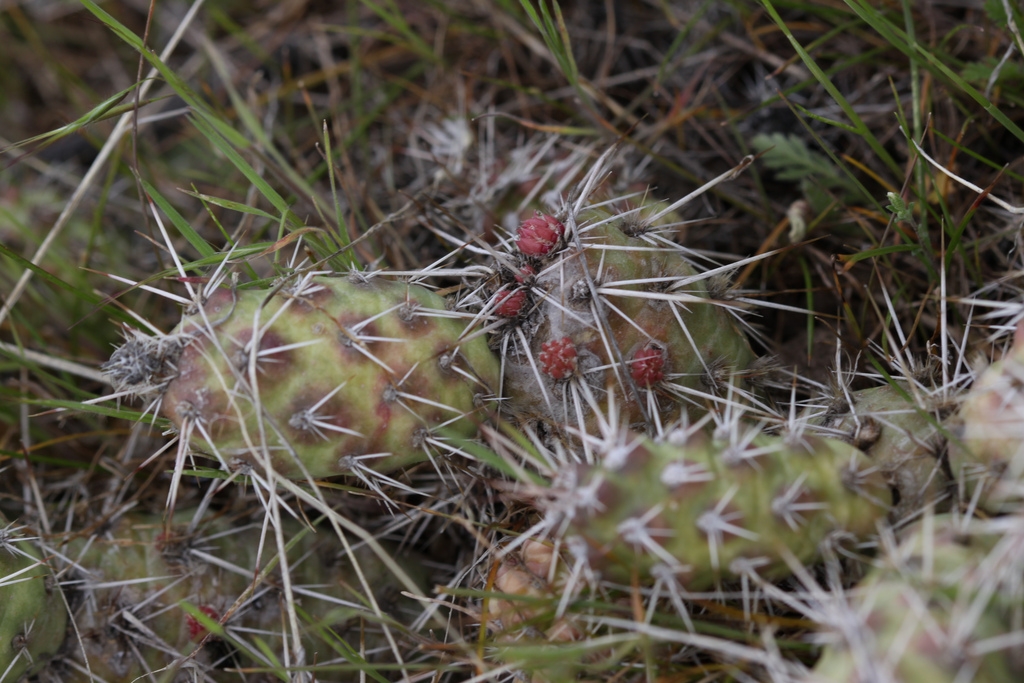
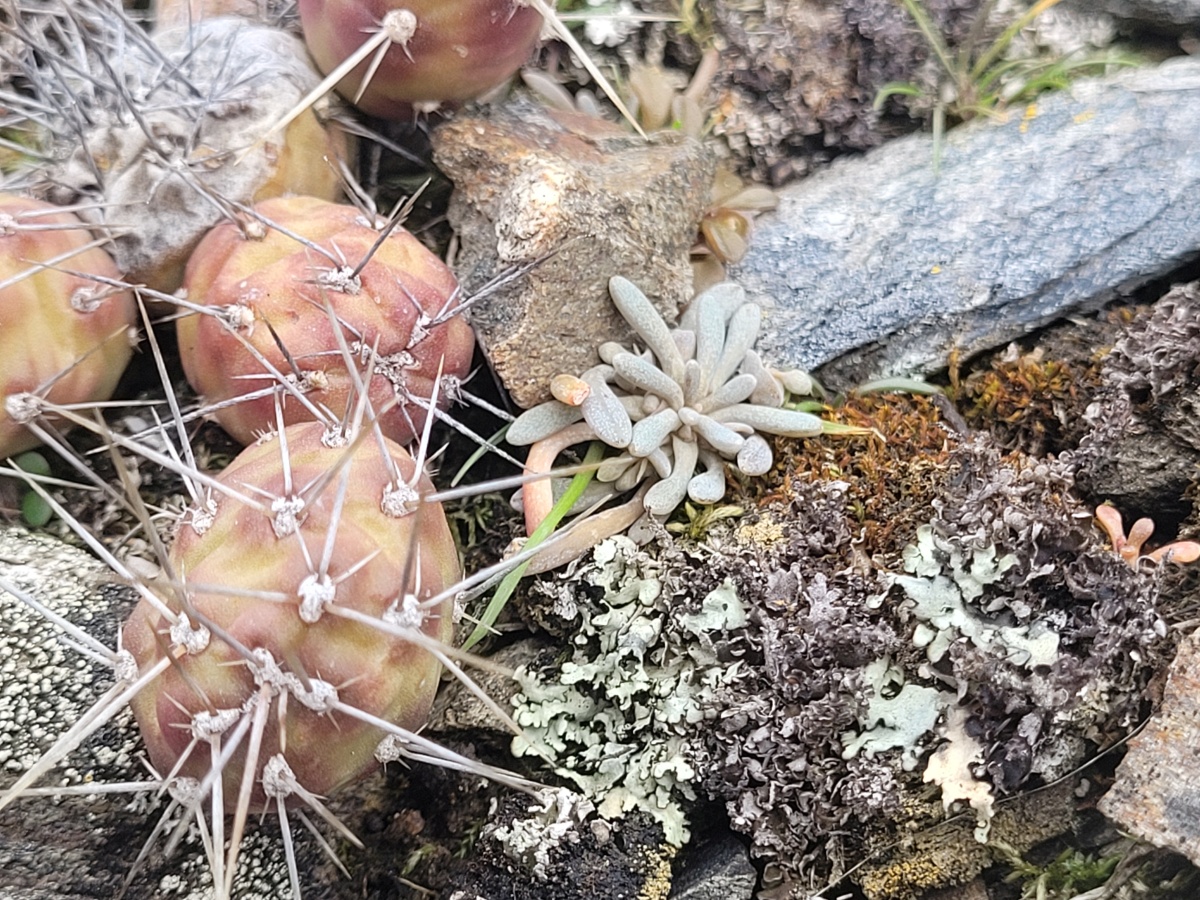
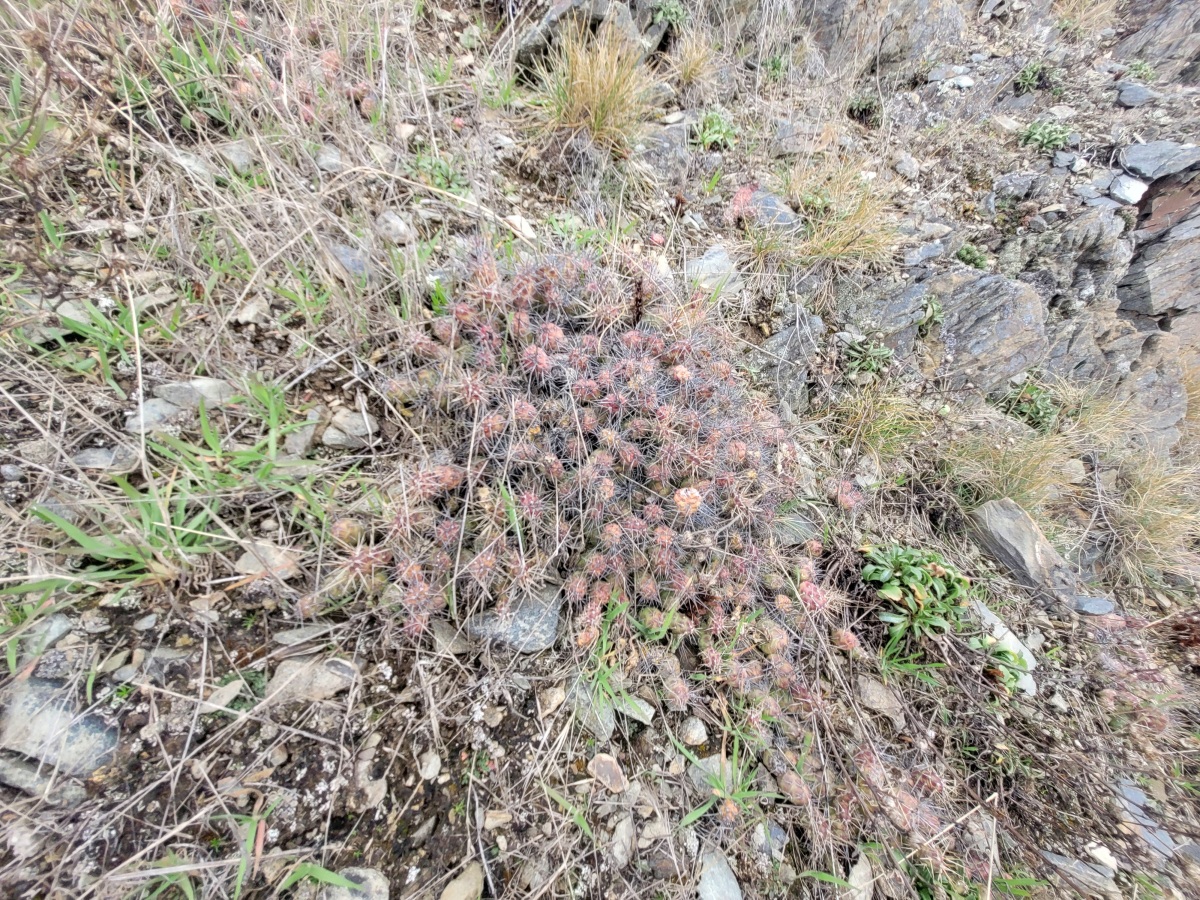
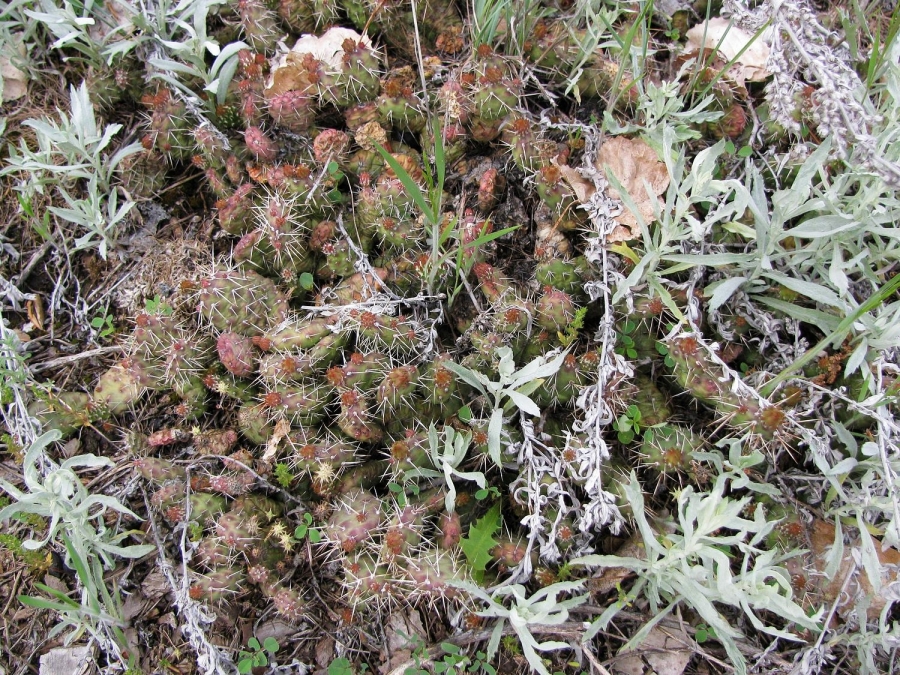
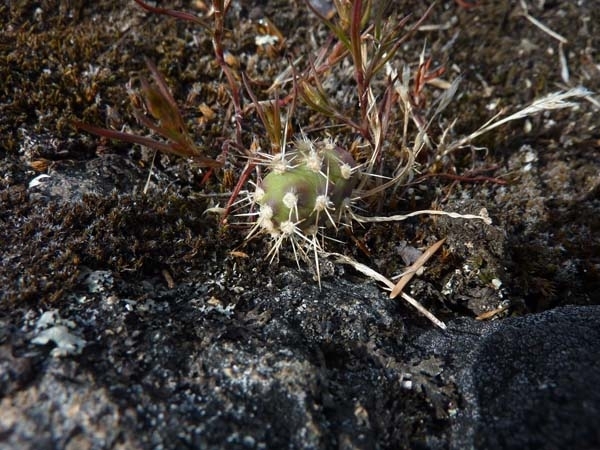
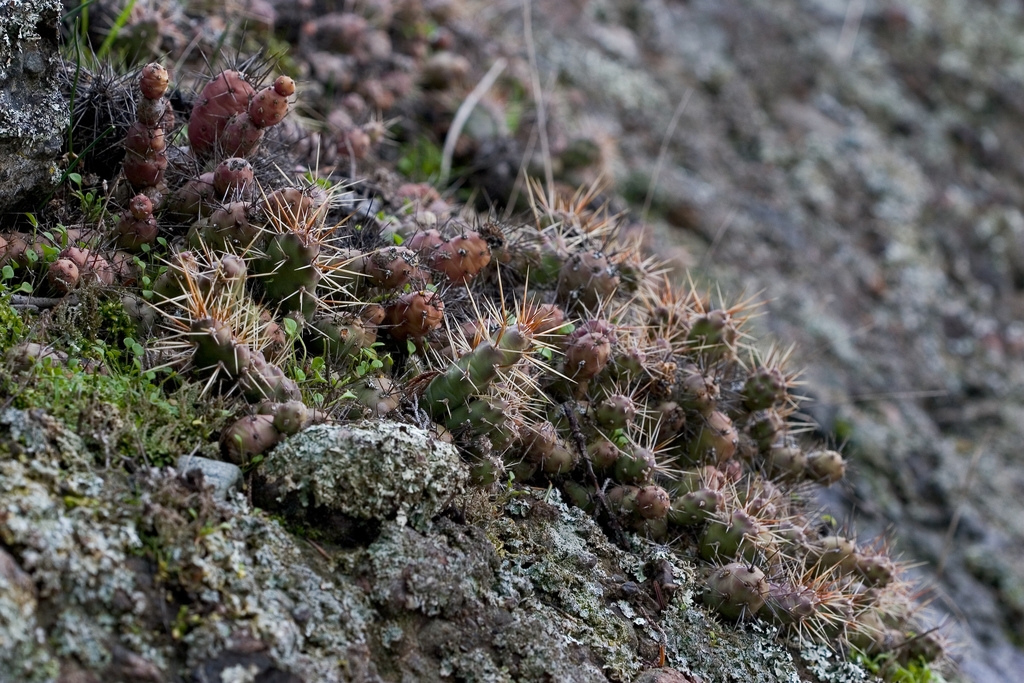
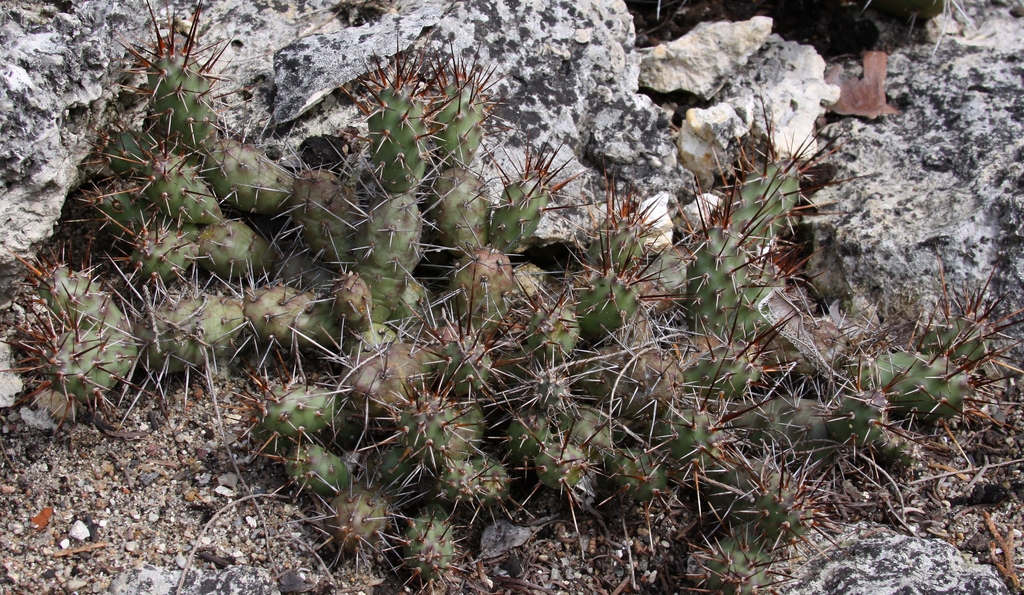
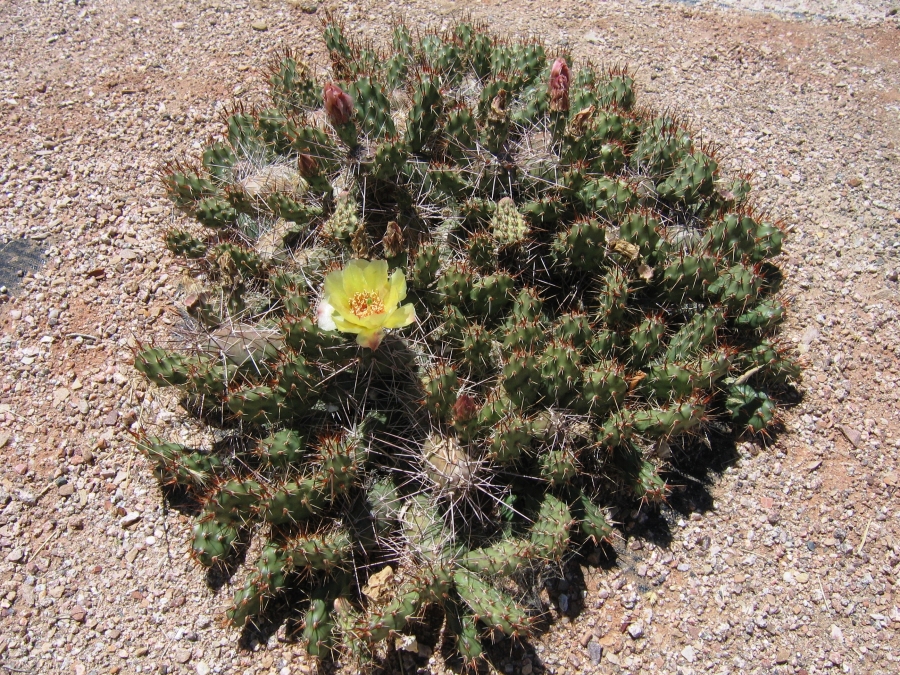
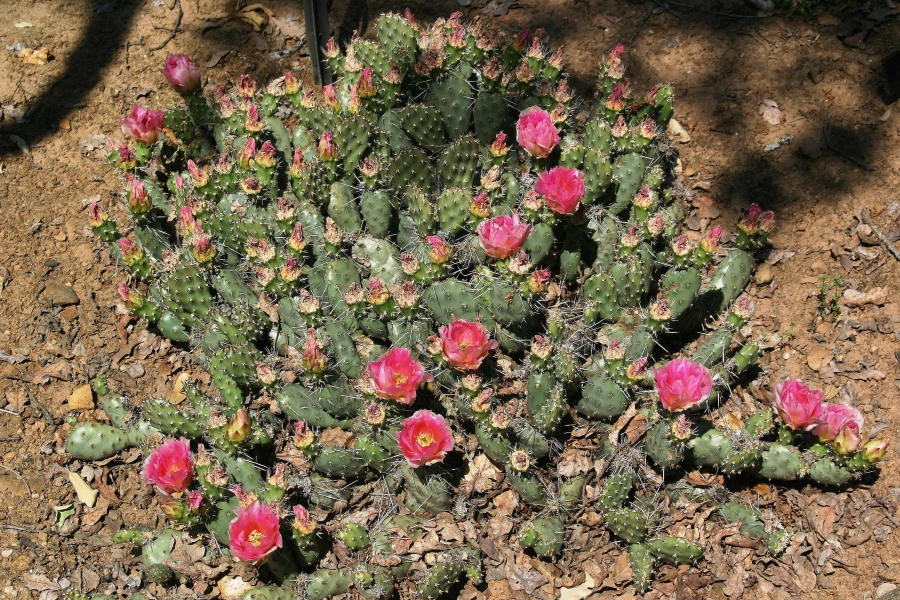
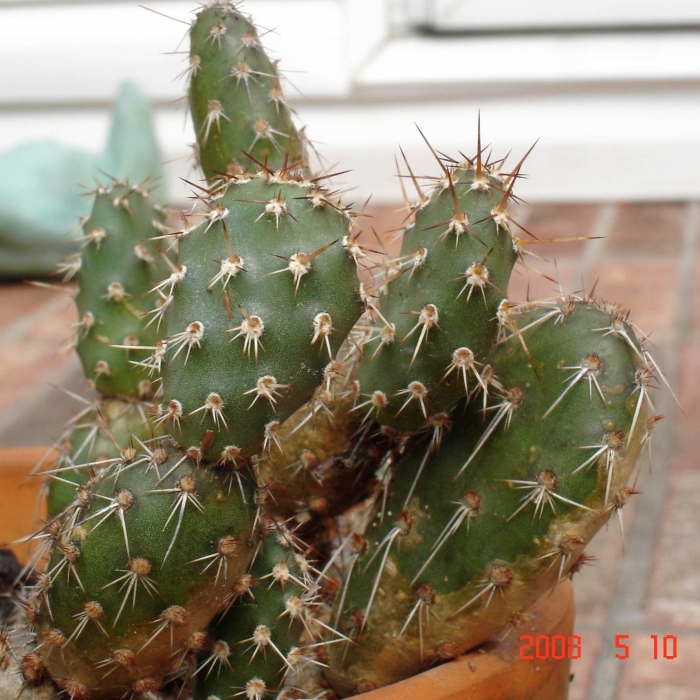
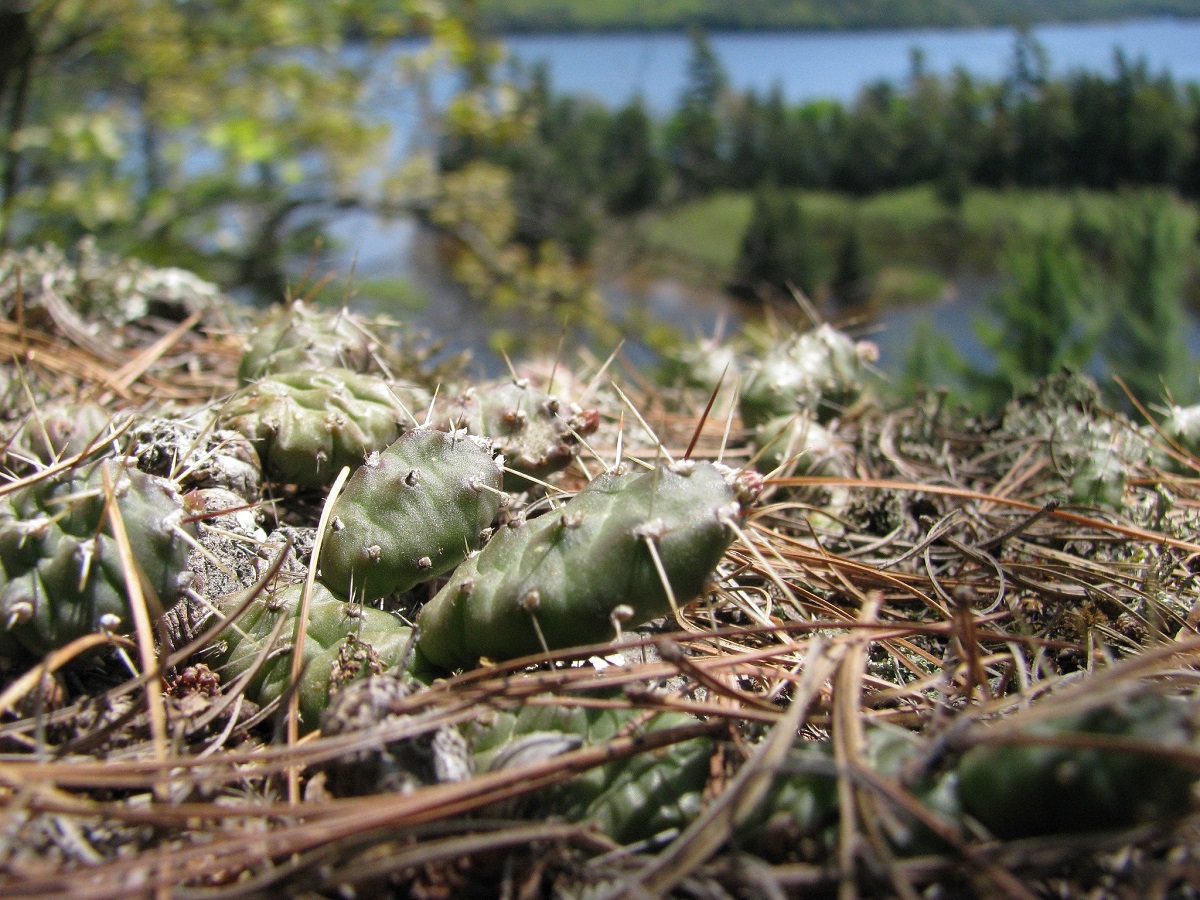
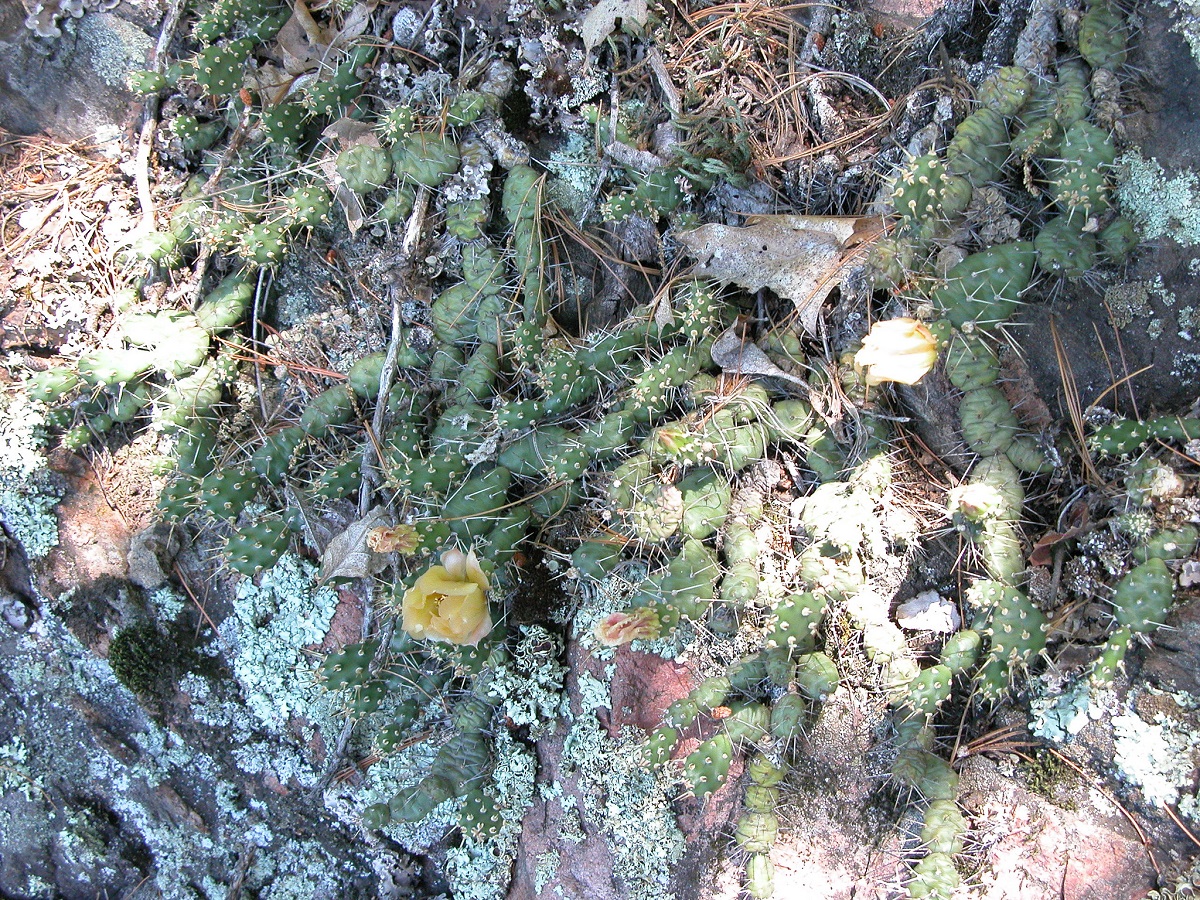
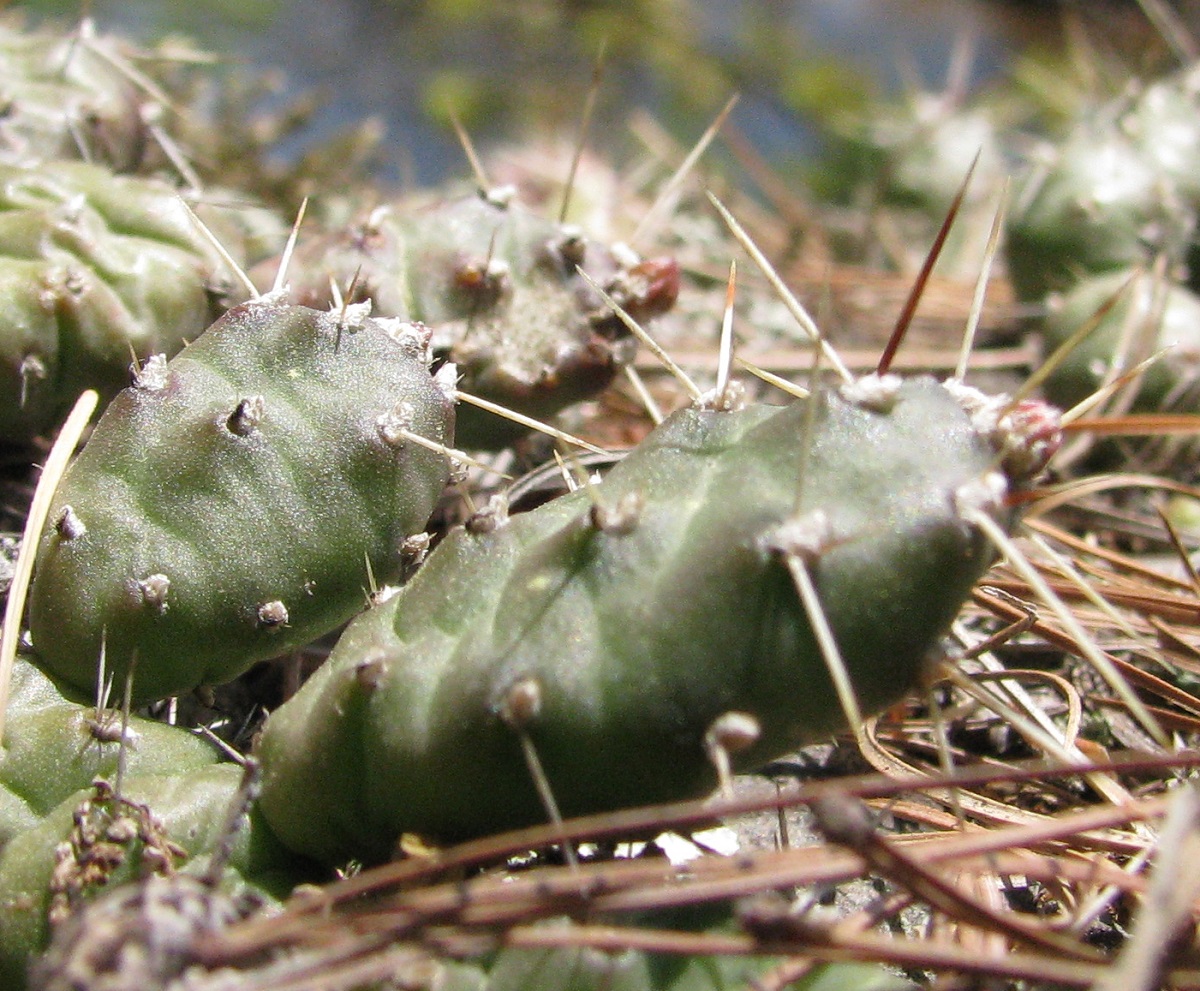
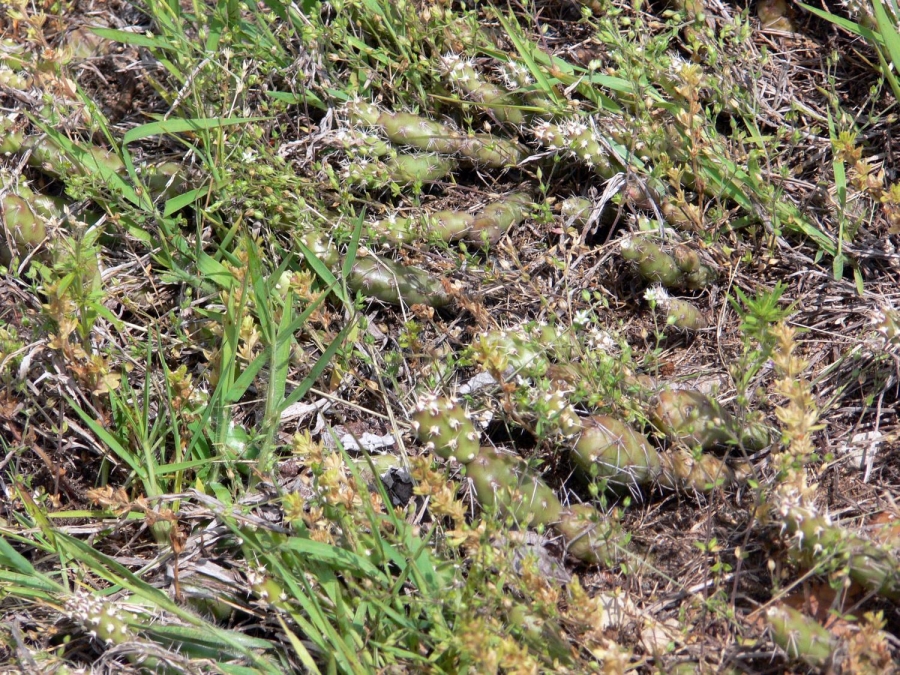
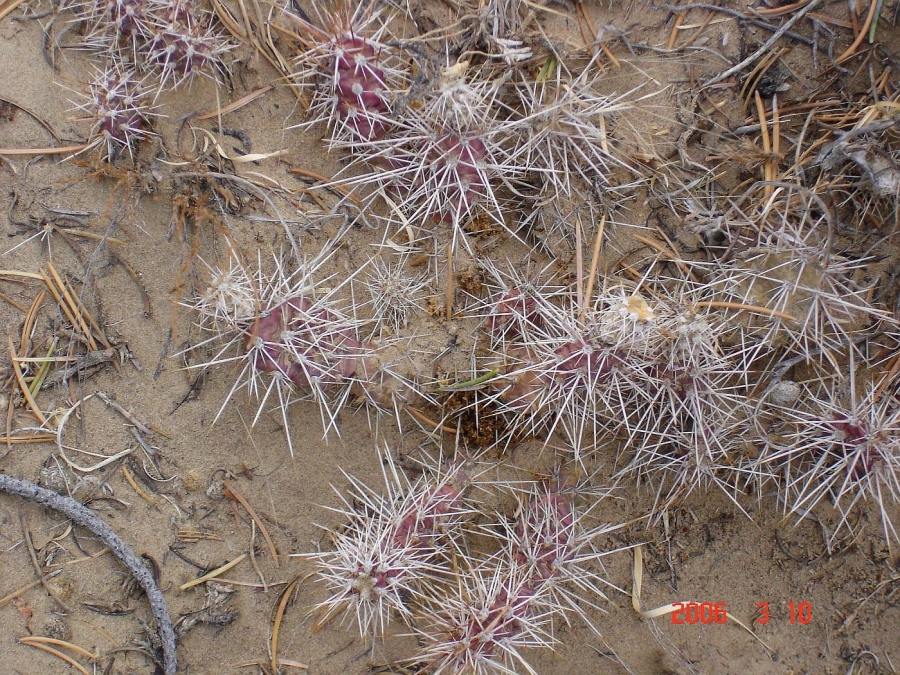
Why are all the photos of fragilis?