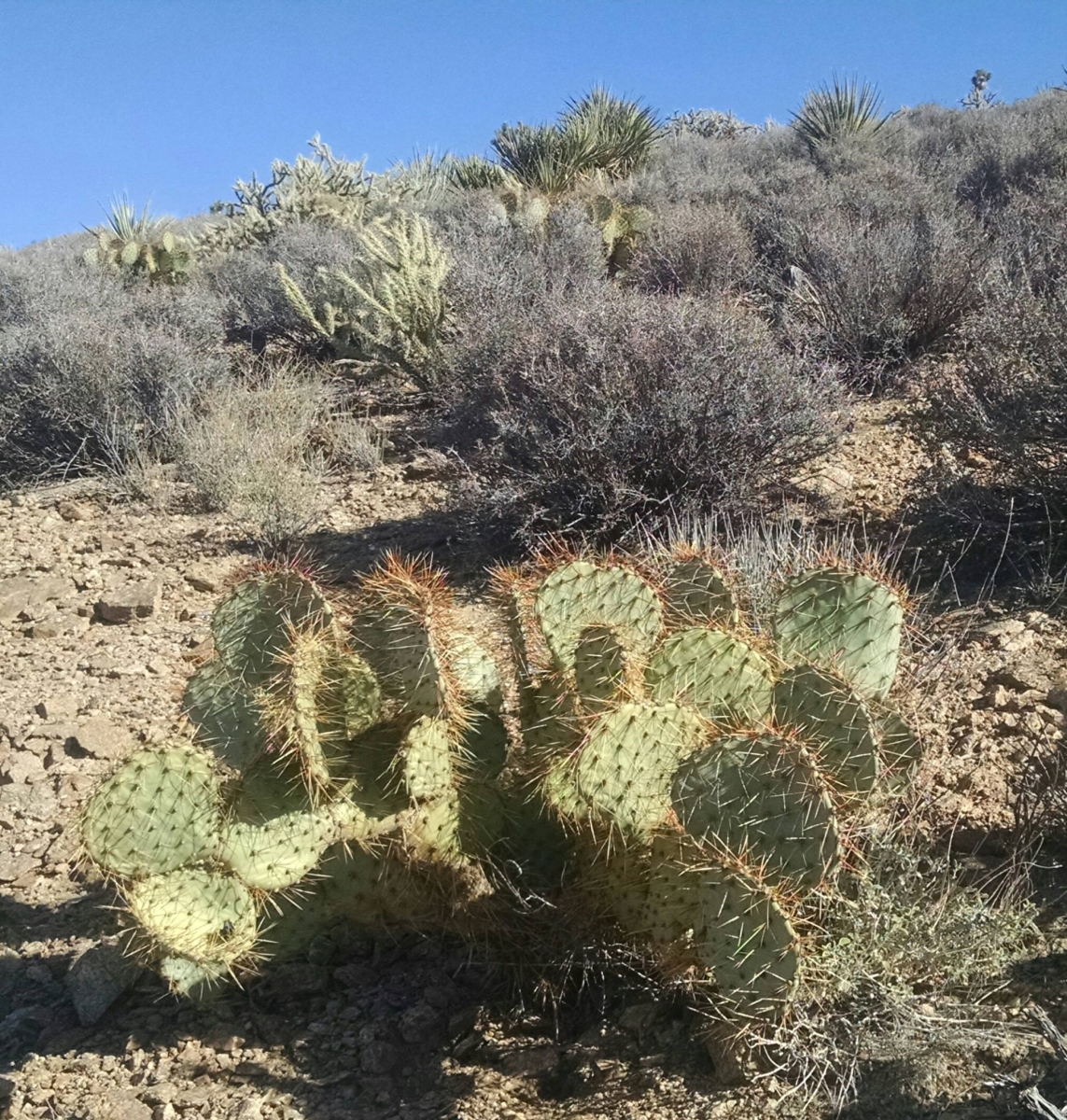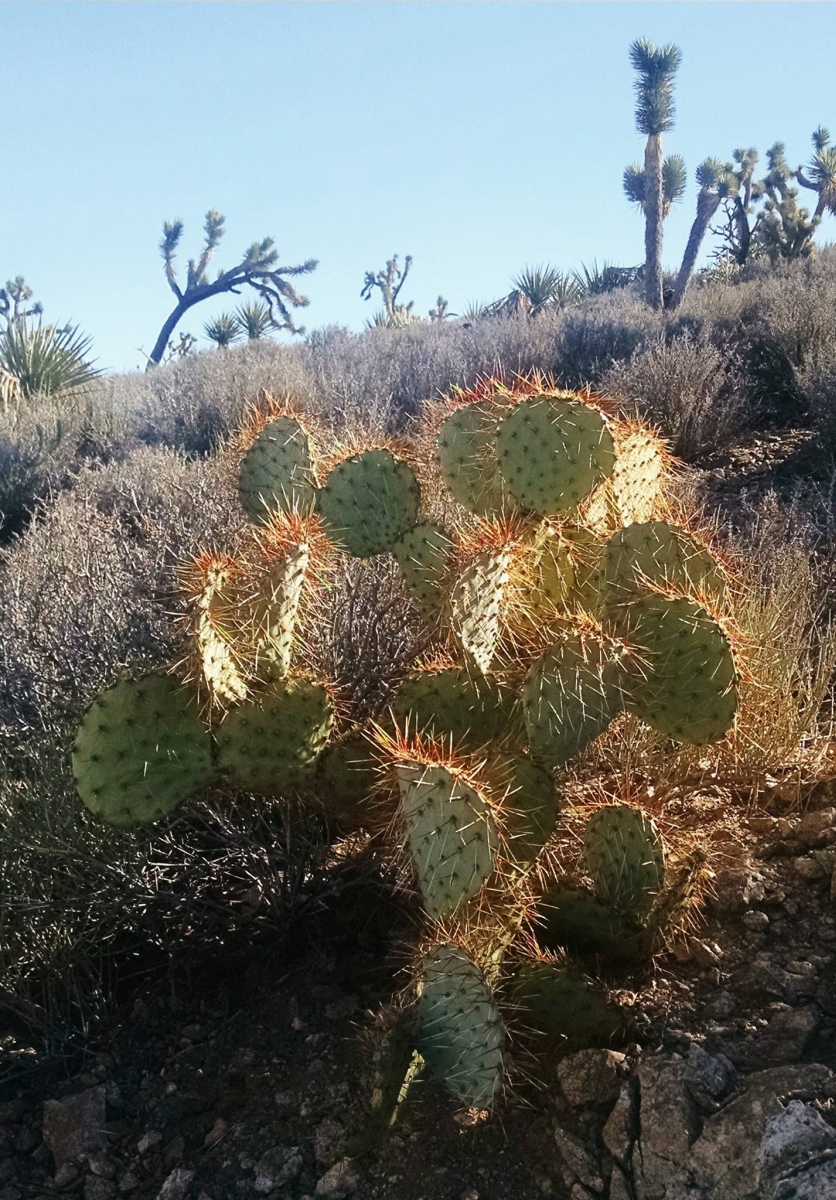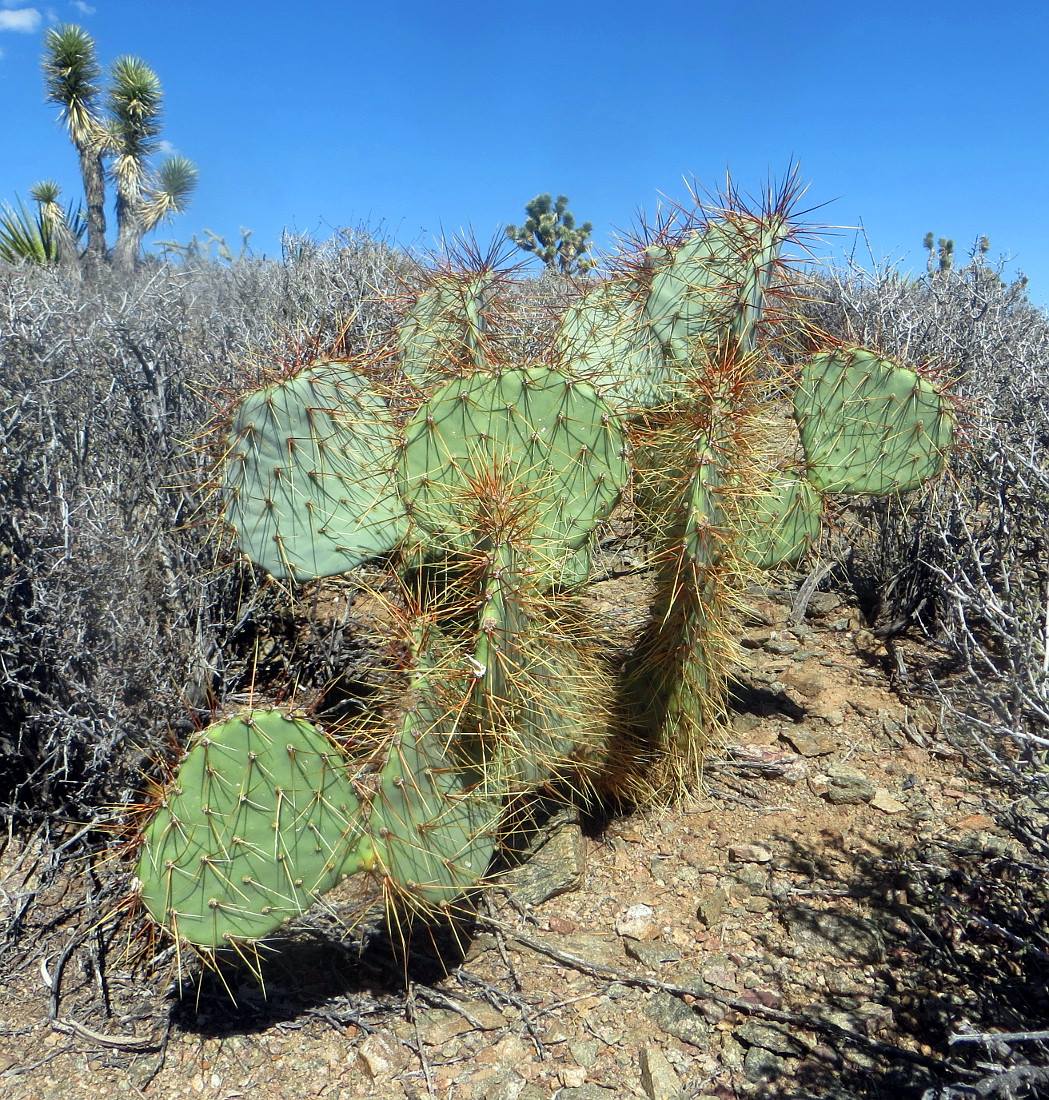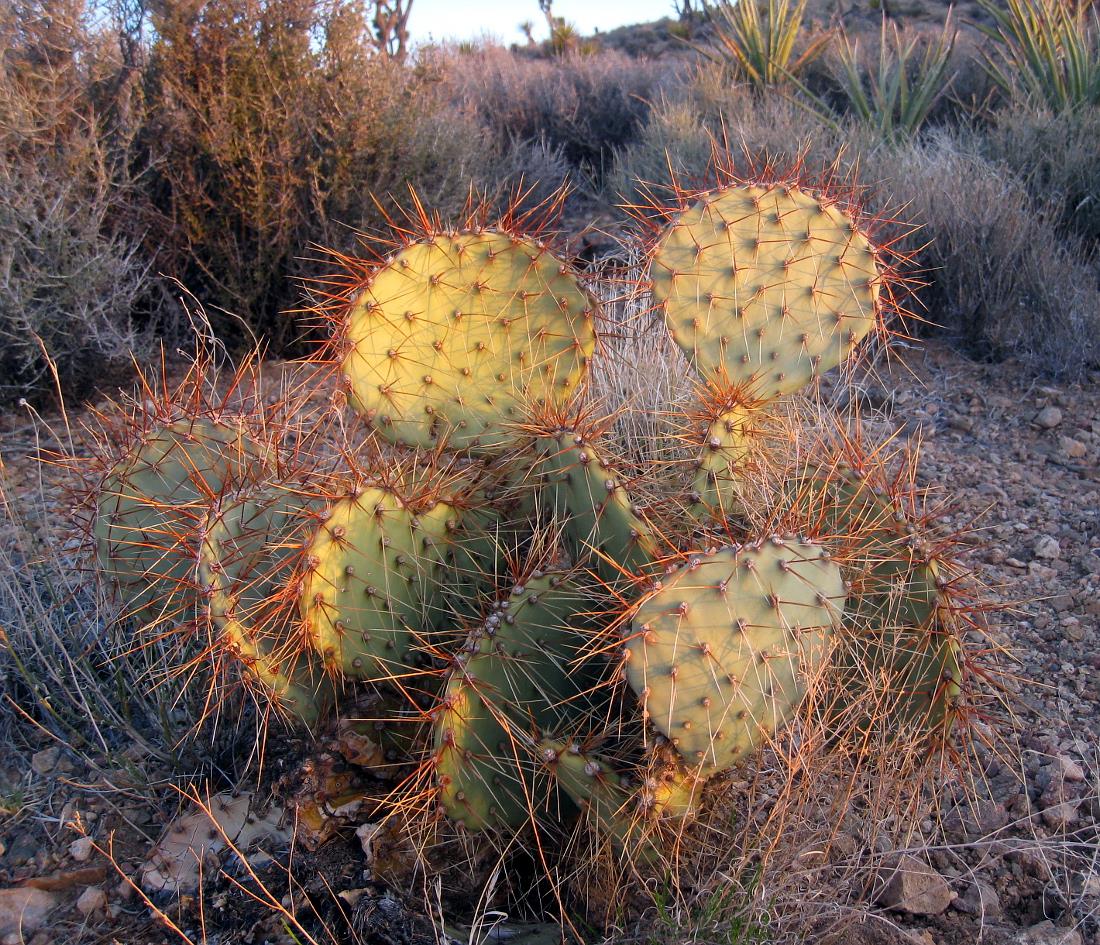
Griffiths, Bulletin of the Torrey Botanical Club 43: 88, 1916
Herbarium; Herbarium; Herbarium; Herbarium; Herbarium; Herbarium; Herbarium; Herbarium
See O. phaeacantha, a proposed ancestral species.
See O. chlorotica chlorotica, a proposed ancestral Opuntia.
Original Description
What is Opuntia curvispina?
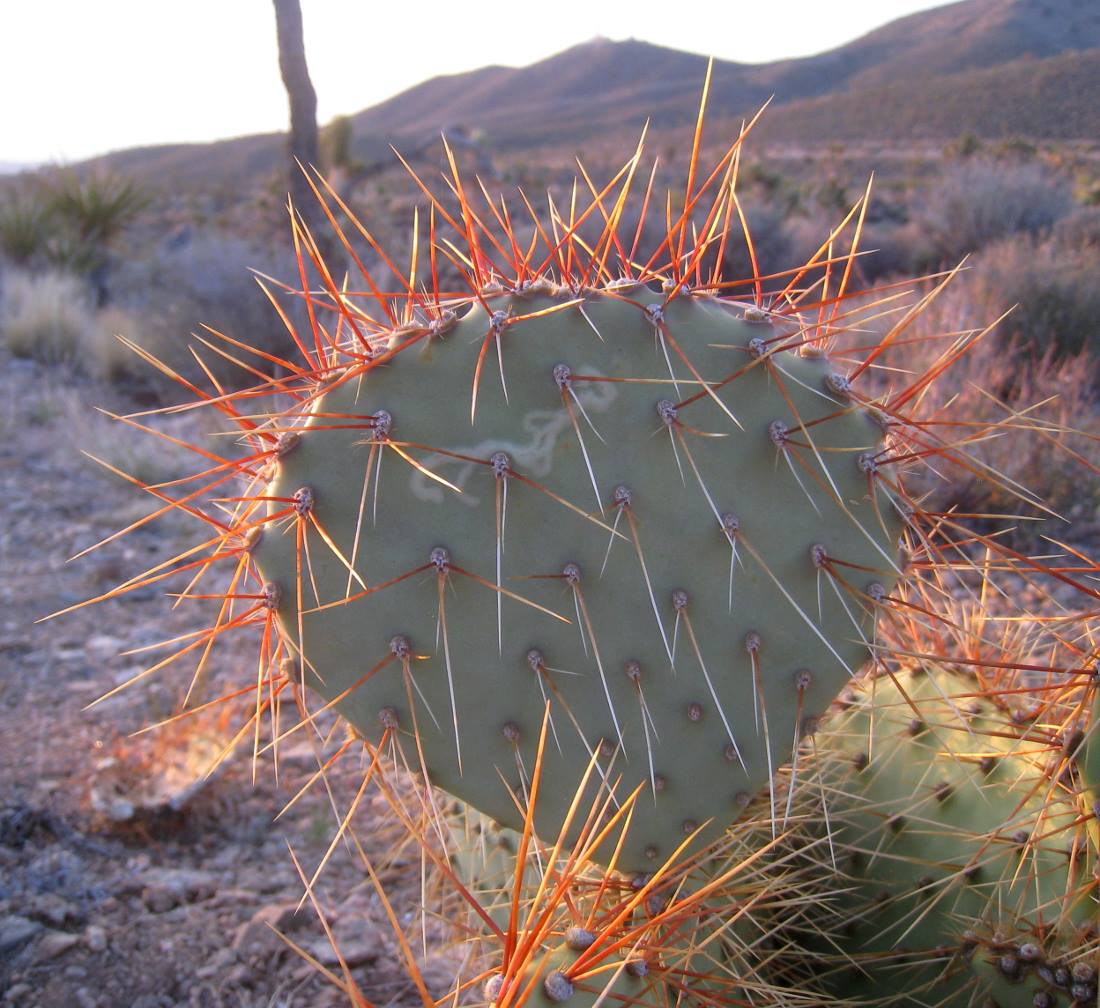
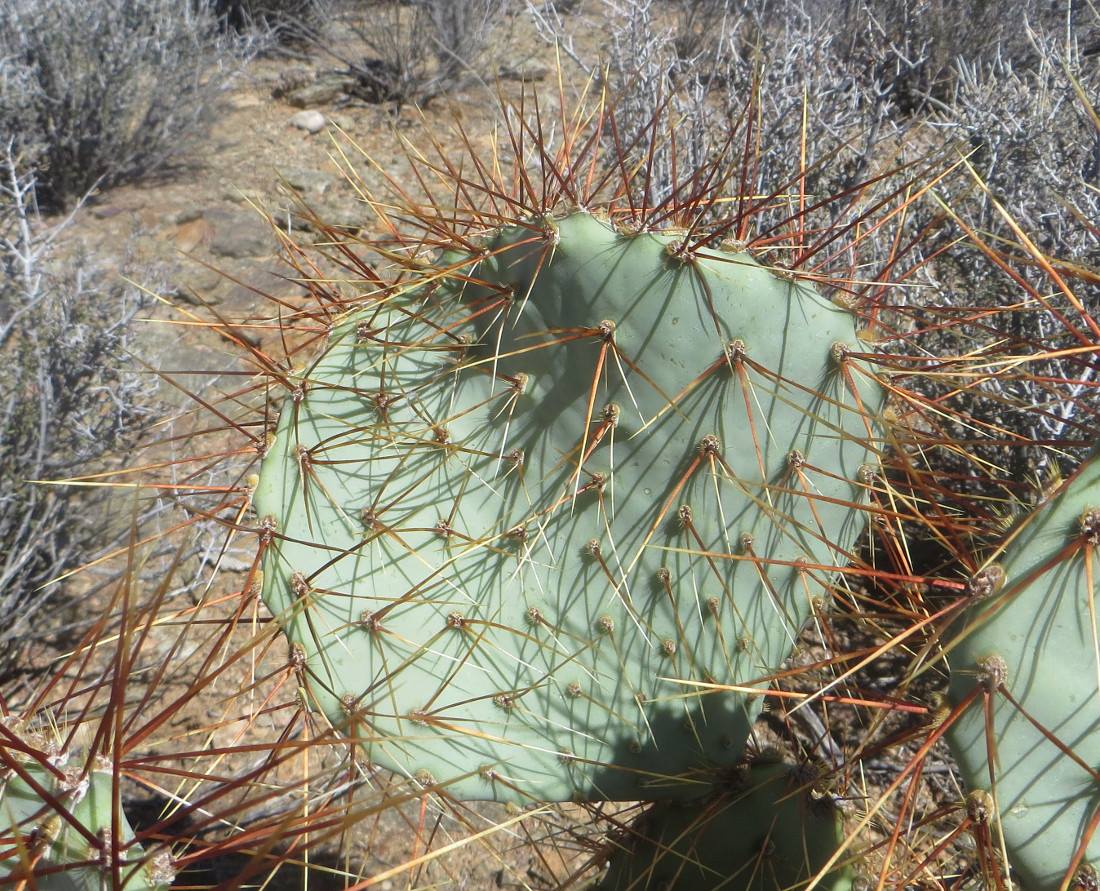
Opuntia curvispina is a noteworthy prickly pear cactus that has been cited in the literature under two different spellings: curvospina and curvispina. The latter spelling may be correct according to the rules of the International Code of Nomenclature for Algae, Fungi, and Plants. The original spelling, as provided by Griffiths, was curvospina. In this treatment, we adopt the spelling curvispina.
O. curvispina is tetraploid.
Details
Opuntia curvispina is a noteworthy prickly pear cactus that has been cited in the literature under two different spellings. The original spelling, as provided by Griffiths, was curvospina. In this treatment, we adopt the spelling curvispina. Refer to the citation below for a detailed discussion of the hybrid origins of this species.
Other Notes
Opuntia curvispina has been described as a nothospecies (O. ×curvispina), proposed to be a hybrid derived from a cross between O. chlorotica var. chlorotica and O. phaeacantha, possibly originating through hybridization in the distant past. However, if this hybrid origin is accurate, there is no definitive evidence to confirm O. phaeacantha as a parent, as other small- to medium-sized Opuntia species may have contributed and have yet to be thoroughly investigated.
Regardless, O. curvispina constitutes a self-reproducing and widespread cactus and should not be regarded as a nothospecies. Accordingly, in this treatment, O. curvispina is recognized as a discrete and established species.
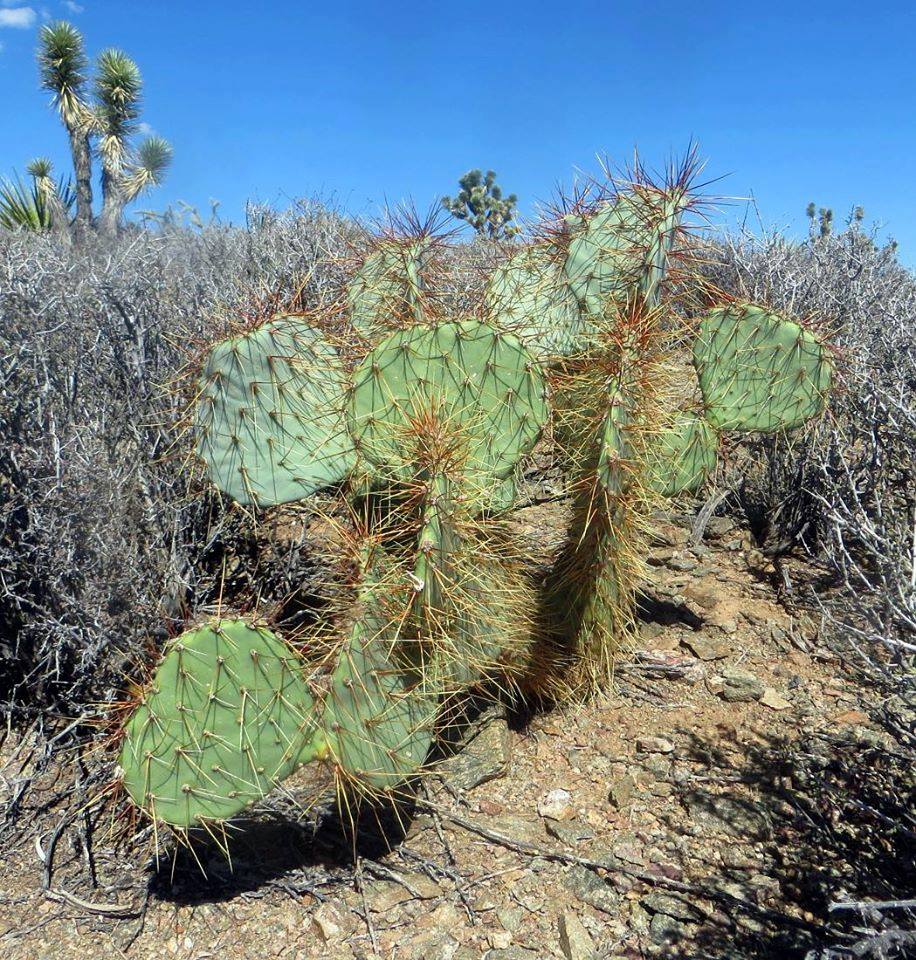
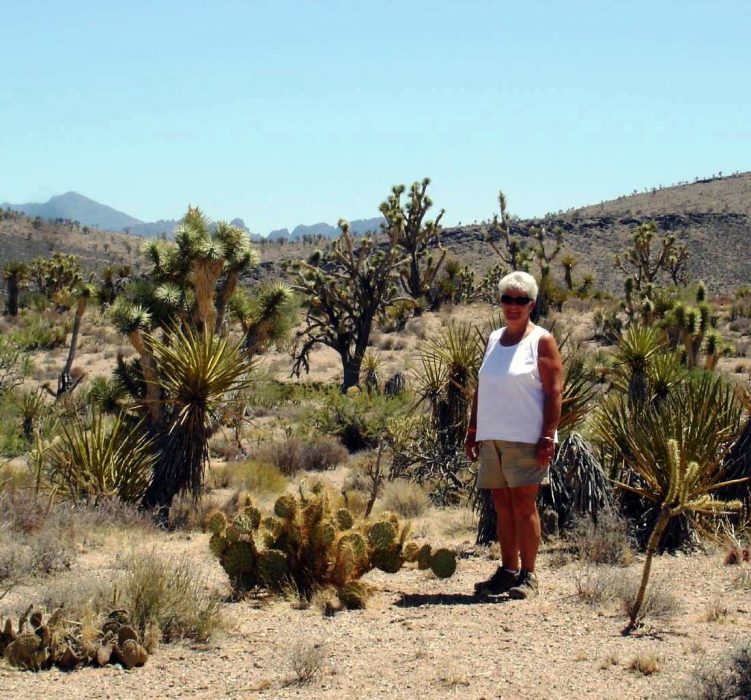
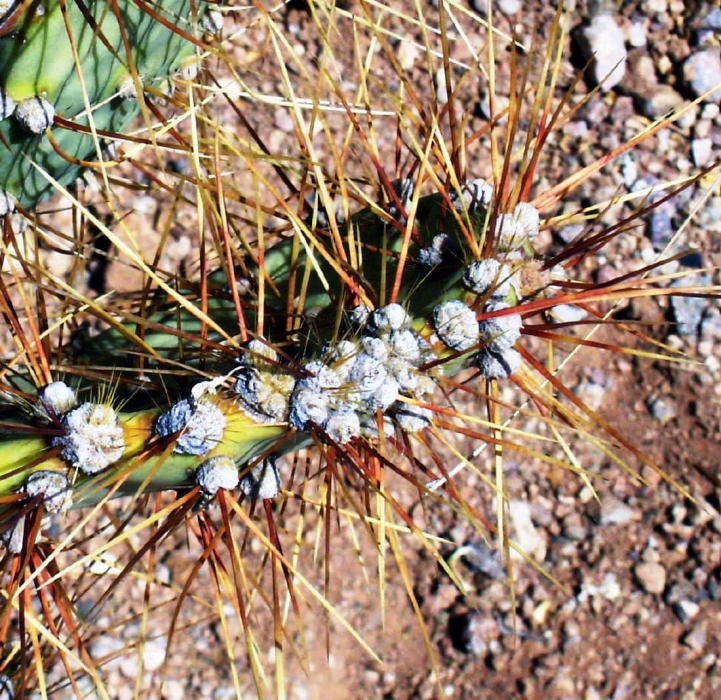
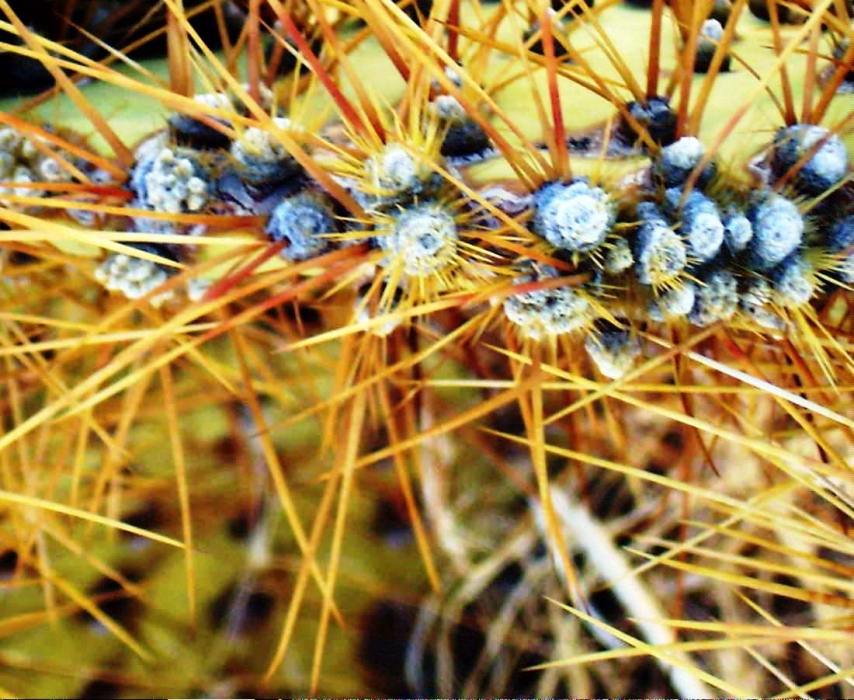
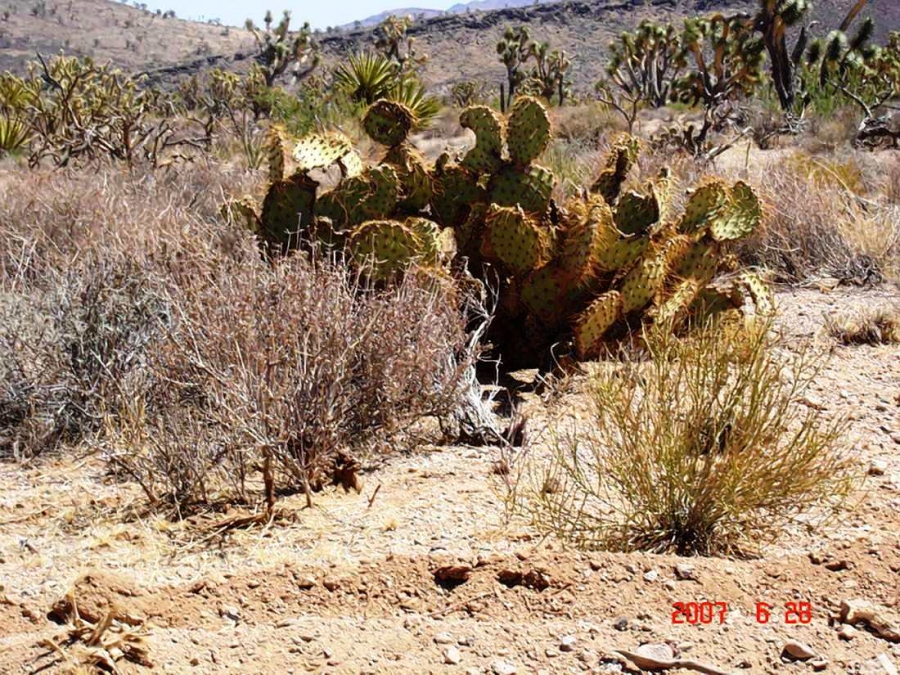
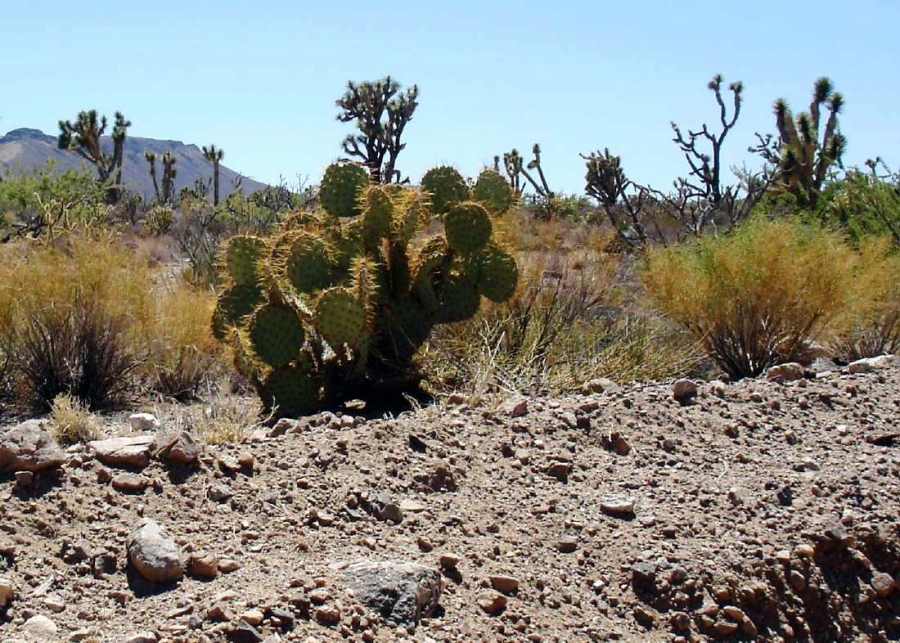
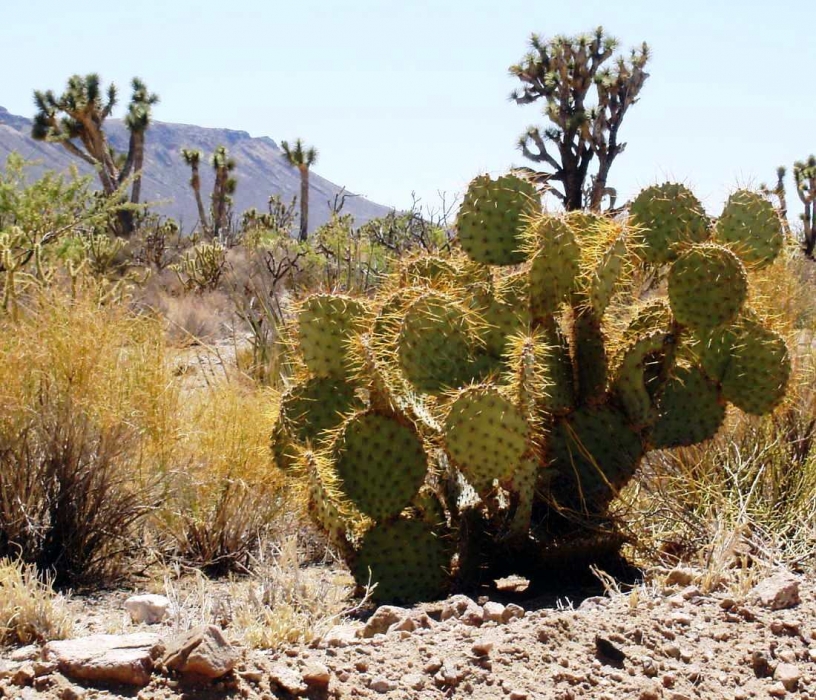
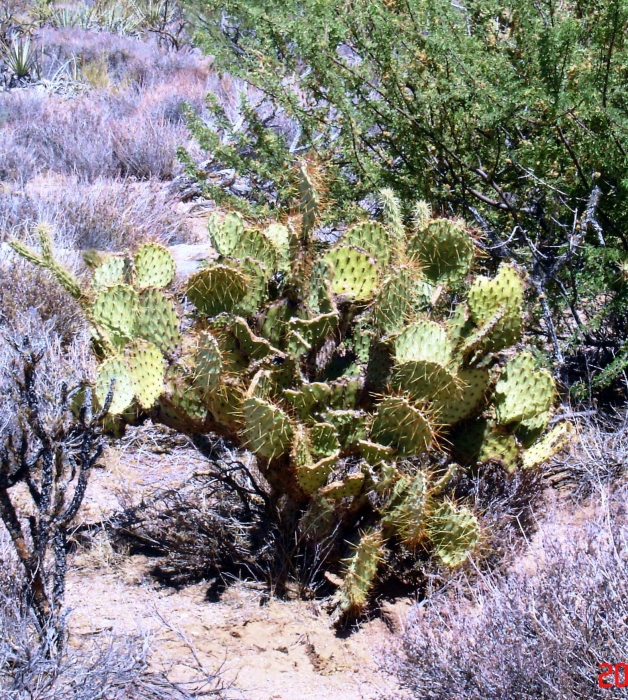
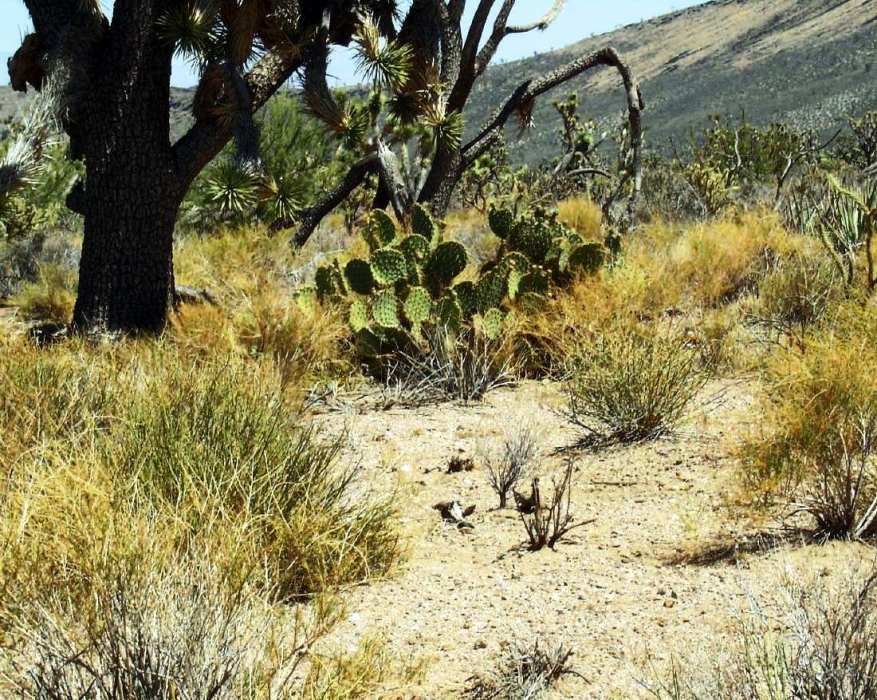
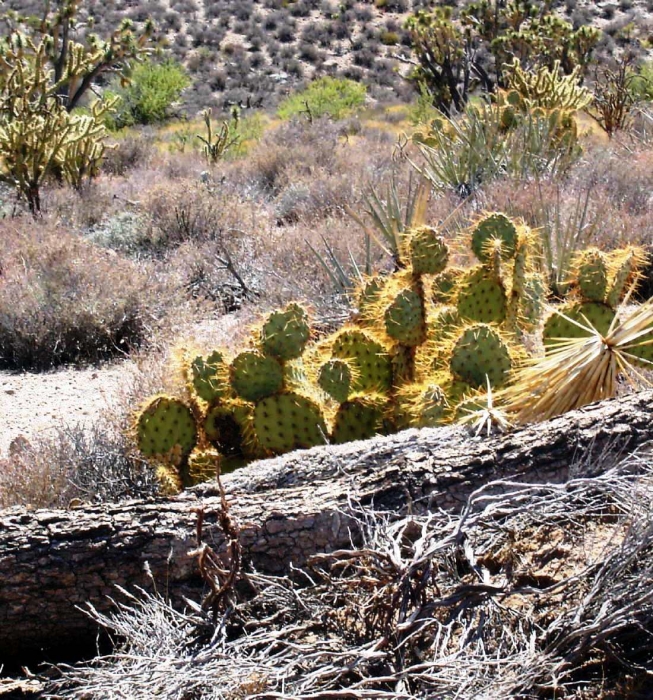
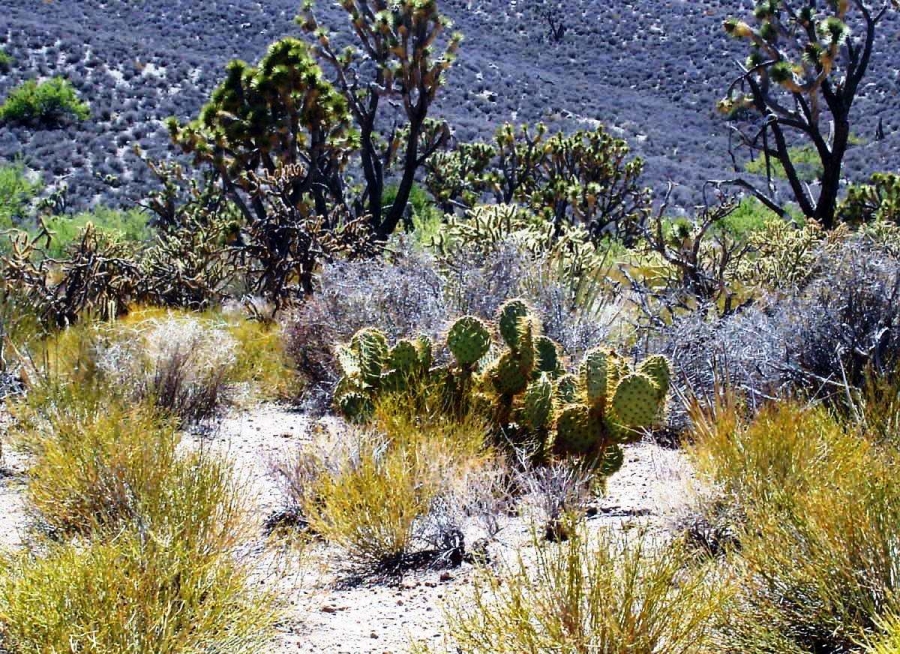
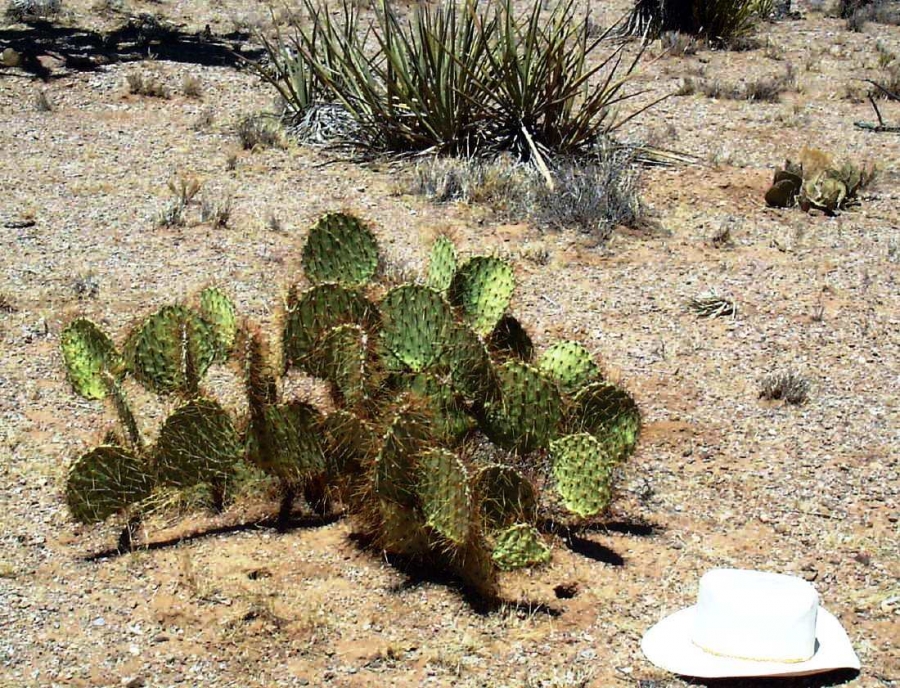
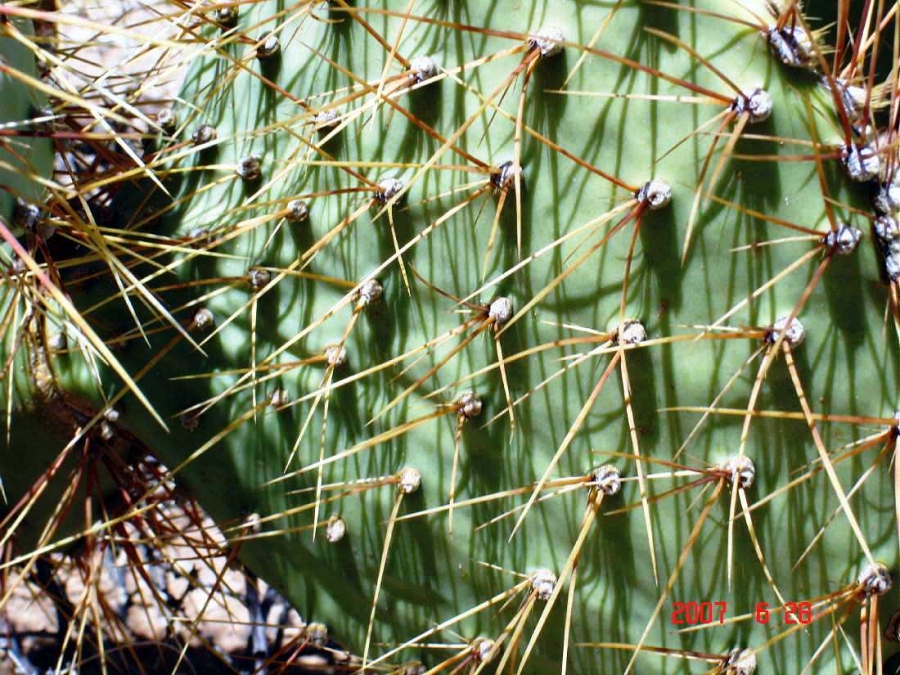
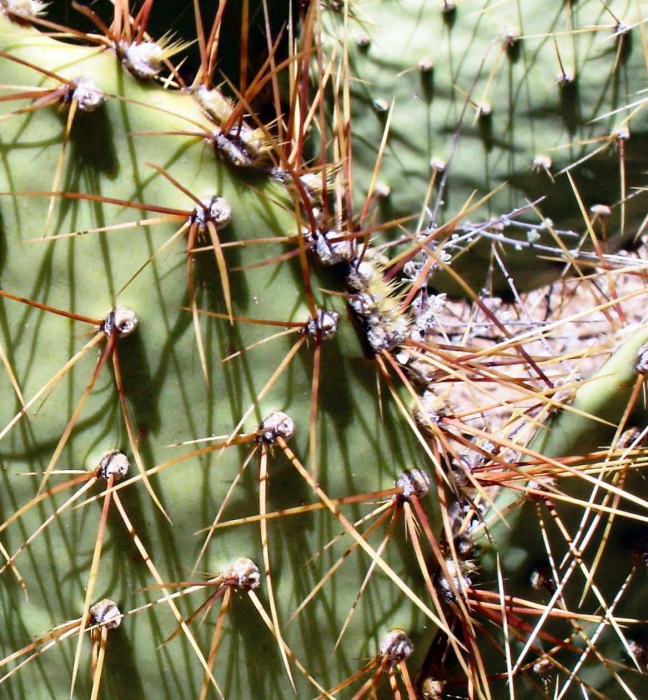
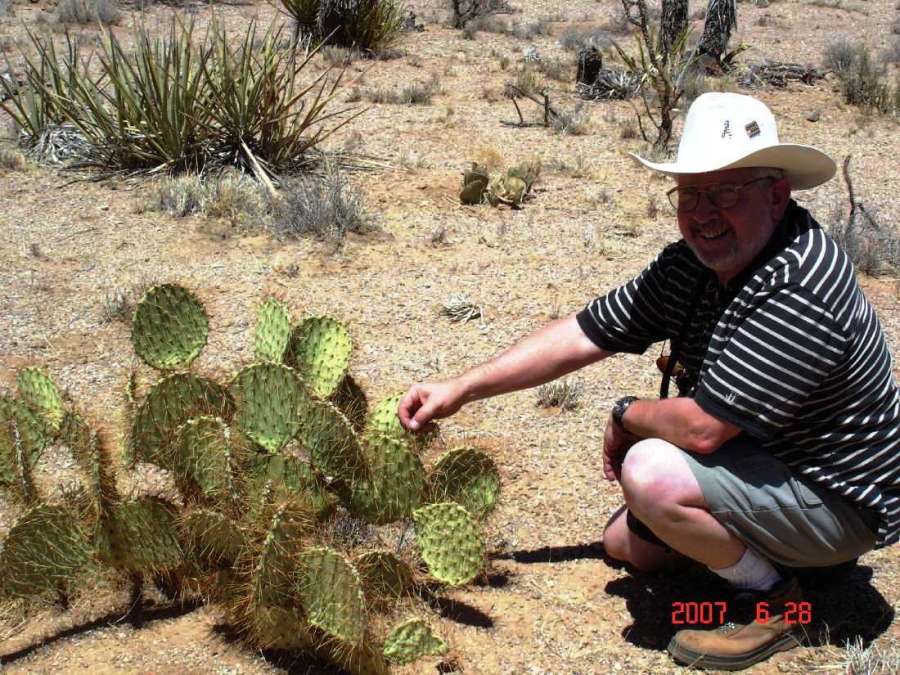
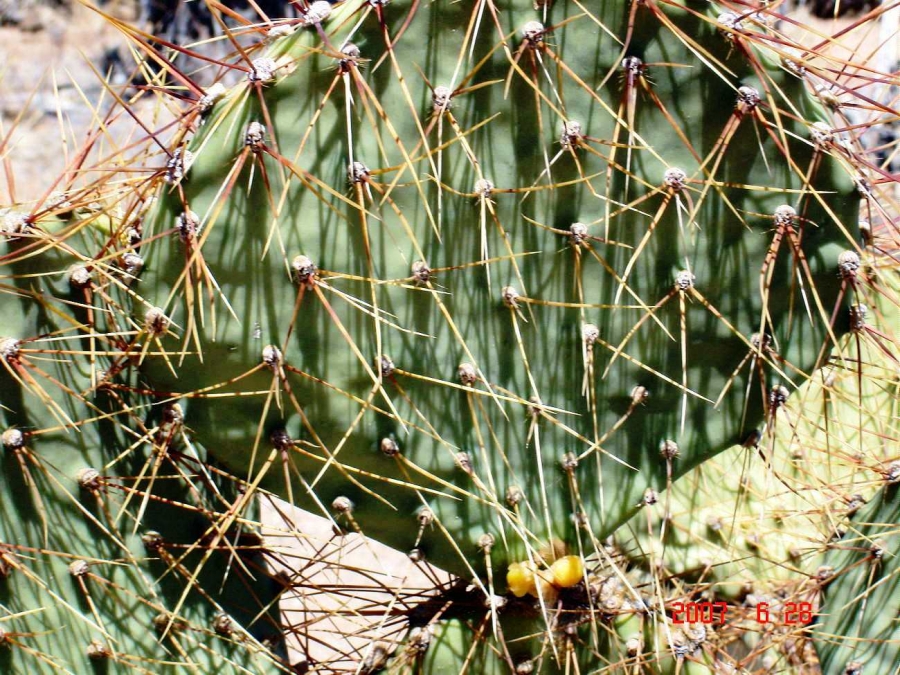
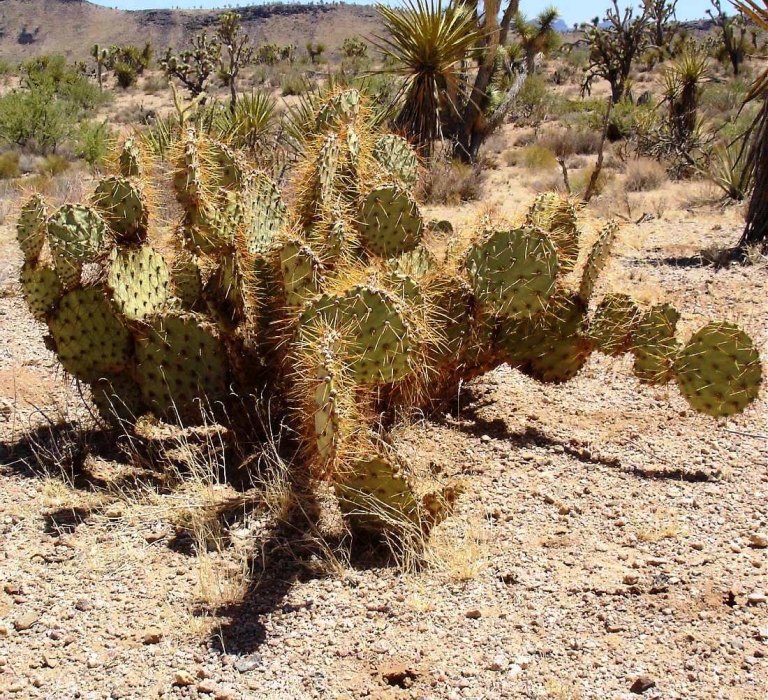
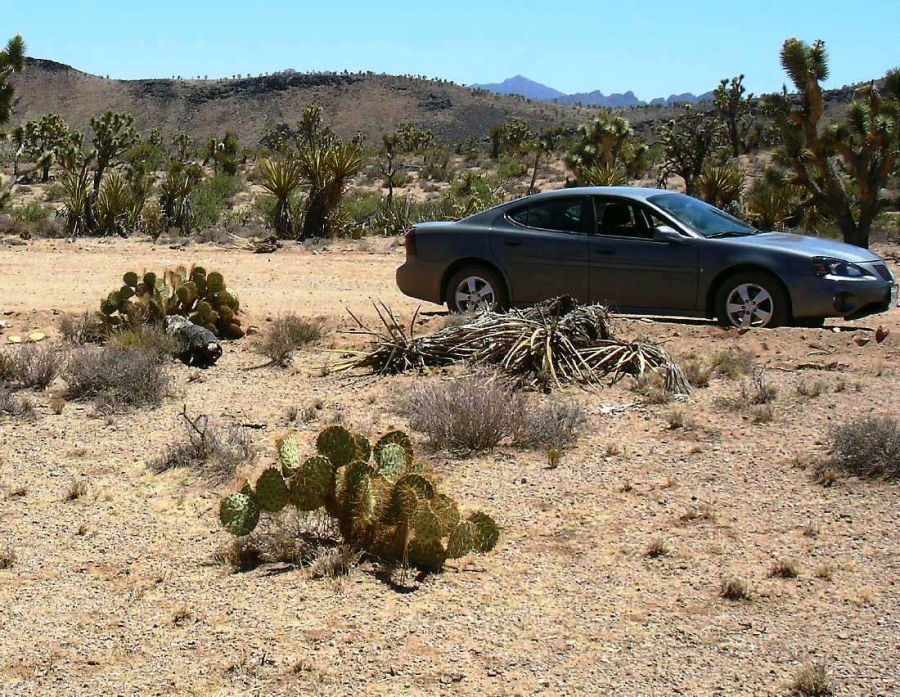
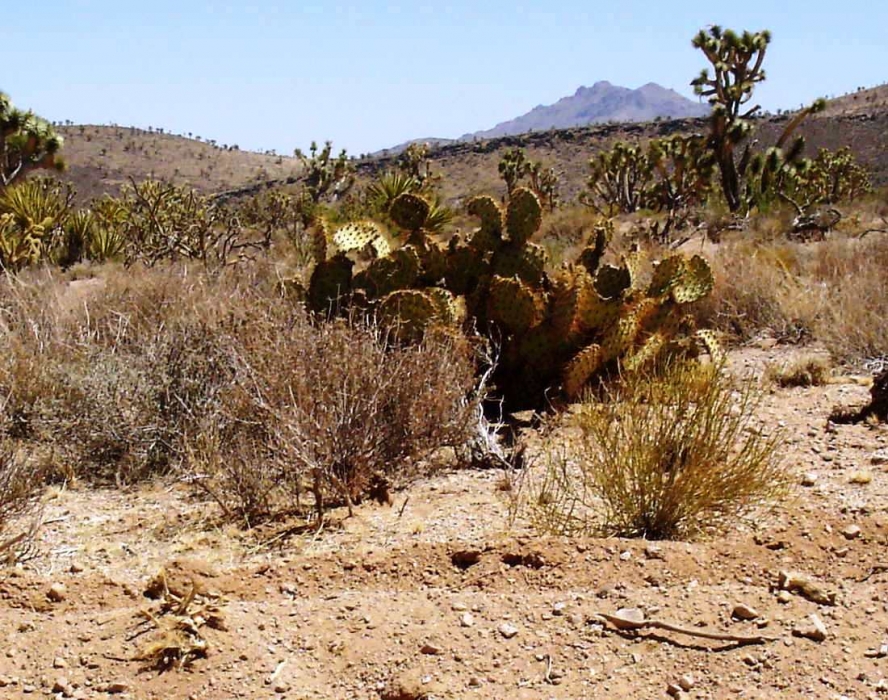
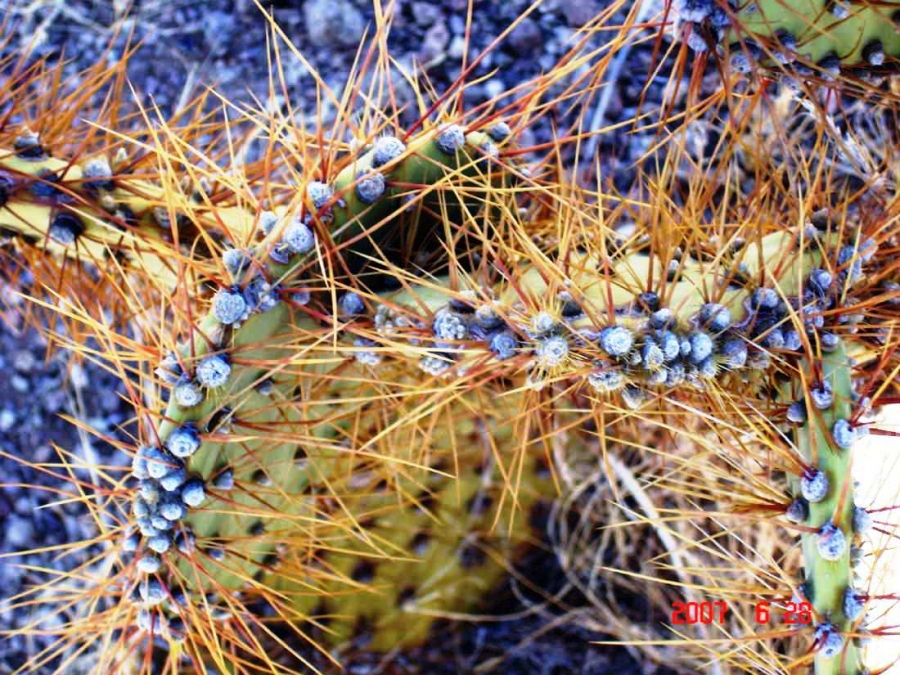
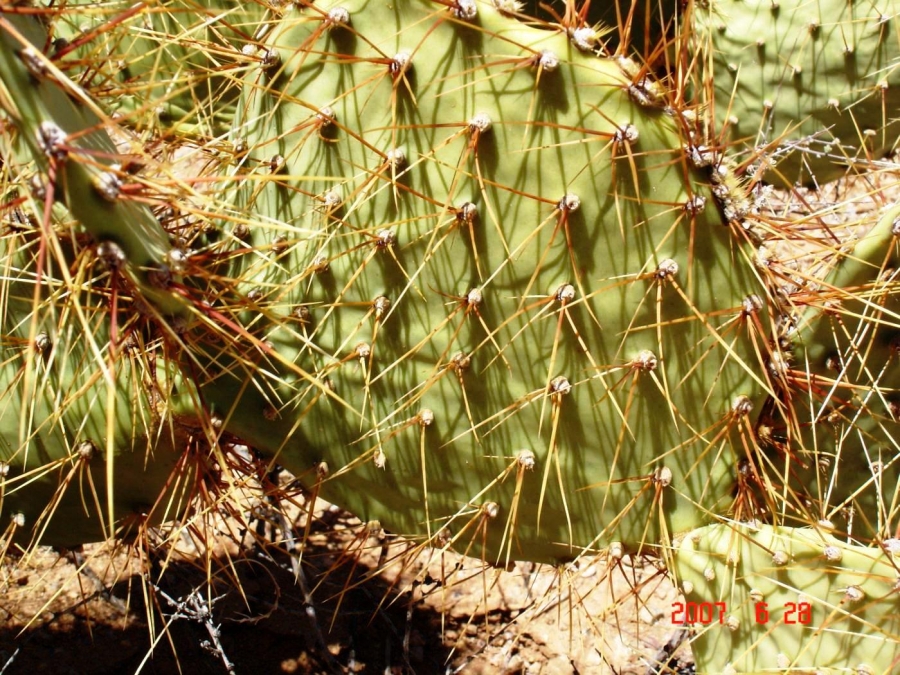
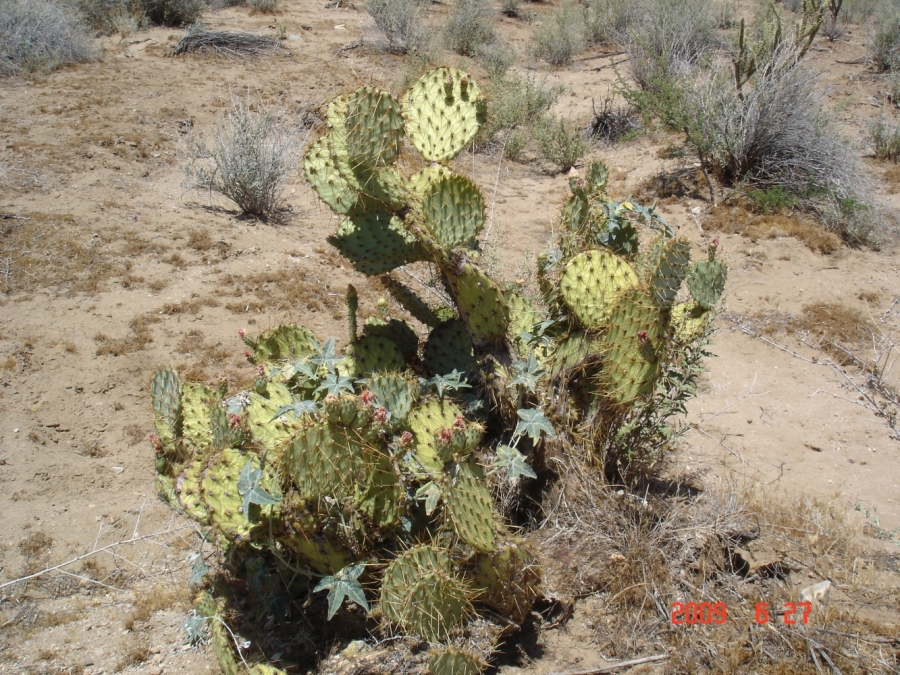
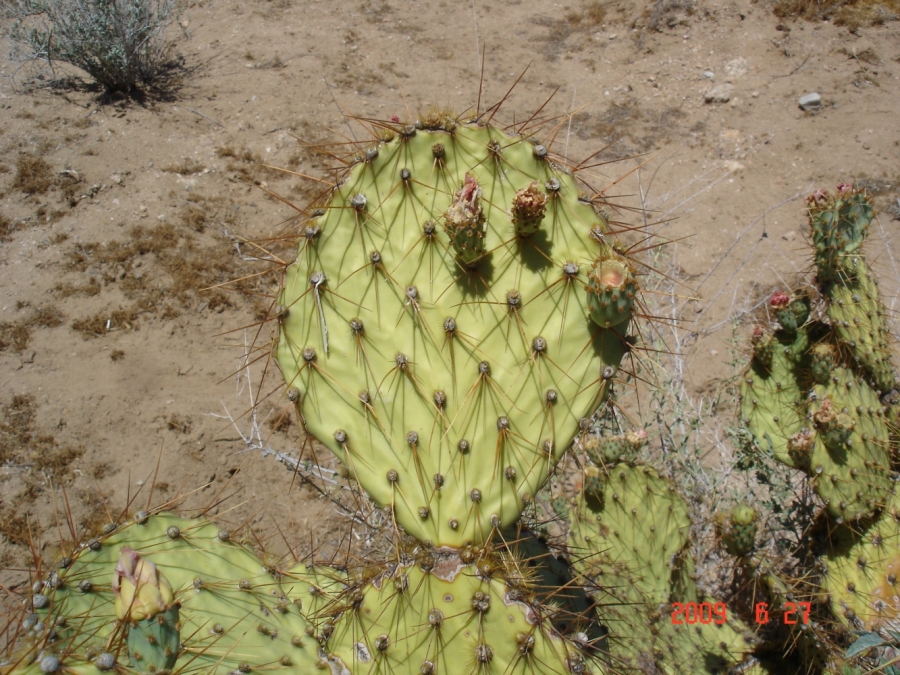
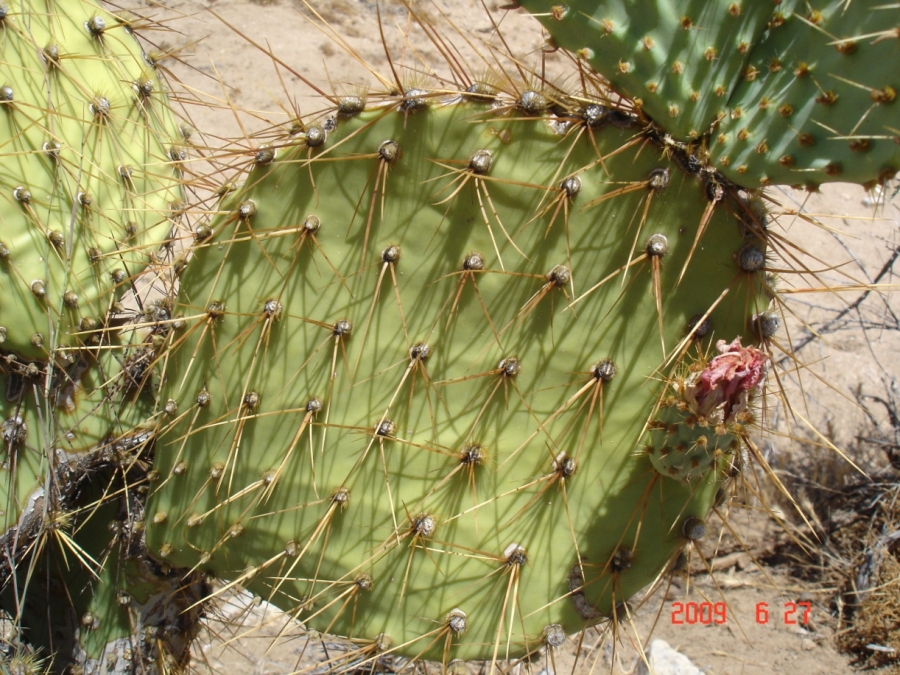
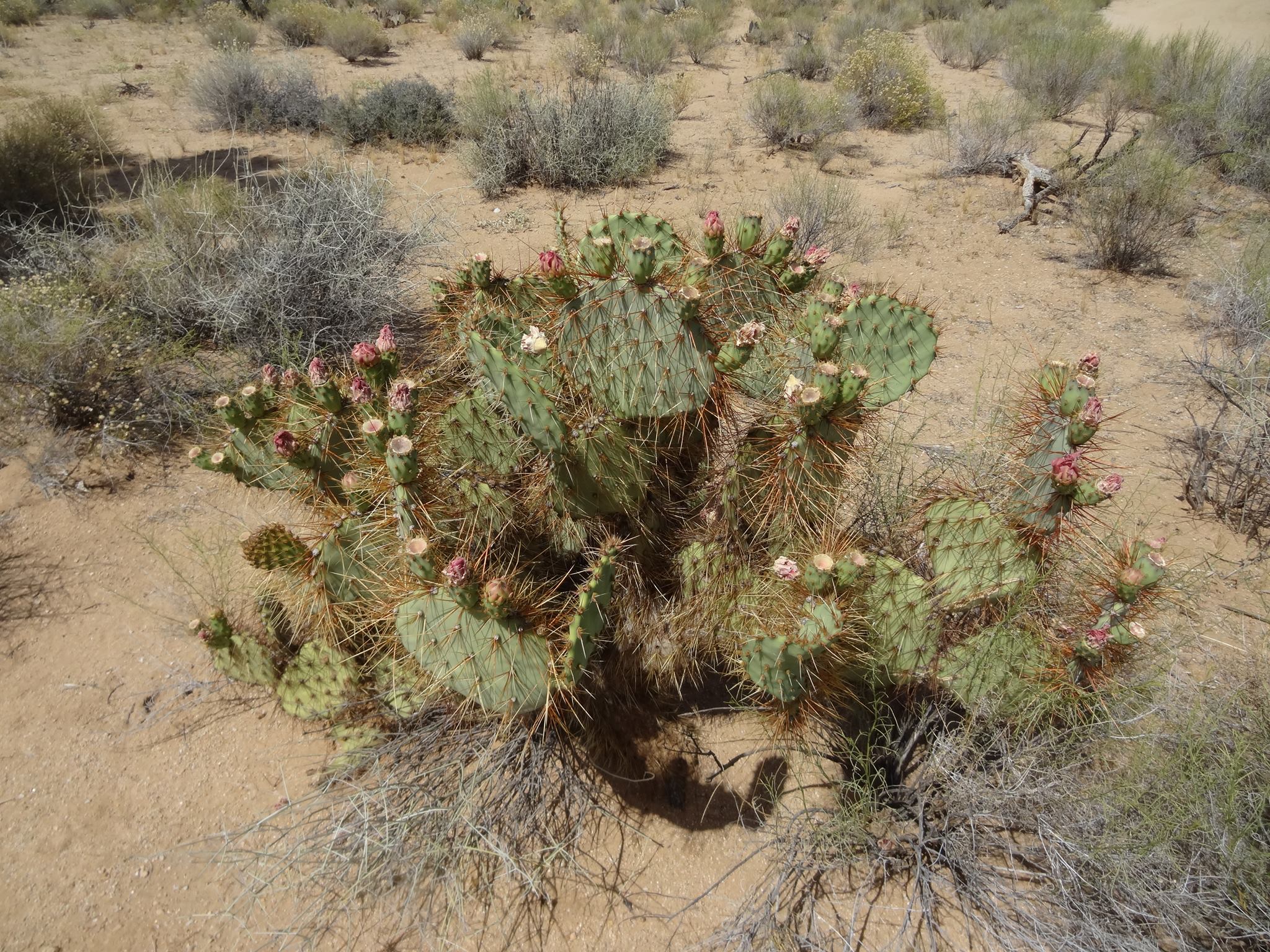
The species occurs in Arizona—primarily in the greater Kingman area and northward—as well as in adjacent portions of Nevada and California. It is commonly found in deep soils and has been observed growing in dry washes alongside Yucca brevifolia north of Kingman, Arizona. Morphologically, the plants bear some resemblance to O. chlorotica var. chlorotica but are notably bushier, generally lack a trunk, and are smaller in stature. They also related to O. martiniana.
For more information, see:
Majure L.C. (2022) On the origin of the two putative allopolyploids, Opuntia curvispina and O. martiniana (Cactaceae): A case of cryptic speciation in prickly pear cacti, Journal of the Botanical Research Institute of Texas.