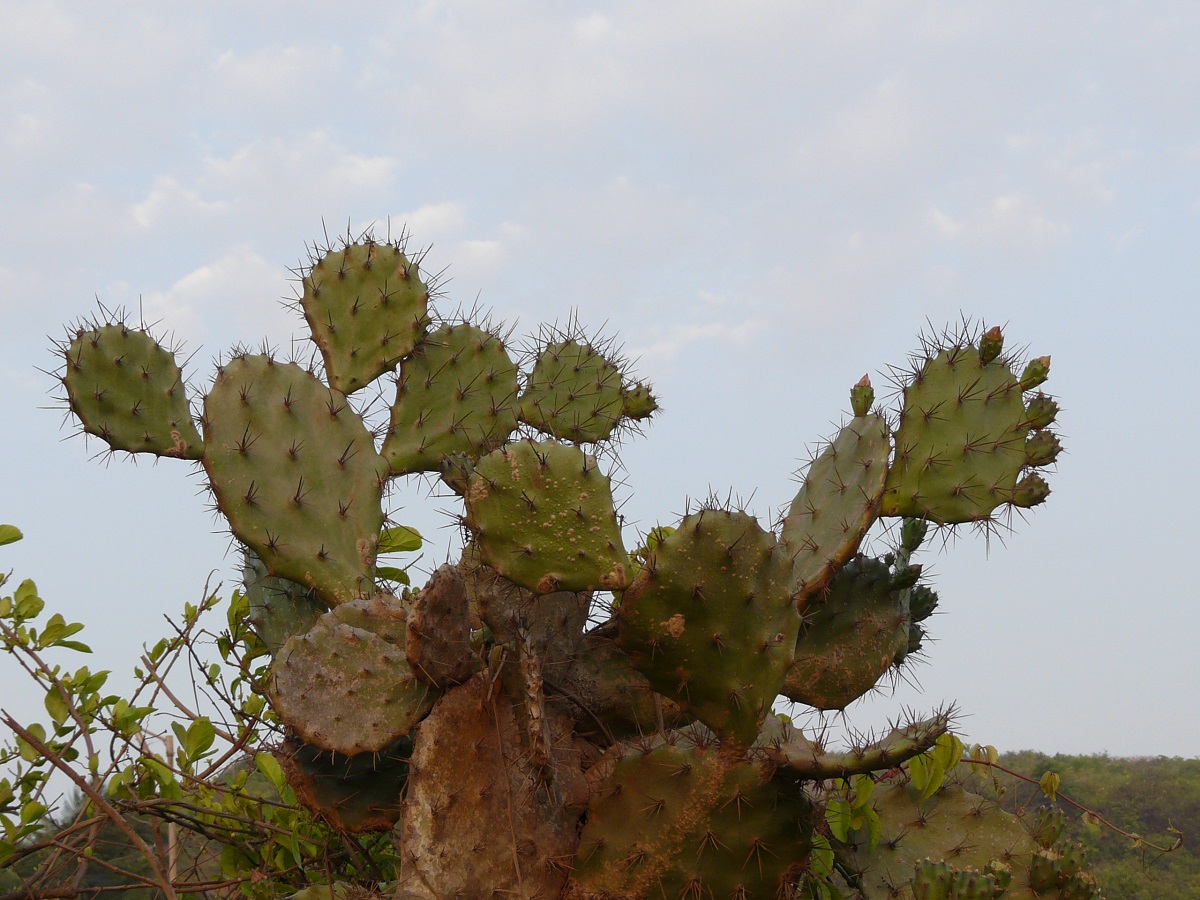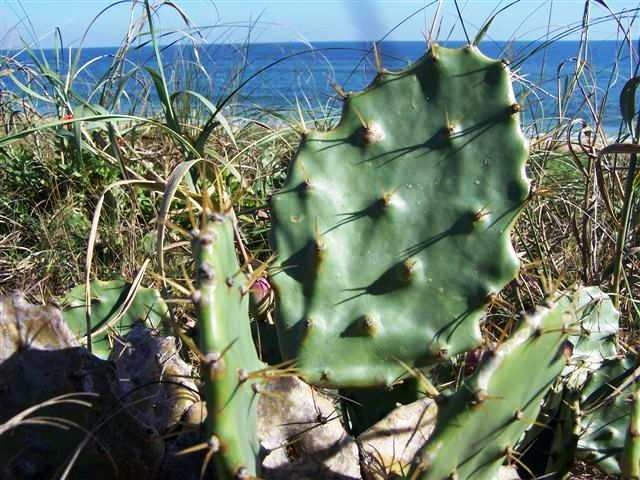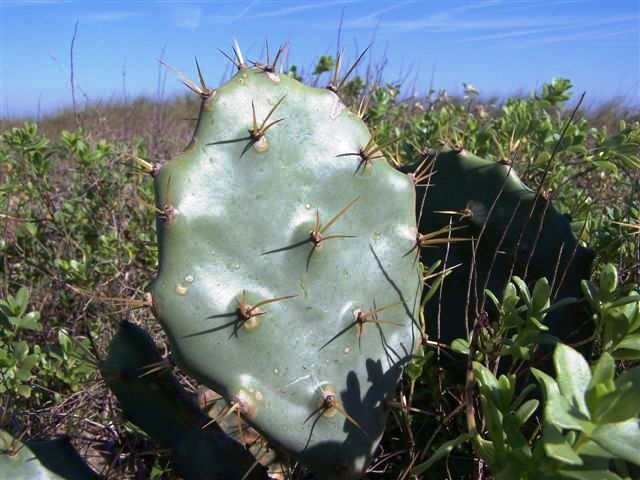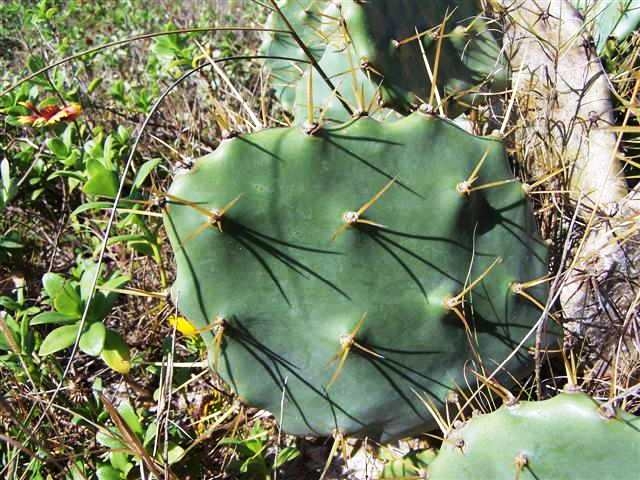
Opuntia confusa, Confusing Pricklypear
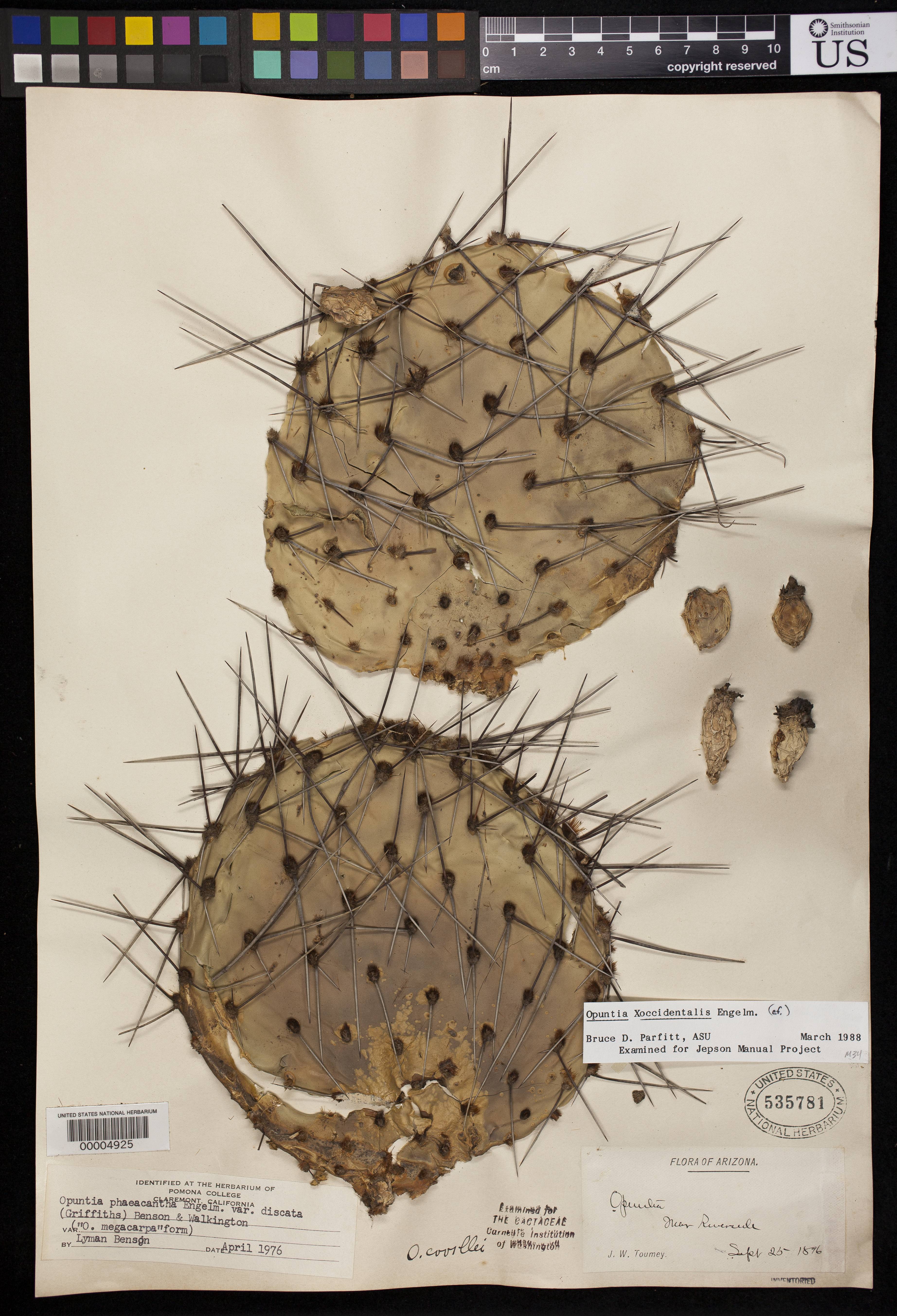
Holotype; Isotype; Isotype; Isotype; Isotype; Isotype; Herbarium; Herbarium
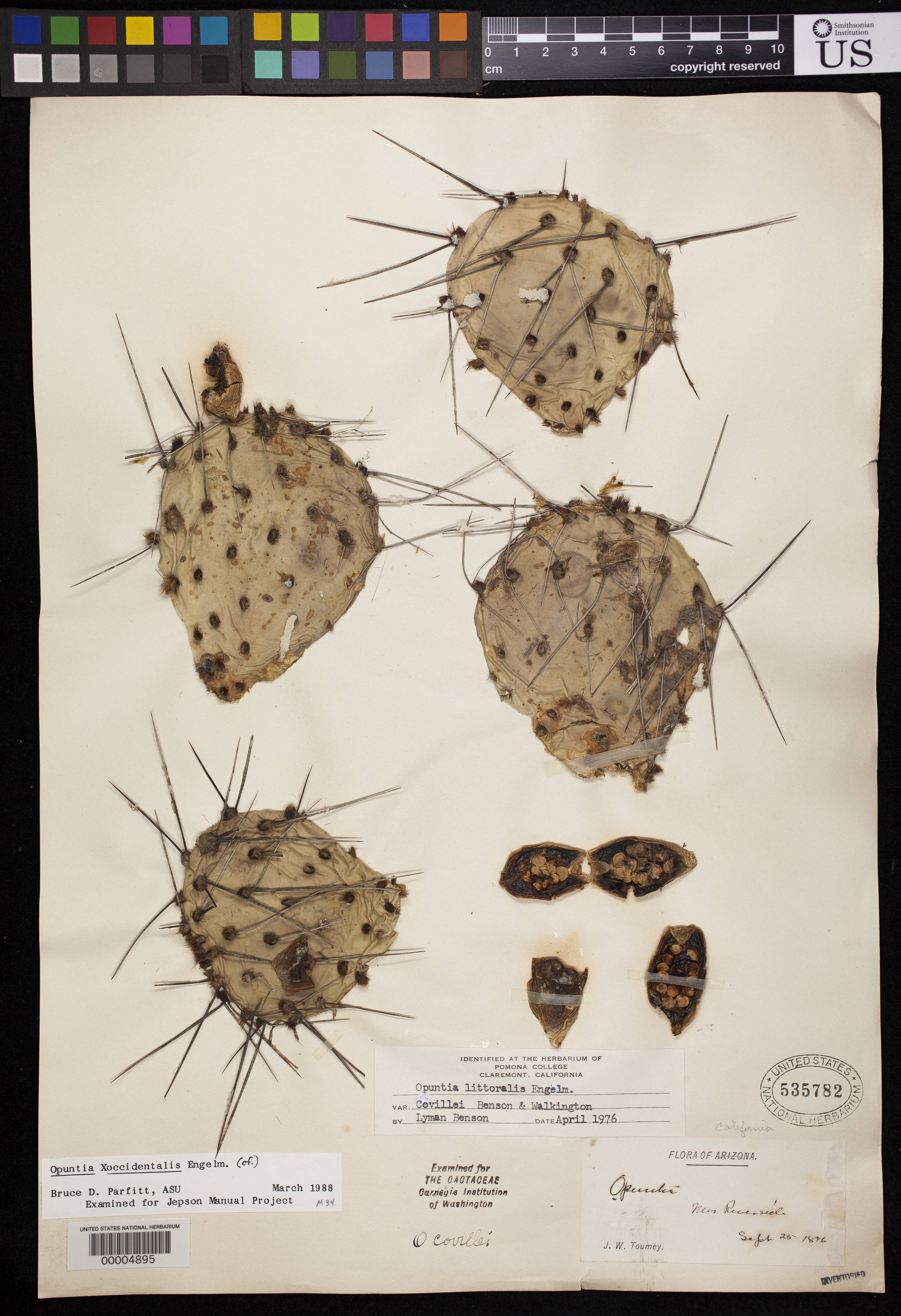
Original Description
What is Opuntia confusa?
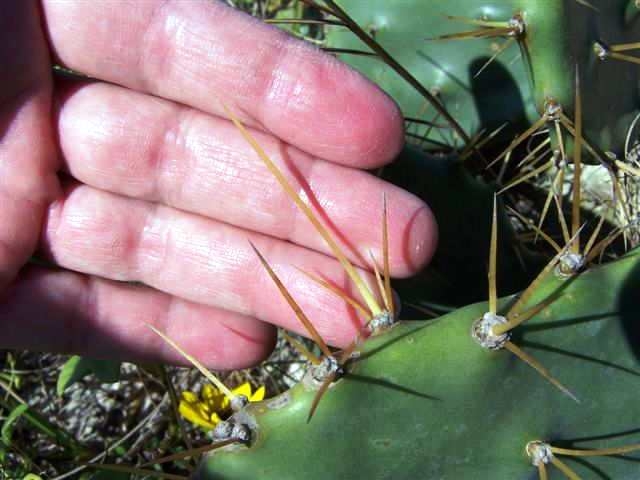
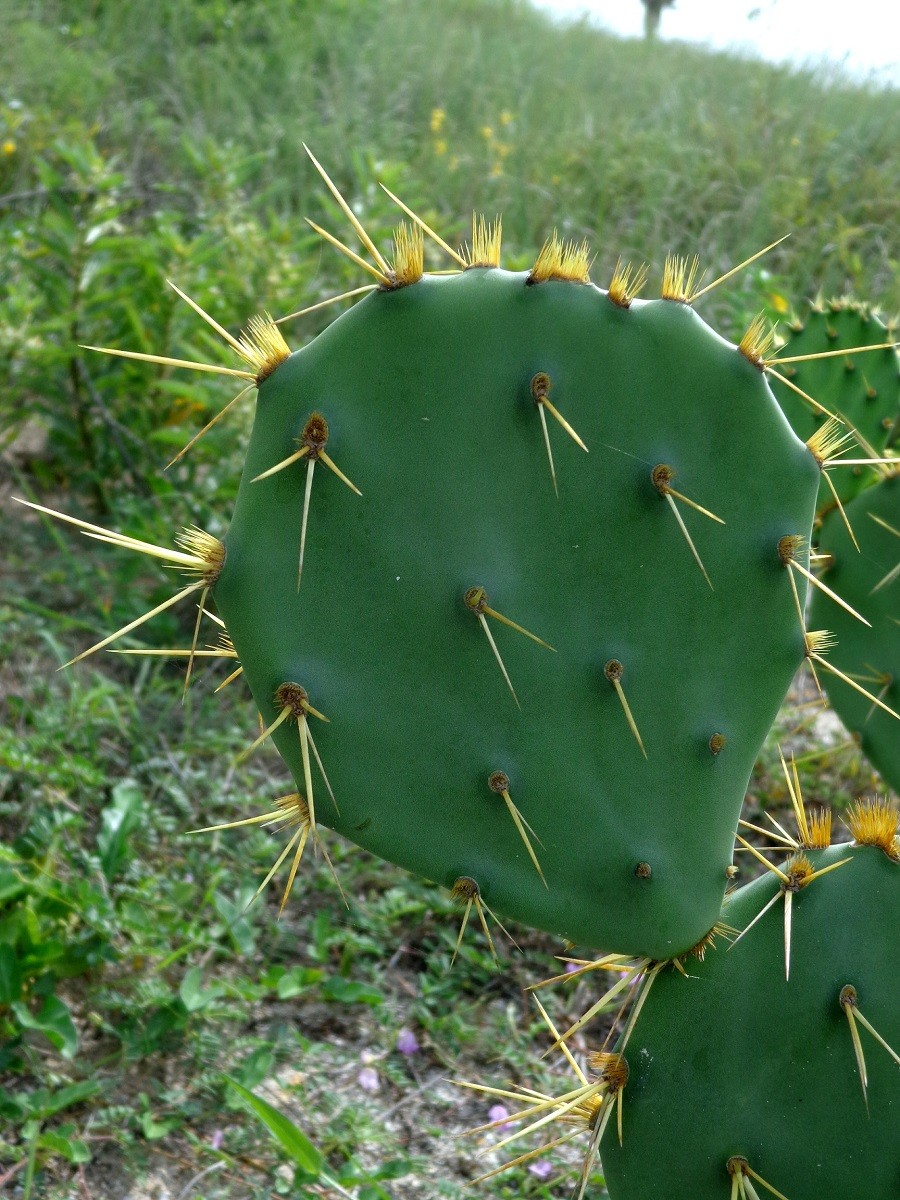
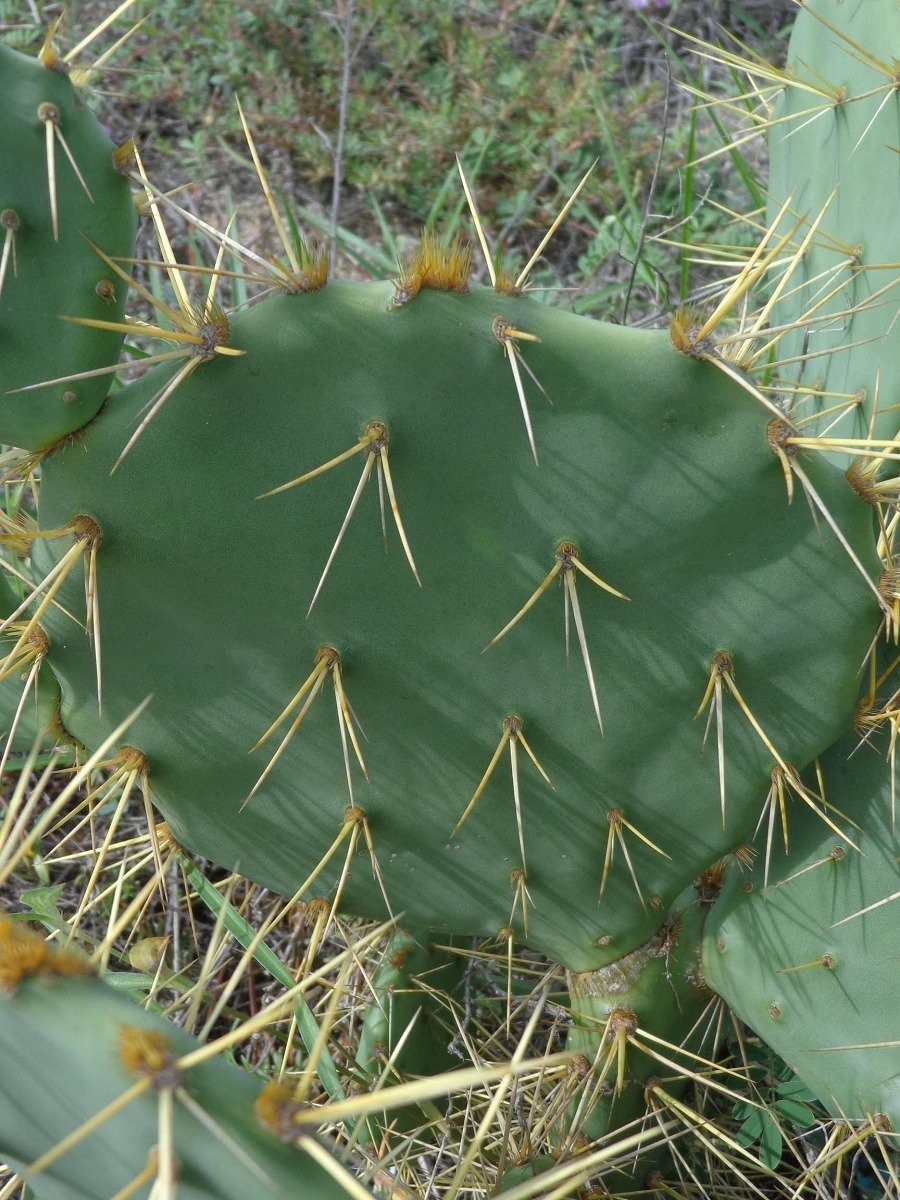
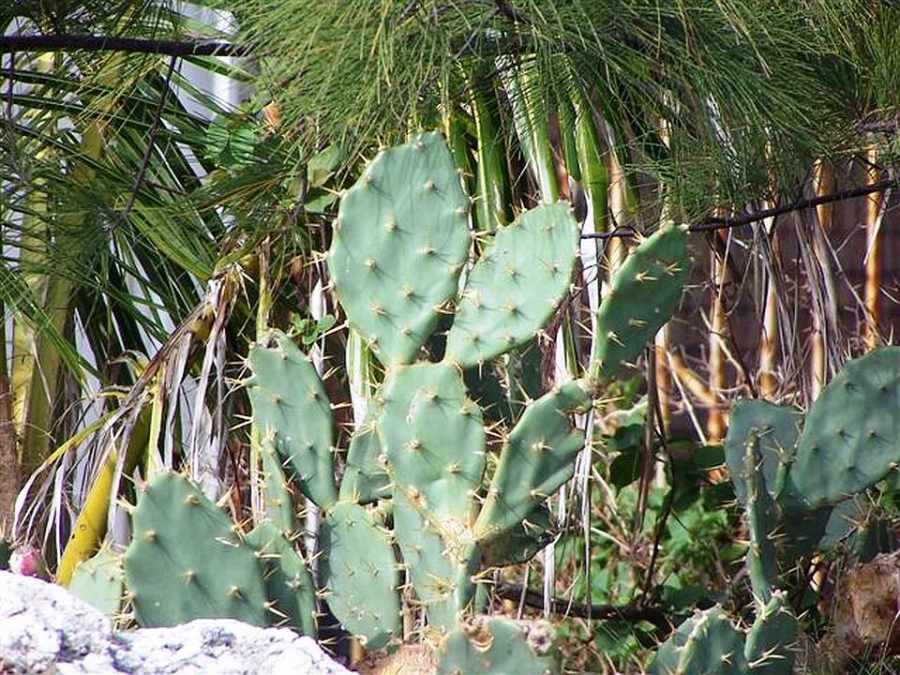
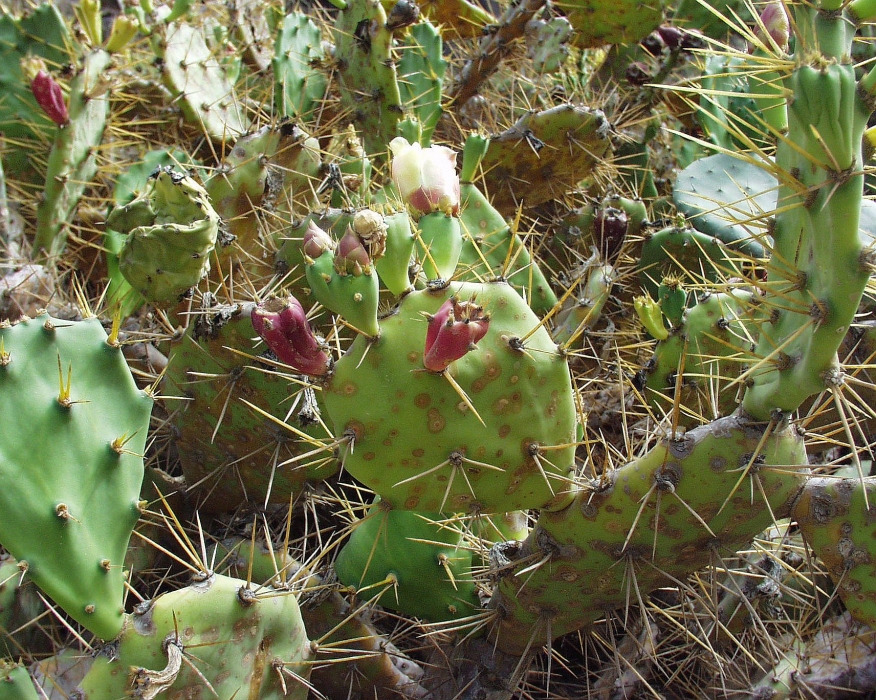
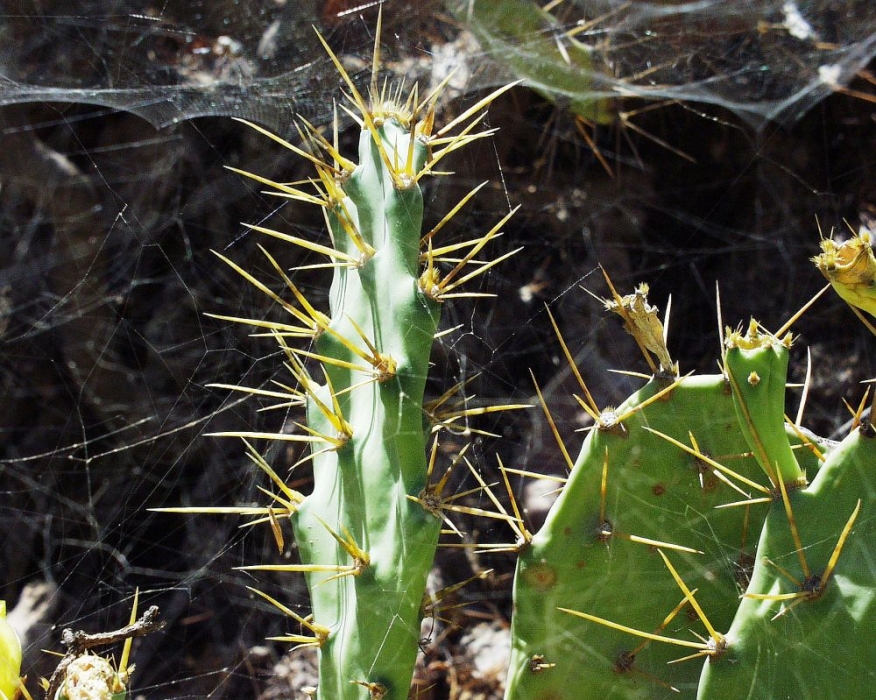
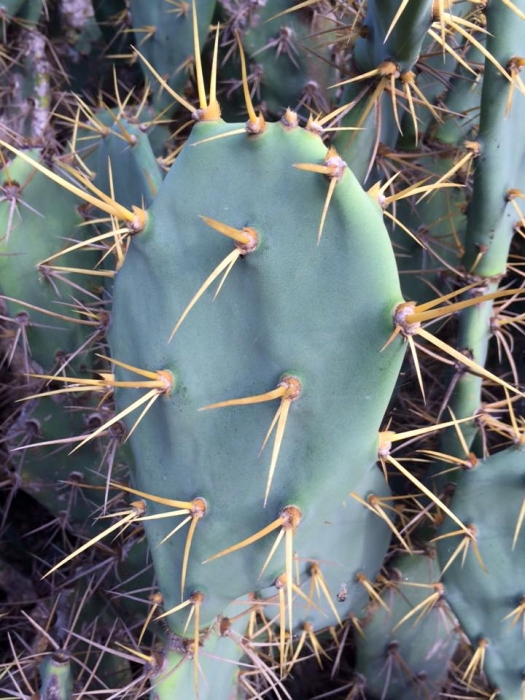
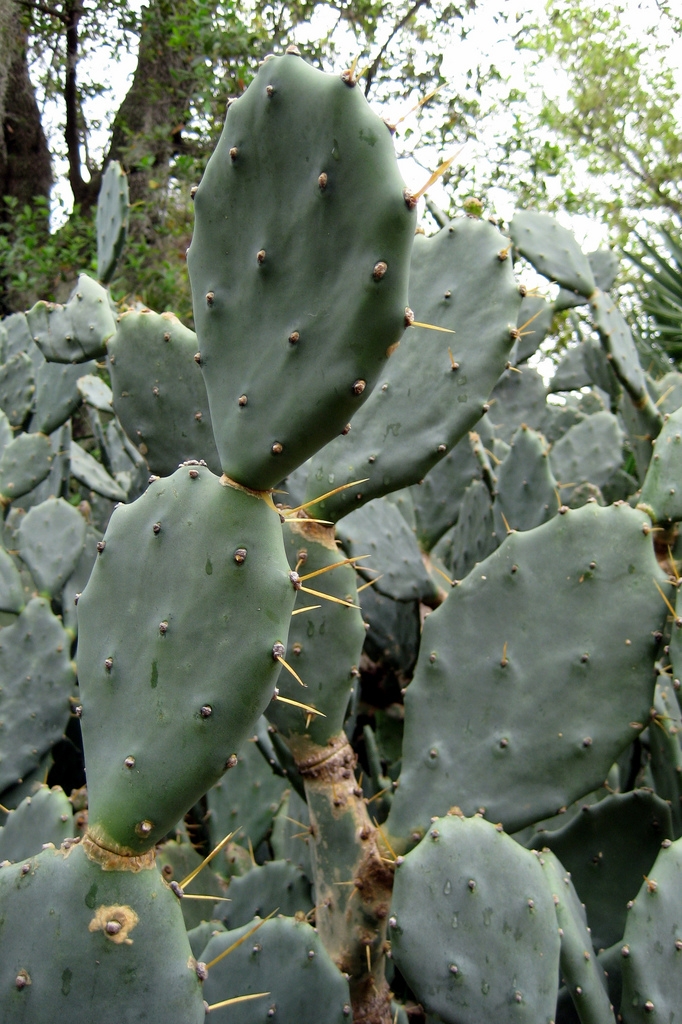
Opuntia confusa is notable for variable spination: some pads show heavier, angular, spreading spines reminiscent of O. engelmannii, while others bear slender spines, often one upright and one deflexed, as in O. dulcis. This mixture can occur on different individuals or even on different cladodes of the same plant. See O. dulcis.
Details
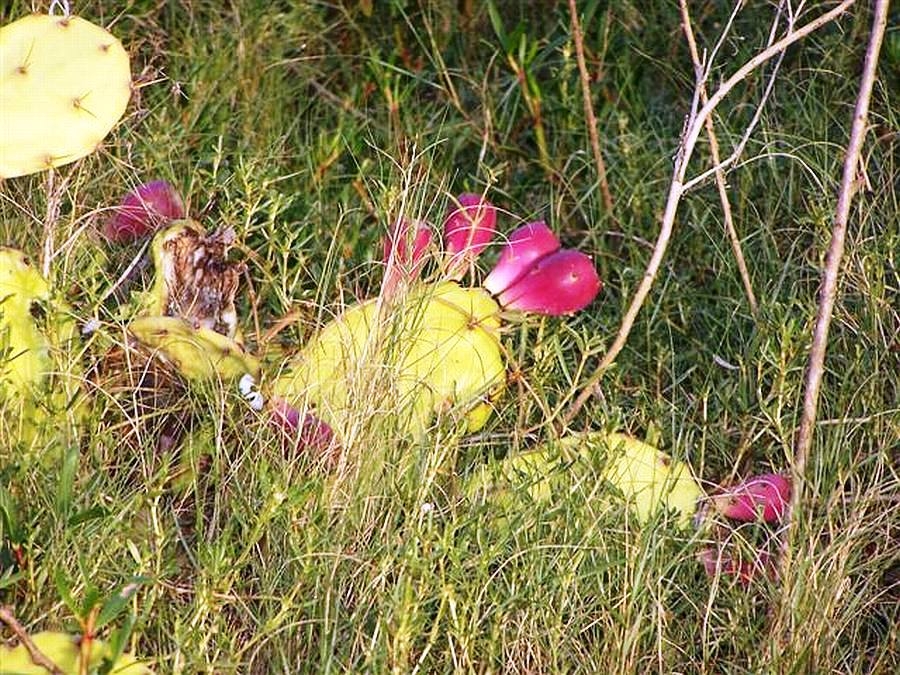
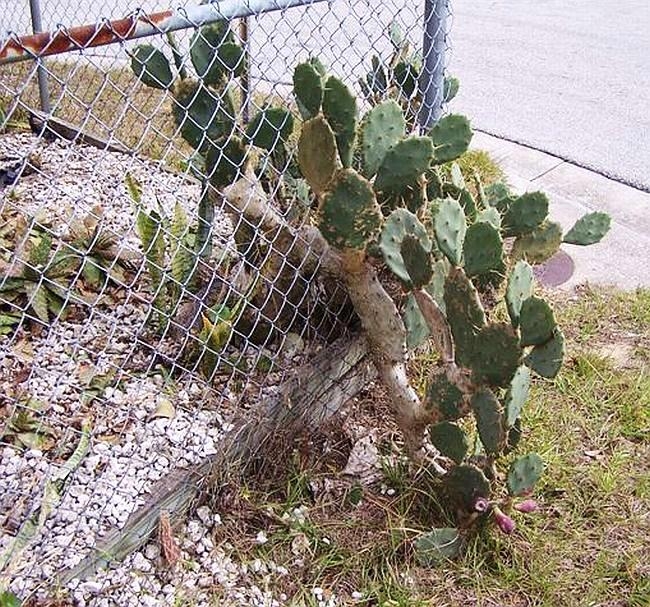
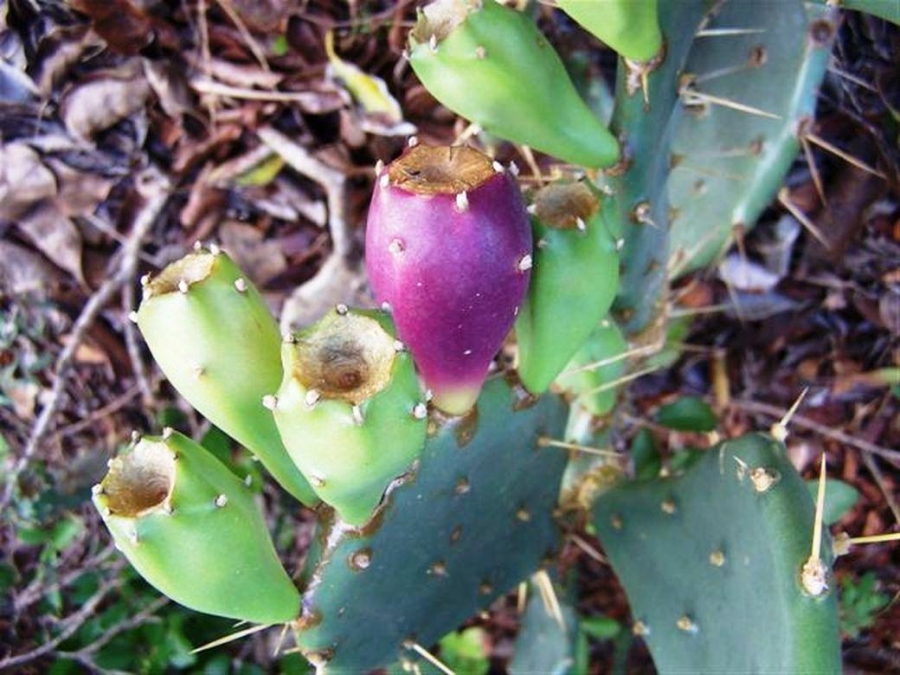
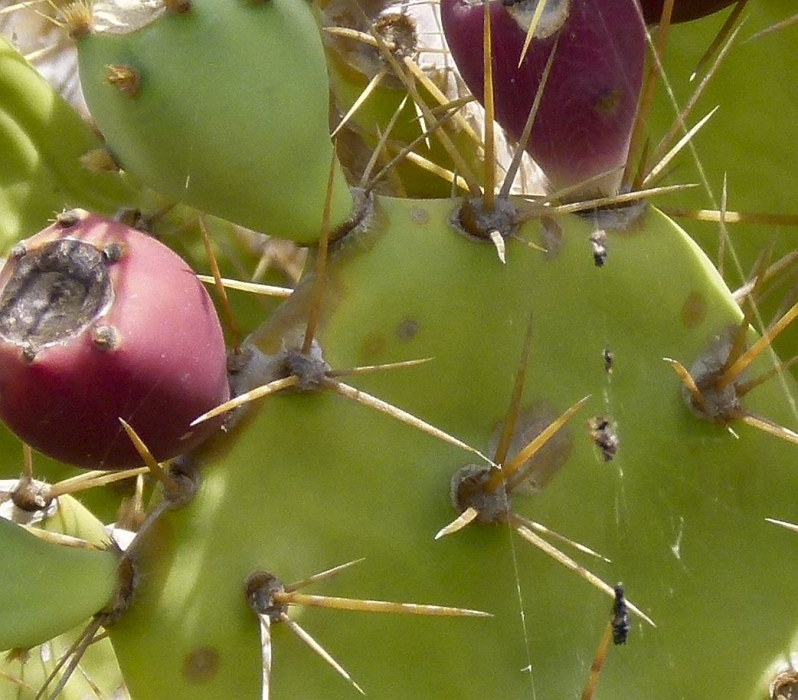
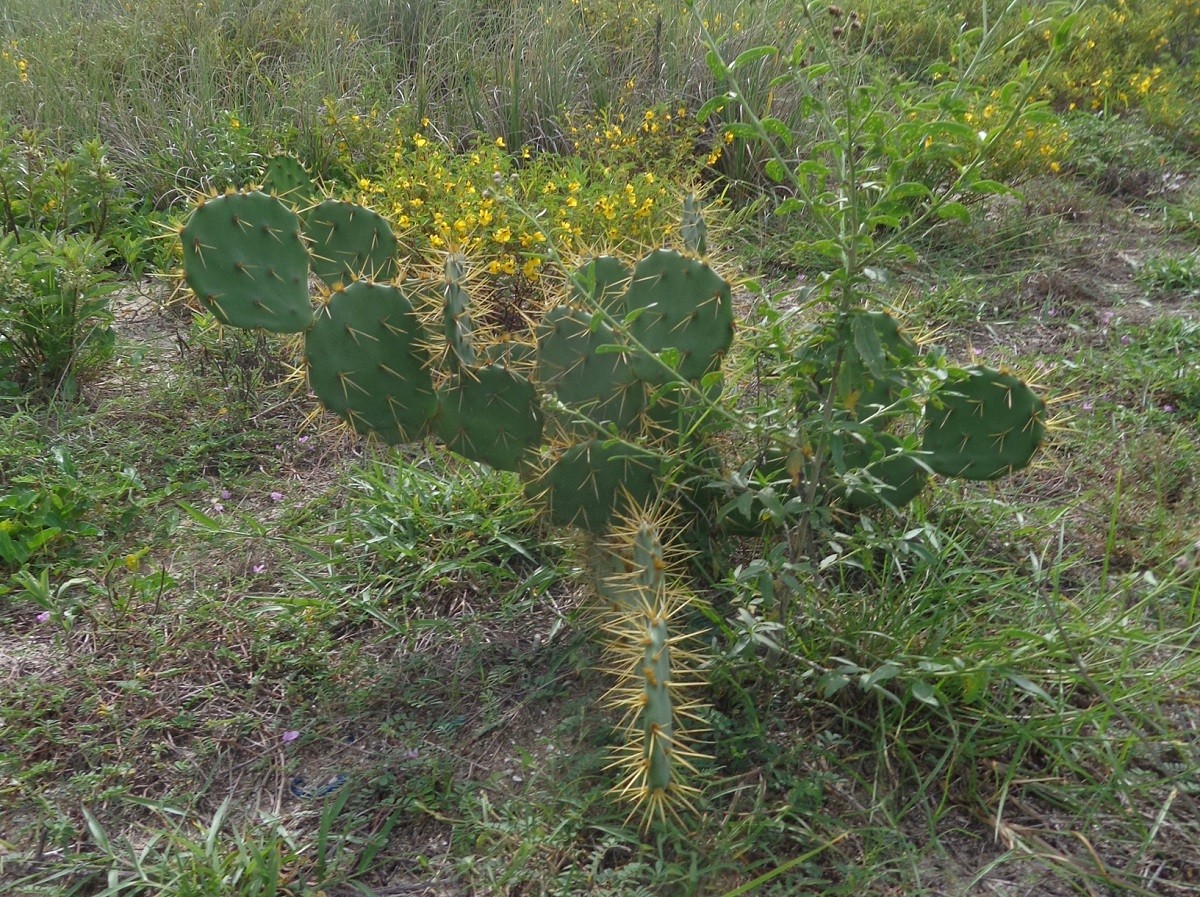
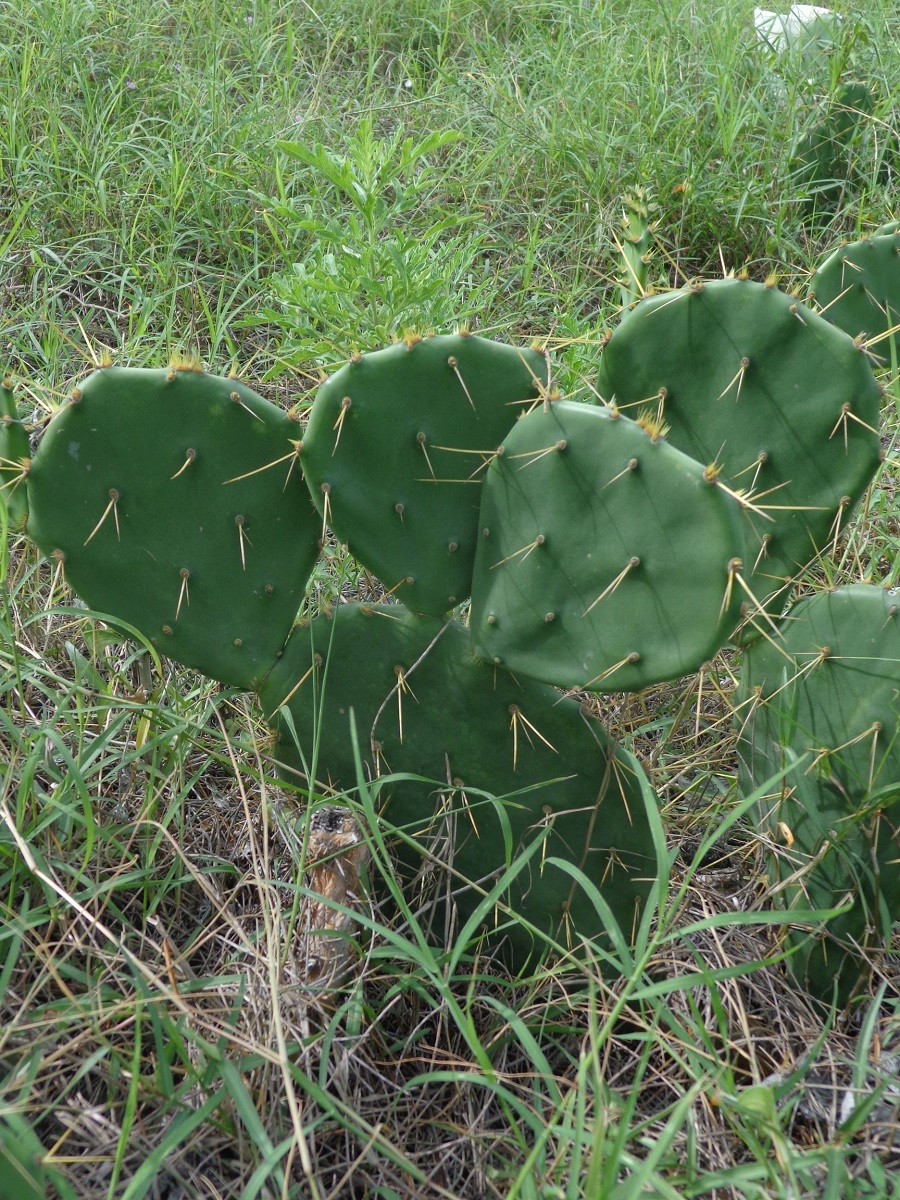
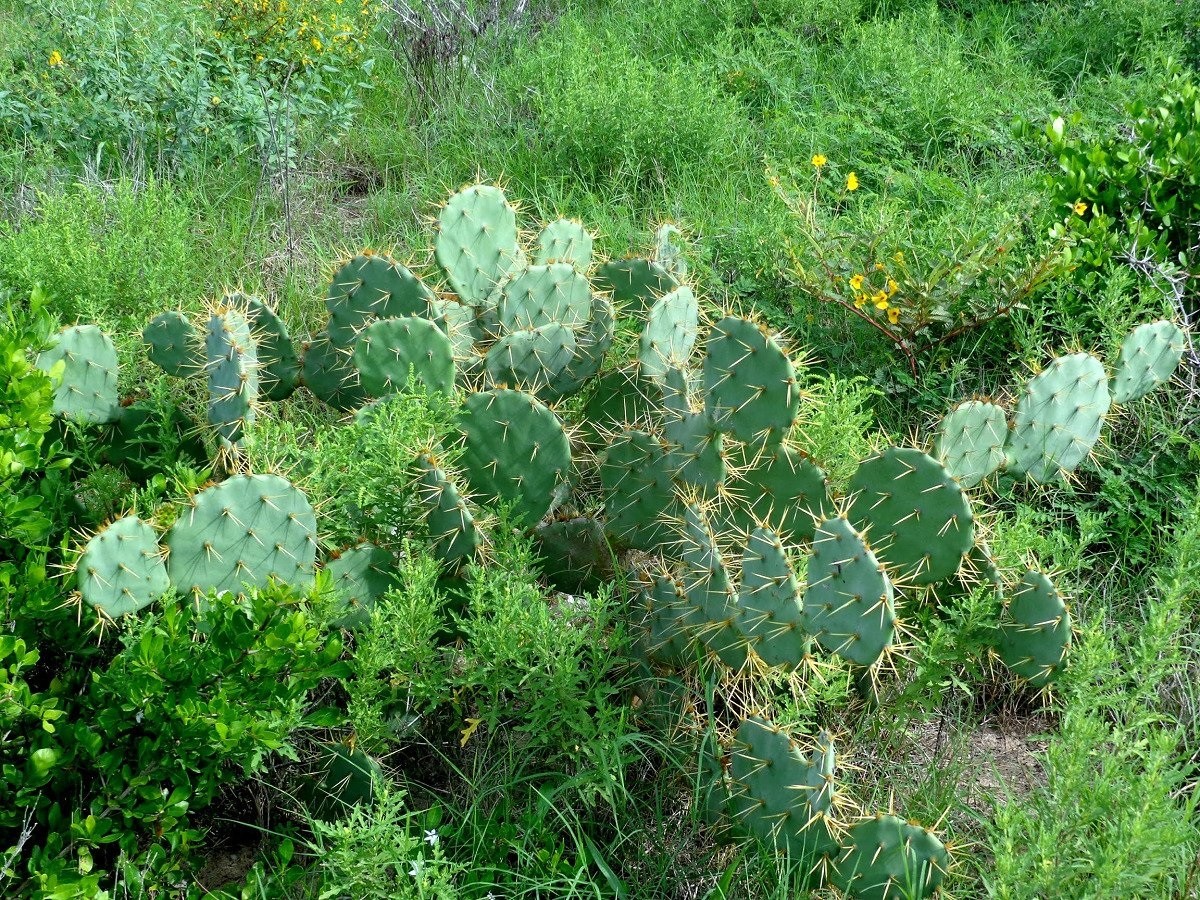
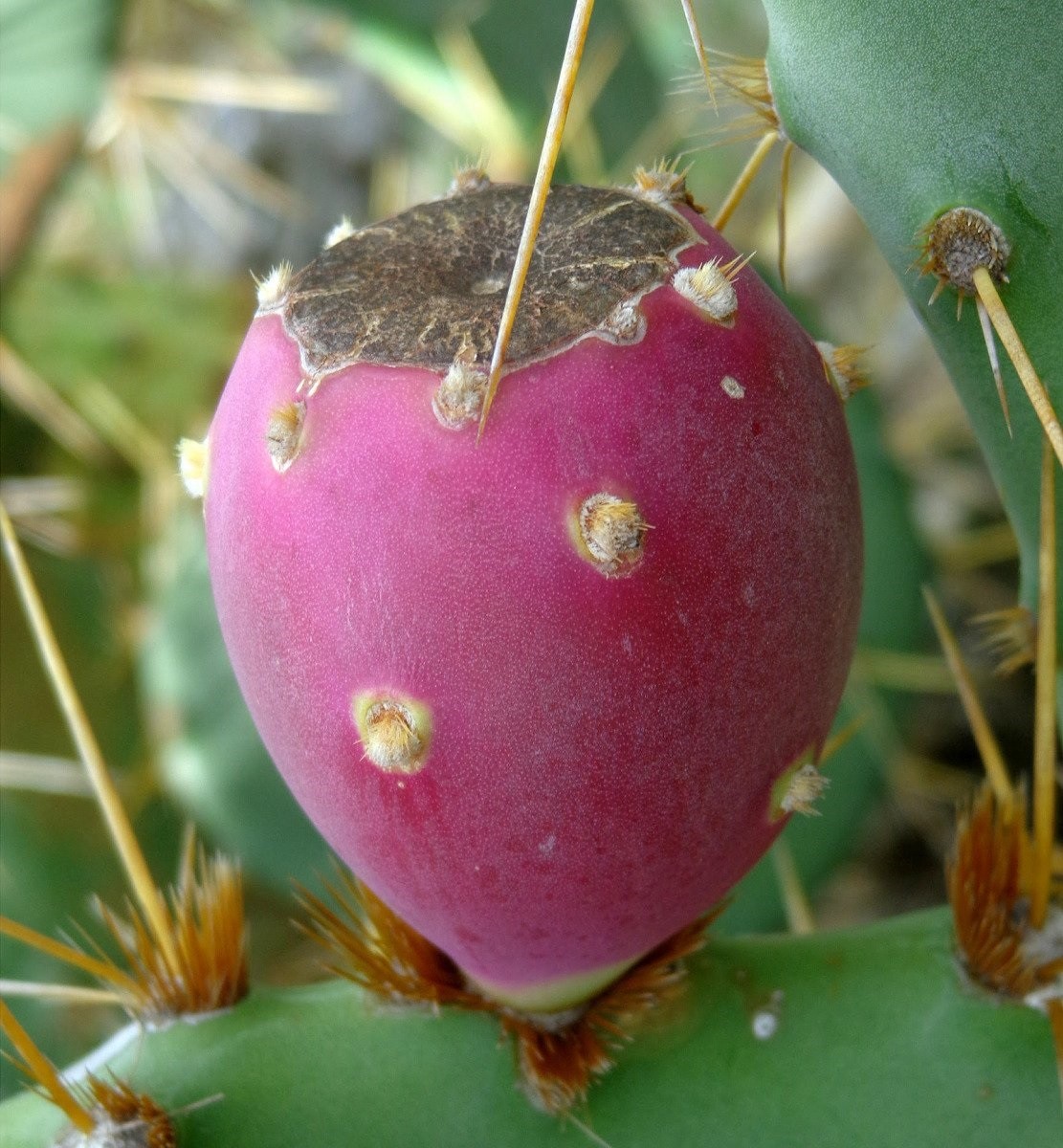
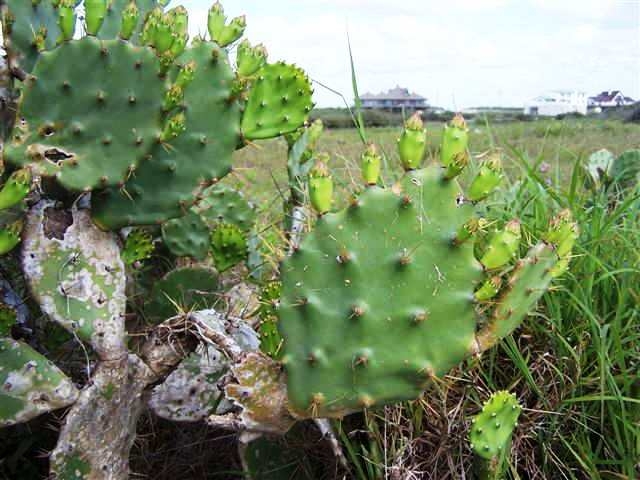
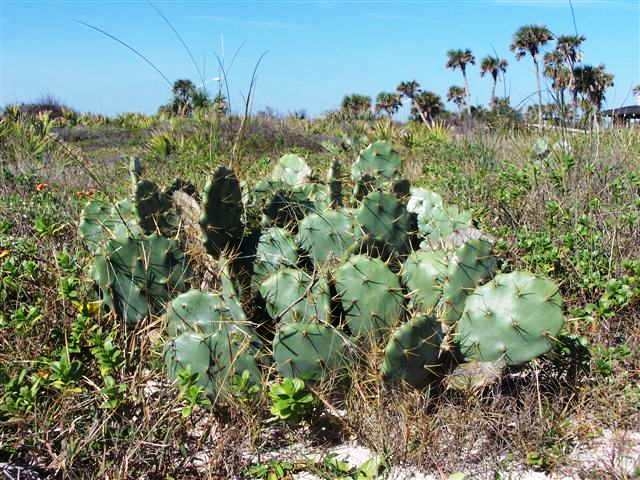
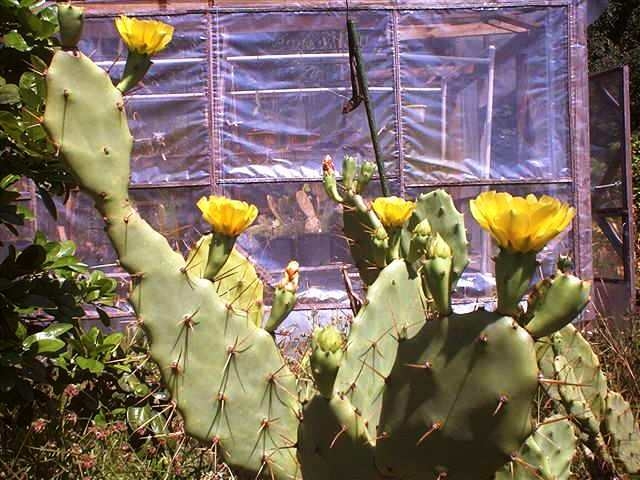
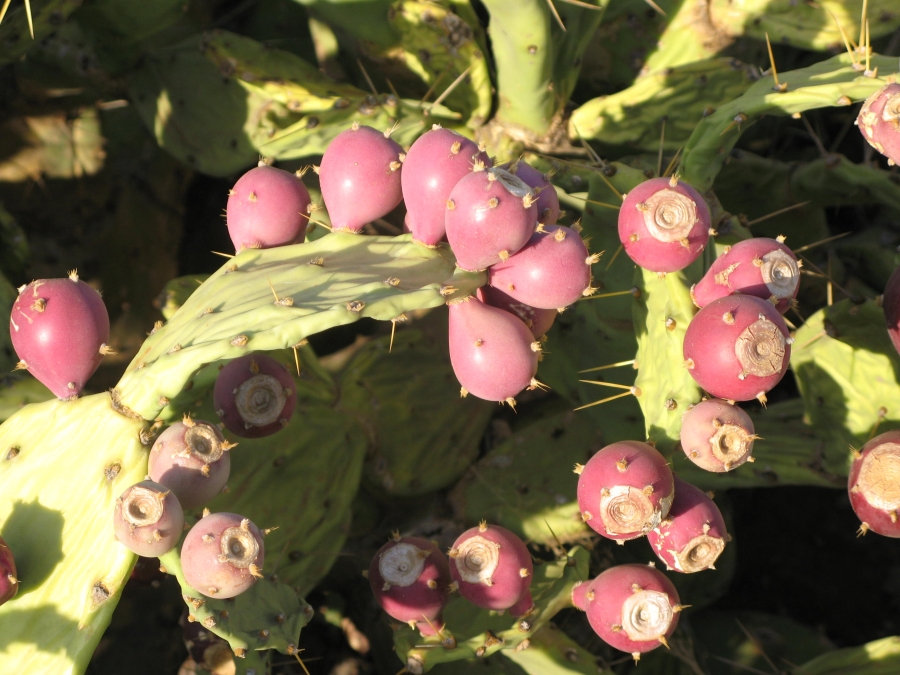
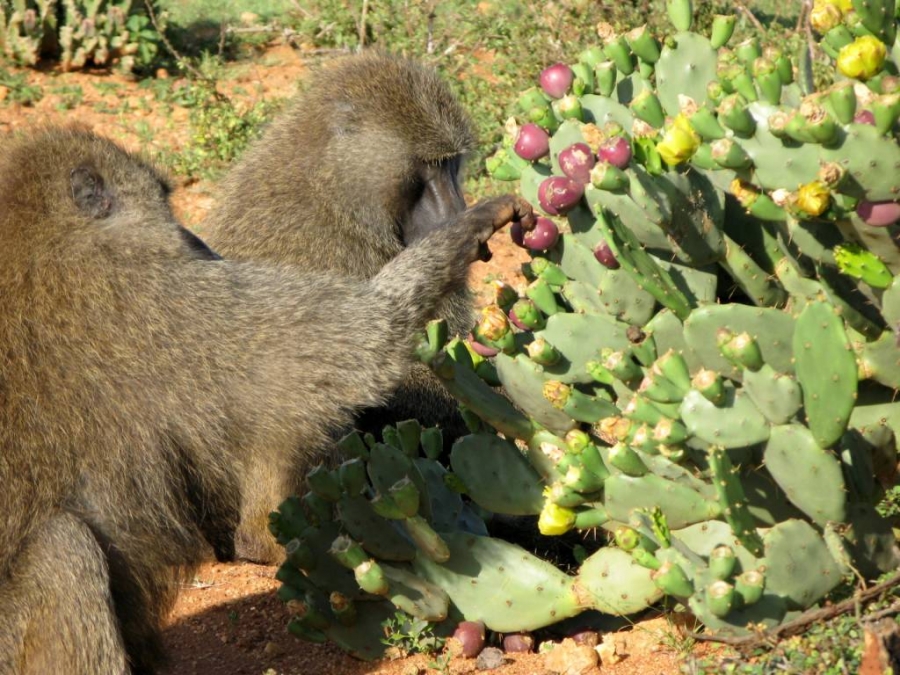
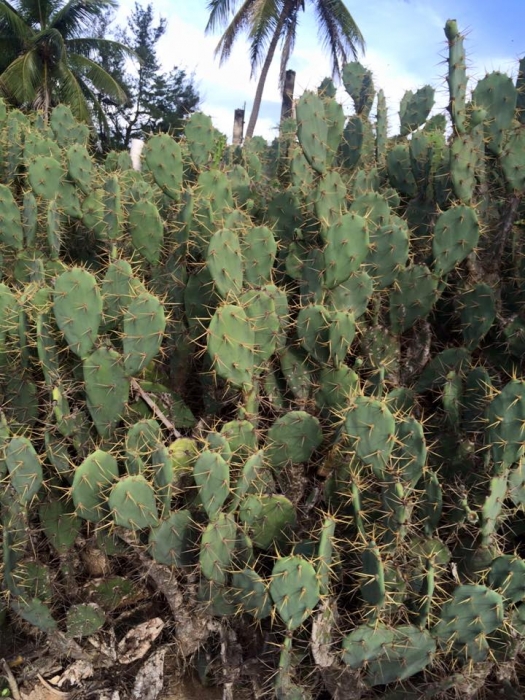
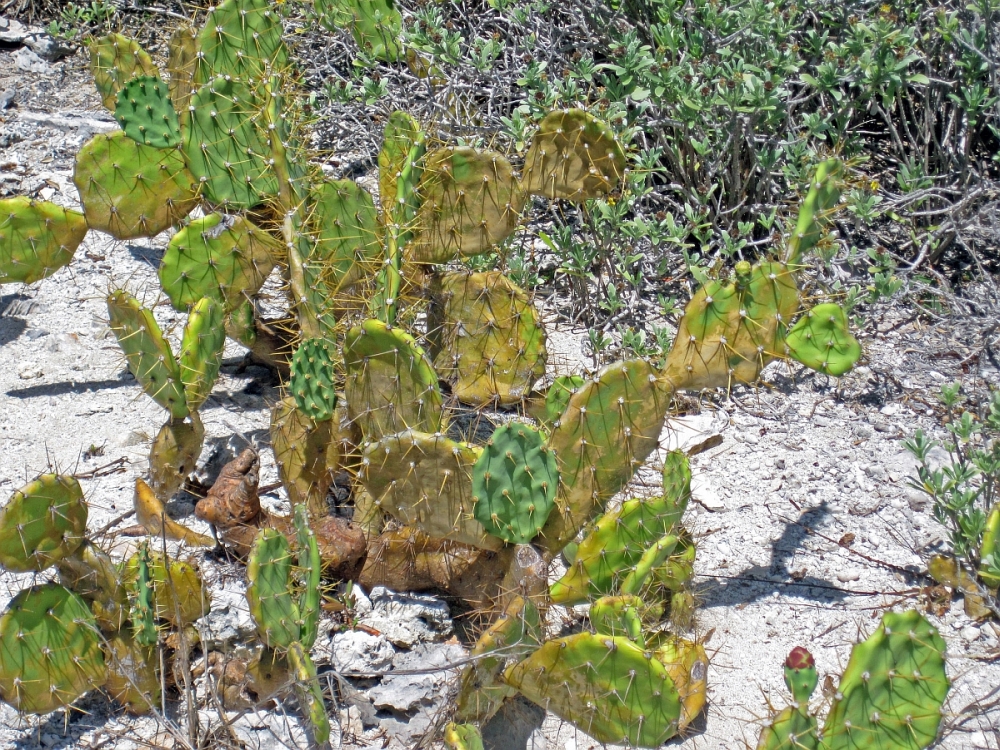
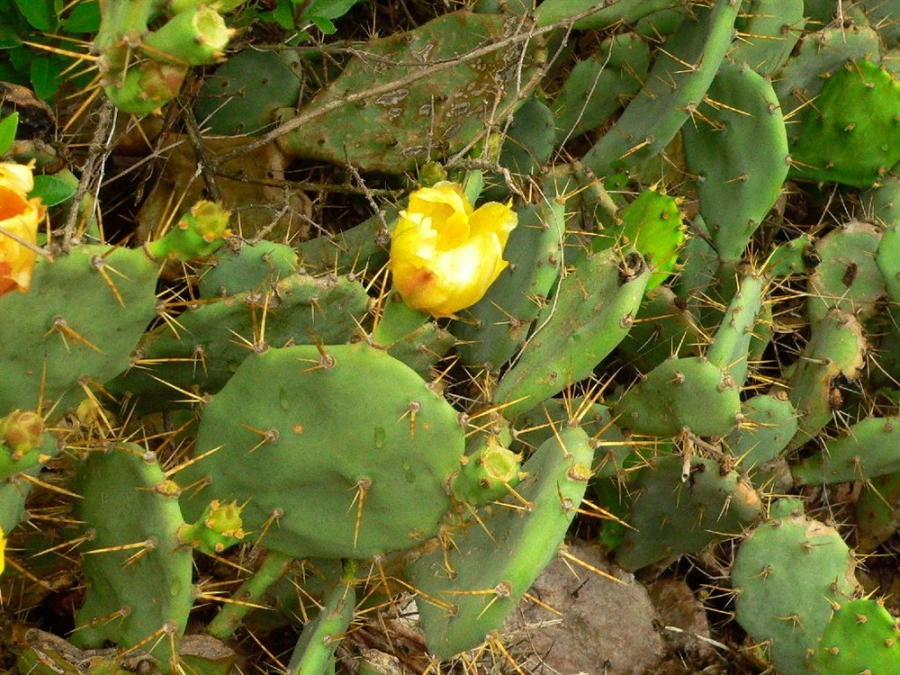
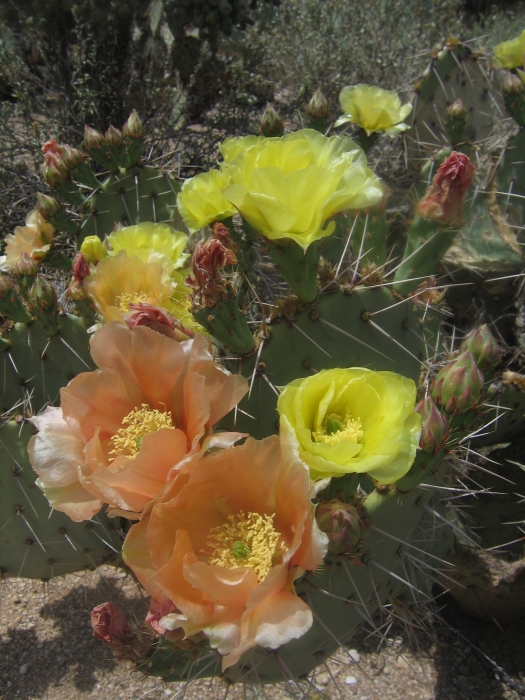
Shrubs: Medium, usually low clumps; commonly below 40 cm tall, spreading more than ascending. Cladodes: Obovate to subcircular, glaucous green to bluish; pads of mixed size across populations, smaller on average than those of O. dulcis. Areoles: Large, often dark, with glochids scattered irregularly through the areole rather than concentrated at the apex. Glochids: Irregular in size, present throughout the areole. Spines: Two expressions observed—(1) longer, heavier, angular, spreading, 3 or more major spines per areole (as in O. engelmannii), and (2) more slender spines, typically one porrect and one deflexed (as in O. dulcis); older spines may darken from brown to nearly black. Flowers: Yellow at first (≈5–8 cm across), commonly darkening to orange–red with age; filaments and anthers yellow; style pale; stigma lobes green. Fruits: Short-pyriform to subglobose, red, with a waxy bloom that fades at full ripeness; occasional reddish-brown fruit spines. Seeds: Typical for the genus. Cytology: unknown.
Range & Habitat
Patchy across the southwestern United States, especially southern Arizona and adjacent New Mexico, in desert foothills and bajadas, rocky slopes, and open scrub. Frequently occurs near populations of O. dulcis and O. engelmannii.
Similar or Sympatric Species
Opuntia dulcis — slender spines, larger pads
Opuntia engelmannii — heavier, angular spines
Opuntia phaeacantha — tufted glochids apical
Opuntia camanchica — low, small-pad plants
Opuntia macrorhiza — prostrate, smaller habit
Opuntia trichophora — northern, finer spination
Other Notes
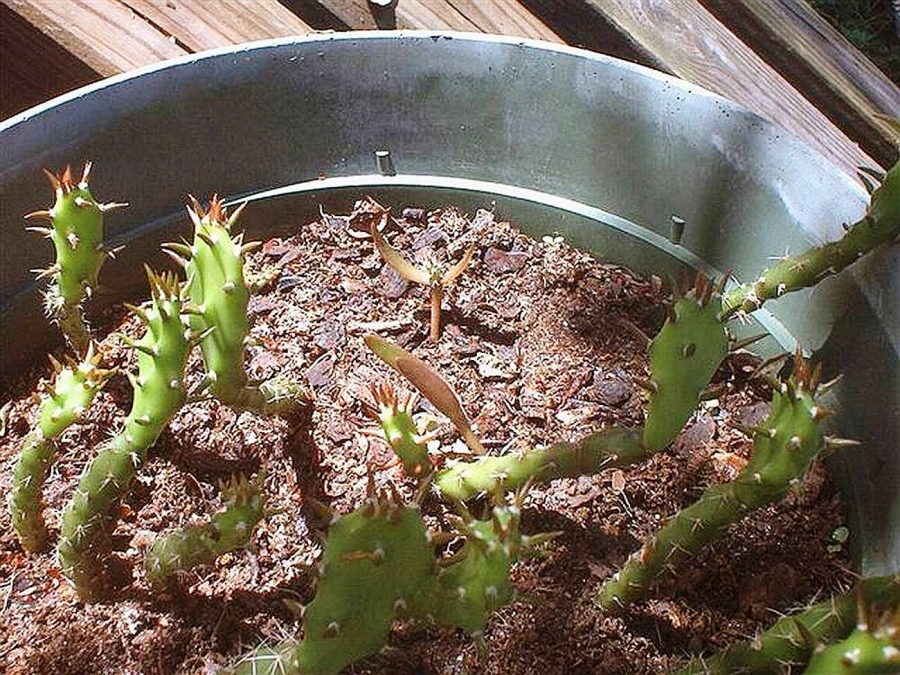
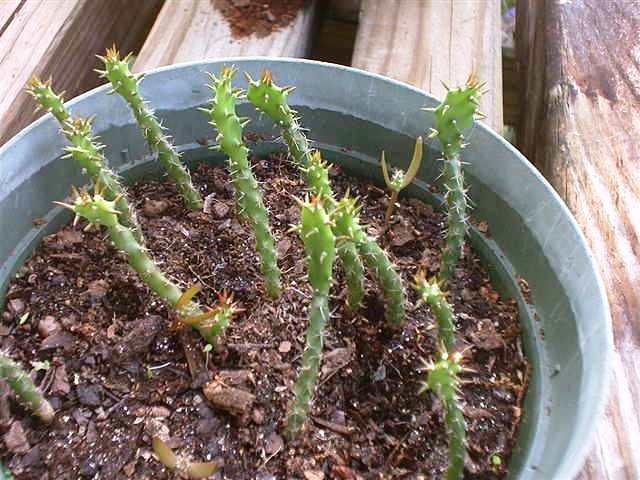
O. confusa resembles O. dulcis in general appearance, and they may occur together, yet they are not known to hybridize. Compared directly, O. confusa tends to be smaller in stature with smaller pads and a bluer cast. Areoles are typically larger in O. confusa, and the oldest spines are usually darker than in O. dulcis. A concise comparison is available here: O. confusa with O. dulcis. In cultivation it is an attractive plant, appreciated for flowers that age toward orange-red; some forms may be hardy to USDA zones 7–8.
For more information, see:
Green, C. W. & Ferguson, D. J. (2011). Prickly Pears Commonly Found in the United States and Canada. First ed. WorldCat No. 827221200.
Tucson area Opuntia, the prickly pears, XEROPHILIA 8(1), Aug 2019.