Griffiths, Annual Report Missouri Botanical Garden 21: 172, 1910
Holotype, Isotype, Herbarium; Herbarium; Herbarium; Herbarium; Herbarium; Herbarium; Drawing (Britton and Rose, v1 1919, plate XXV, top right)
Original Citation
What is Opuntia atrispina?
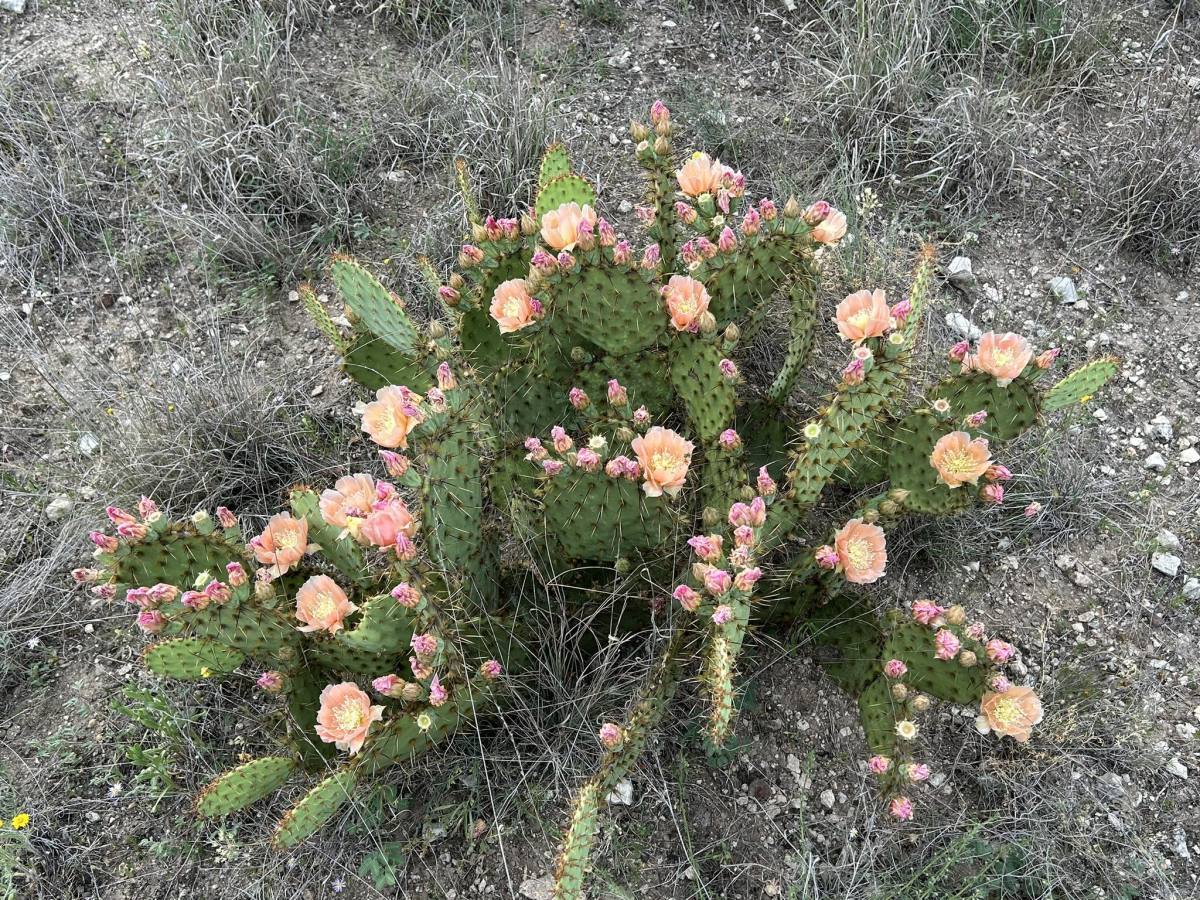
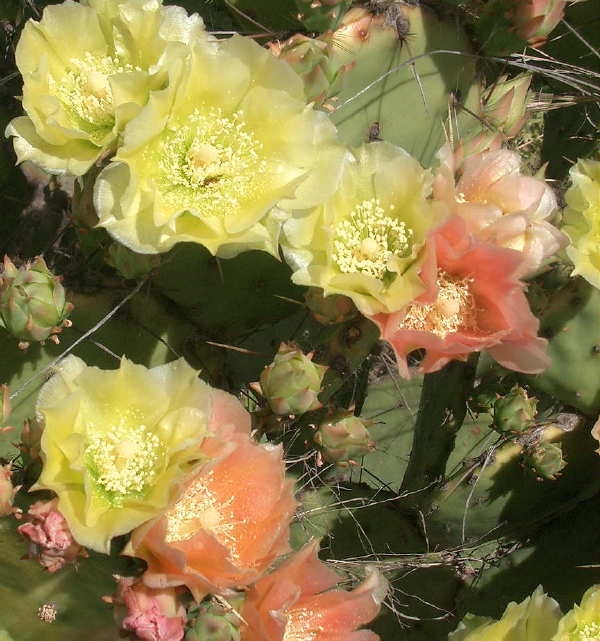
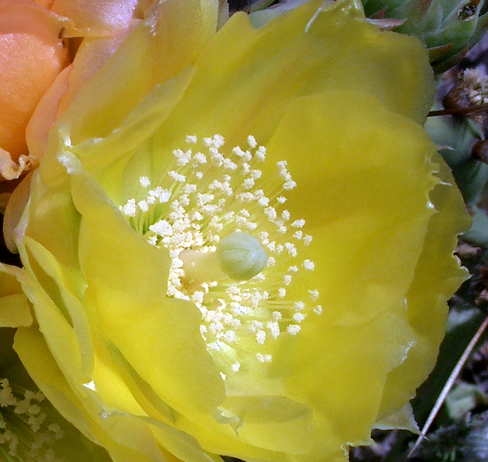
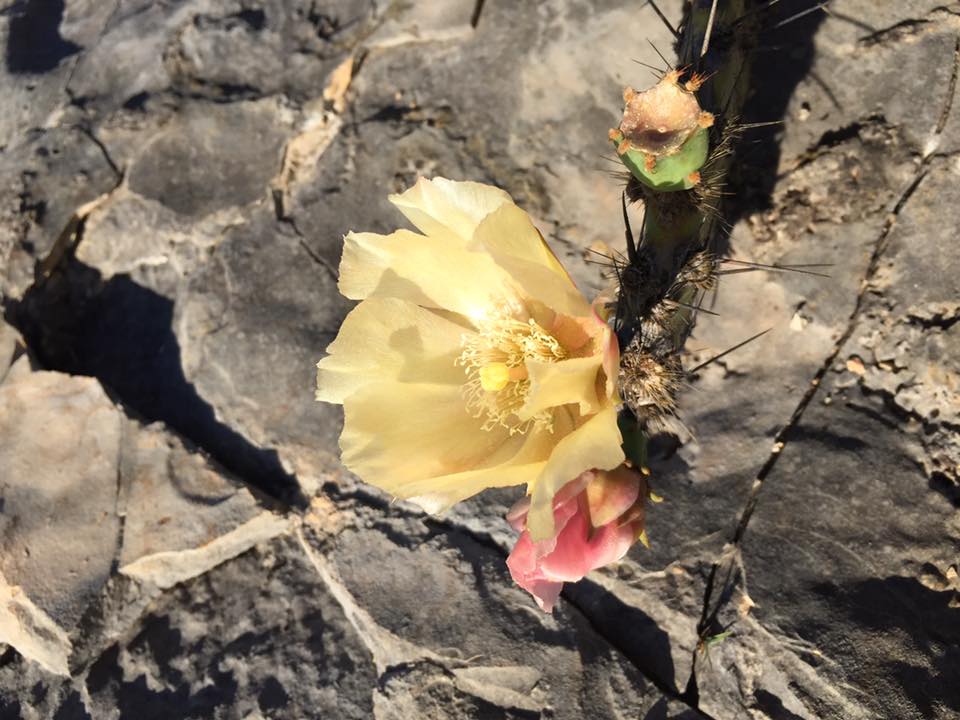
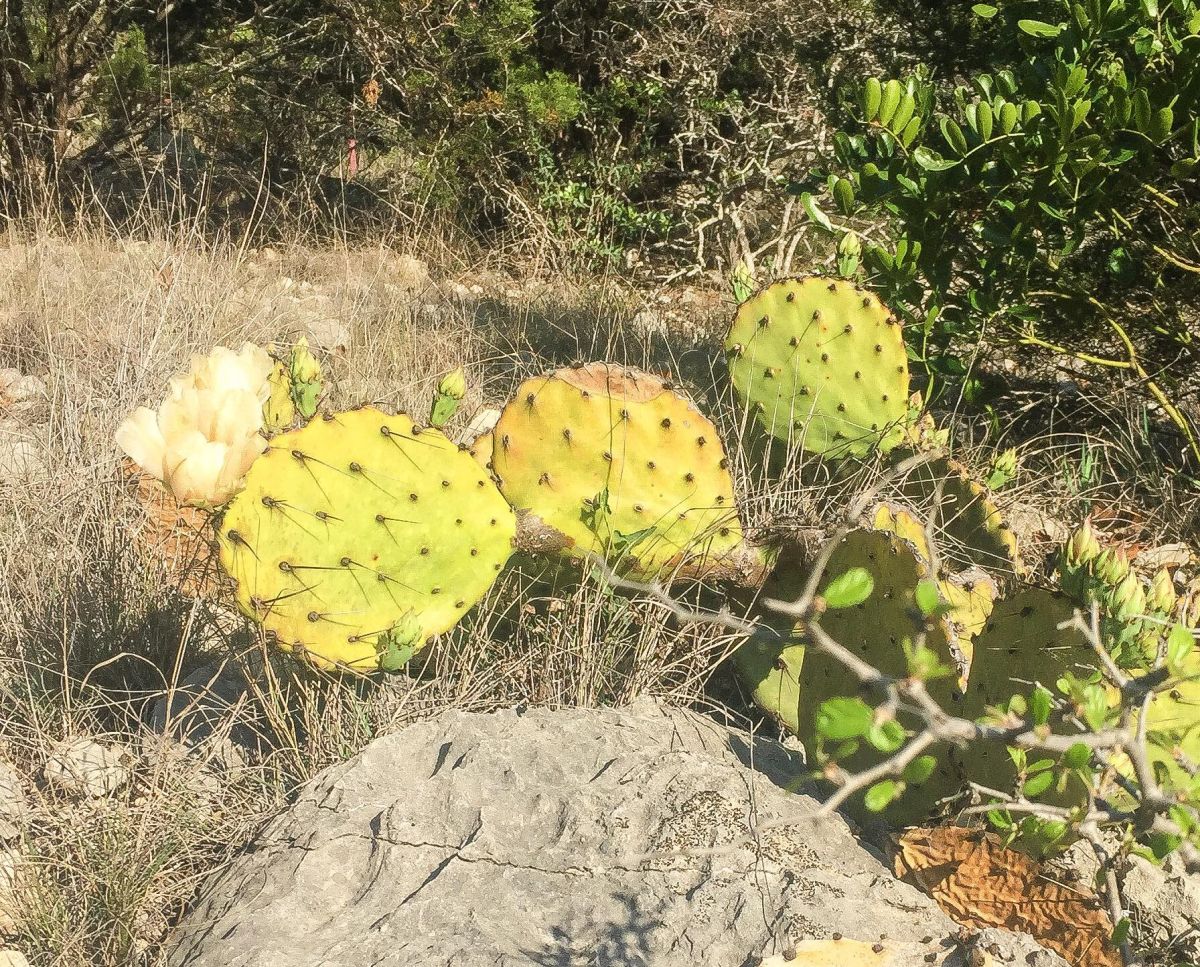
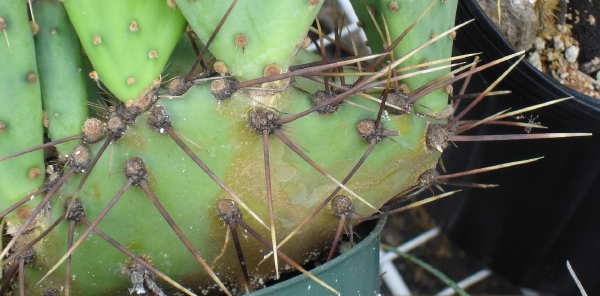
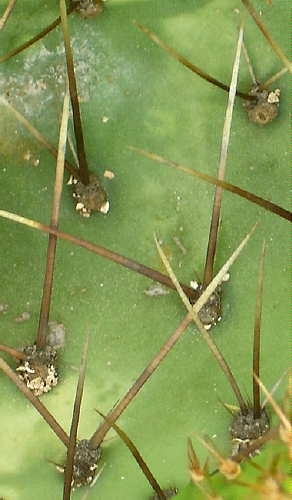
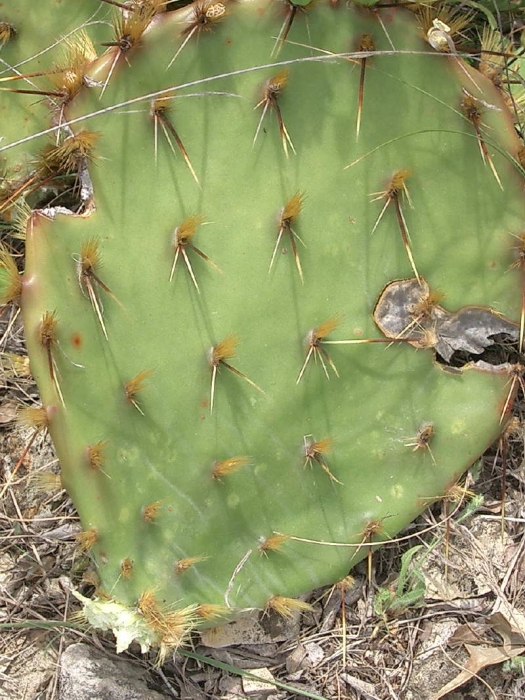
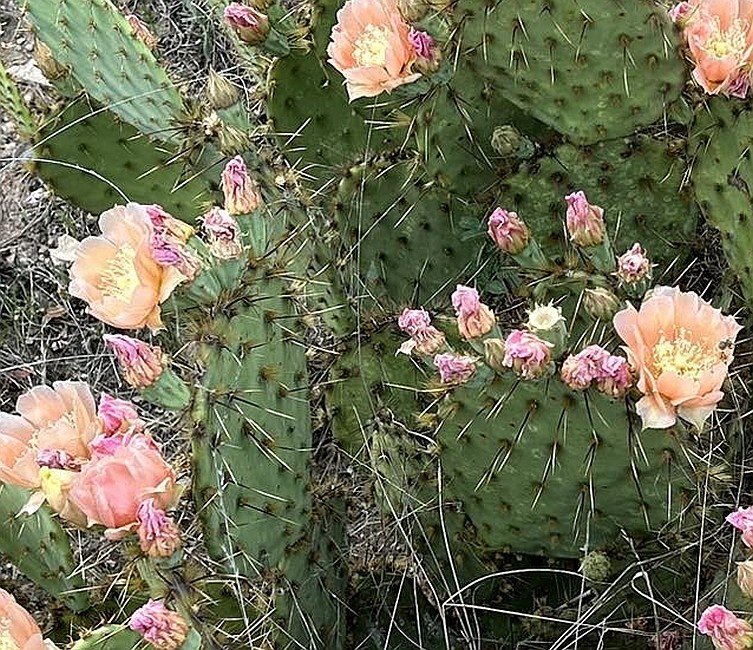
Opuntia atrispina is treated here as a distinct black-spined prickly-pear of southwestern Texas (with a larger distribution in Mexico). On this site it is recognized by the combination of conspicuously dark spines and the flower features illustrated here.
Details
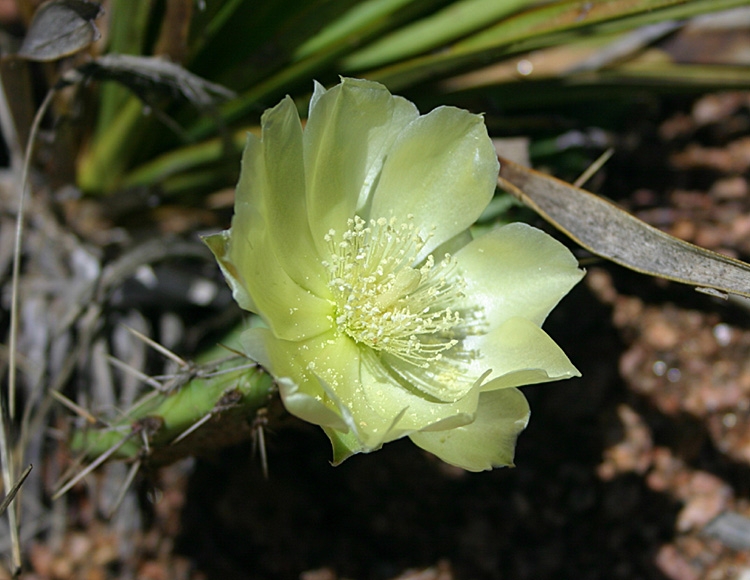
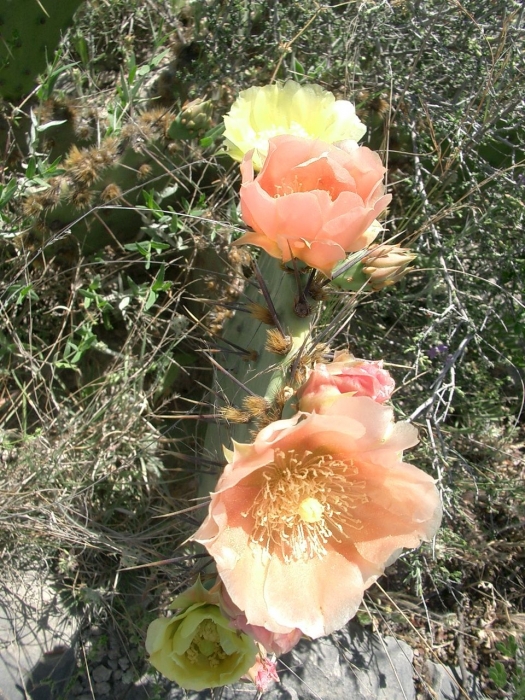
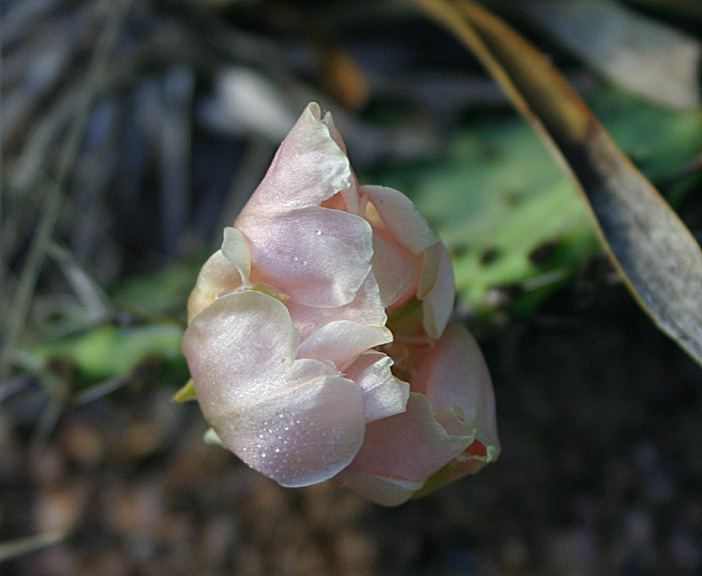
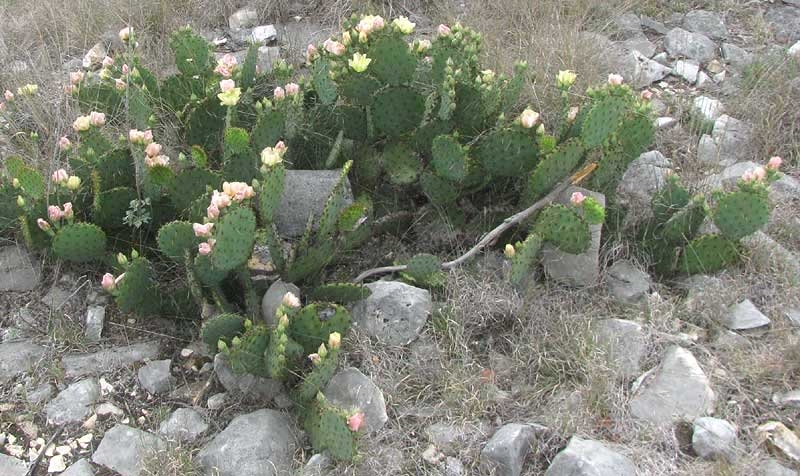
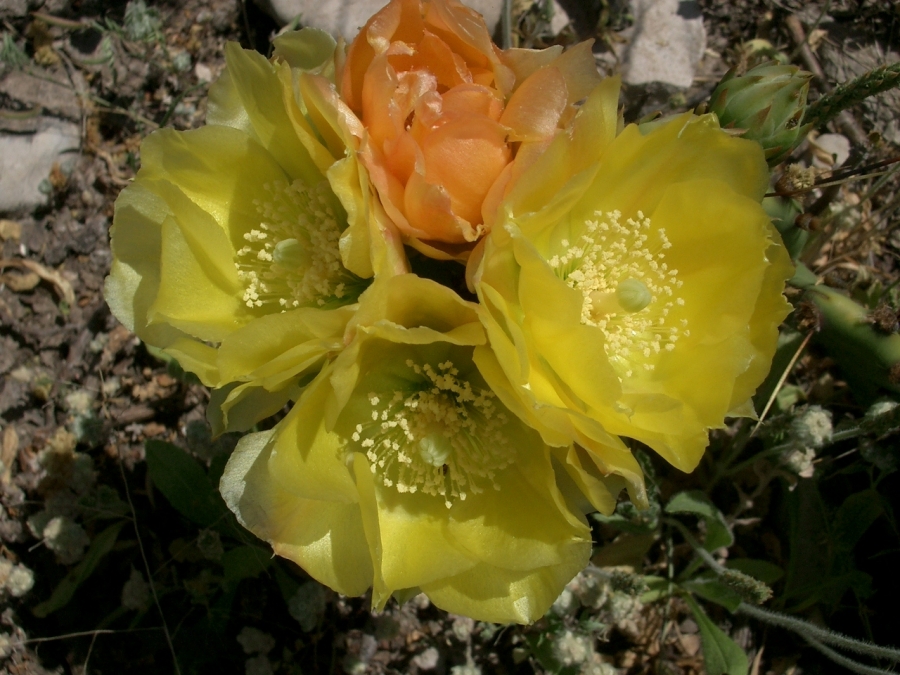
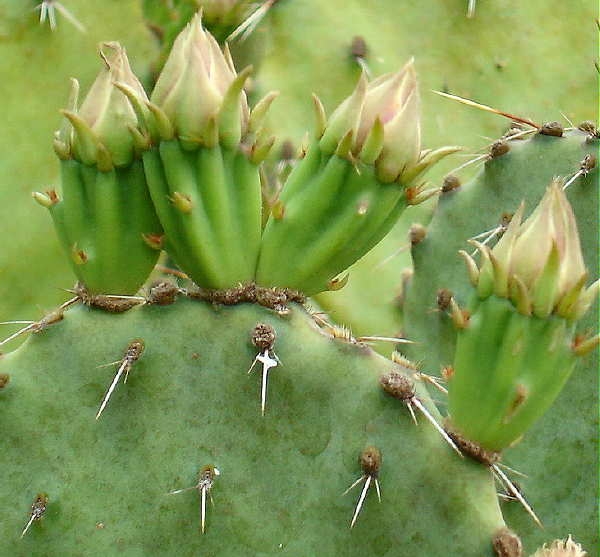
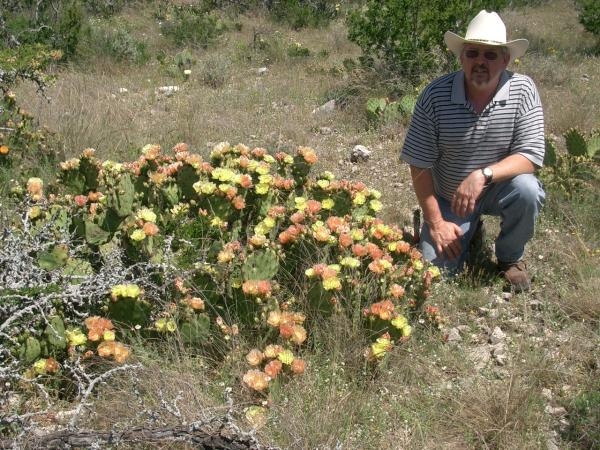
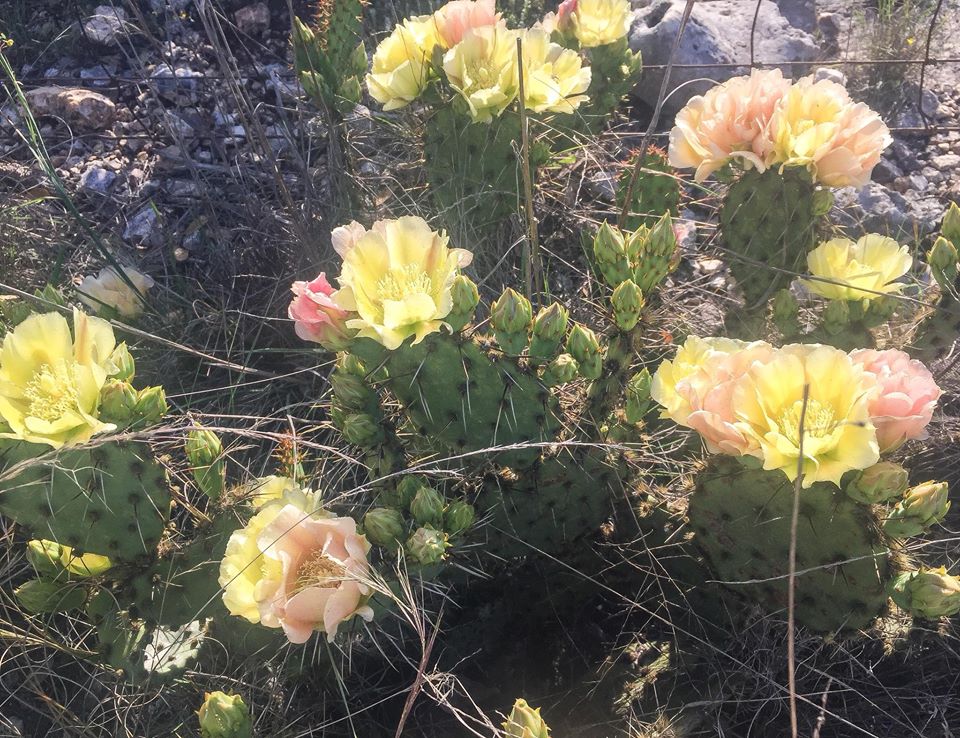
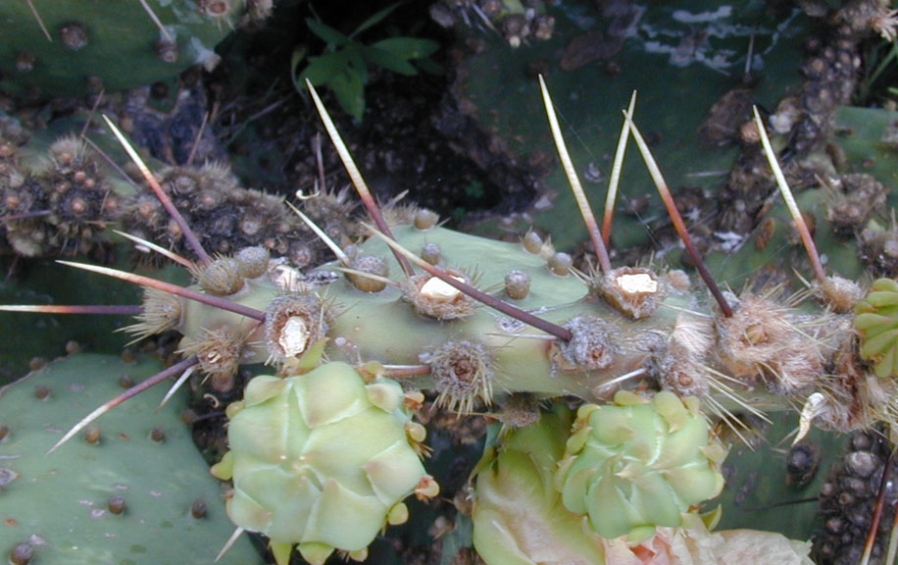
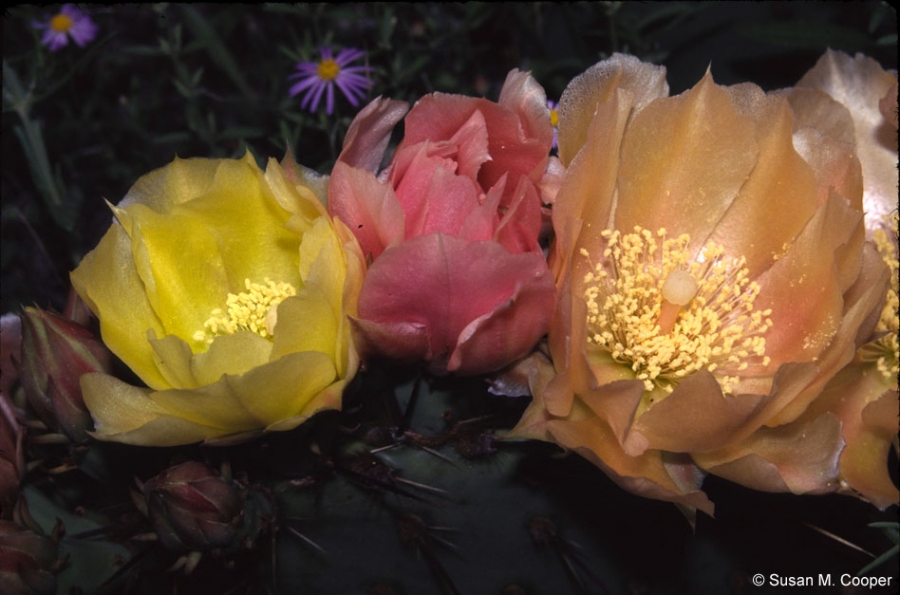
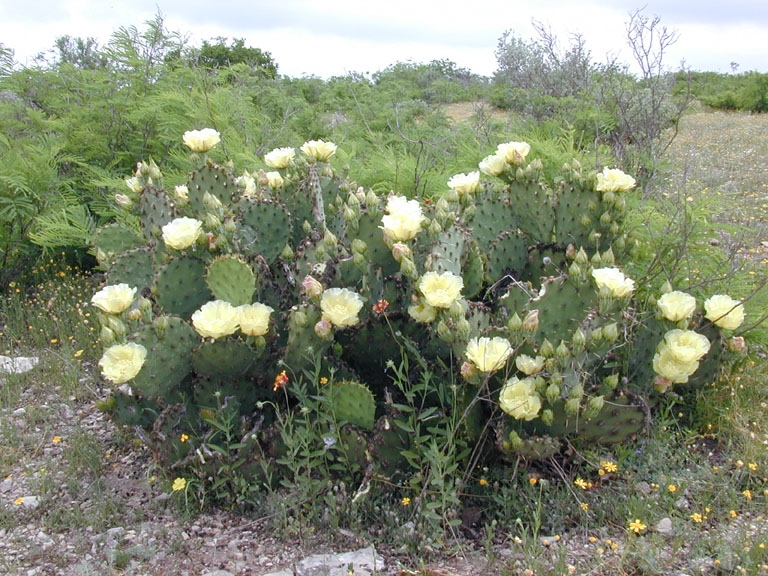
Shrubs: low to modest, mounded or loosely spreading rather than strongly trunked. Cladodes: generally obovate to elliptic for the complex; joints may taper at the attachment and can appear slightly flexuous with age. Areoles: spination variable among shoots, but spines are characteristically dark (often blackish when fresh), becoming paler with weathering; armament ranges from slender to moderately stout and can be stronger on upper pads. Glochids: present in the areoles as in other Opuntia. Flowers: open yellow and darken with age to pink, red, or salmon; it is common to see two—or even three—flower colors on a single plant at the same time. Fruits: typically obovoid to short-clavate; any fruit armament, when present, is sparse and often transient. Anthers, Filaments, Styles, Stigma lobes: as depicted on this page; use the site images for color and proportion.
Cytology
Not reported here.
Range & Habitat
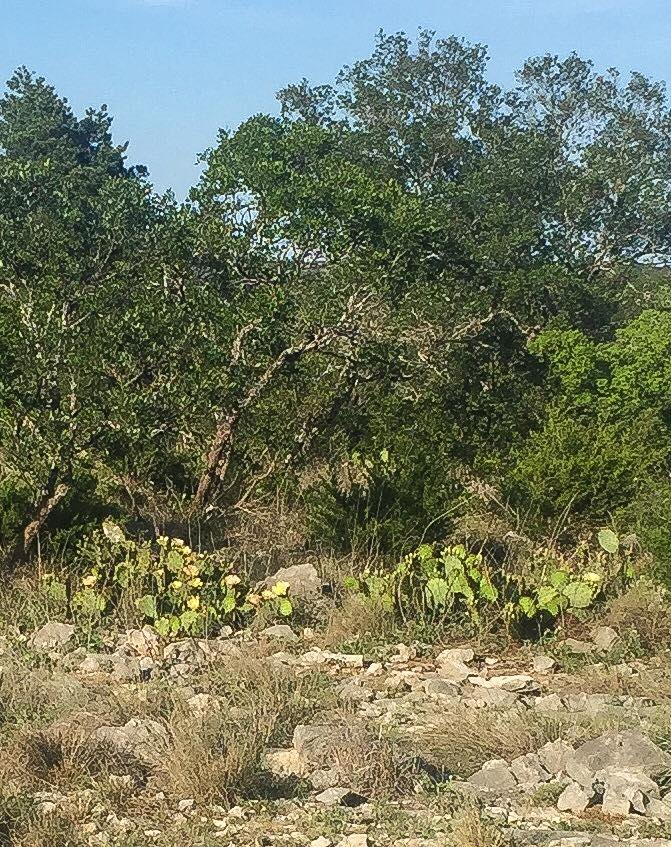
Extends in Texas from the Uvalde area west and southwest to near Del Rio and Langtry; broader in Mexico. Most often encountered on calcareous soils.
Similar or Sympatric Species
O. engelmannii — Usually larger, more robust shrubs with broader pads and heavier, paler armament; contrasts with the darker spines of atrispina.
O. lindheimeri — Tends to thicker, broader cladodes and stronger, paler spination; atrispina remains darker-spined and lighter in overall build.
O. camanchica — Typically thicker, broader pads and a different fruit expression; atrispina shows the dark-spine signature and a more open habit.
O. phaeacantha — Often broader-padded and less stiff overall; pad shape and spine color/strength help separate it from atrispina.
O. orbiculata — Sympatric in places; larger plants with large, round pads that contrast with the narrower pads and dark spines typical of atrispina.
Other Notes
Field recognition relies on the distinctive dark spines together with the flower color progression noted here; the combined expression is more reliable than any single trait. Where populations vary, some shoots may be lightly armed while others are well armed, but the dark-spine cue is consistent in the material presented on this page. If additional notes are developed from new field or garden observations, they can be added here without changing section order or format.
For more information, see:
Griffith M.P. (2001) Experimental hybridization of northern Chihuahuan Desert region Opuntia (Cactaceae), Aliso: A Journal of Systematic and Floristic Botany, 20:37.