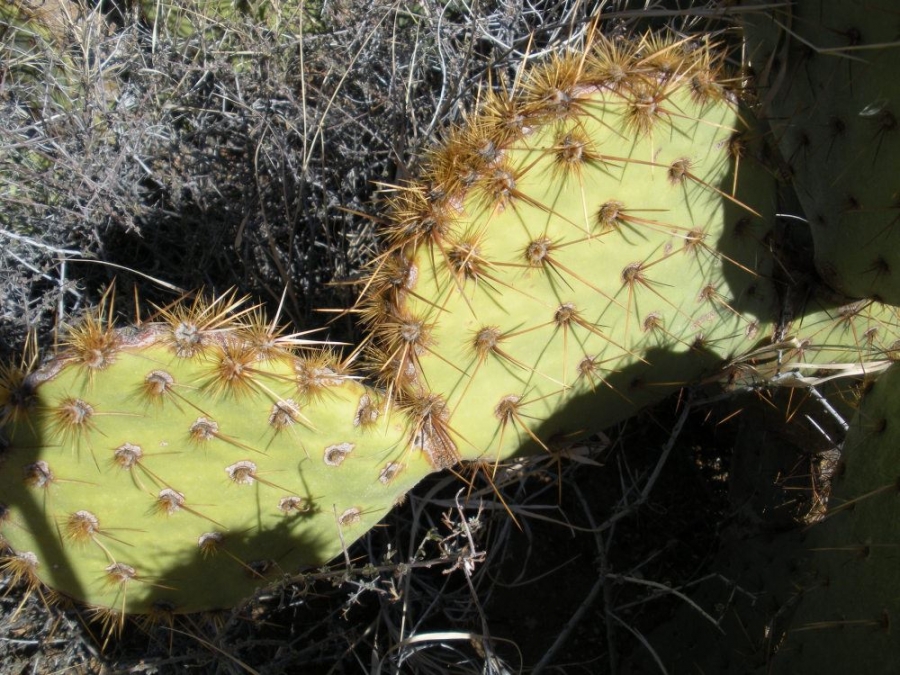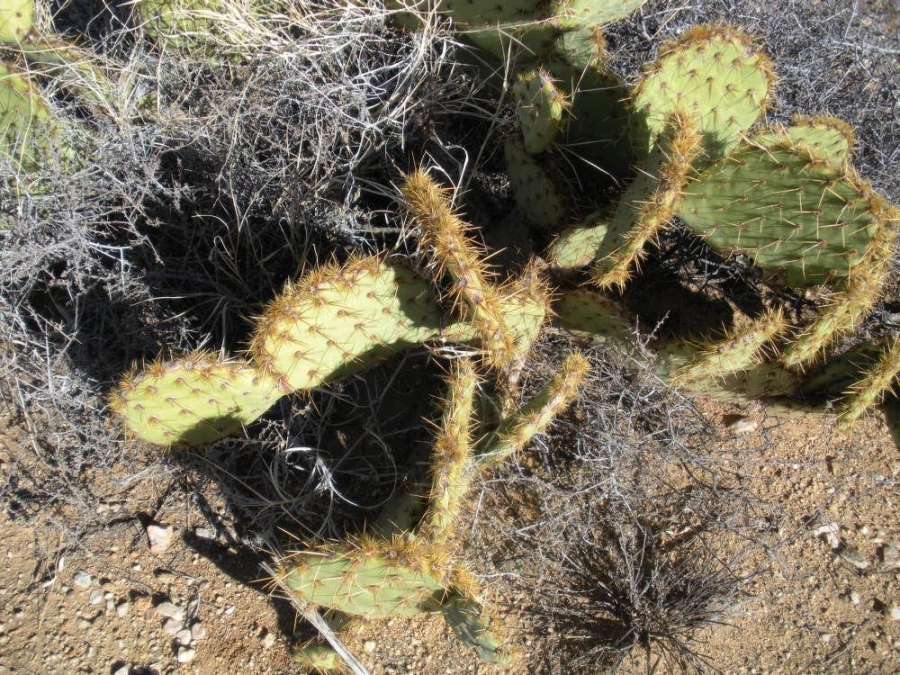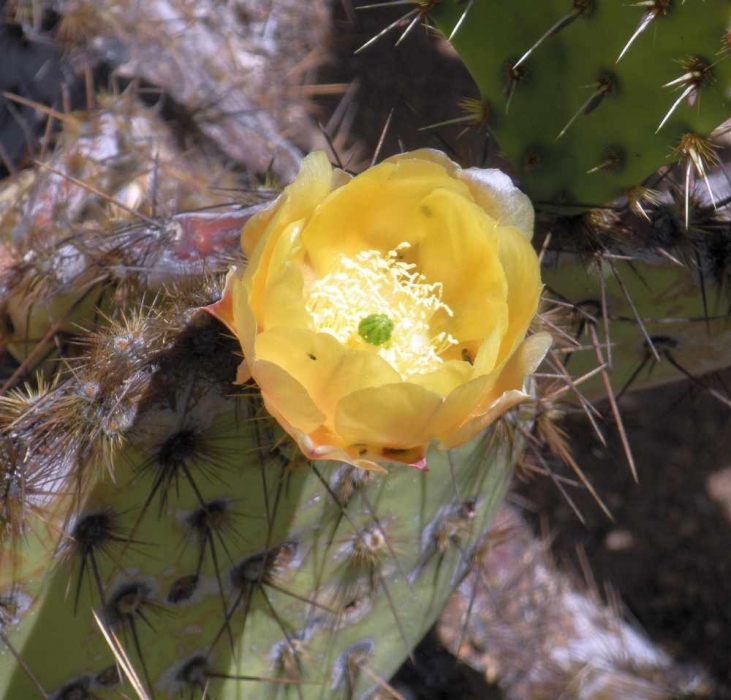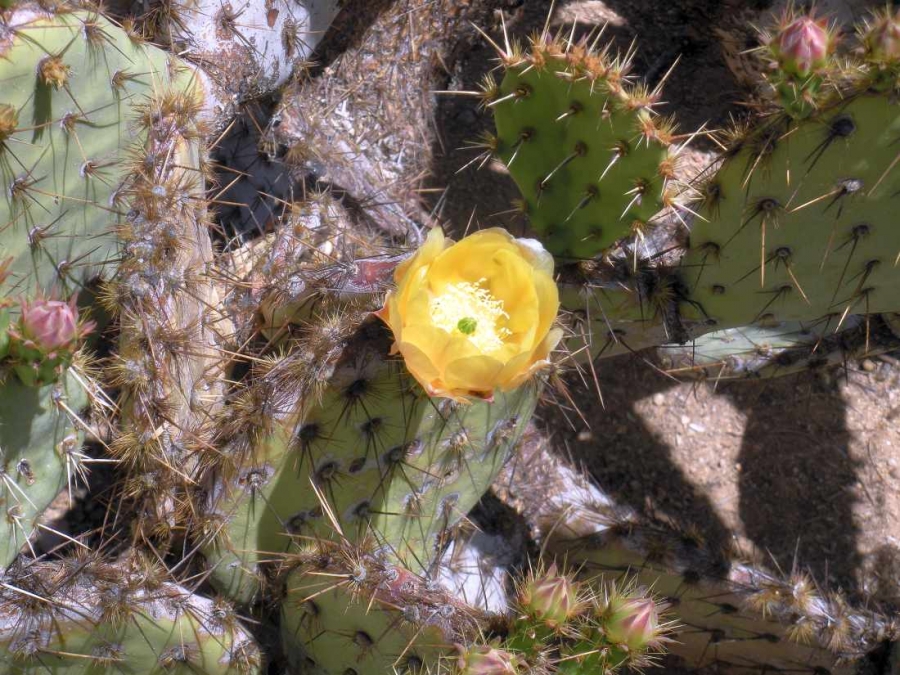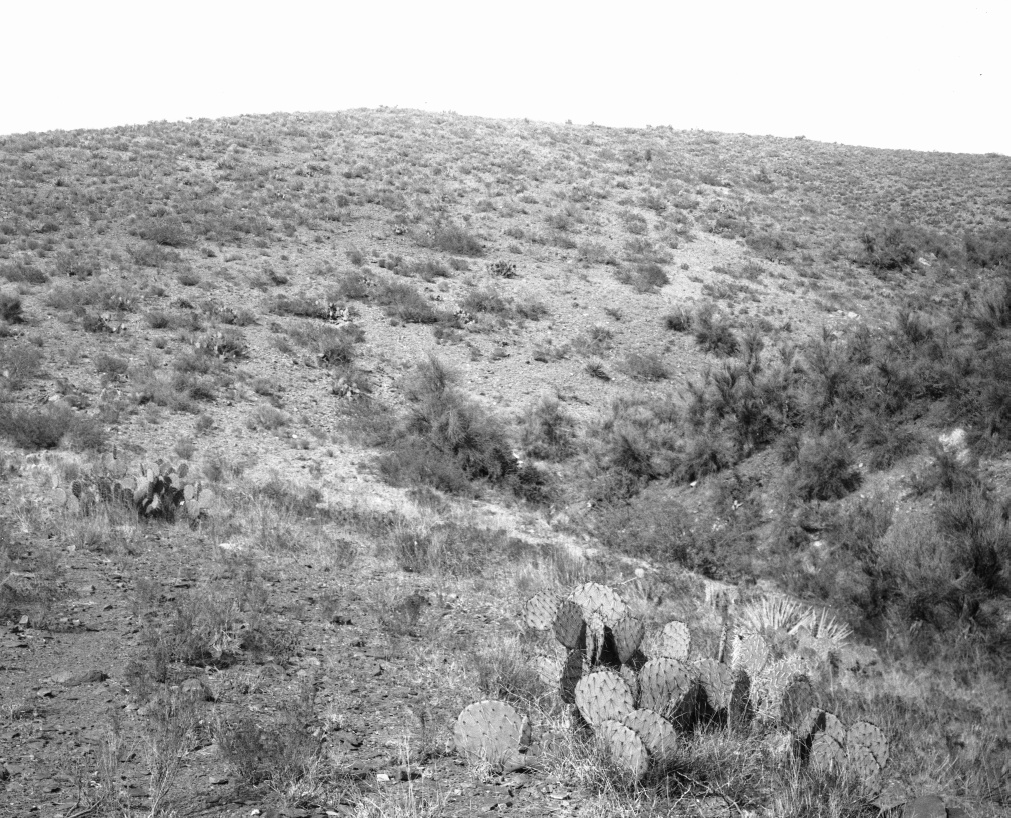
Griffiths, Annual Report of the Missouri Botanical Garden 20: 93, 1909
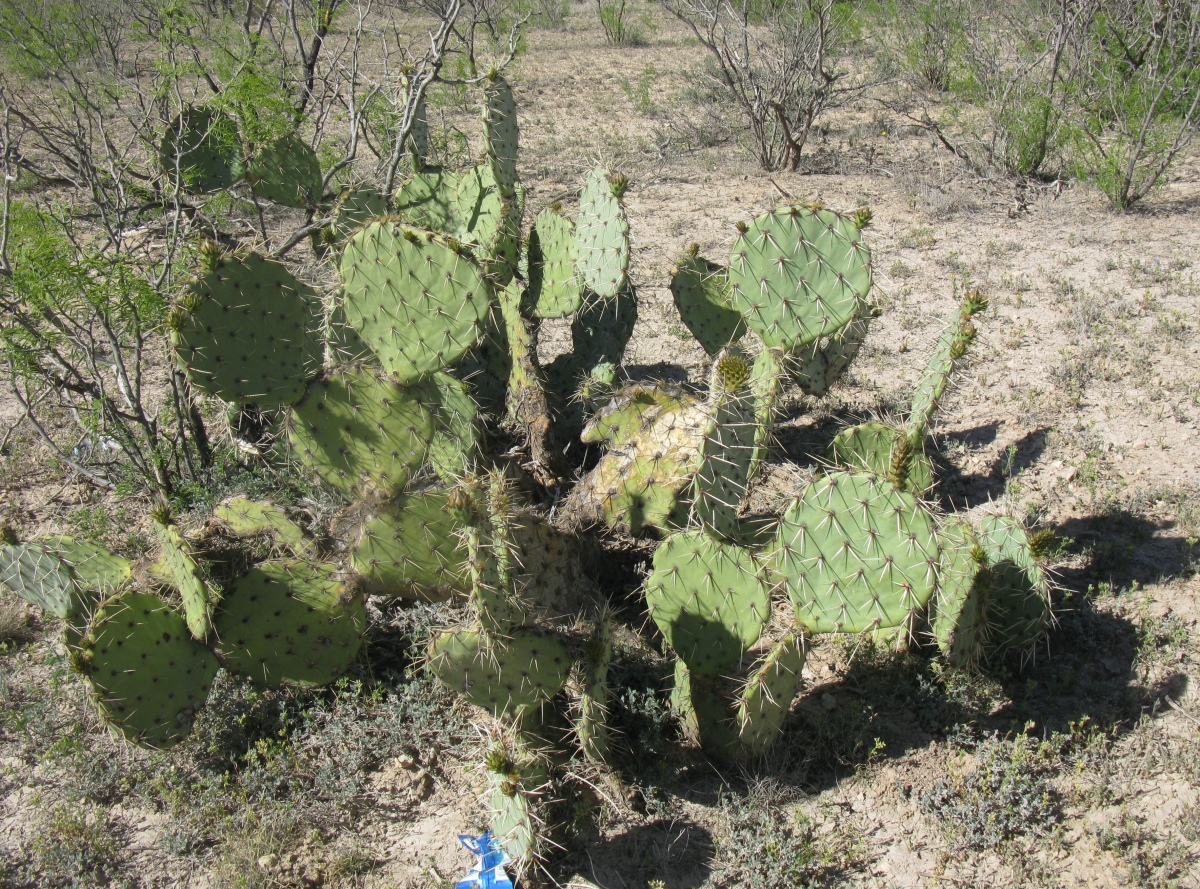
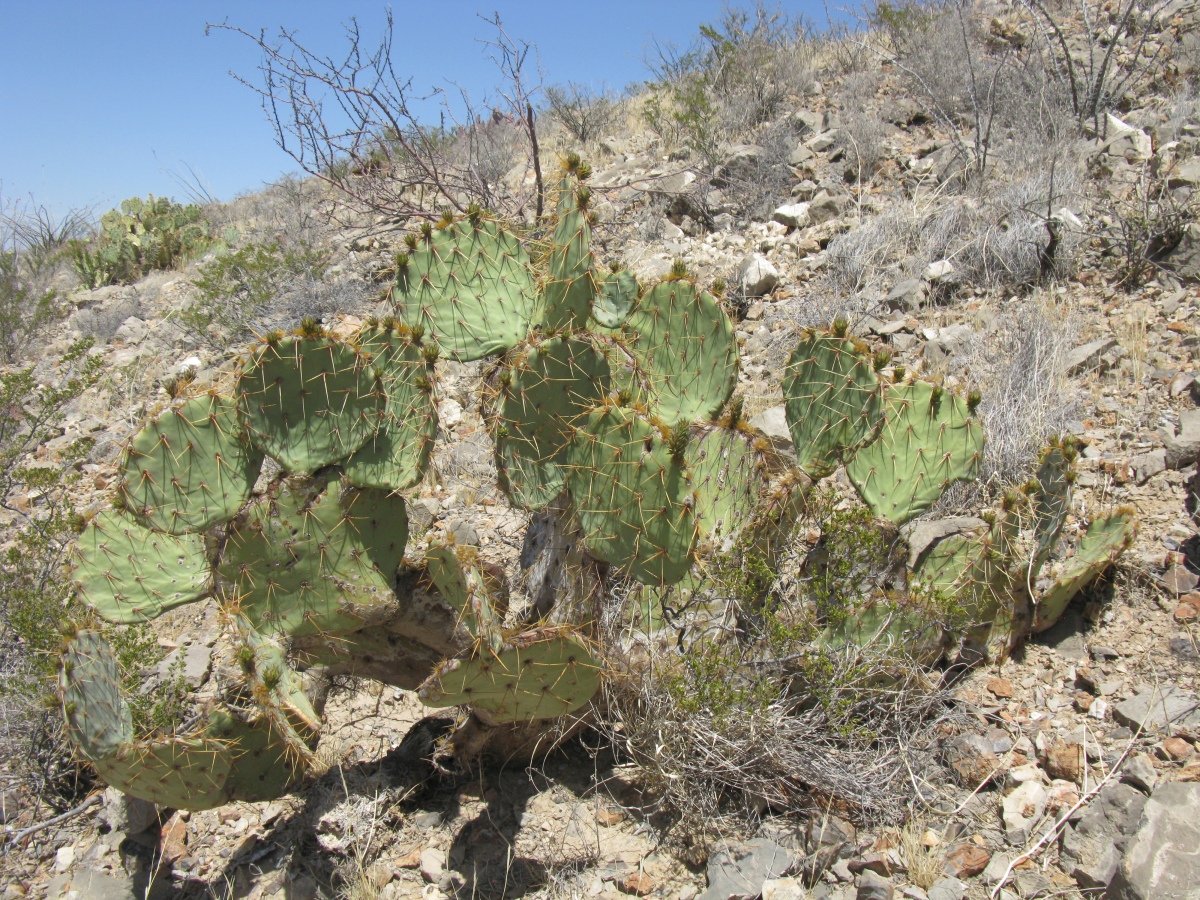
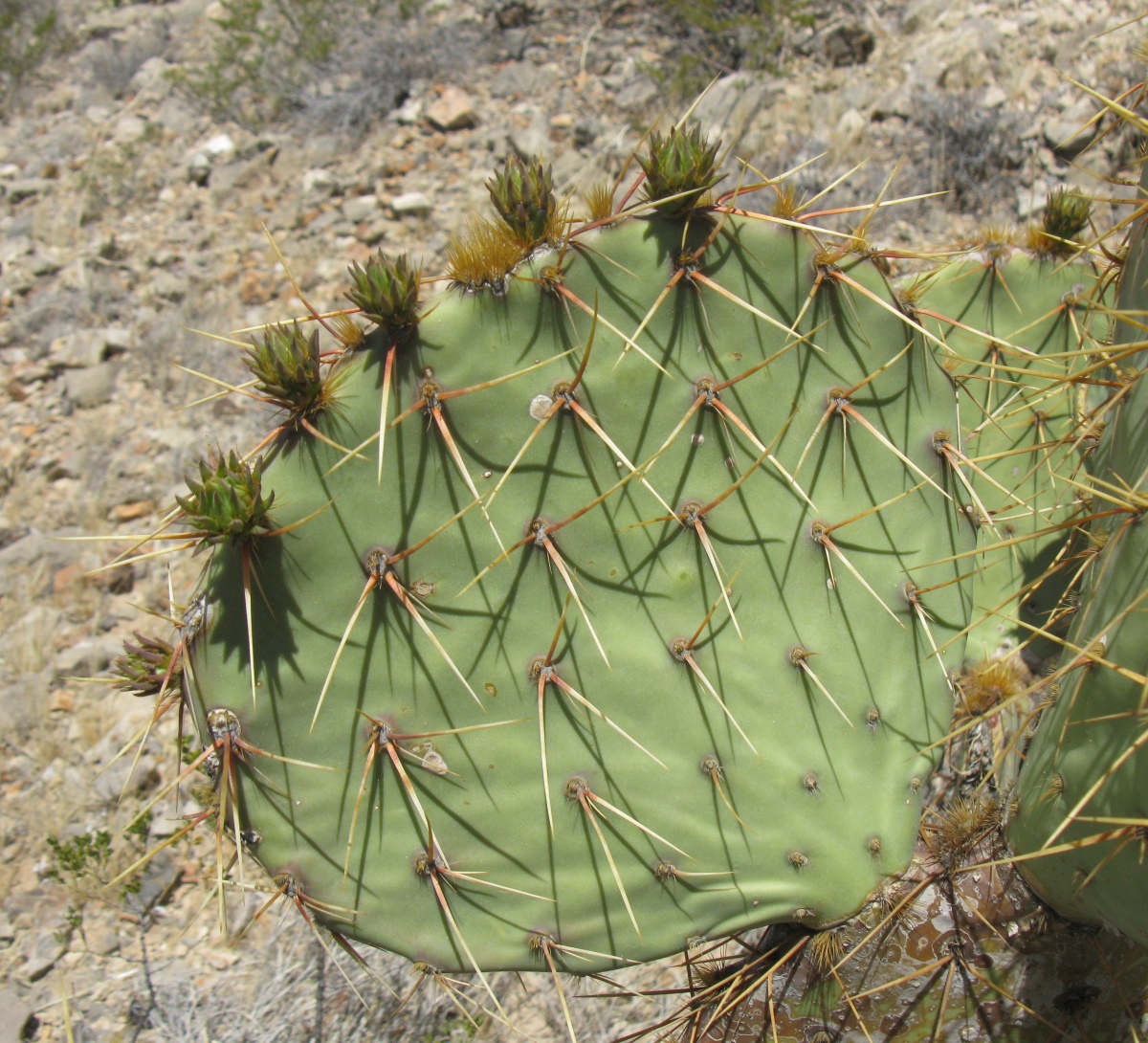
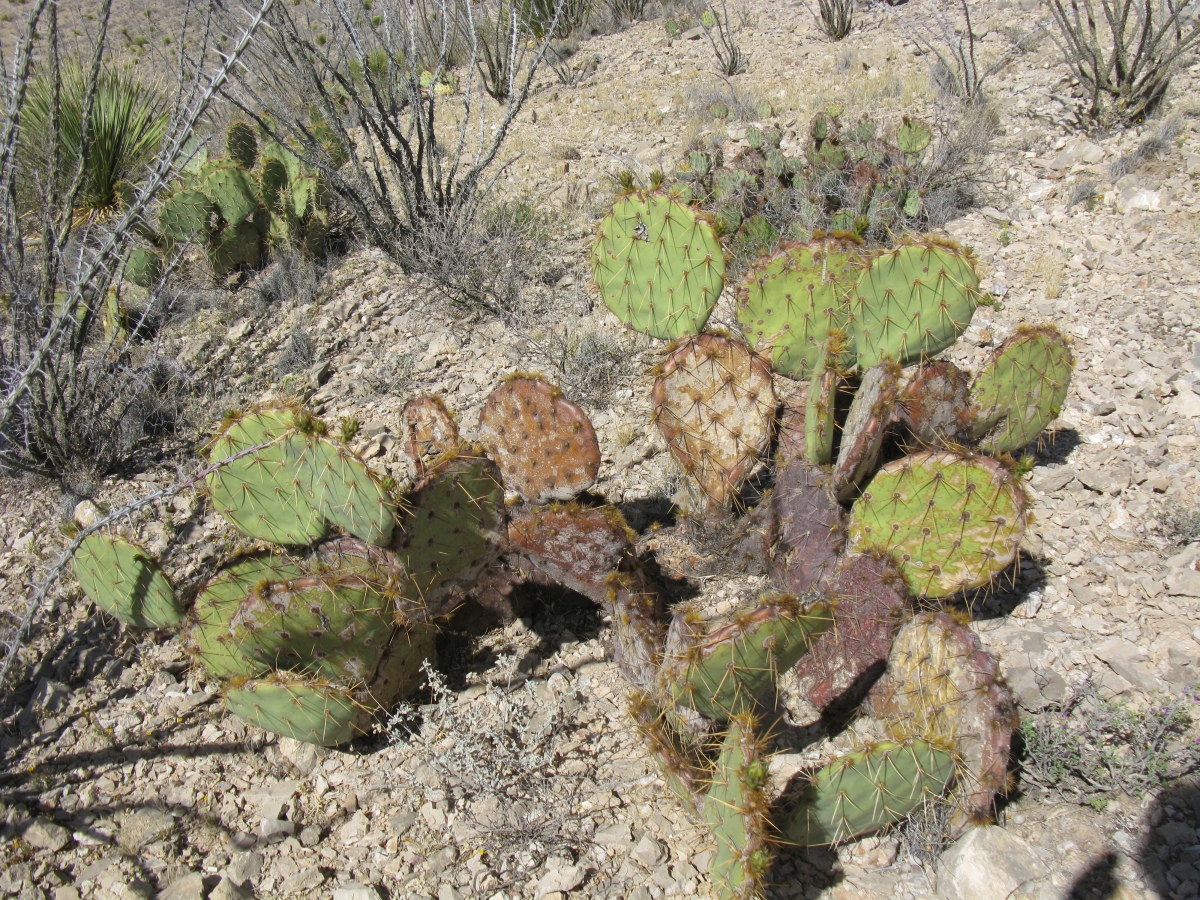
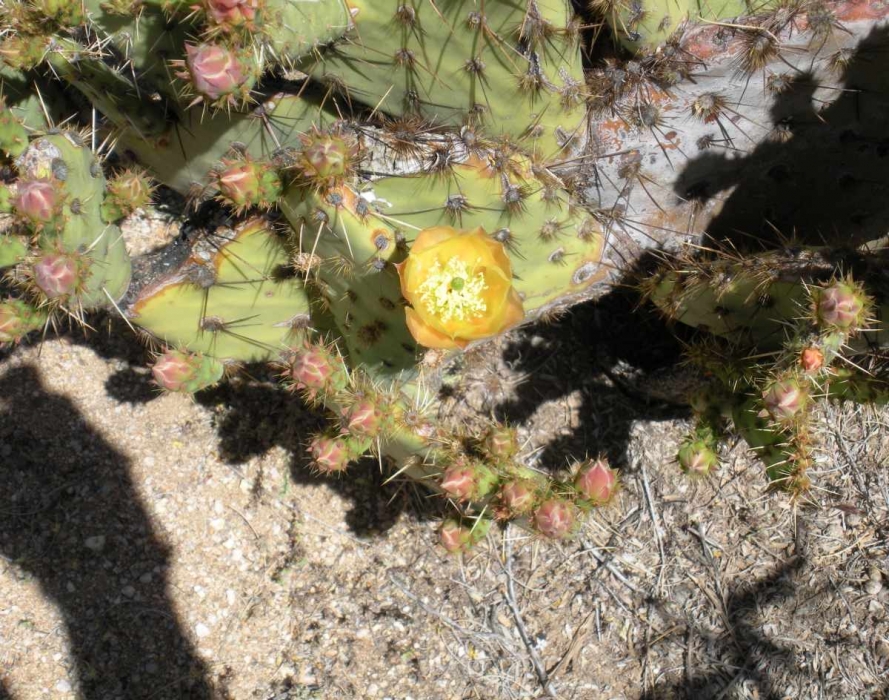
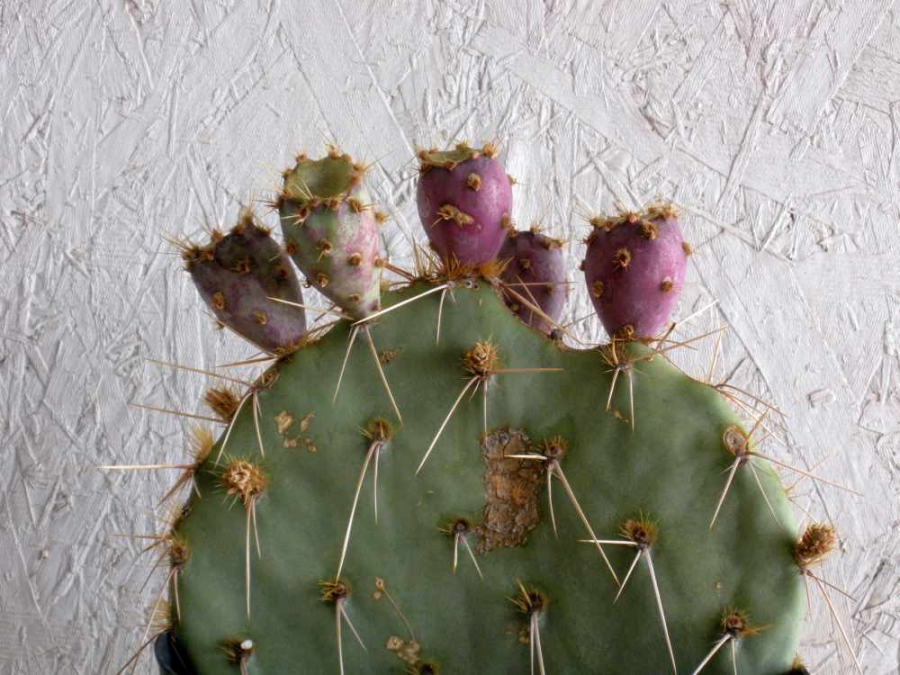
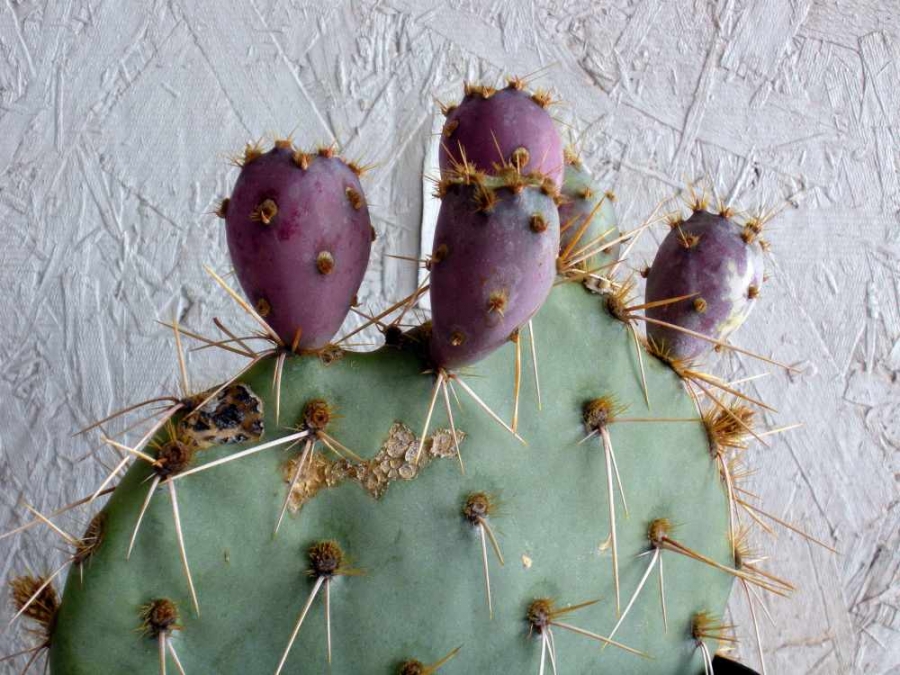
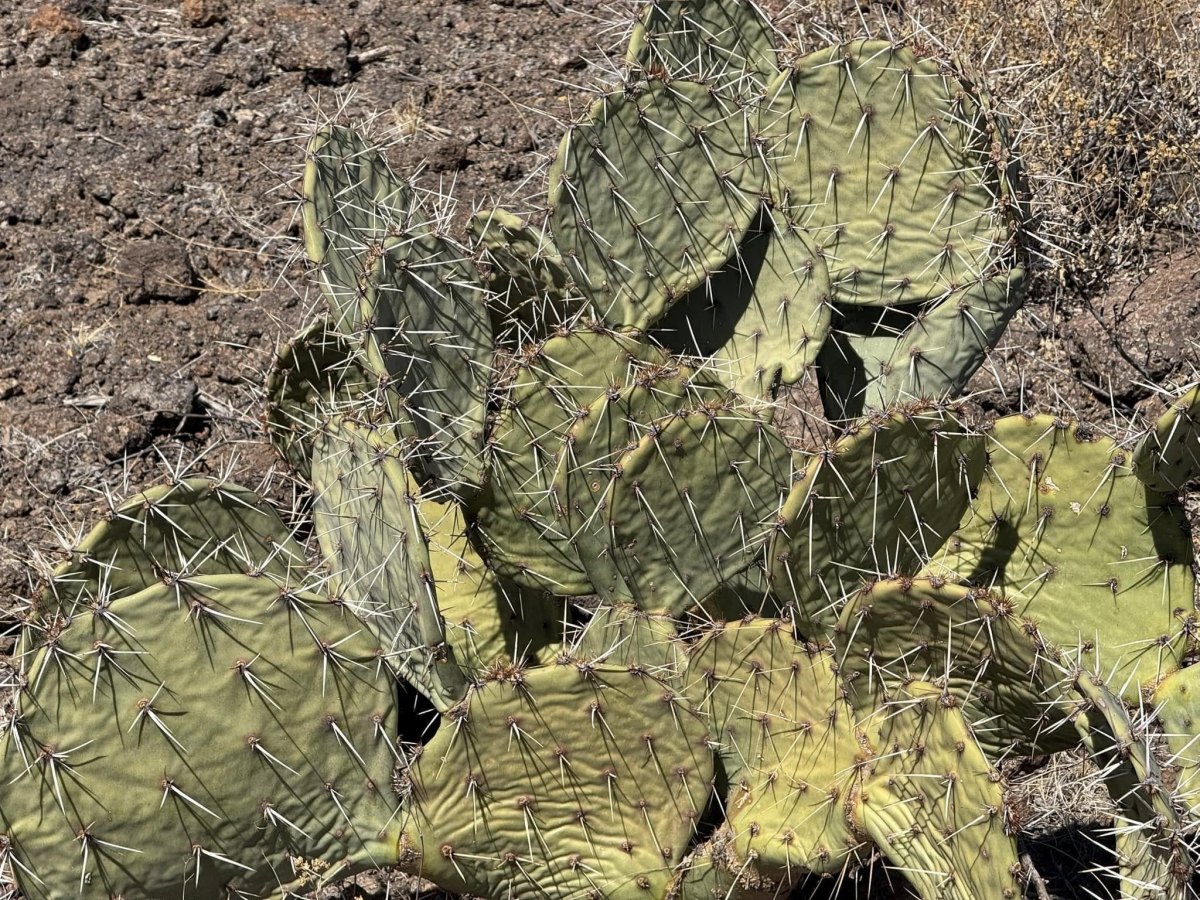
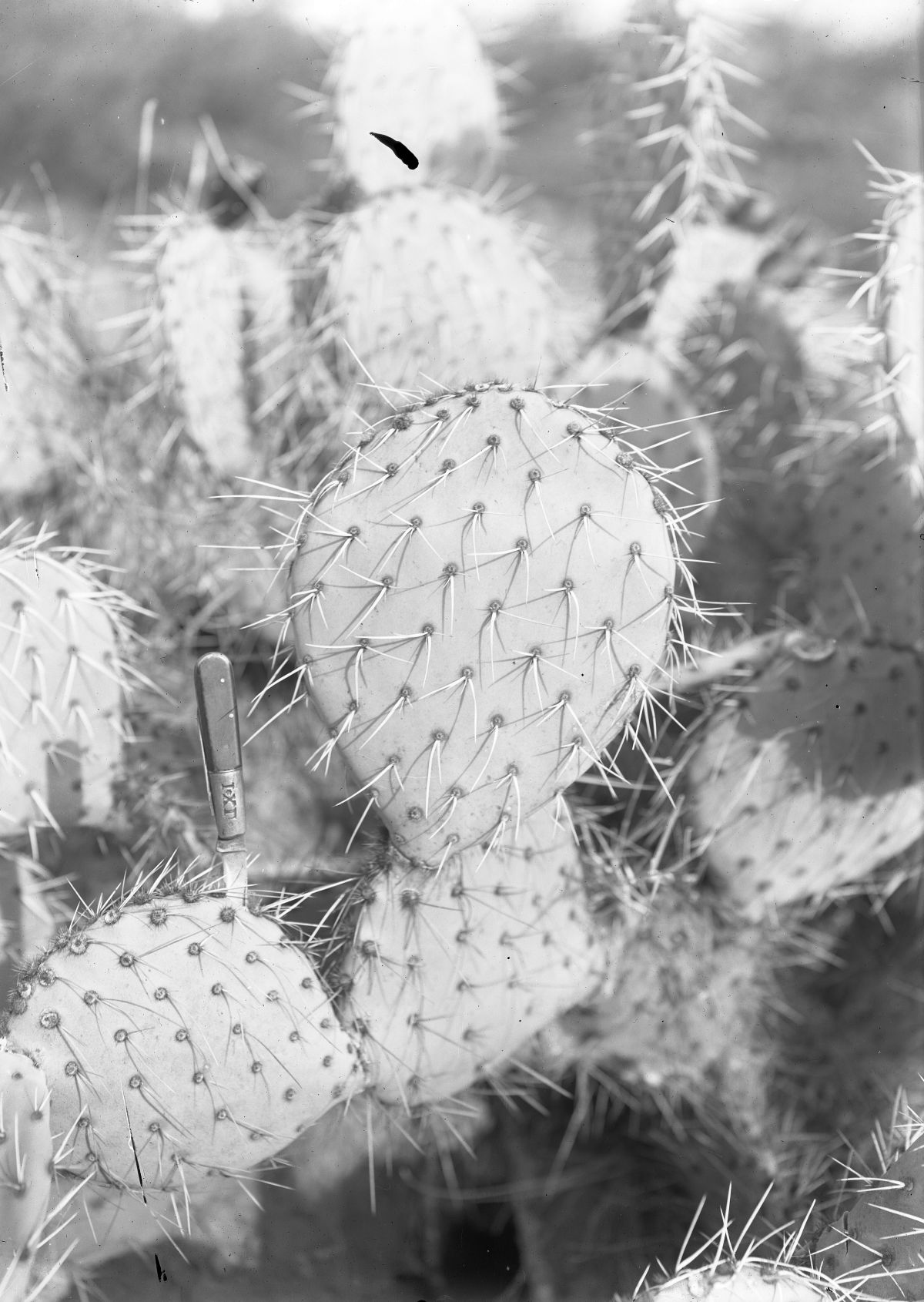
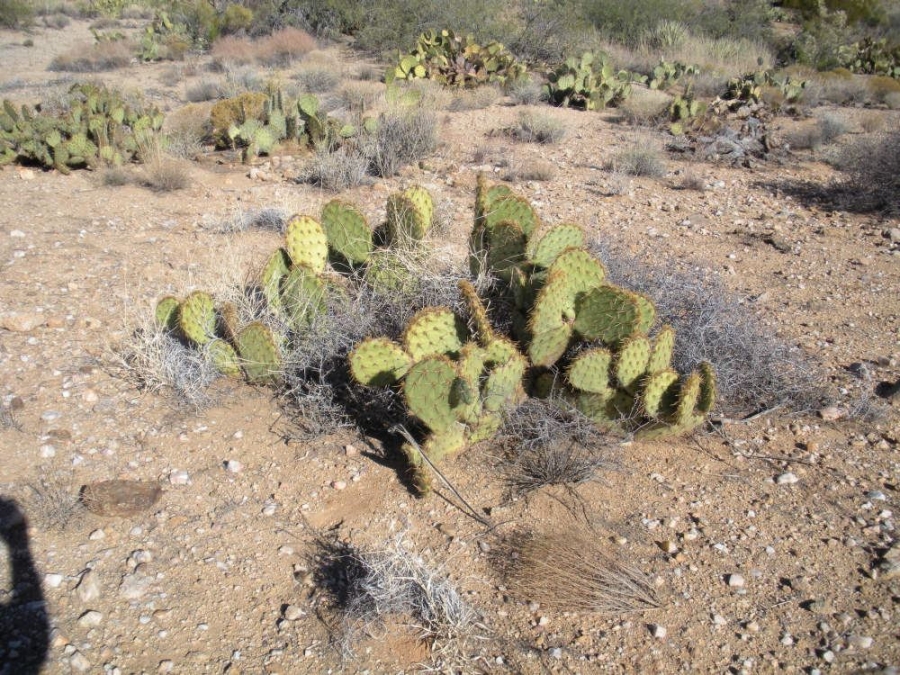
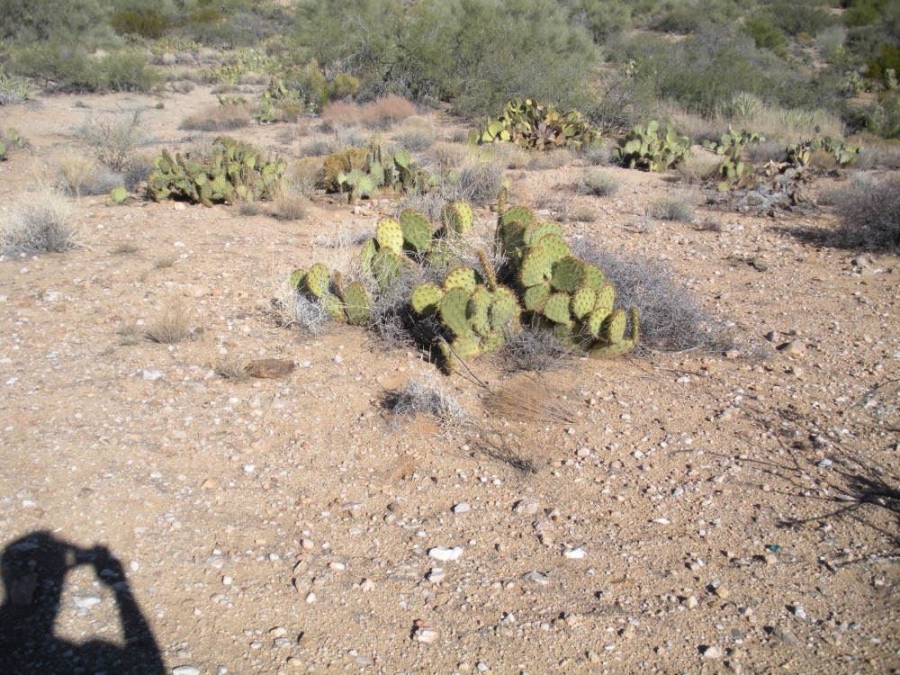
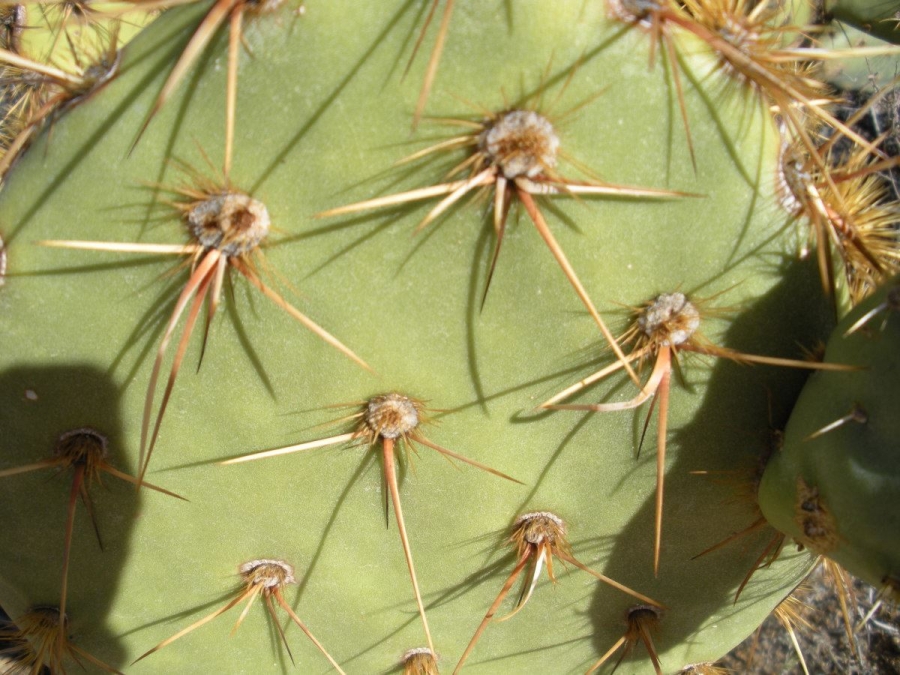
Holotype; Isotype; Herbarium; Herbarium; Herbarium; Herbarium; Herbarium; Herbarium; Painting (watercolor over a photograph, Krieger and Griffith, 1915, Smithsonian Institution Archive); Photograph (D Griffiths, ca. 1910); Photograph (D Griffiths, ca. 1910); Photograph (Annual Report of the Missouri Botanical Garden, 20: 1909)
Original Citation
What is Opuntia arizonica?
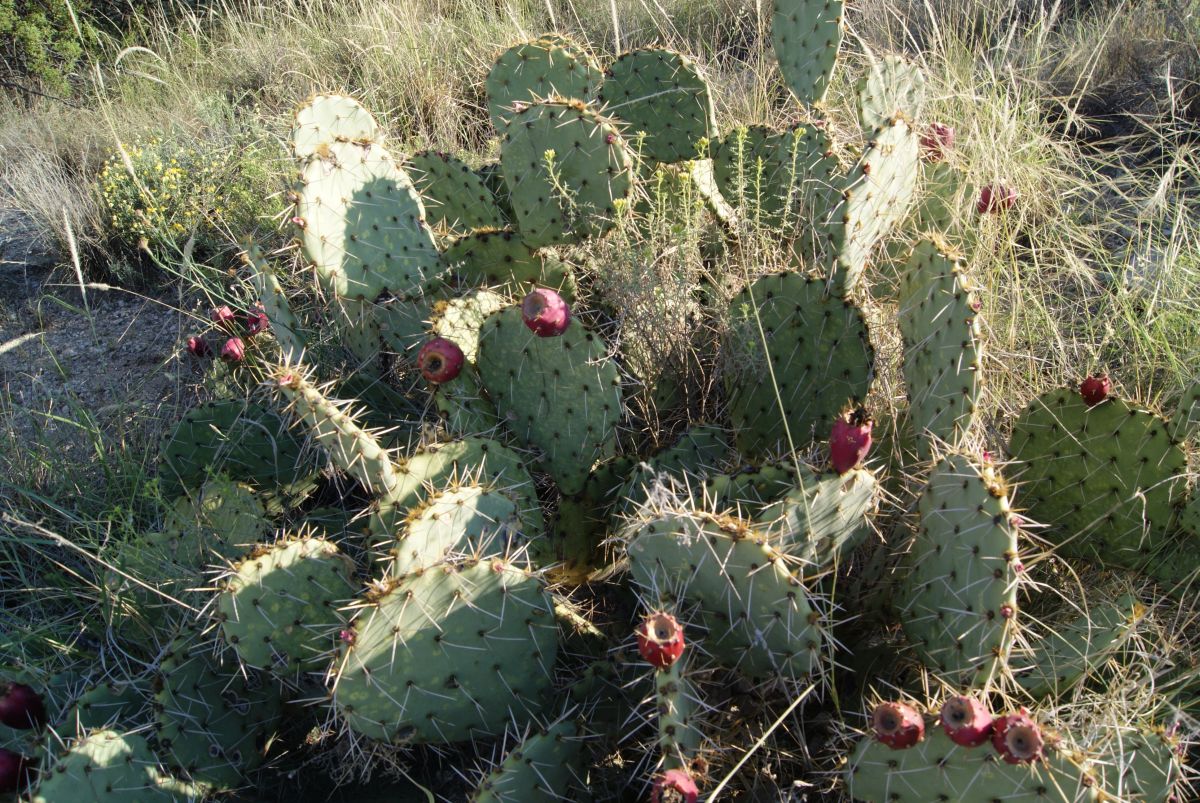
Opuntia arizonica is a seldom-reported prickly-pear that’s easily overlooked because small, very spiny plants are often folded into O. engelmannii. On this site it is treated as distinct; verified occurrences shown here include areas near Congress and Tucson (Arizona), central New Mexico, and the greater El Paso region of Texas.
Details
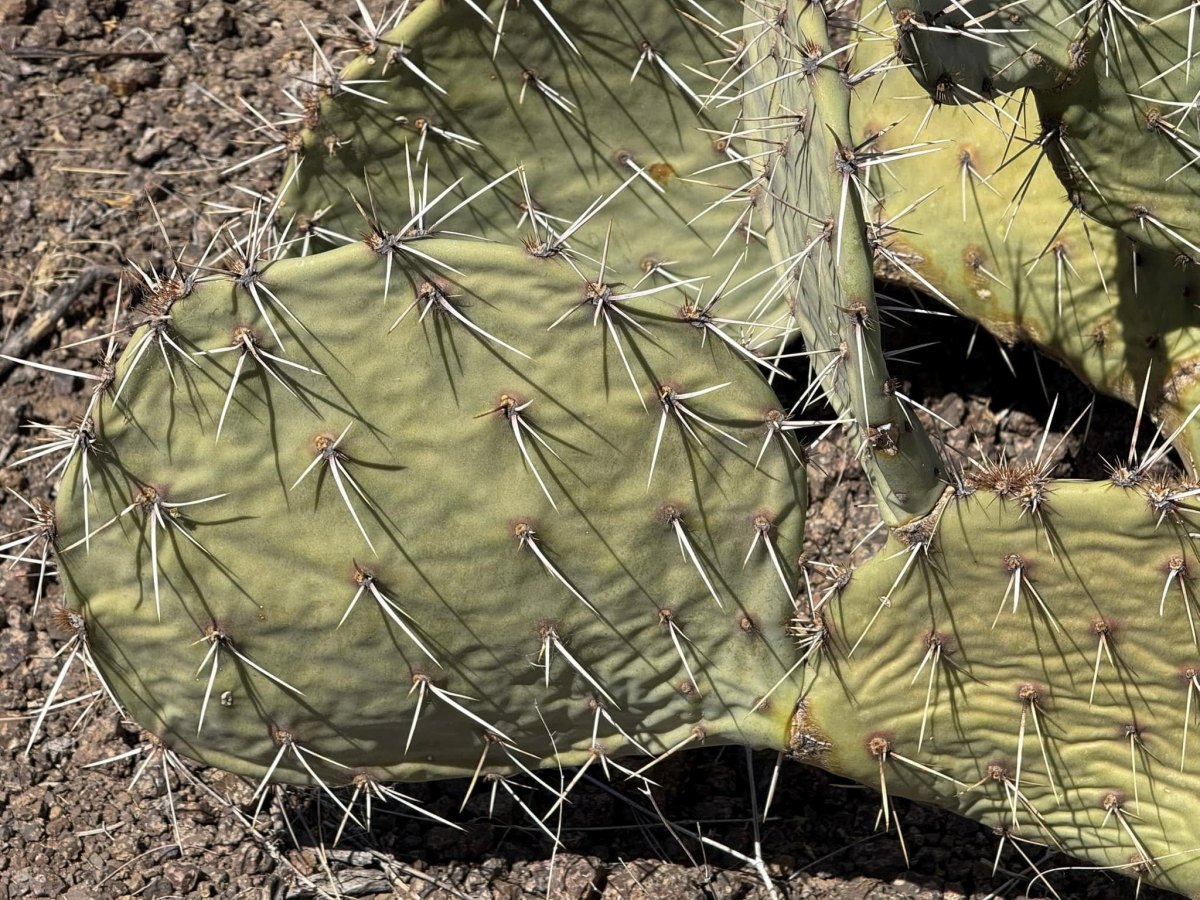
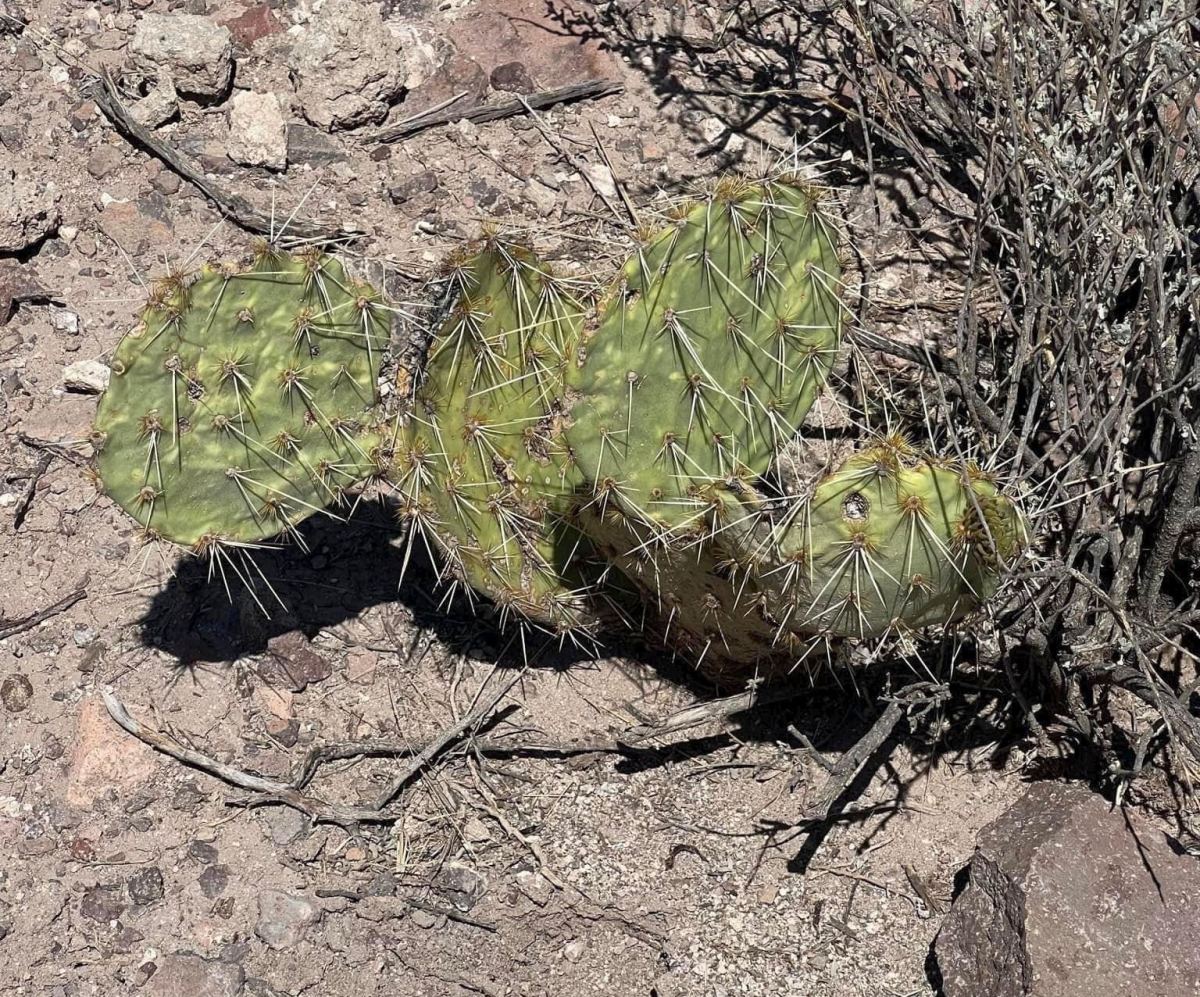
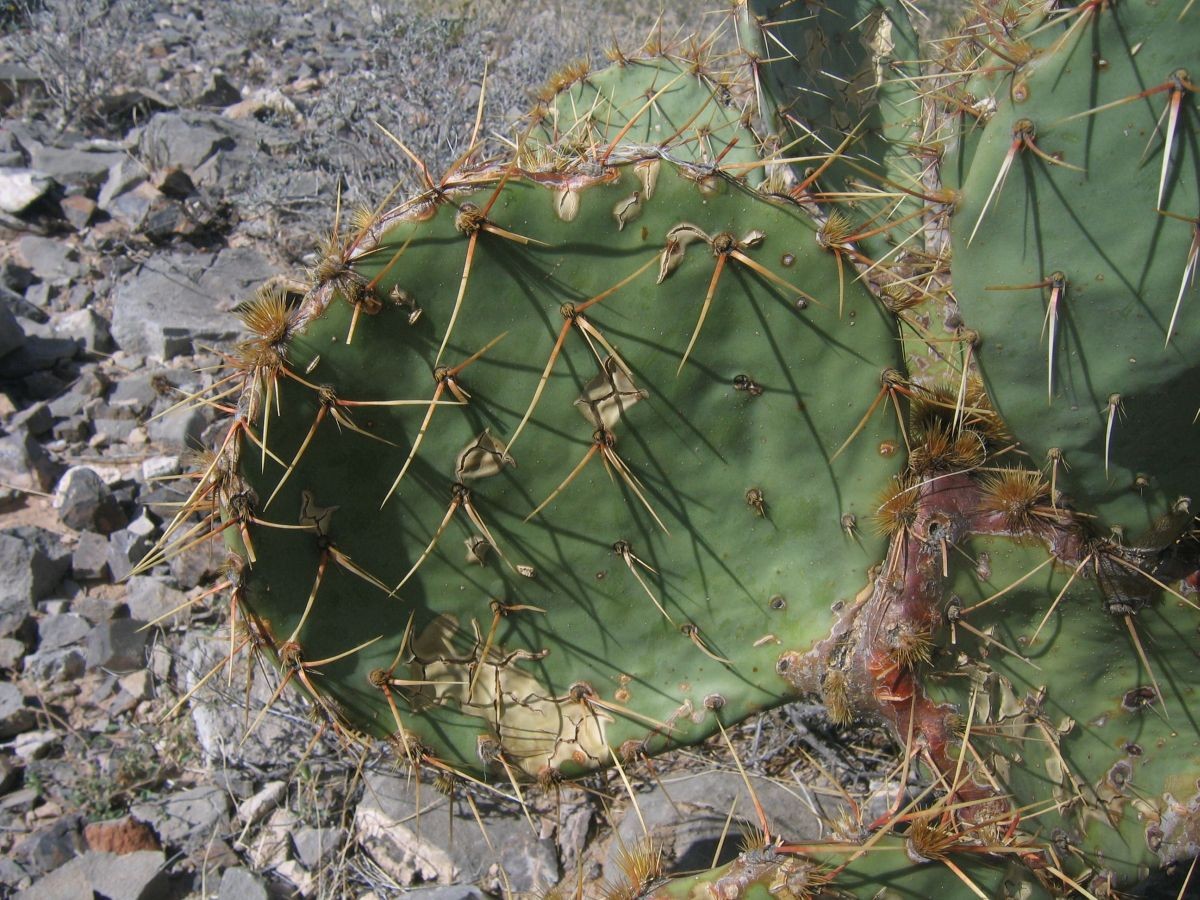
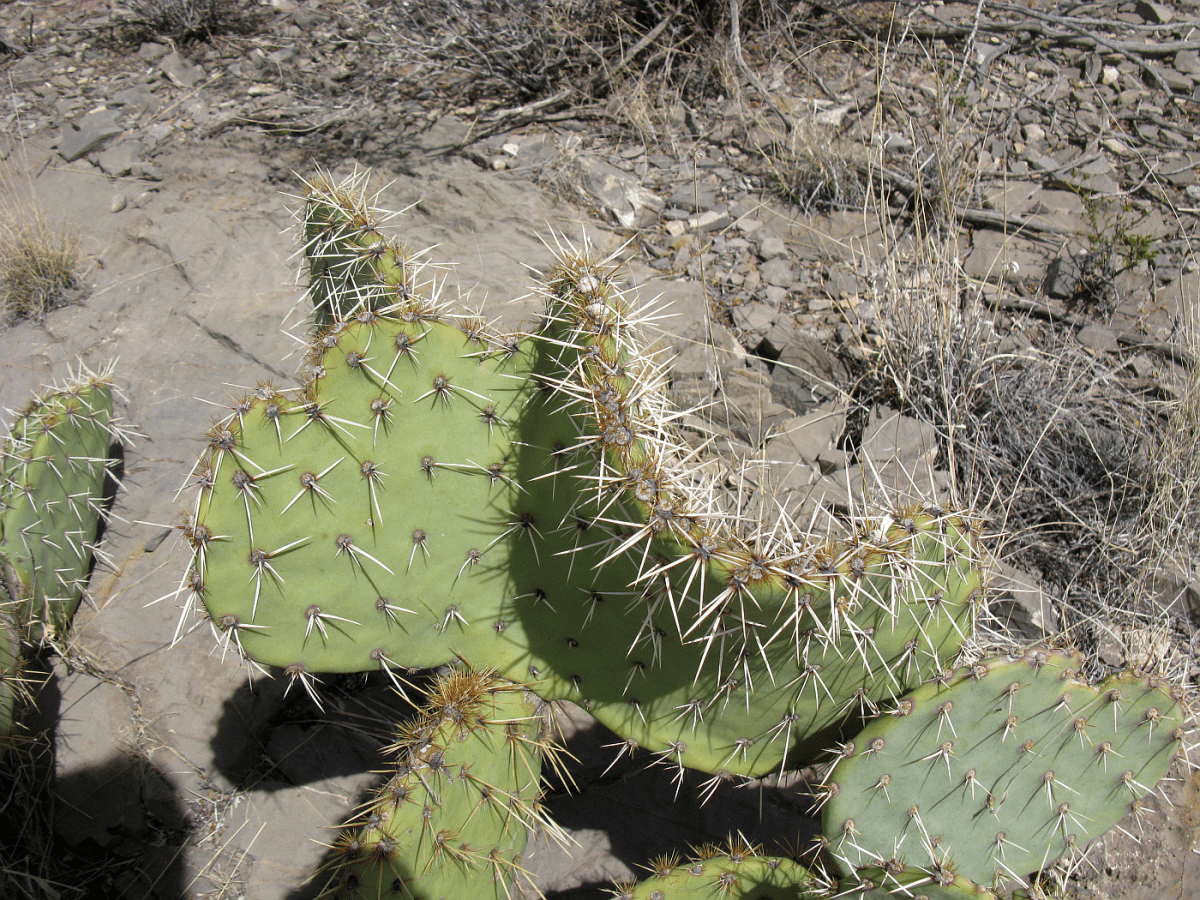
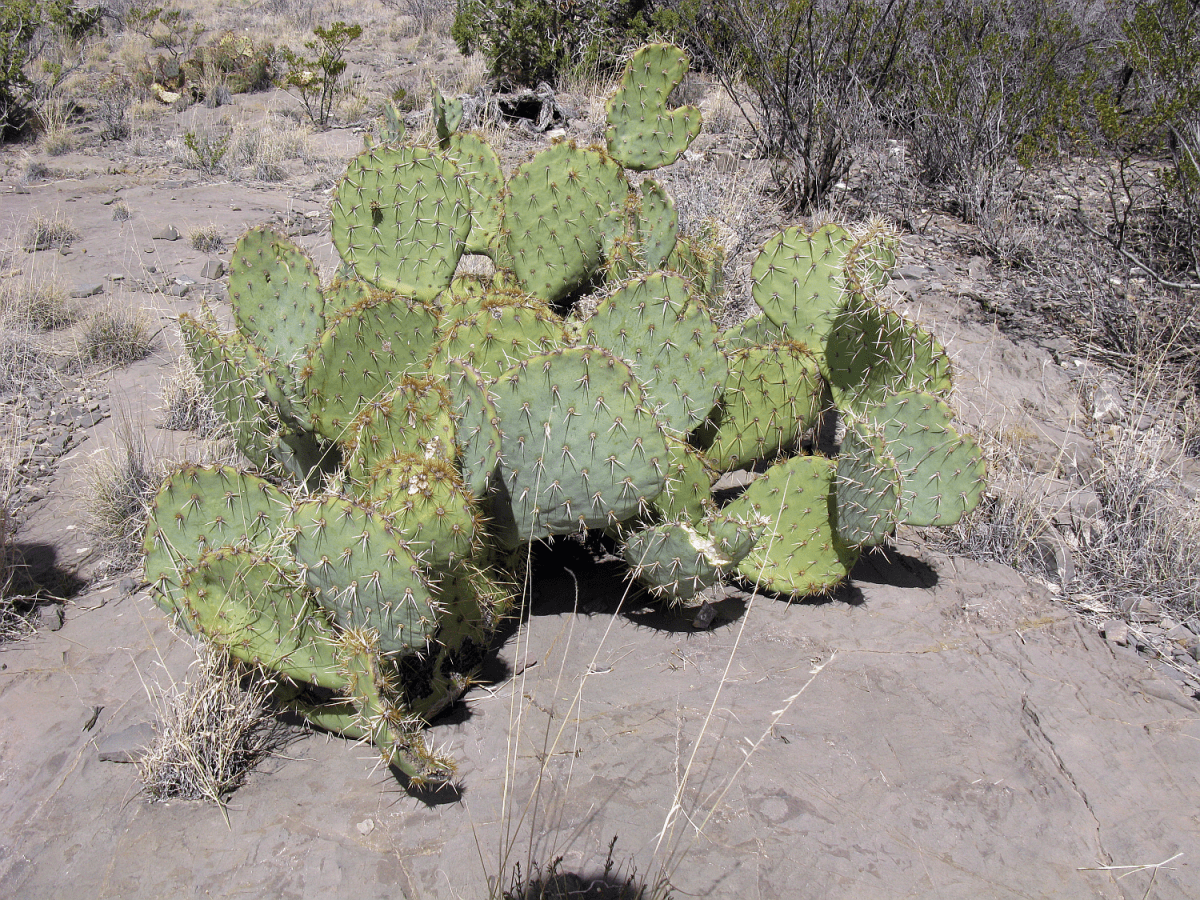
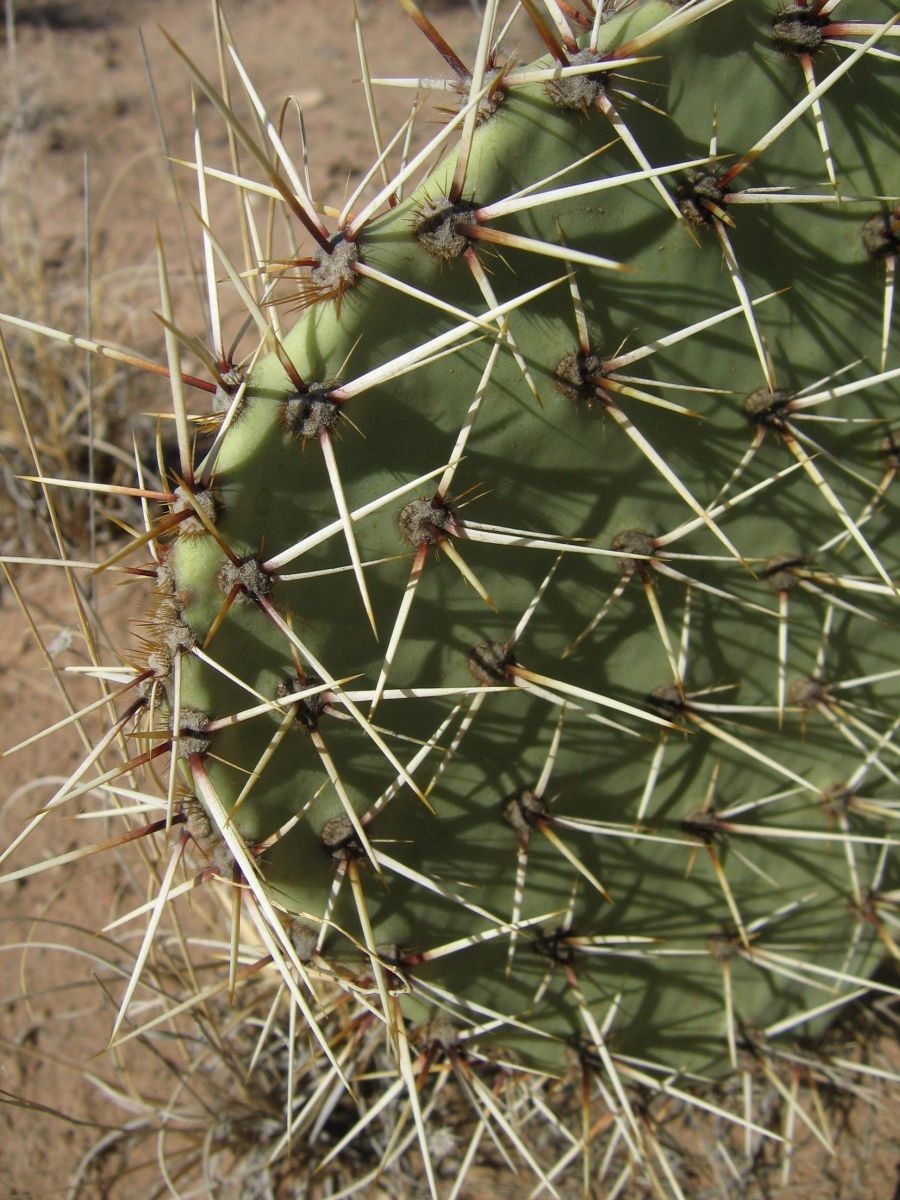
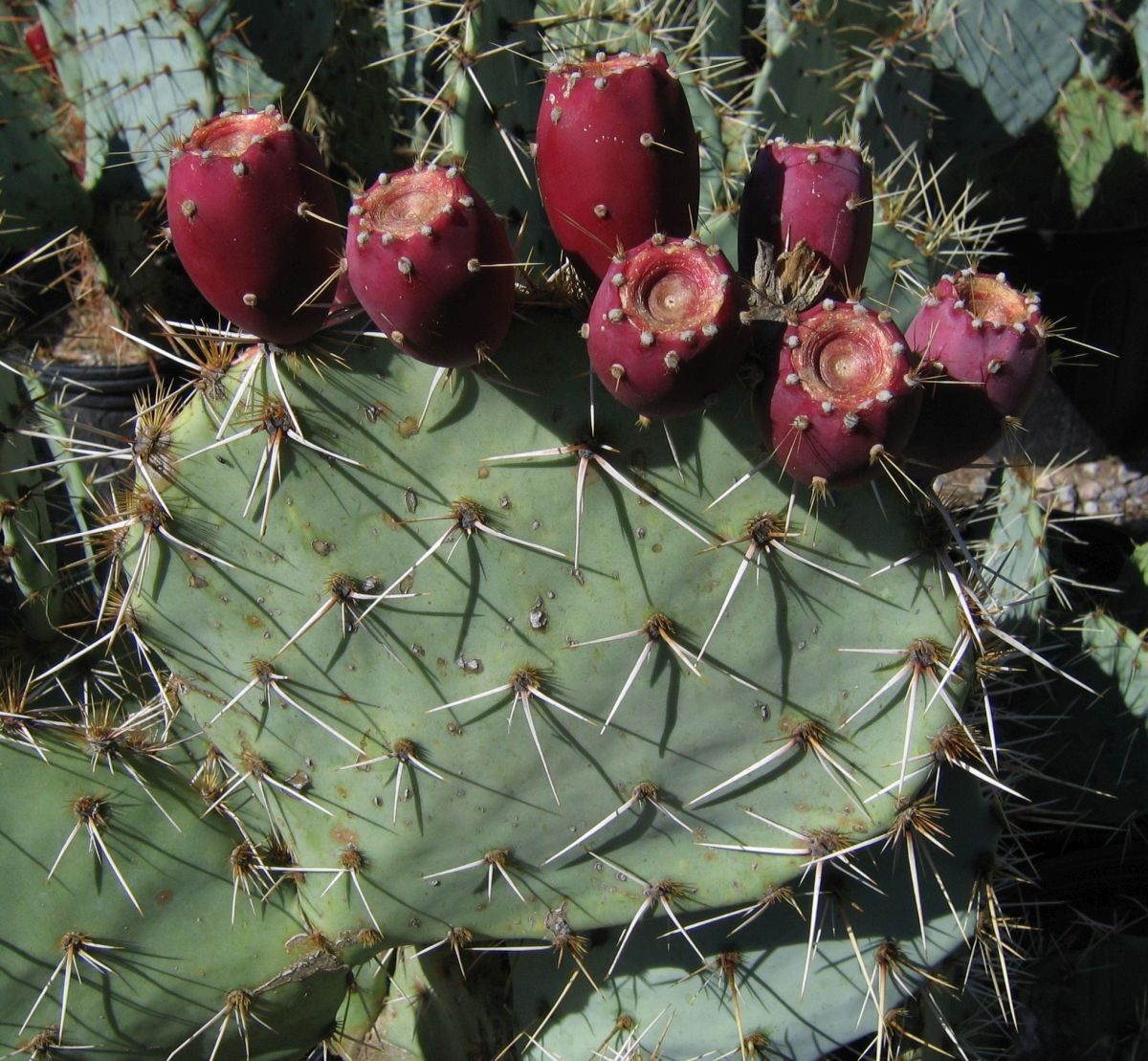
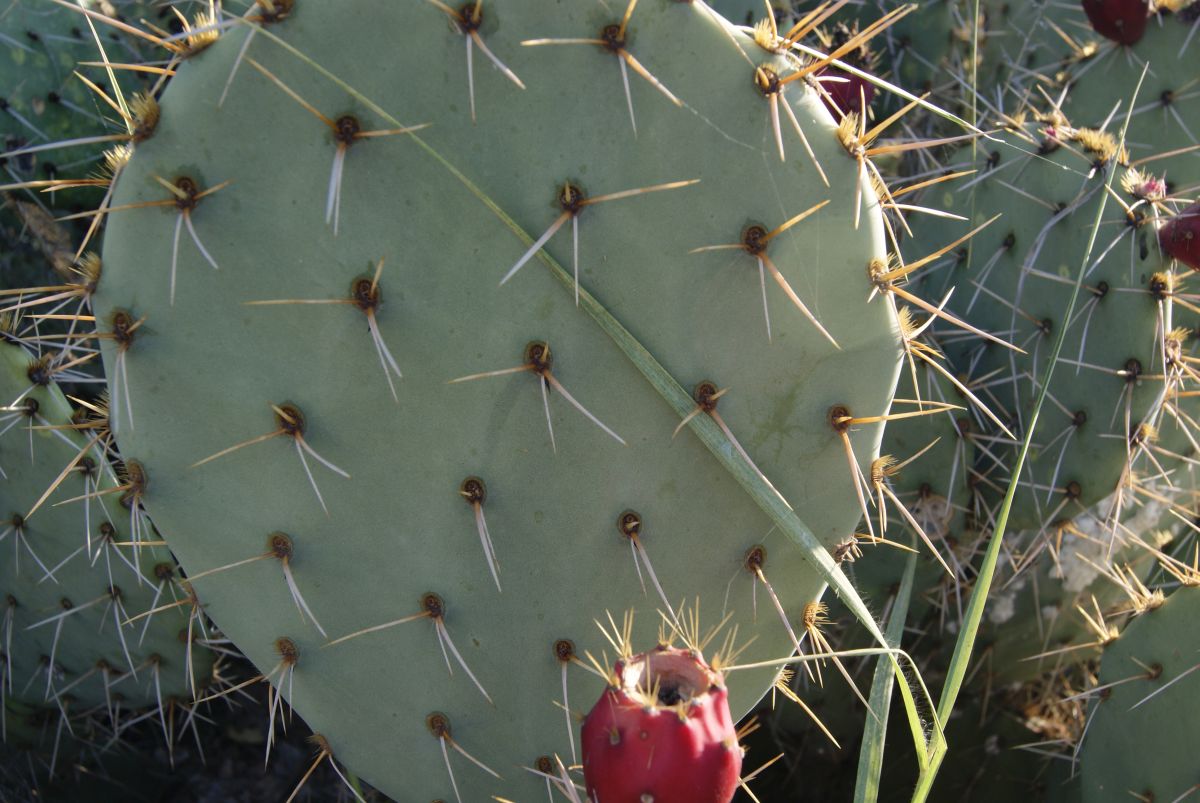
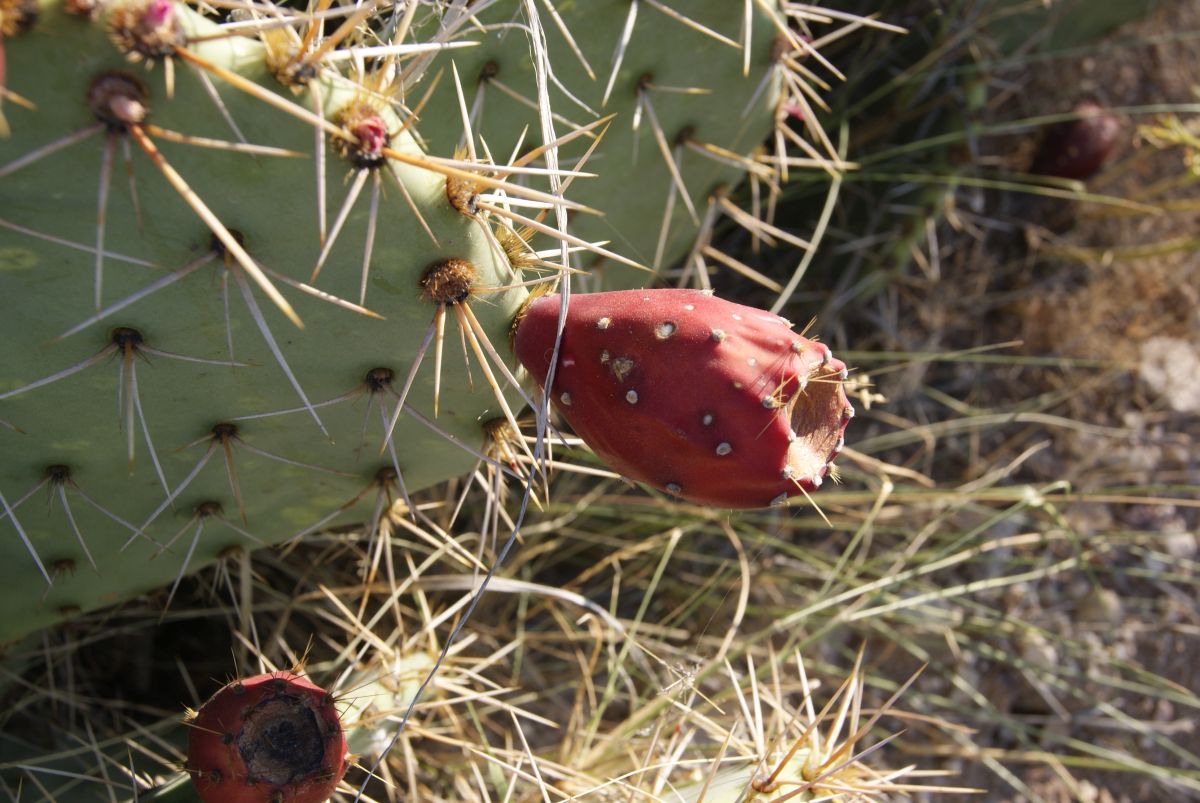
Shrub: reclining to low-ascending, typically 30–50(–80) cm tall; plants may form clumps ~1 m across or sprawl to ~2 m. Cladodes: usually subcircular, about 22–27(–30) cm across; obovate pads may also occur. Areoles: generally (2)3–4(–6) spines per areole—stout and numerous for the pad size; spines erect and divergent, ~2–4(–5) cm, the lowest sometimes recurved; with age, areoles may enlarge and rise in low cones (to ~8–11 mm along pad margins) and darken. Glochids: present, more abundant in the upper portions of pads. Flowers: yellow, average-sized. Fruits: reported as subglobose, though egg-shaped fruits are also shown here.
Cytology
Ploidy not reported here.
Range & Habitat
Documented on this site from Arizona (e.g., Congress; Tucson), central New Mexico, and the greater El Paso, Texas region. Additional habitat specifics are not provided here.
Similar or Sympatric Species
O. engelmannii — Superficially similar, but O. arizonica is decidedly smaller and markedly more spiny, with a more reclining habit and stouter, more numerous spines on proportionally smaller pads. Compare with the images and notes presented for O. engelmannii.
Other Notes
This name “lacks a slot in guidebooks” and is therefore easily missed; plants on this page consistently show the combination of small pad size, very strong spination, and reclining habit used here to recognize the species. It was reported as a naturalized plant in the Iberian Peninsula in 2015.